Science Tokyo Bulletin is an email newsletter introducing the Institute’s research, education, and students’ activities. The latest edition, "Science Tokyo Bulletin #4—Feb. 2026", has been published. To get the most recent news directly to your inbox, subscribe to Science Tokyo Bulletin outer now.
Highlights
Science Tokyo accredited for Universities for International Research Excellence program
Science Tokyo has been accredited for the Universities for International Research Excellence program by Japan’s Minister of Education, Culture, Sports, Science and Technology on January 23, 2026, following deliberations by the Council for Science, Technology and Innovation (CSTI) and the Council for Science and Technology. The Institute will develop the Research System Strengthening Plan required for the implementation of the program, aiming for approval of its plan in the near future.
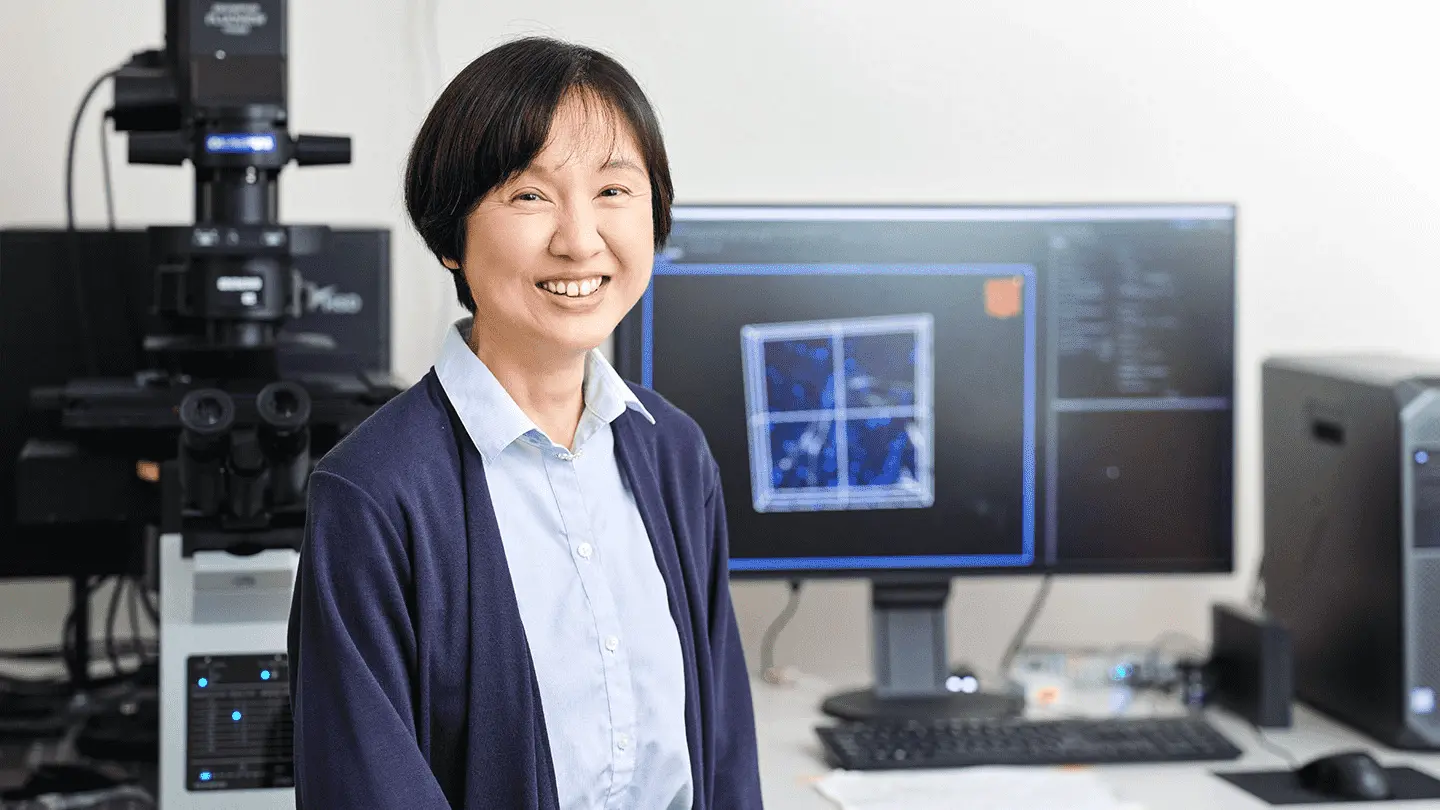
Investigating the mechanisms behind physiological changes in pregnancy and aging—Fumiko Toyoshima
Science Tokyo Faces vol. 006
Pregnancy is a significant event for a woman's body. Significant changes occur in organs other than the reproductive organs, such as the liver, intestines, and skin. This is referred to as "remodeling" in biological systems, a process where organs and tissues reorganize and alter their morphology, structure, and function in response to external stimuli, pathological conditions, aging, or injury. Professor Fumiko Toyoshima of the Medical Research Laboratory is exploring the potential for developing new anti-aging technologies by comparing remodeling processes during pregnancy and aging.
Research
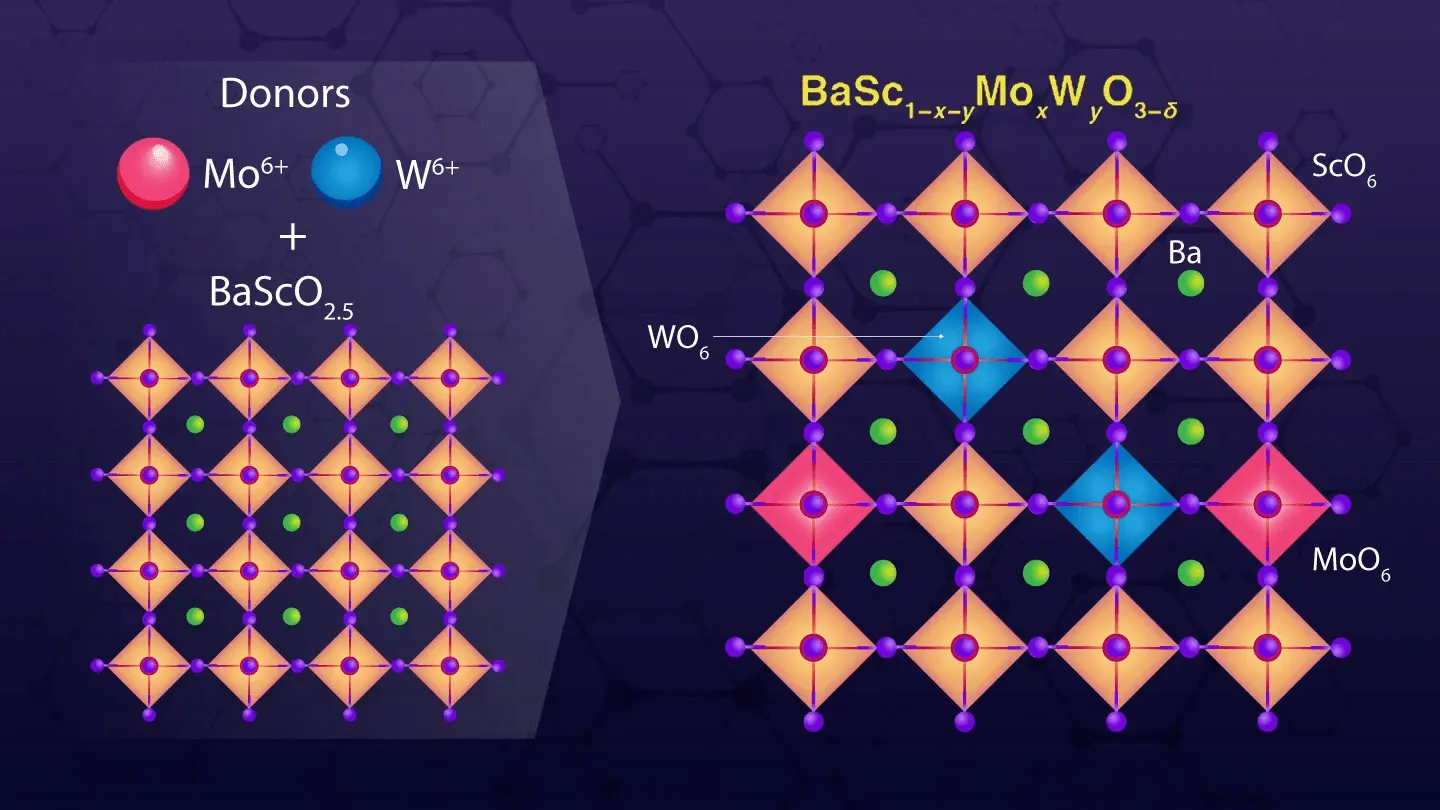
Breakthrough proton-conducting ceramic material for clean energy
A newly developed ceramic material shows record-high proton conductivity at intermediate temperatures while remaining chemically stable, report researchers from Japan. Efficient hydrogen-to-electricity conversion is critical for hydrogen-based clean energy technologies, but few materials combine chemical stability with efficient proton conductivity. Thanks to an innovative donor co-doping strategy, the proposed ceramic material features increased proton concentration and mobility, realizing exceptional conductivity and stability under CO2, O2, and H2 environments.
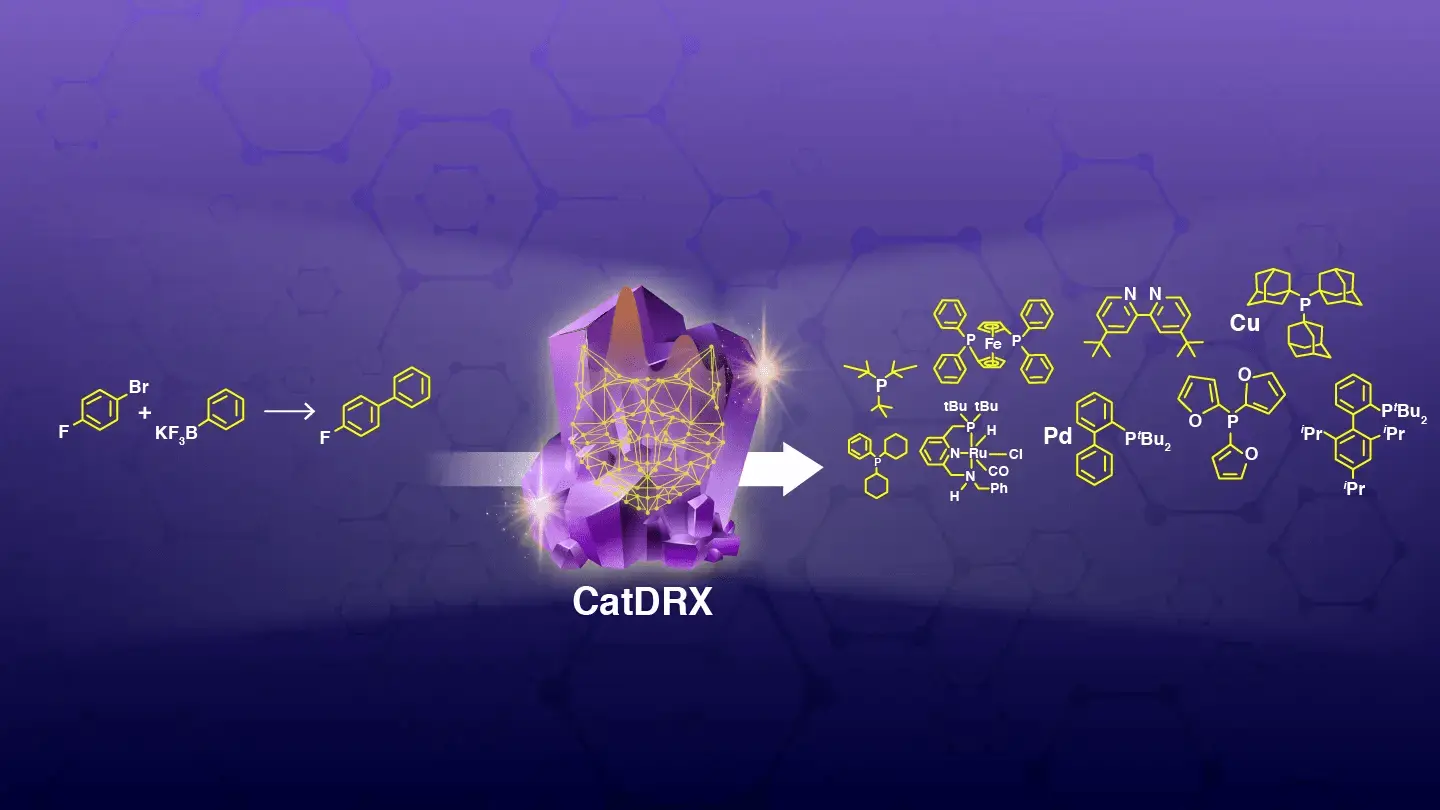
CatDRX: a novel AI model for discovery of chemical catalysts
CatDRX is a generative AI framework developed at Institute of Science Tokyo, which enables the design of new chemical catalysts based on the specific chemical reactions in which they are used. The model learns from large reaction datasets and predicts how well a catalyst will perform, while also proposing new catalyst structures. Validated across various reaction types, CatDRX offers a promising strategy to accelerate catalyst discovery for a wide range of chemical and industrial processes.
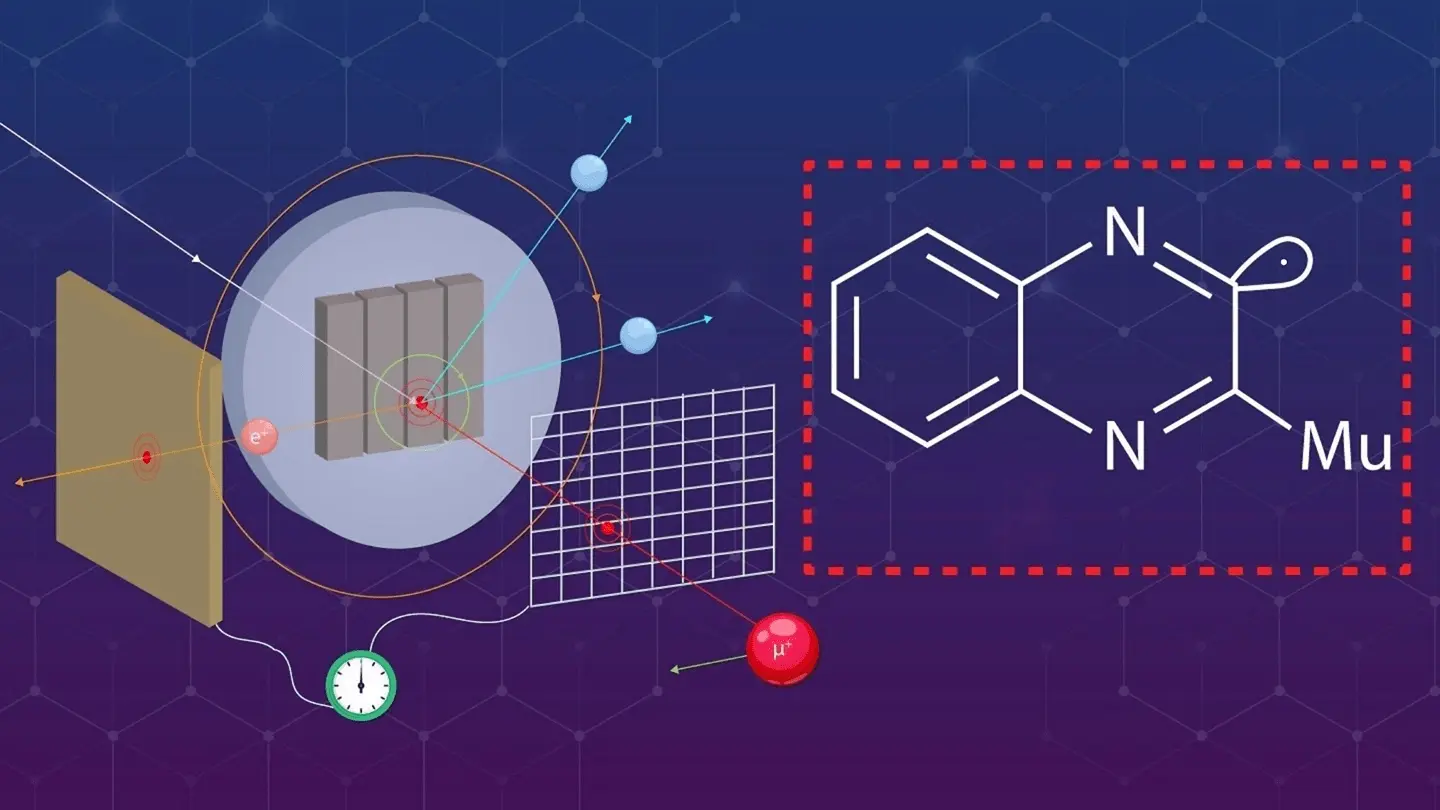
Catching a radical in motion with μSR spectroscopy
Using muon spin rotation spectroscopy, researchers from Japan and Canada successfully captured the rapid conversion of an imidoyl radical into a quinoxalinyl radical occurring within nanoseconds. The technique enabled real time detection of a highly reactive aromatic heterocyclic radical generated during the isocyanide insertion reaction, using muonium as a molecular tracker. The discovery is expected to advance particle-driven radical chemistry—exploring functional properties and offering new strategies for molecular transformation reactions.
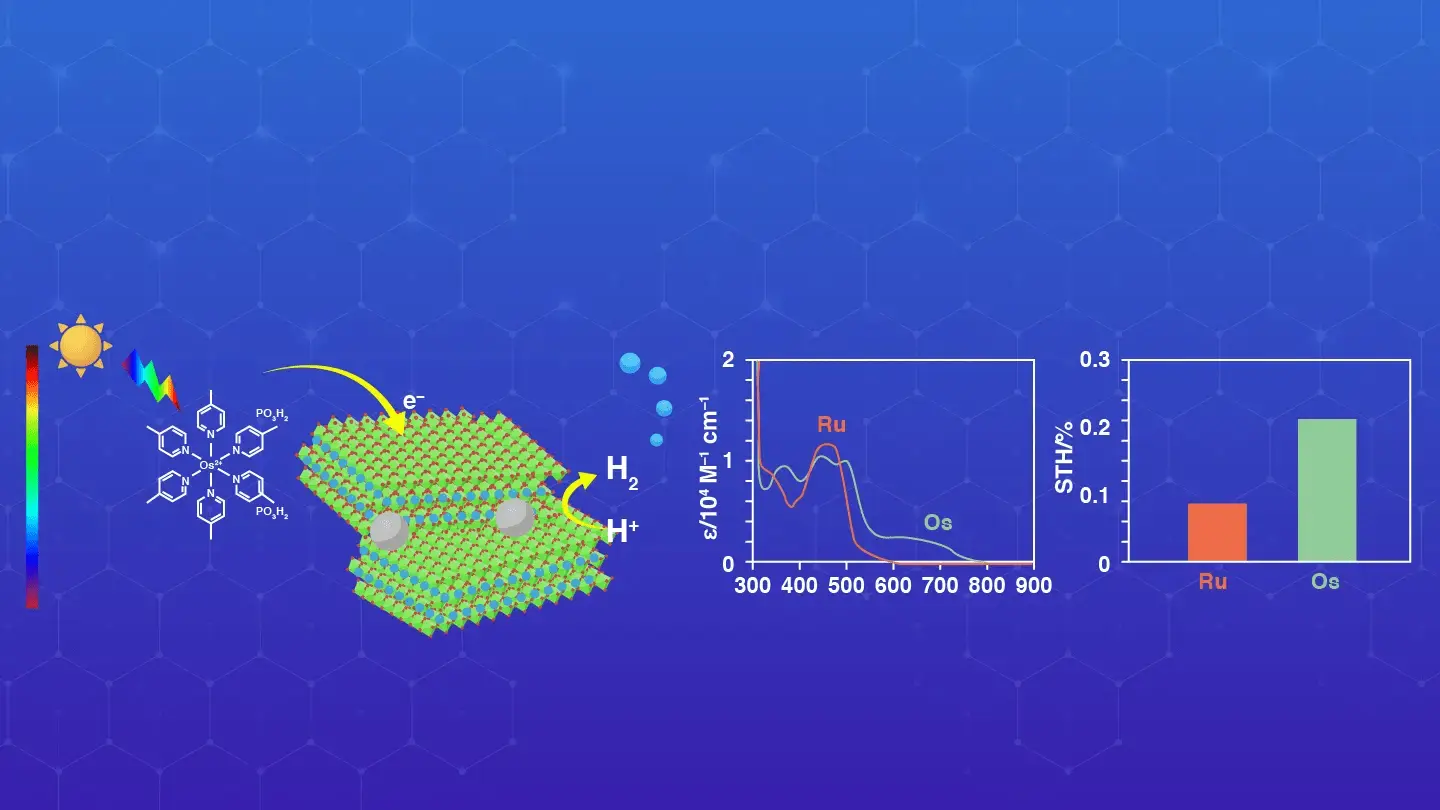
Harnessing long-wavelength light for sustainable hydrogen production
A novel dye-sensitized photocatalyst developed at Science Tokyo enables the capture of long-wavelength visible light for efficient hydrogen conversion, surpassing conventional photocatalysts. By replacing the metal center of traditional complexes with osmium, the researchers achieved a photocatalyst that can absorb light with wavelengths beyond 600 nanometers. This shift in the absorption profile enables the system to harvest a broader range of the solar spectrum to enhance hydrogen-evolution performance.
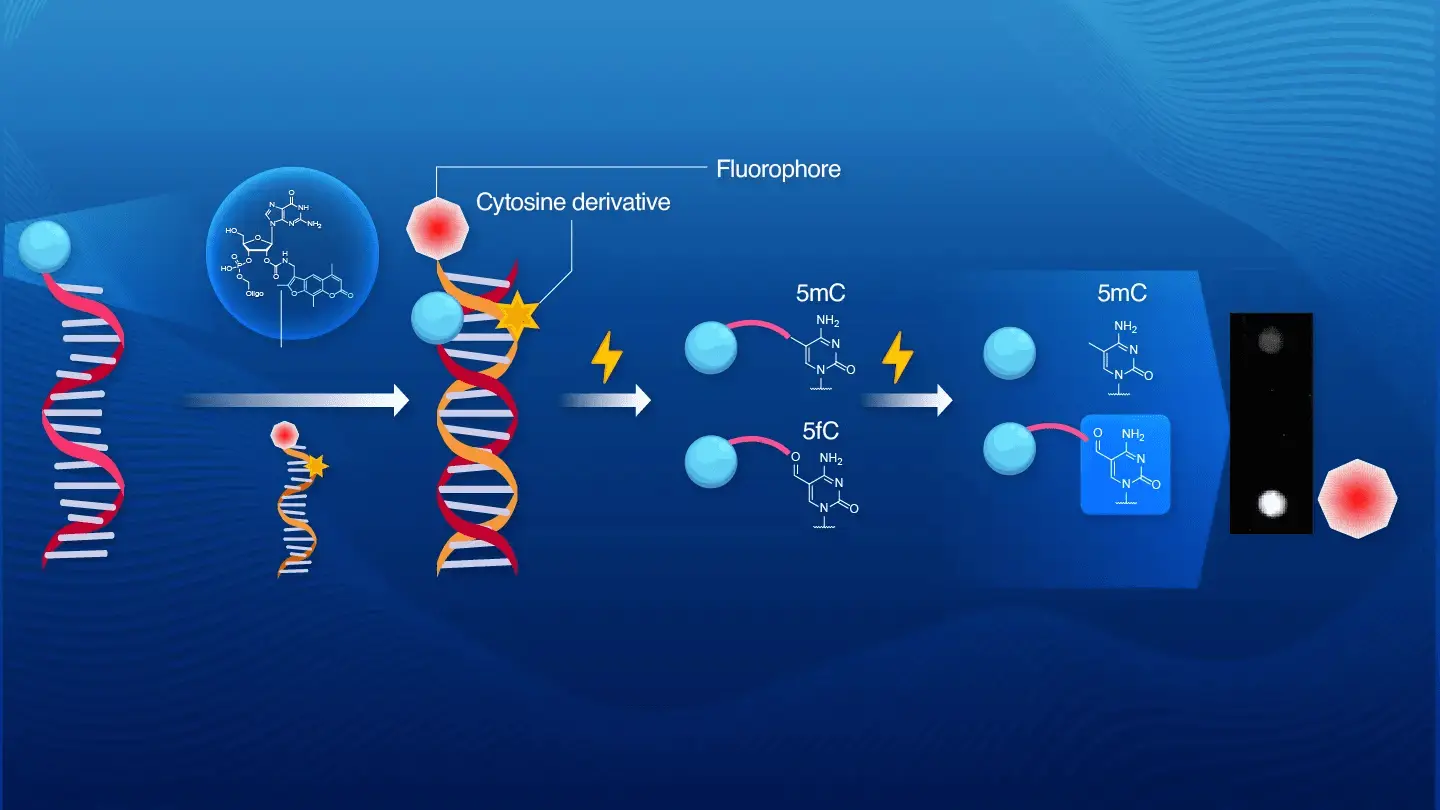
Novel photoreactive probe enables sensitive detection of epigenetic intermediates
Epigenetic modifications such as DNA methylation play a key role in regulating gene expression. Emerging evidence suggests that intermediates generated during DNA demethylation may have distinct biological roles. However, their detection remains challenging due to their low abundance. Now, researchers from Japan have developed a novel light-sensitive oligonucleotide probe that selectively crosslinks with 5-formylcytosine, an epigenetically important intermediate, enabling its detection in target DNA and complex biological samples.
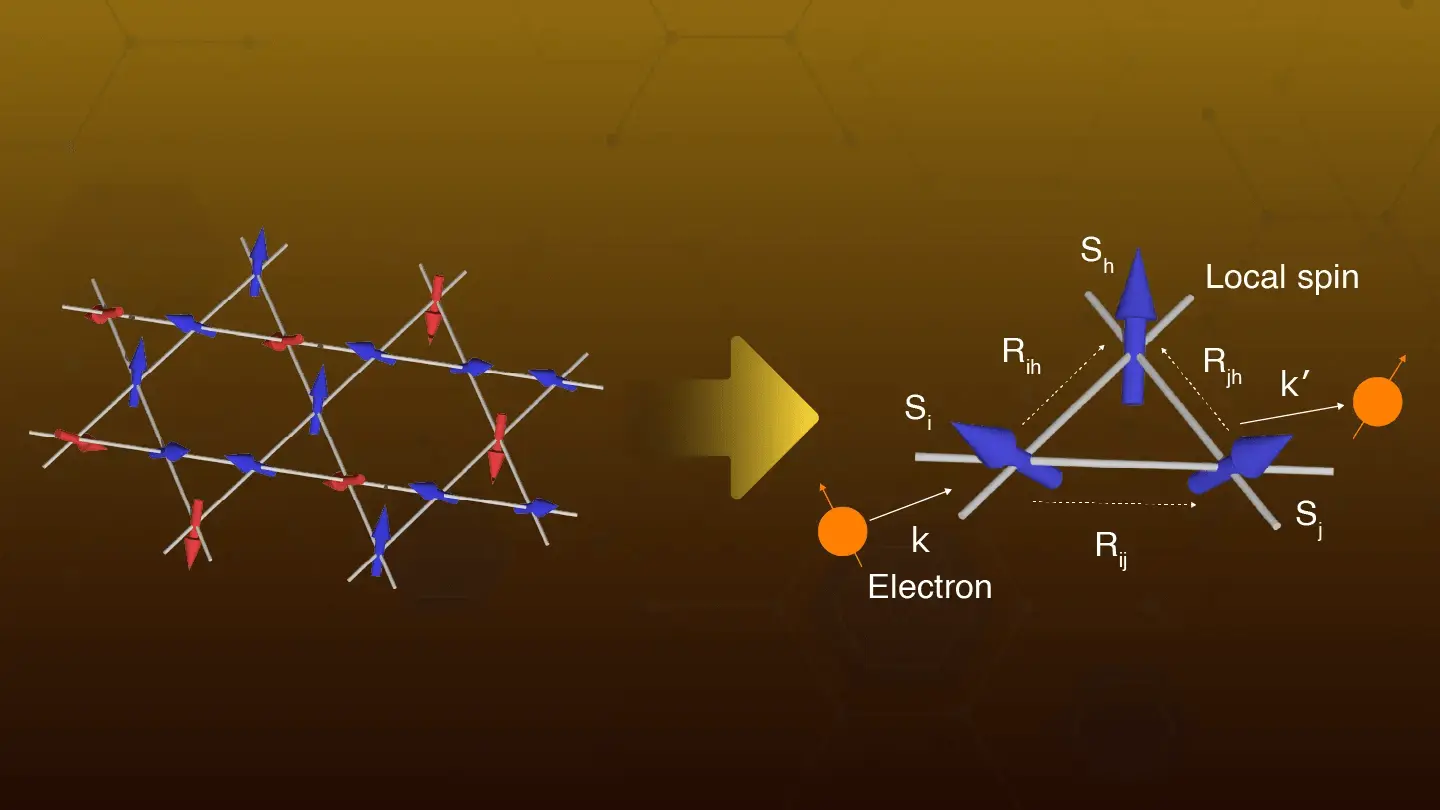
Understanding unusual chirality-driven anomalous Hall effect via scattering theory
A new framework for understanding the non-monotonic temperature dependence and sign reversal of the chirality-related anomalous Hall effect in highly conductive metals has been developed by scientists at Science Tokyo. This framework provides a clear picture of the unusual temperature dependence of chirality-driven transport phenomena, forming a foundation for the rational design of next-generation spintronic devices and magnetic quantum materials.
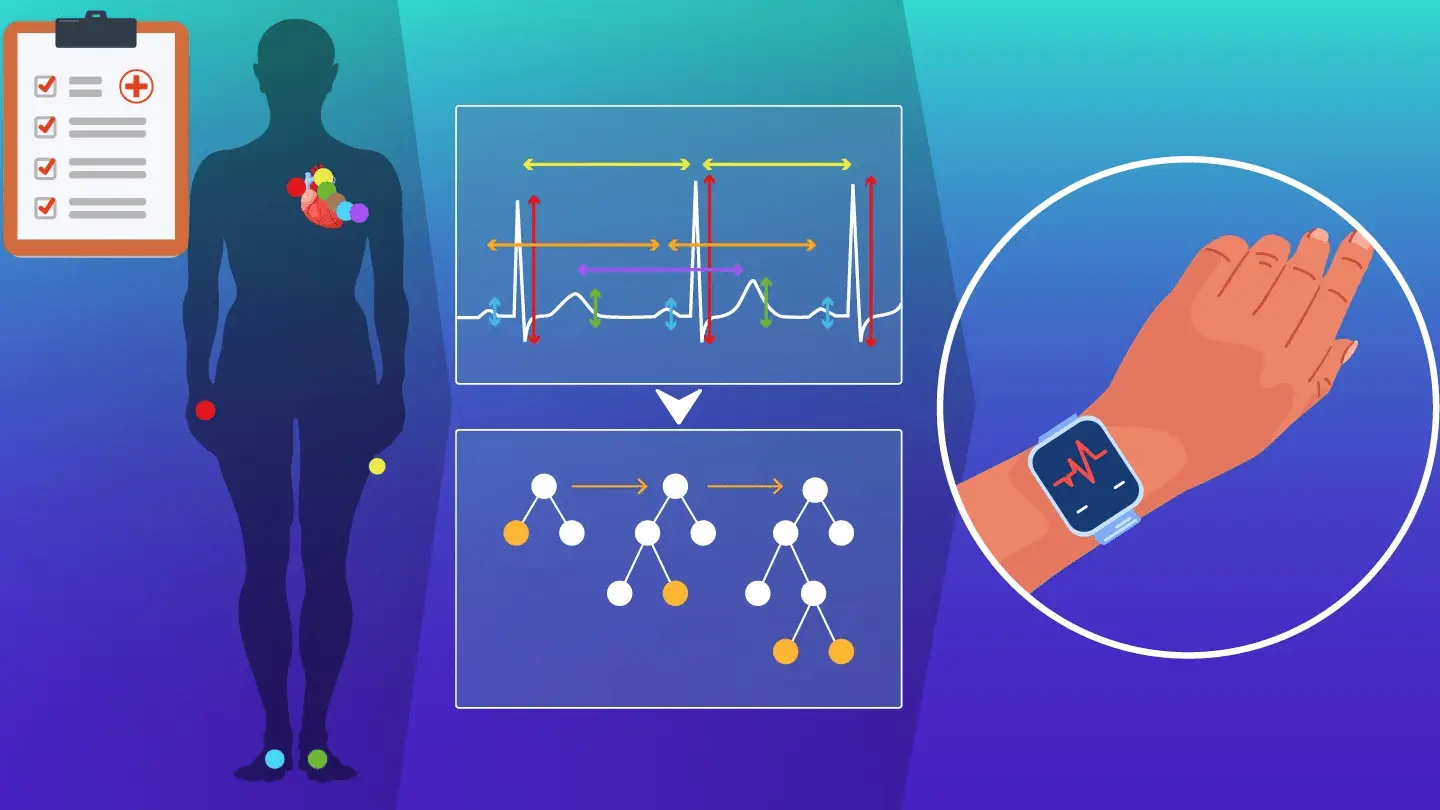
DiaCardia: scalable and accessible ECG-based prediabetes screening, anytime, anywhere
DiaCardia, a novel artificial intelligence model that can accurately identify individuals with prediabetes using either 12-lead or single-lead electrocardiogram (ECG) data, has been recently developed. This breakthrough holds promise for future home-based prediabetes screening using consumer wearable devices, without requiring invasive blood tests. This study emphasizes the utility of the ECG as a powerful biomarker and highlights that the innovative AI model can contribute to the prevention of diabetes.
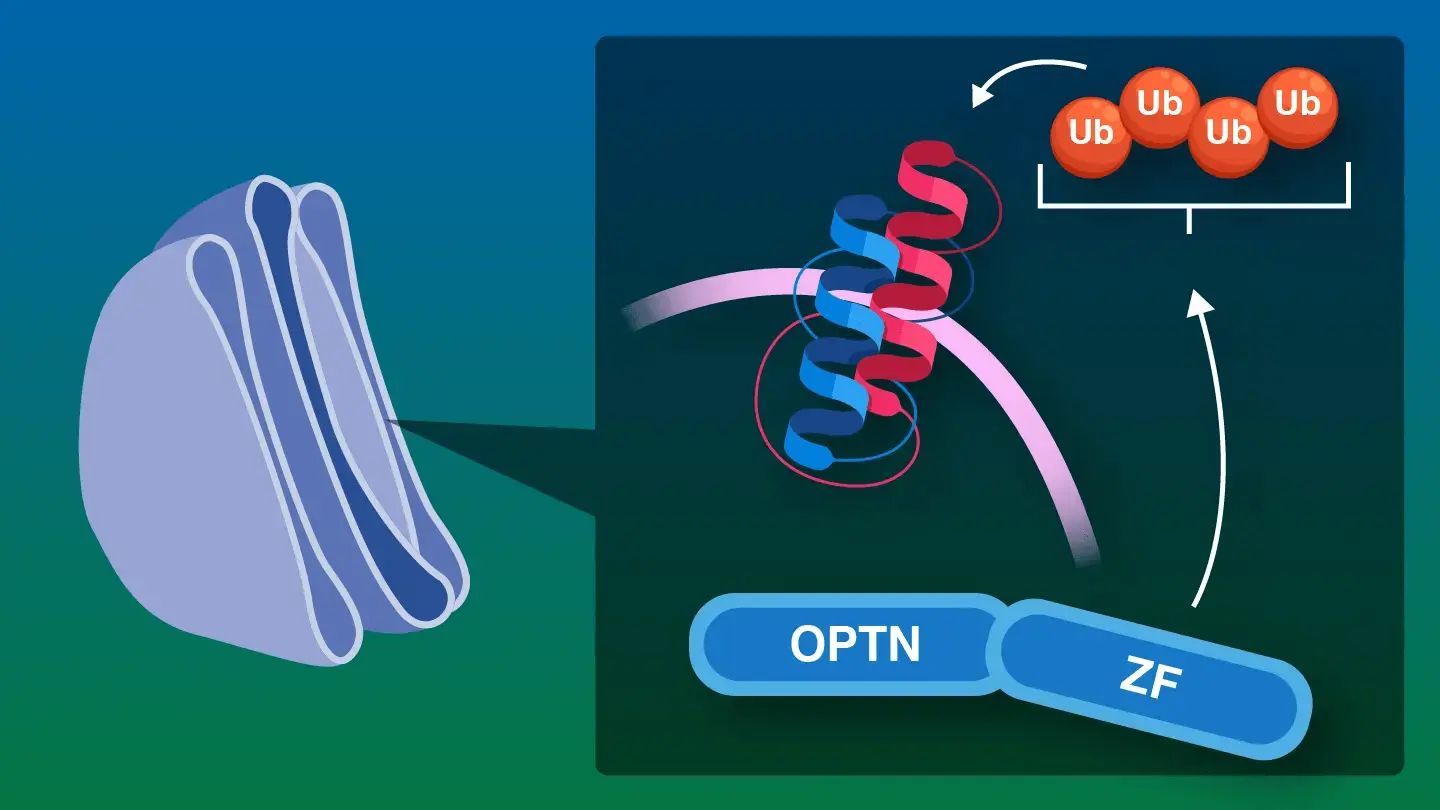
How cells stay healthy: new insights into a selective protein cleanup system
A selective protein degradation system known as Golgi membrane-associated degradation (GOMED), which identifies and removes unwanted proteins, has been delineated by researchers at Science Tokyo. This system works by tagging problematic proteins with a "molecular label" called K33-linked ubiquitin and using an adaptor protein, optineurin (OPTN), to guide them to GOMED structures for breakdown. These findings improve our understanding of cellular self-cleanup processes and may help in developing new treatments for neurodegenerative diseases.
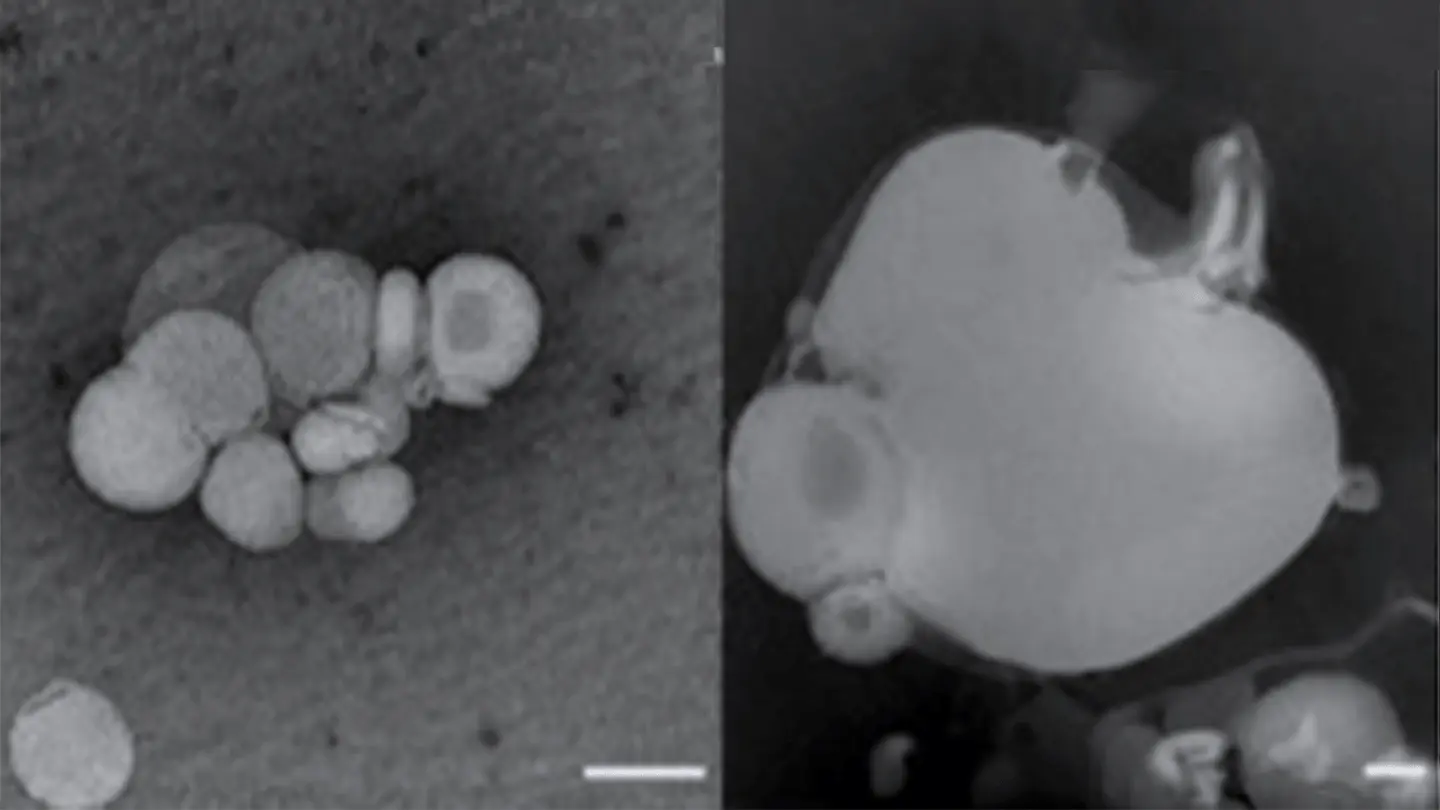
How early cell membranes may have shaped the origins of life
The study shows that simple differences in membrane chemistry helped primitive cells grow, fuse, and keep genetic material together suggesting that physical properties guided life before genes did.
An unexpected link between two phenomena, hidden in spin glasses
For decades, researchers believed two phenomena were completely separate mysteries. Discovering that they are actually two sides of the same coin—and uncovering that connection through mathematics—was an unforgettable moment of excitement.