Determination of Visionary Initiative (VI) leaders
Toward a better, brighter future
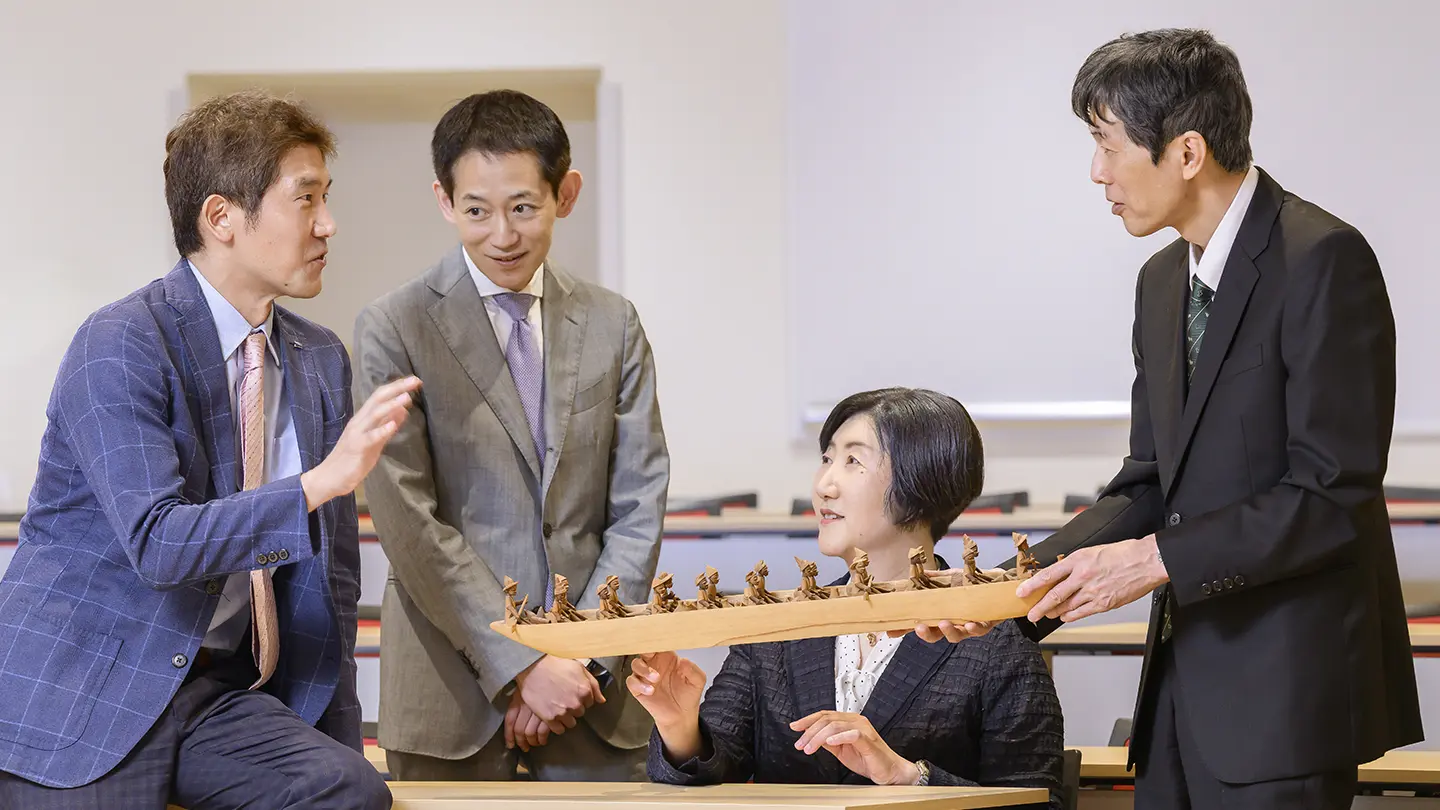
Institute of Science Tokyo (Science Tokyo) is taking on the challenge of realizing a better, brighter future. At the core of this challenge lies the Institute's Visionary Initiatives (VIs). A discussion was held with the three Program Directors (PDs) leading the VIs, together with Executive Vice President Tetsushi Furukawa. They talked about Science Tokyo's responsibilities and potential, exploring topics such as integration, social implementation, co-creation, ethics, and coexistence with nature.
Why is now the time to envision the future?
Furukawa The VIs were originally developed from Science Tokyo’s aspiration for what kind of university it wants to become. Both the former Tokyo Medical and Dental University (TMDU) and the former Tokyo Institute of Technology (Tokyo Tech) were founded on the principle of practical learning. When these two universities merged to form Science Tokyo, the community aspired to create a university that could bring positive change to society. To achieve this, the Institute created a vision for the future and designed a framework for advancing research and education toward that vision.
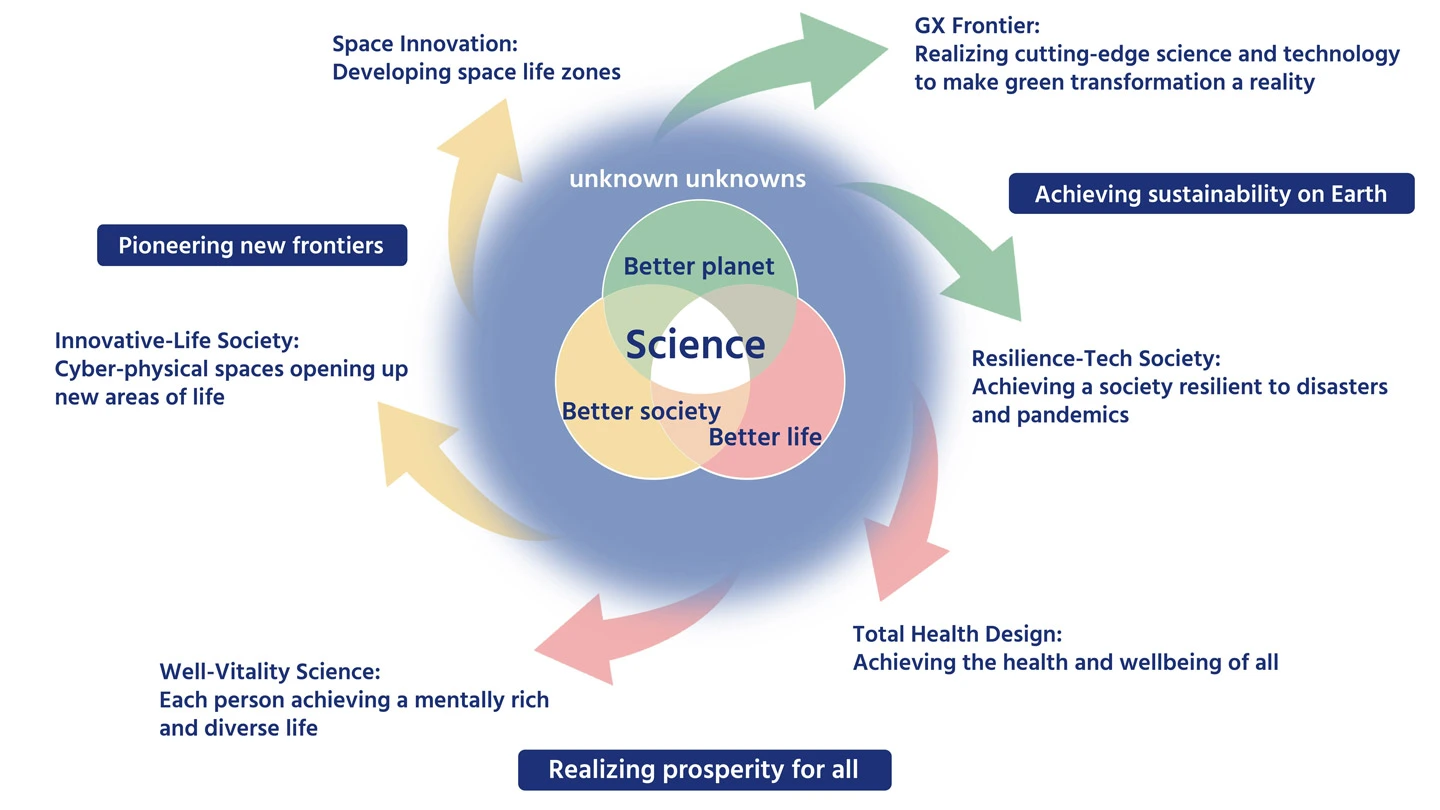
The key concepts of this vision are the three pillars of Better Life, Better Society, and Better Planet. A "better life" refers to realizing prosperity for all. A "better society" represents pioneering new frontiers, while a "better planet" envisions achieving sustainability on Earth. Two VIs have been established under each of these pillars. The professors gathered here today are the Program Directors (PDs) responsible for the first set of VIs established under these pillars.
Total Health Design, which envisions a better life, refers to achieving the health and wellbeing of all. The former TMDU originally promoted the concept of Total Healthcare, but the new term Total Health Design goes beyond care to include the idea of designing one's life. Professor Fumihiko Ishikawa serves as the PD for this Visionary Initiative.
Innovative-Life Society, which aims for a better society, refers to cyber-physical spaces opening up new areas of life. As technologies such as AI continue to bring major changes to society, various activities are now taking place in cyberspace as well. Therefore, with the aim of using the power of science to realize innovative living spaces through AI, robotics, and smart cities, Science Tokyo asked Professor Kei Sakaguchi to serve as the Innovative-Life Society PD.
GX (Green Transformation) Frontier envisions a better planet, and refers to realizing cutting-edge science and technology to make green transformation a reality. Needless to say, environmental issues such as global warming have reached a critical stage. Accordingly, Science Tokyo asked Professor Mika Goto, who possesses extensive knowledge in this field, to serve as the GX Frontier PD.
To begin our discussion, I would like to ask each of you to share your experiences so far, how you felt when you were appointed as a PD, and your honest thoughts about the VIs.
Ishikawa My activities are normally based on Yushima Campus. My specialty is hematology. I have been engaged in both clinical practice and research with a strong desire to help patients, particularly those with leukemia. When I first heard about the PD position, I was deeply impressed by the VIs concept rather than thinking about what I might personally accomplish within the project. I honestly felt a sincere desire to contribute to the best of my ability. It has not been that long since I joined the former TMDU, so I am very grateful to have been appointed as a PD. Science Tokyo is home to a wide range of fields, and to be honest, I feel that connecting these fields and bridging generations is no easy task. I believe that the desire to care for the sick and help those who are suffering does not stem solely from being a doctor or engaging in medical research, but rather from an innate conscience that resonates naturally among all people. If we keep this conscience in mind and bring our respective professional acumen and pride to the table, I am certain we can build meaningful VIs.
The university merger took place in October 2024. At that time, many faculty and staff members, including myself, were at a loss as to how to collaborate with people from different fields. That is when the VIs were launched. I am optimistic that if everyone can naturally come together around these VIs, we will certainly be able to realize a truly remarkable vision.
Sakaguchi My original specialty was communications. Communications are meaningless unless they are implemented in society, so social implementation itself has been the focus of my research. I began my work around 2000, and the first project I was involved in was what is now known as 4G and LTE. At the time, the ultimate goal was to bring joy to people through communication. I believe we succeeded in achieving social implementation that spread widely and brought happiness to many people. However, in the communications industry, research and development typically start with a small team of around one hundred people. I experienced firsthand that once the foundation is established, latecomers can quickly overtake the original developers. When the time came to develop 5G, I felt a strong desire not only to generate ideas but also to be directly involved in the international standardization process. With that goal in mind, I left Japan and moved my research base to Germany. This move gave me the opportunity to participate in international standardization, and today 5G accounts for several tens of percent of the global market share. I was personally very satisfied with that outcome.
Around that time, I was told by the former Tokyo Tech to return to Japan and think carefully about what I wanted to do next. I felt that I wanted to work on technology that went beyond what was then known as IoT and DX, so I declared that I would build a cyber-physical system. This became the prototype of what we eventually named a Super Smart Society. At about the same time, there was a call for applications for the Doctoral Program for World-leading Innovative & Smart Education (WISE). With the goal of creating new teams in what we now call convergence science, we secured funding and gathered researchers from all graduate schools of the former Tokyo Tech, as well as researchers in Japan and overseas with whom the vision of a Super Smart Society resonated. In doing so, we built something quite close to what would later become the current VIs. That was in 2020. From there, AI began to advance rapidly, the concept of the digital twin emerged, and everything became connected through 5G, leading to a variety of fascinating applications. Executive Vice President Kotaro Inoue of the former Tokyo Tech was keenly aware of this trend. Since the WISE Program was limited in duration, I had assumed my activities would end when the program concluded. However, Inoue proposed taking a top-down, vision-driven approach rather than a bottom-up one. He suggested that Tokyo Tech should focus on convergence science and interdisciplinary integration rather than individual disciplines, and that this would be its strength. I immediately agreed with his idea.
From my personal perspective, I feel that the original Super Smart Society concept was slightly refined and reworked through collaboration to fit the entire university and resonate with all faculty members. At first, my biggest concern was whether the entire university would really warm to the idea. However, so far, I am glad to see that everyone seems to be on the same page.
When we created the VIs, I had initially decided to work behind the scenes, but for some reason, I was appointed as a PD.
Goto I specialize in energy economics. My original field of study was economics. I began working at the former Tokyo Tech in 2014. Before that, I had worked at a private electricity research institute, where I conducted institutional research on overseas electricity markets that were leading in deregulation at the time and analyzed the economies of scale and scope of energy companies. After moving to Tokyo Tech, I spent a considerable amount of time learning about the completely different university organization and its education and research methods. Until then, I had been asked to teach one-off classes and intensive lectures, but I had never taught a series of lectures that constituted a credit. Initially, I struggled to become accustomed to the new university environment, and time seemed to pass so quickly. I was extremely fortunate to have so many professors reach out to me about my research during that time. The former Tokyo Tech conducted a wide range of research in various fields, from fundamentals to applications, and from hardware to software. However, economics was a minor field, so I was very happy to have so many research opportunities and to receive invitations for collaboration. Through conversations with the professors whom I met that way, I gained a great deal of inspiration for my research. I worked while reflecting on the position and contribution of my own research within the field of science and engineering.
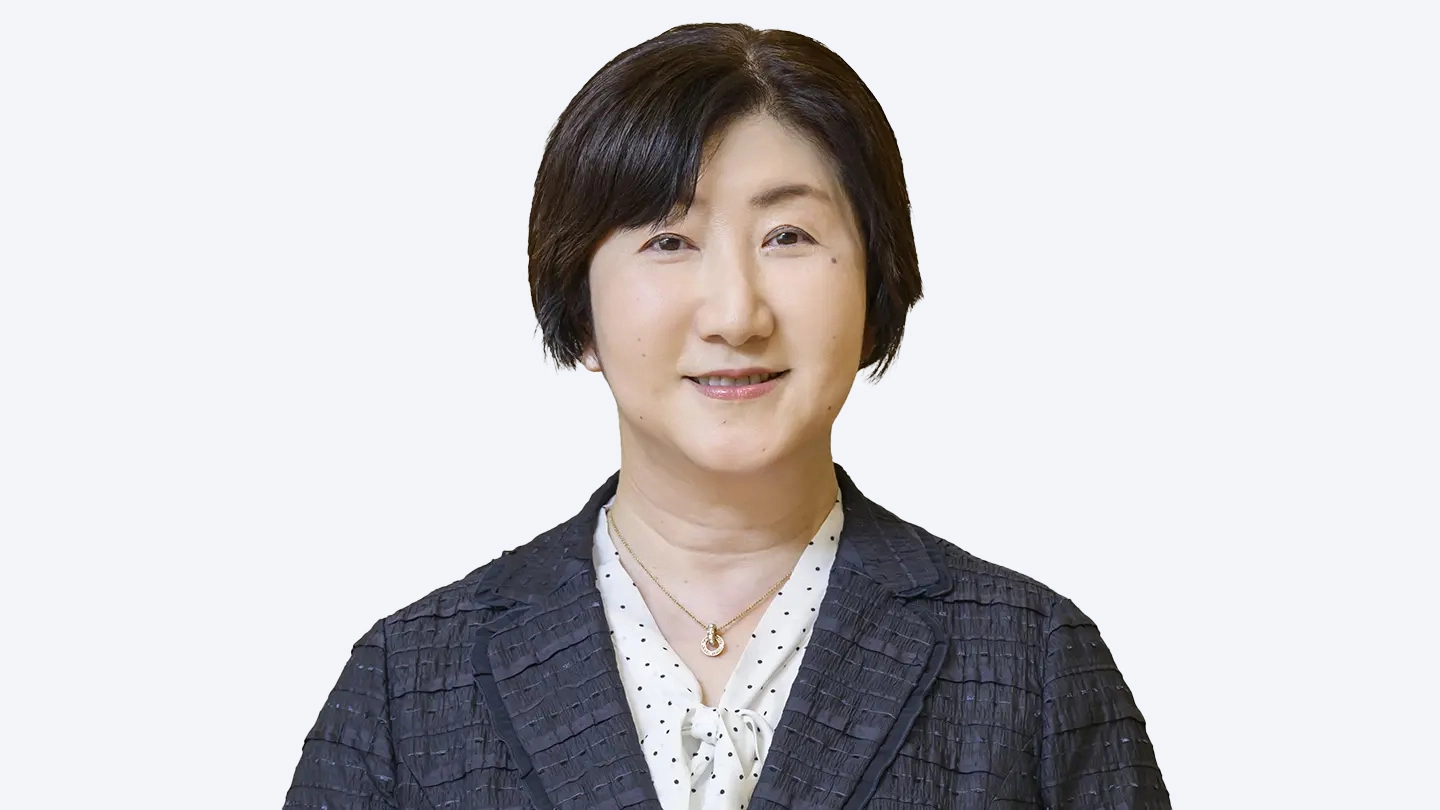
Even so, I was truly surprised when I was first approached about the PD position. Honestly, my first thought was whether I could handle such an important responsibility. However, I received many words of encouragement, and realizing that the decision to appoint me had been made after much consideration, I decided to accept the position.
In the past, I was not particularly conscious of interdisciplinary research. Even so, due to the nature of my research environment, I often worked alongside engineering researchers despite my background in economics. Also, I was not engaged in theoretical economics; rather, my field incorporated elements of business management. Over the past 10 to 20 years, my primary interest has been in how to incorporate environmental factors into the market economy. So, while my research could be described positively as an interdisciplinary field, I always felt somewhat uneasy, as if I did not truly belong anywhere. From an economics perspective, economic rationality is important. For a company, making a profit and running a sustainable business are essential prerequisites. Within this context, many of the benefits we receive from nature and the environment exist outside of theoretical frameworks and have not been converted into value. However, these benefits are not without value. They can, in fact, be converted into value in the form of market prices or taxes. I am continuing my research to incorporate factors such as the value of clean air, the cost of CO₂ emissions, and measures of affluence and happiness into evaluation systems.
In the GX Frontier VI, we place high expectations on the connections and collective strength of researchers working on energy, the environment, and a sustainable planet. My first goal is to create opportunities within VIs for mutual work exchange among researchers. We just had our kick-off meeting the other day, and I was very encouraged by the fact that everyone shares a common vision. Sharing and embedding a vision within an organization is very important, and it is not something that can be achieved overnight. Nevertheless, I strongly feel the importance of setting a vision within the VI and approaching it through diverse fields and methods.
Science Tokyo's Six Visionary Initiatives
The goal is to involve all researchers, mainly from the medical and dental sciences, and science and engineering, in the activities of one or more VIs by FY 2028.
Implementation that brings people, technology, society, and nature into harmony
Furukawa Professor Goto, as a PD, how are you applying service design and a human-centered perspective in relation to the GX Frontier topic of realizing cutting-edge science and technology to make green transformation a reality?
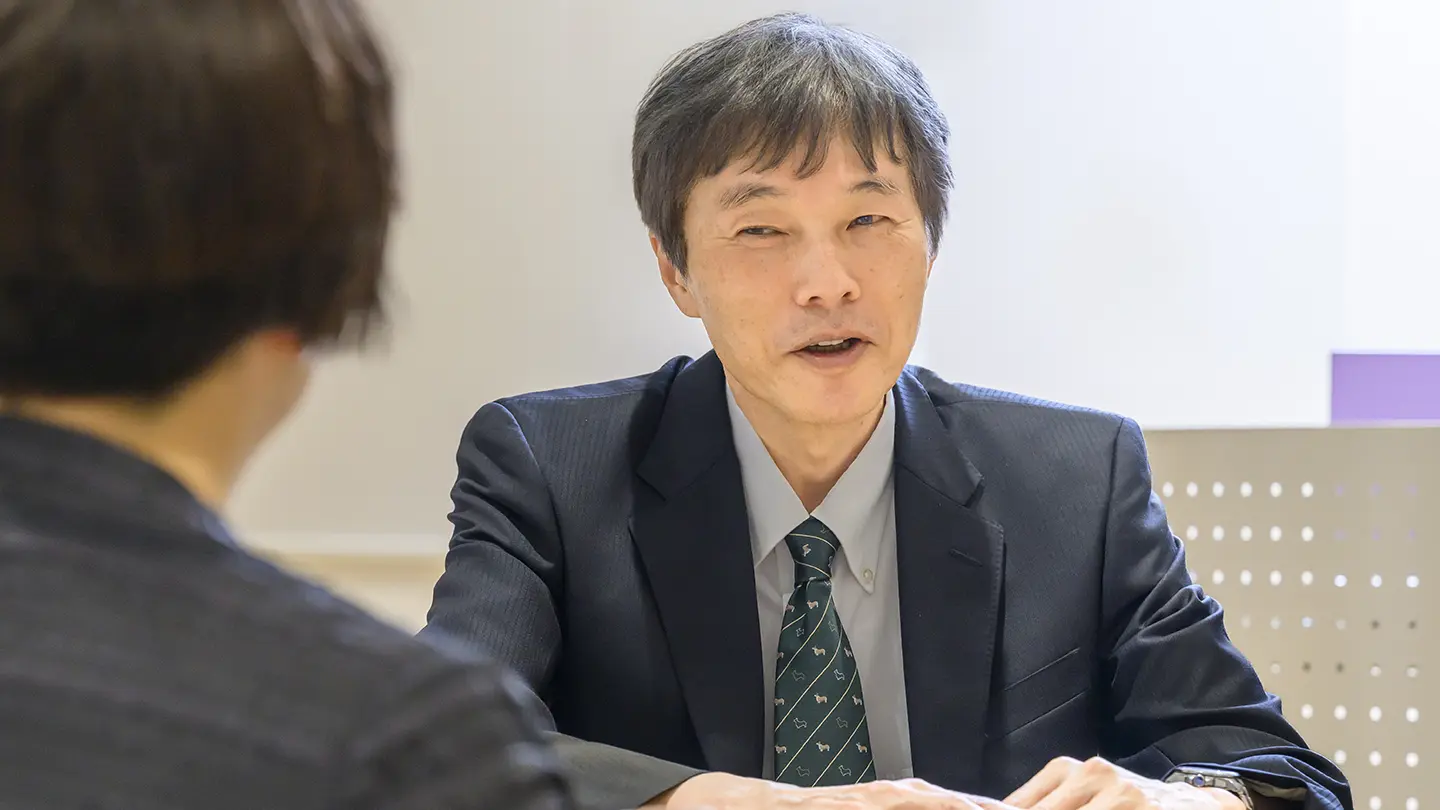
Goto When thinking of human-centered products and services today, we often associate them with AI. While it is wonderful that technology has made so many aspects of life more convenient, I believe that, in the end, it is people who matter most. This is a universal value.
Furukawa Professor Sakaguchi, could you tell us about the central topic of the Innovative-Life Society VI?
Sakaguchi Our core technologies are in the fields of electrical and information engineering, namely sensing, communications, computation, and AI. The question is how to apply these core technologies to solving societal issues. In addition to technology, it is essential to engage directly with work being done on the frontlines. When it comes to social implementation, I believe that the most important thing is talking with frontline workers and sometimes having meals together. For example, we have created an agriculture channel on Slack, and I have visited fishermen to explain how our fish catch forecast system works. Once we have acquired a technology, the key to success is to build connections with people through face-to-face interaction.
What is human-centered science? — The reality and responsibility of social implementation
Furukawa Professor Sakaguchi, what are your thoughts on ethical issues in social implementation?
Sakaguchi To be honest, I was not particularly conscious of ethical issues at first. However, I gradually began to pay more attention after receiving many comments about ethics. For example, in mobility digital twins, personal information is replaced with anonymized data such as features, thereby protecting privacy while also reducing the data processing load. Technical ingenuity can ultimately lead to ethical responses.
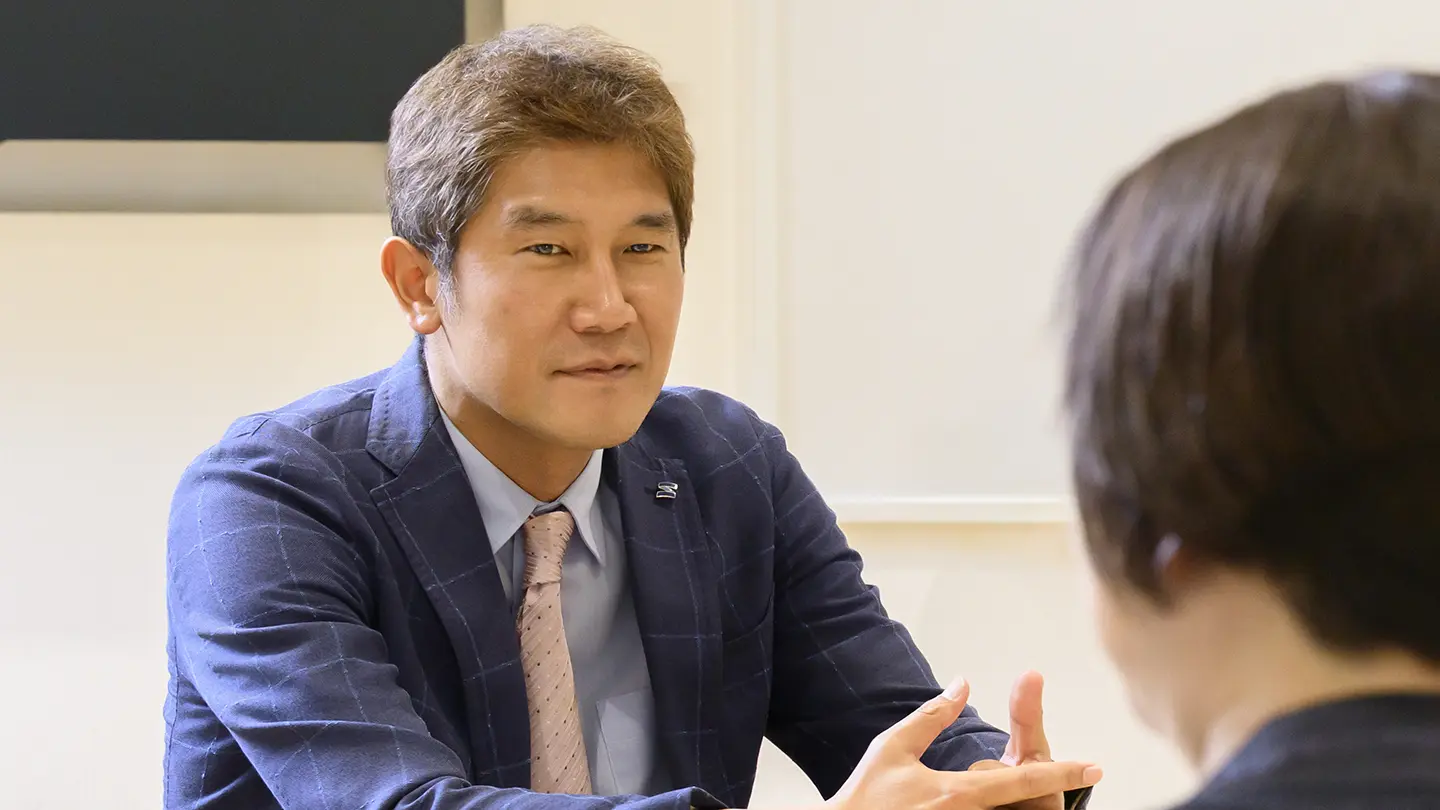
Furukawa Professor Goto, what are your thoughts on social implementation design in the areas of climate change and new energy development?
Goto Having proven and reliable technology is a necessary condition, but that alone is not sufficient for widespread adoption. The user perspective and social acceptability are also crucial. A careful process is essential — one that involves identifying and correcting issues through repeated interactions with policymakers and users of products and services.
Furukawa Professor Ishikawa, how do you think society will benefit from the utilization of the medical information and data infrastructure that you are promoting?
Ishikawa There are many health-conscious people in Japan. However, the reality is that people's levels of health awareness vary, and there are also people who cannot access medical care due to lifestyle or social reasons, such as being too busy. That is why I am working to integrate knowledge and technology from fields such as medicine, engineering, and science to support people's health, detect subtle signs of illness in everyday life, and help prevent the onset of disease.
Science that supports a symbiotic society
Furukawa Professor Goto, what are your thoughts on service design in building a nature-positive society?
Goto Recently, I have become very interested in biodiversity. It seems that climate change is causing wild animals to appear in urban areas more frequently. I believe that we need to make creative use of technology to develop systems that allow humans and wild animals to coexist comfortably.
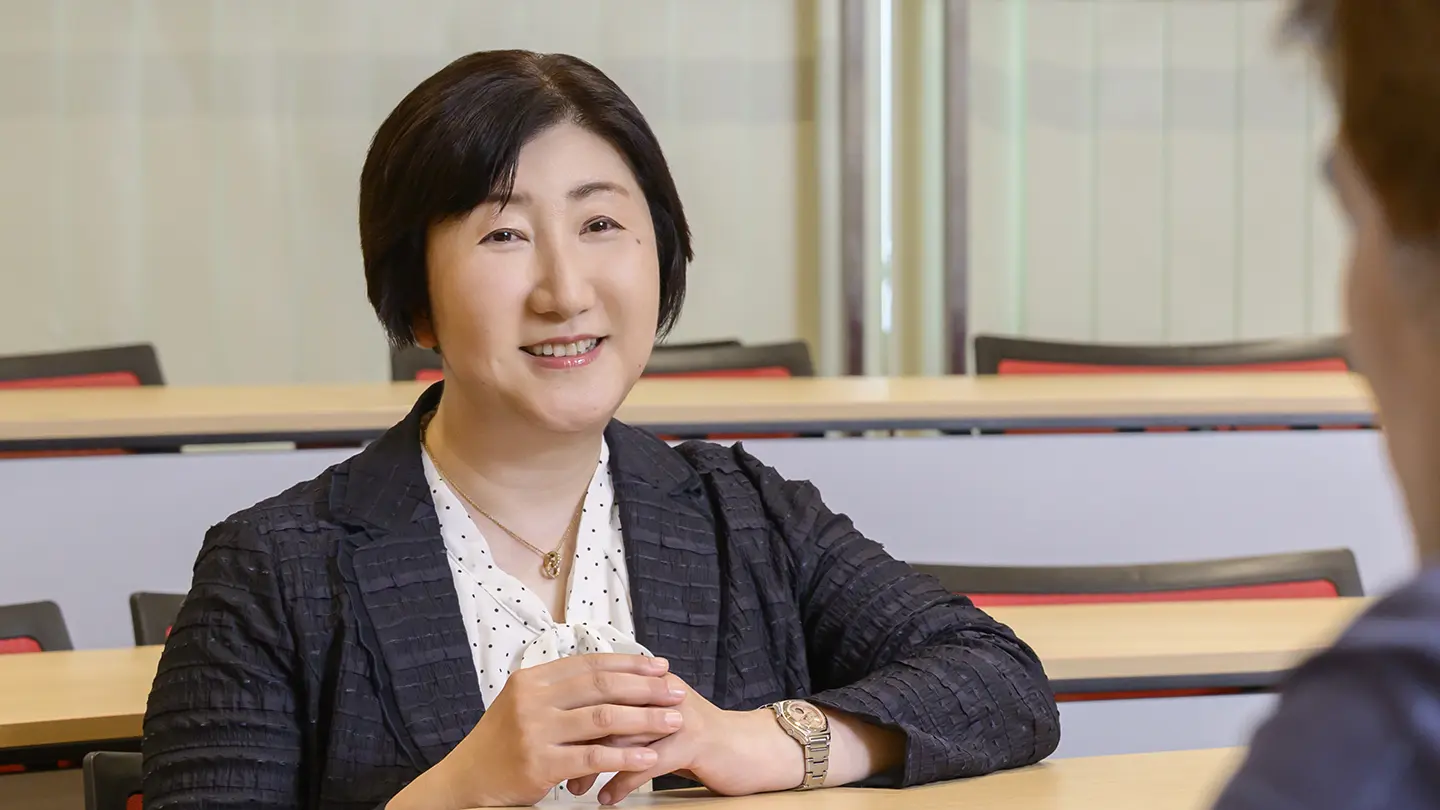
Sakaguchi Historically, Homo sapiens have always worked to reduce diversity. Now is the time to acknowledge this aversion to diversity and make a change. At Suzukakedai Campus, we are conducting research to measure the diversity of soil microorganisms through agriculture. This diversity could be directly linked to the delicious flavor of vegetables, and it is a field that has yet to be explored by scientists.
Goto That is a good point. Serious commitment to organic farming is highly time-consuming. If technology can compensate for that effort, it would present a great opportunity.
Furukawa Professor Ishikawa, what is the future vision of medicine and society that you most want to realize in relation to your VI topic?
Ishikawa Medicine has supported people's health and saved many lives. However, it is also true that there are still lives that cannot be saved. I am determined to share across disciplines the spirit of saving even more lives and to make that vision a reality. Supporting healthcare and medical science around the world is a vital core of the VI philosophy. I see the launch of the VIs as an opportunity to once again reexamine the ideals we should pursue.
A chain of excitement born from VI collaboration
Furukawa Do you have any plans for different VIs to connect with each other in the future?
Sakaguchi It is natural for the VIs to intersect at the stage of outcomes, and I believe that further integration will continue to advance in the future.
Goto Many researchers devote themselves wholeheartedly to topics that capture their interest, so I think it is best to have an environment without excessive management. Ideally, researchers should be able to conduct research freely and enjoyably while sharing a common vision. For example, I feel that curiosity about how AI can be applied to power systems could naturally lead to connections with other fields.
Ishikawa The foundational technologies for AI-related learning, as well as the basic sciences of medical statistics that support computation and data science, are being pursued both in Japan and overseas. However, connecting different VIs will give rise to numerous collaborations between clinical practice and research, which is one of Science Tokyo's unique strengths.
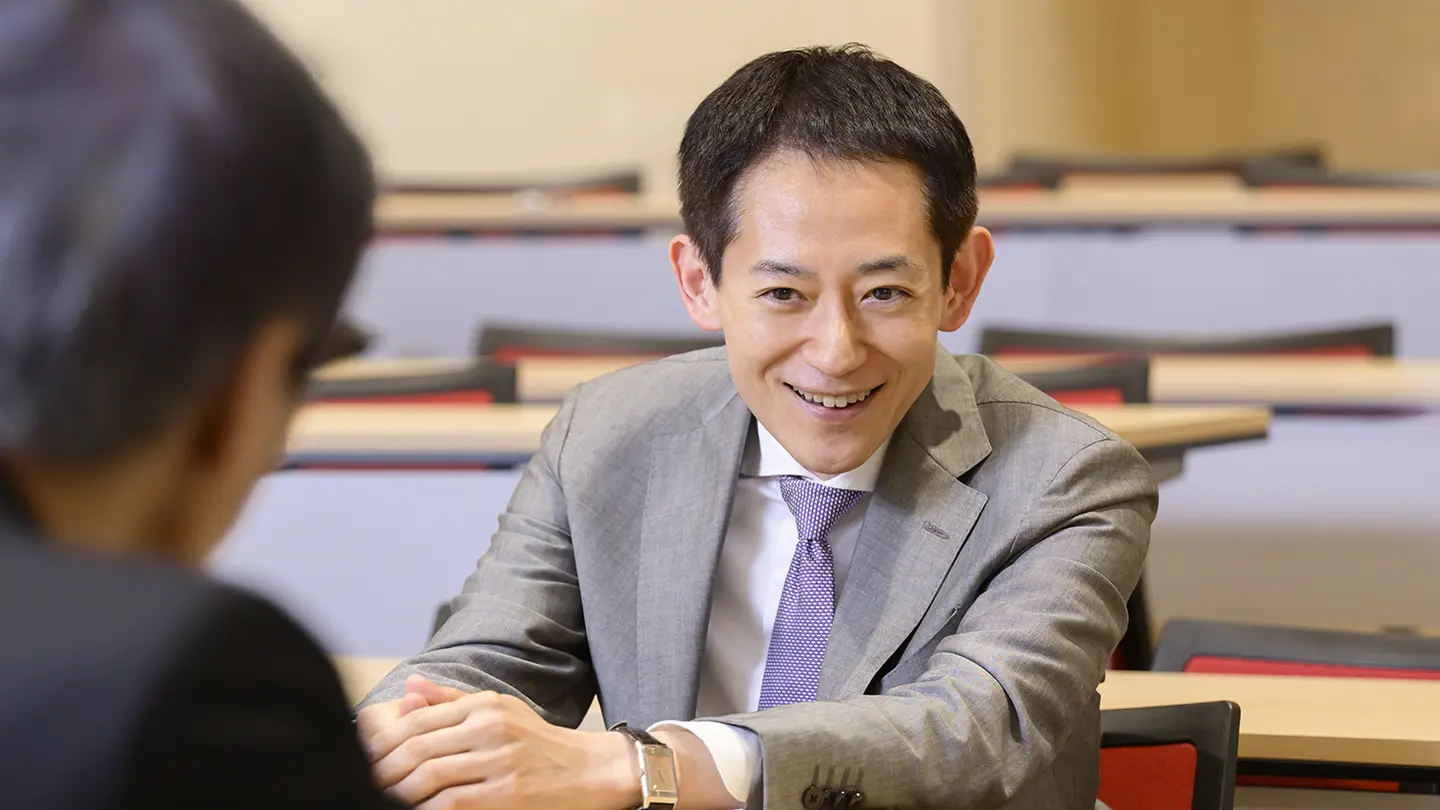
Furukawa I would like to thank all of you. In addition to your expertise, your ability to take a bird's-eye view of Science Tokyo as a whole is a major reason why you were selected to serve as PDs. Today was an opportunity for an in-depth discussion about the exciting Visionary Initiatives led by each of you. I hope that these initiatives will also have a positive impact on society, and that Science Tokyo will become a university that people find engaging and want to support. Let us aim for a future where society supports Science Tokyo because together we turn dreams and visions into reality.
Profile
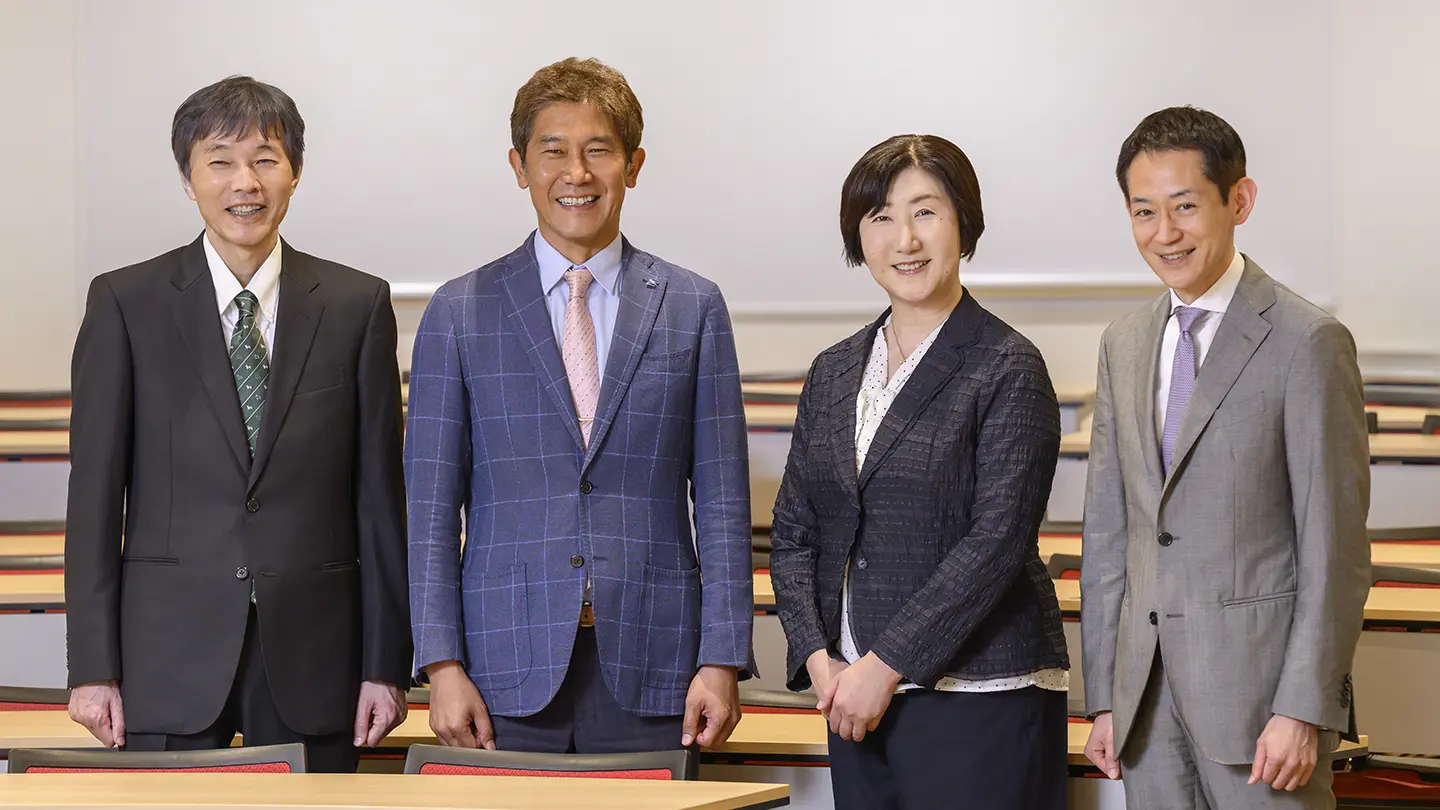
Tetsushi Furukawa
Executive Vice President for Institute Strategy
Executive Vice President for Research and Industry-Academia-Government Collaboration
Tetsushi Furukawa specializes in cardiovascular medicine. He promotes interdisciplinary research and plays a leading role in next-generation science education and social implementation.
Kei Sakaguchi
Vice President for Research Strategy and Planning
Dean of the Academy of Super Smart Society
Professor, School of Engineering
Kei Sakaguchi’s research area is wireless communication engineering. He serves as the Program Director for the Innovative-Life Society VI.
Mika Goto
Professor, School of Environment and Society
Mika Goto’s specialties are productivity and production efficiency analysis and energy economics. She serves as the Program Director of the GX (Green Transformation) Frontier VI.
Fumihiko Ishikawa
Professor, Department of Comprehensive Pathology
Fumihiko Ishikawa’s specialty is hematology, primarily elucidating the pathogenesis of leukemia and developing related treatments. He serves as the Program Director for the Total Health Design VI.
Related articles
Integrated Report 2025
In addition to financial data, the Integrated Report provides a comprehensive overview of Science Tokyo’s contributions to society, governance, and non-financial information for its stakeholders. The report describes the Institute’s education, research, social initiatives, and management strategies, while charting a course towards further progress.
Interview held on July 3, 2025
Update history
- This article was updated on February 3, 2026.
- This article was updated on December 25, 2025.