Science Tokyo Bulletin is an email newsletter introducing the Institute’s research, education, and students’ activities. The latest edition, "Science Tokyo Bulletin #5 — May 2026", has been published. To get the most recent news directly to your inbox, subscribe to Science Tokyo Bulletin outer now.
Highlights
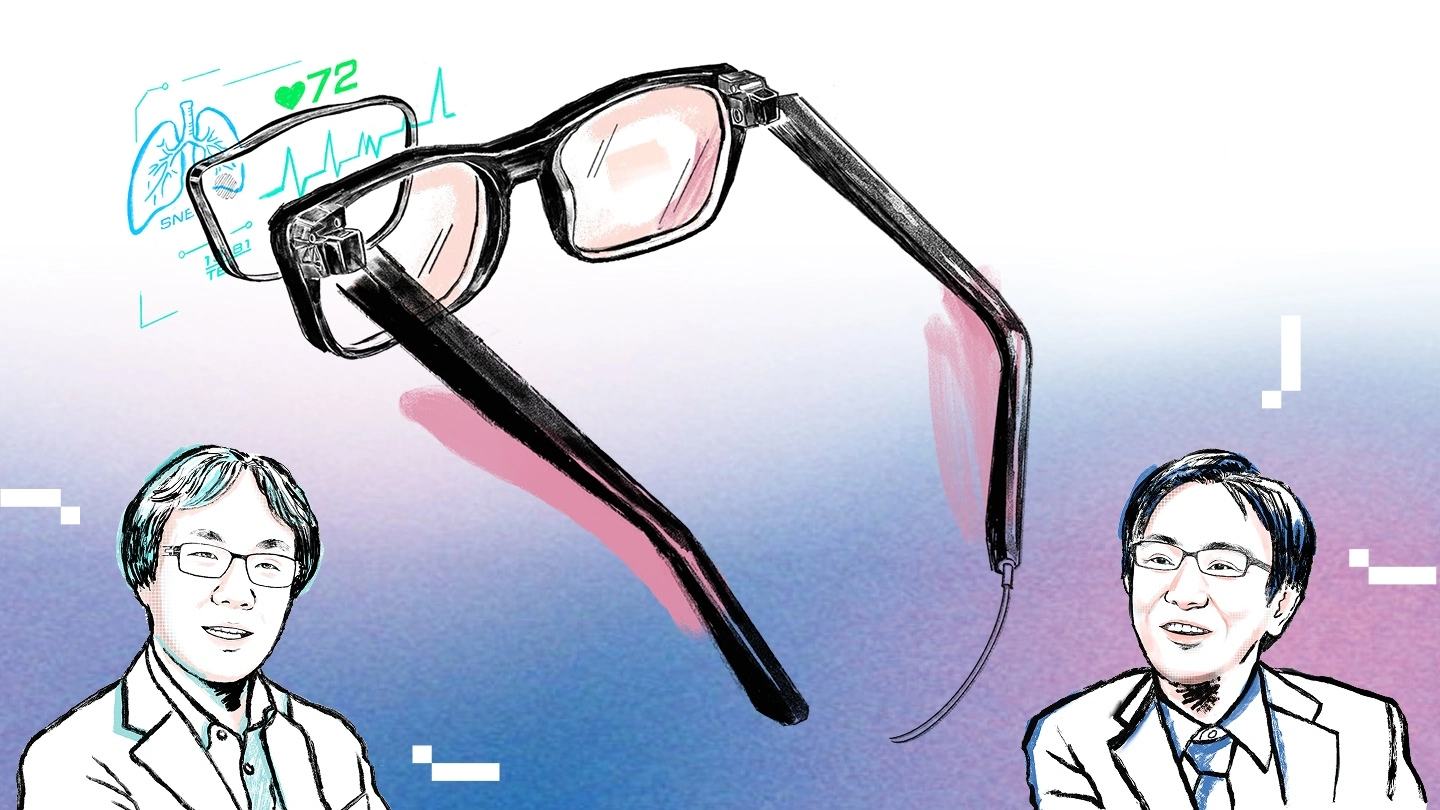
A look at medical AR glasses
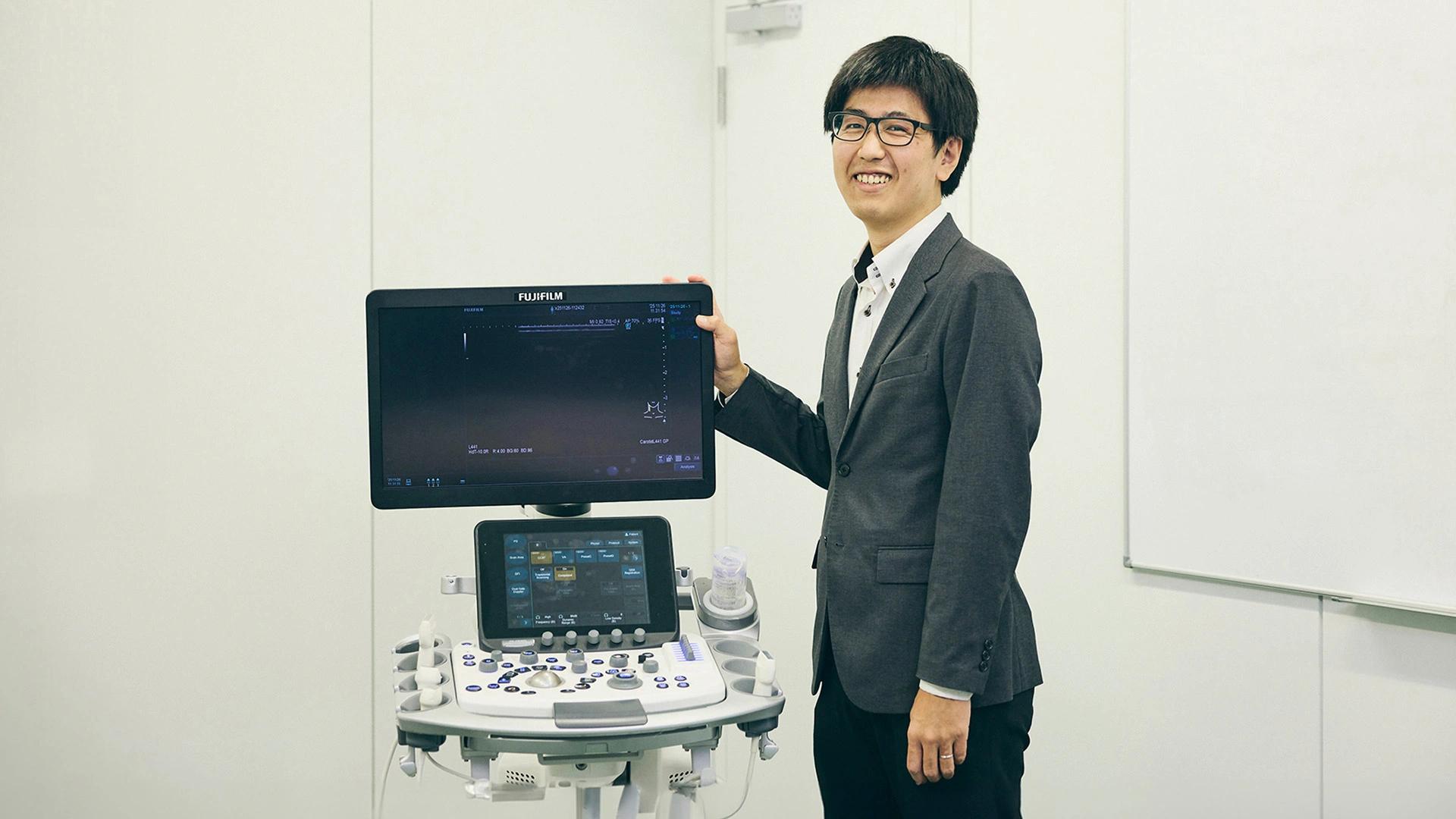
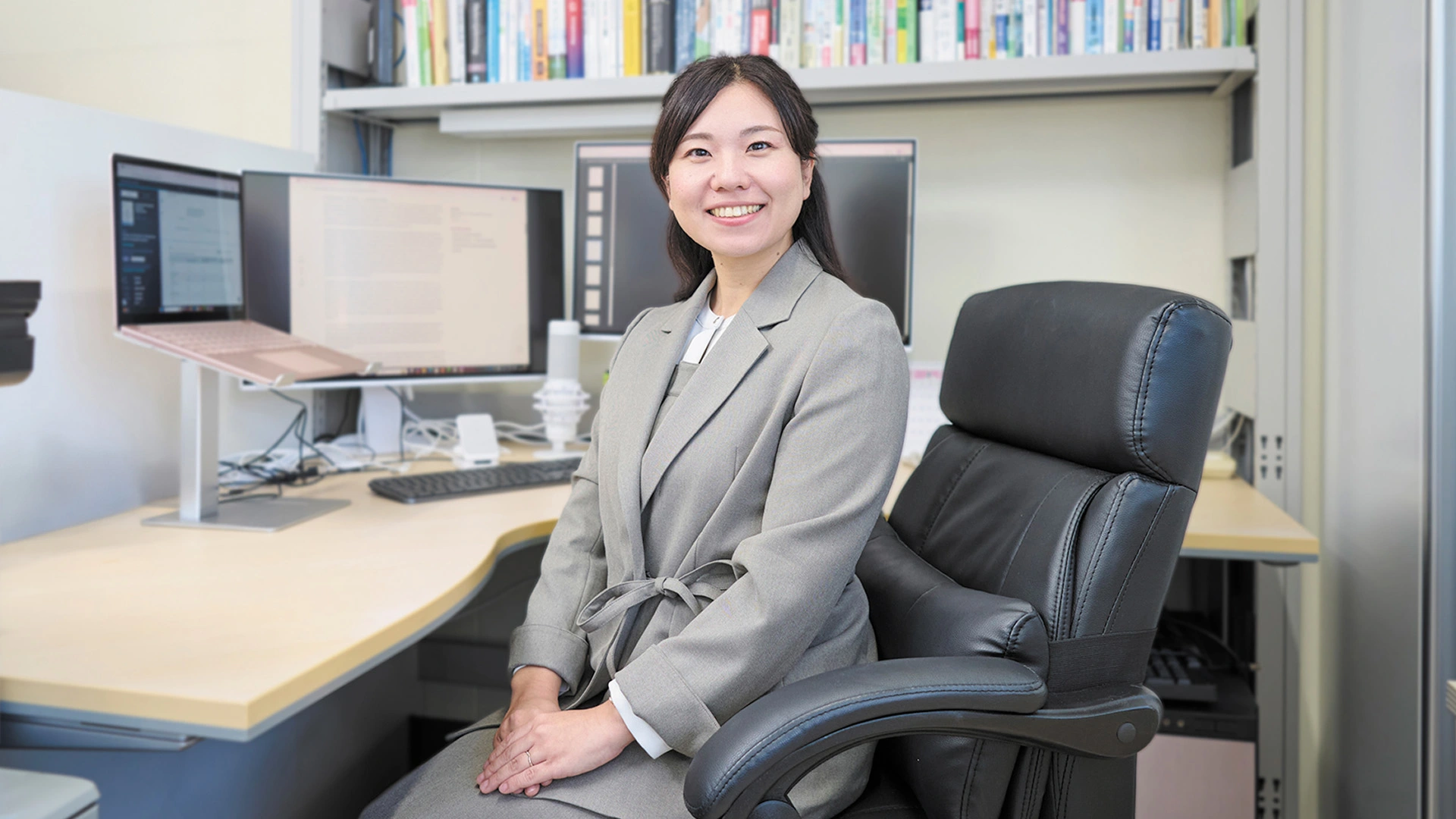
With the merger of two universities, the future development of collaborative research in medical and engineering fields is highly anticipated. The development of the world's first medical AR glasses is attracting particular attention. Associate Professor Tomohiro Amemiya and Associate Professor Soichiro Yoshida spoke about the medical AR glasses that they are developing and researching.
Science Tokyo signs strategic partnership agreement with Imperial College London
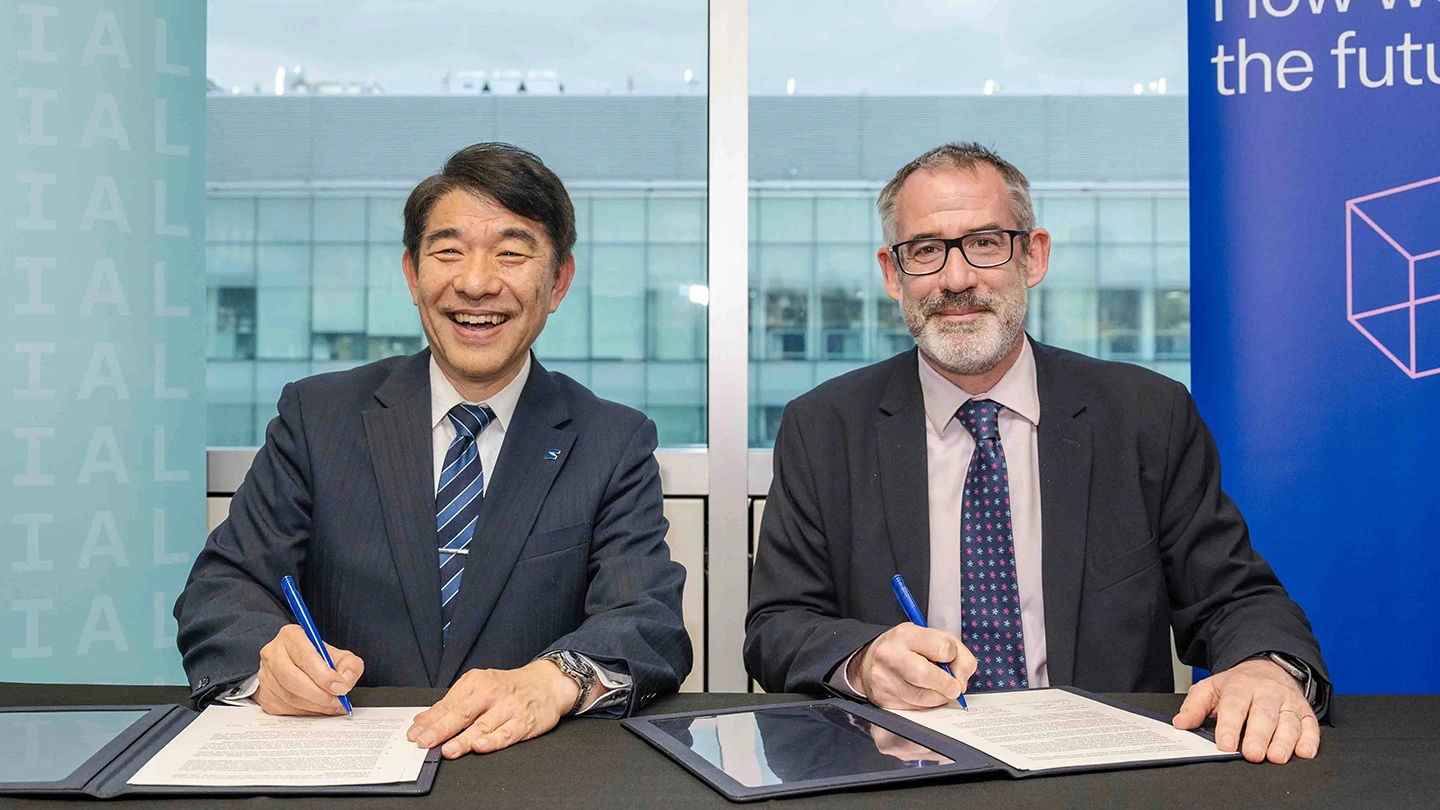
President and Chief Executive Officer Naoto Ohtake and President and Chief Academic Officer Yujiro Tanaka from Science Tokyo led a delegation to Imperial College London, where they formalized a strategic partnership agreement with the university, marking a significant step in strengthening institutional collaboration.
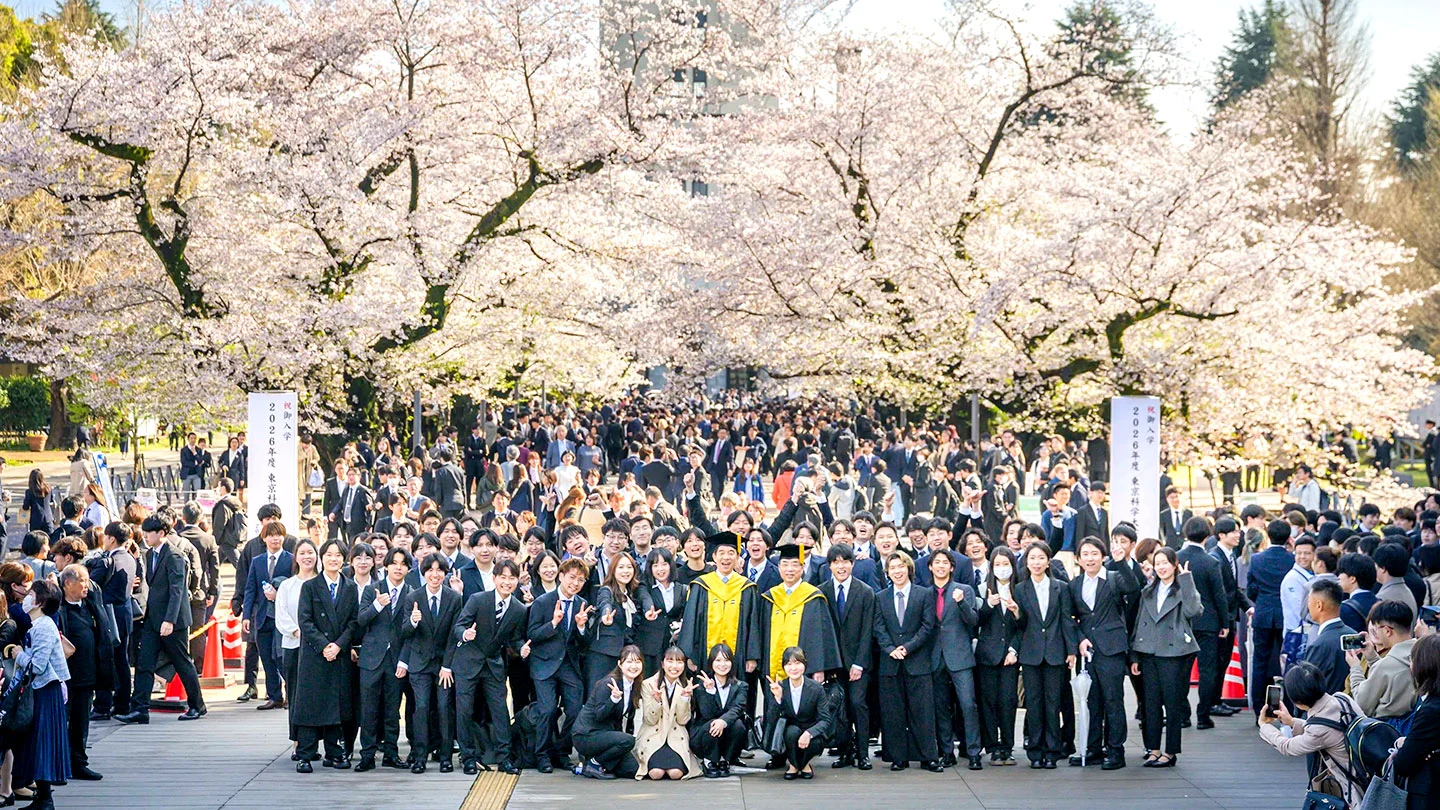
Science Tokyo — University for International Research Excellence
Science Tokyo has commenced operations as Japan’s second University for International Research Excellence by establishing eight Visionary Initiatives (VIs). The VIs, which form a vision-driven, cross-disciplinary research and education framework that aims to shape future society through the power of science, have been incorporated into the Institute’s organizational structure.
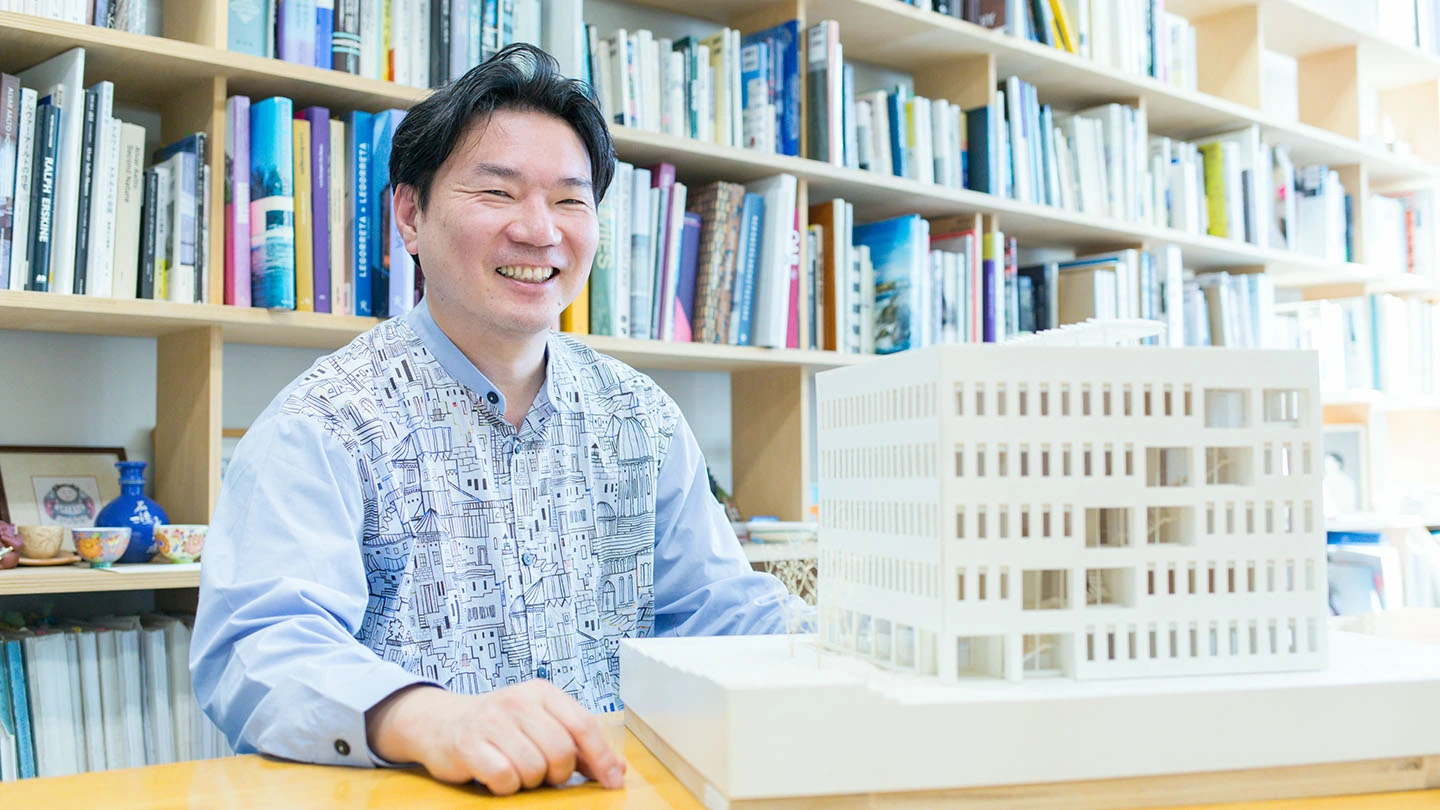
Connecting people, architecture, and environment with passive design—Ryo Murata
Science Tokyo Faces vol. 007
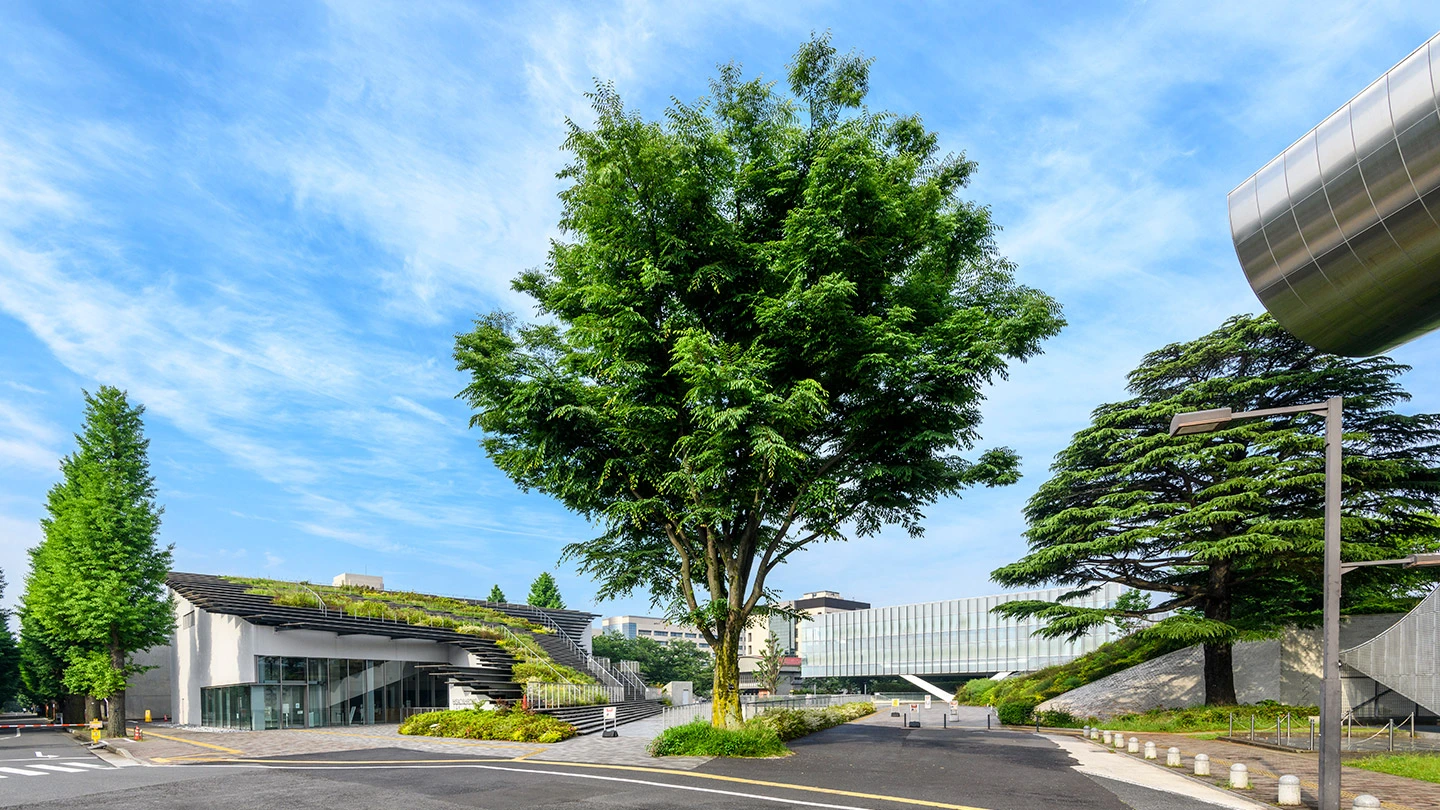
Associate Professor Ryo Murata explores "architecture as environment," focusing on how buildings harmonize with history and geography. Through "passive design"—harnessing natural forces for comfort and sustainability—he creates indispensable, pleasant spaces. In this interview, Murata discusses his philosophy and recent projects, including the MDX Research Center and Institute of Science Tokyo High School Relocation.
Research
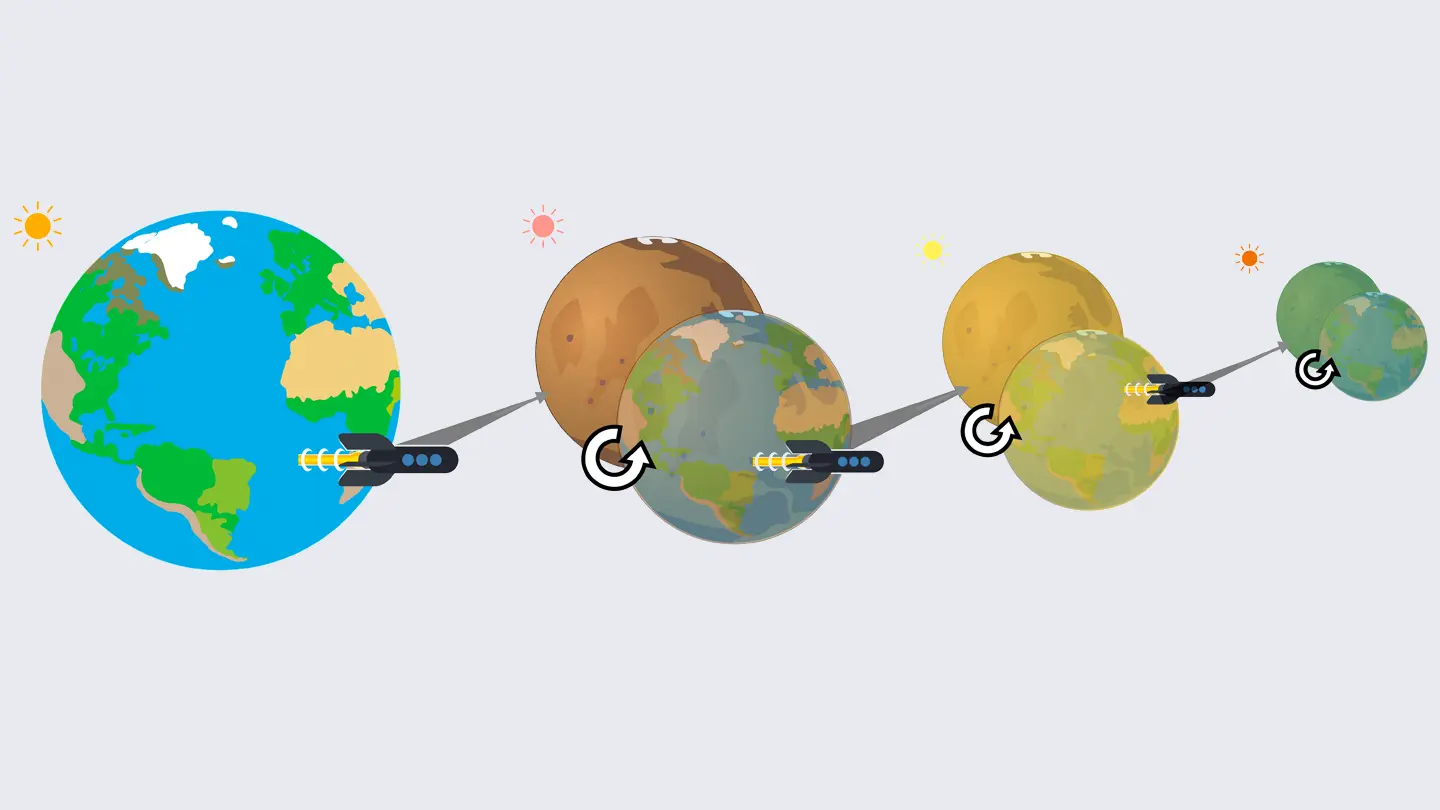
A new way to detect life beyond Earth without knowing what life looks like
A research team of Specially Appointed Associate Professor Harrison B. Smith at Science Tokyo and Specially Appointed Associate Professor Lana Sinapayen of National Institute for Basic Biology has developed a new approach to detecting life beyond Earth that does not rely on identifying specific biological markers. Instead, the study suggests that life may be detectable through patterns emerging across groups of planets, offering a new framework for astrobiology in situations where traditional biosignatures are ambiguous or unreliable.
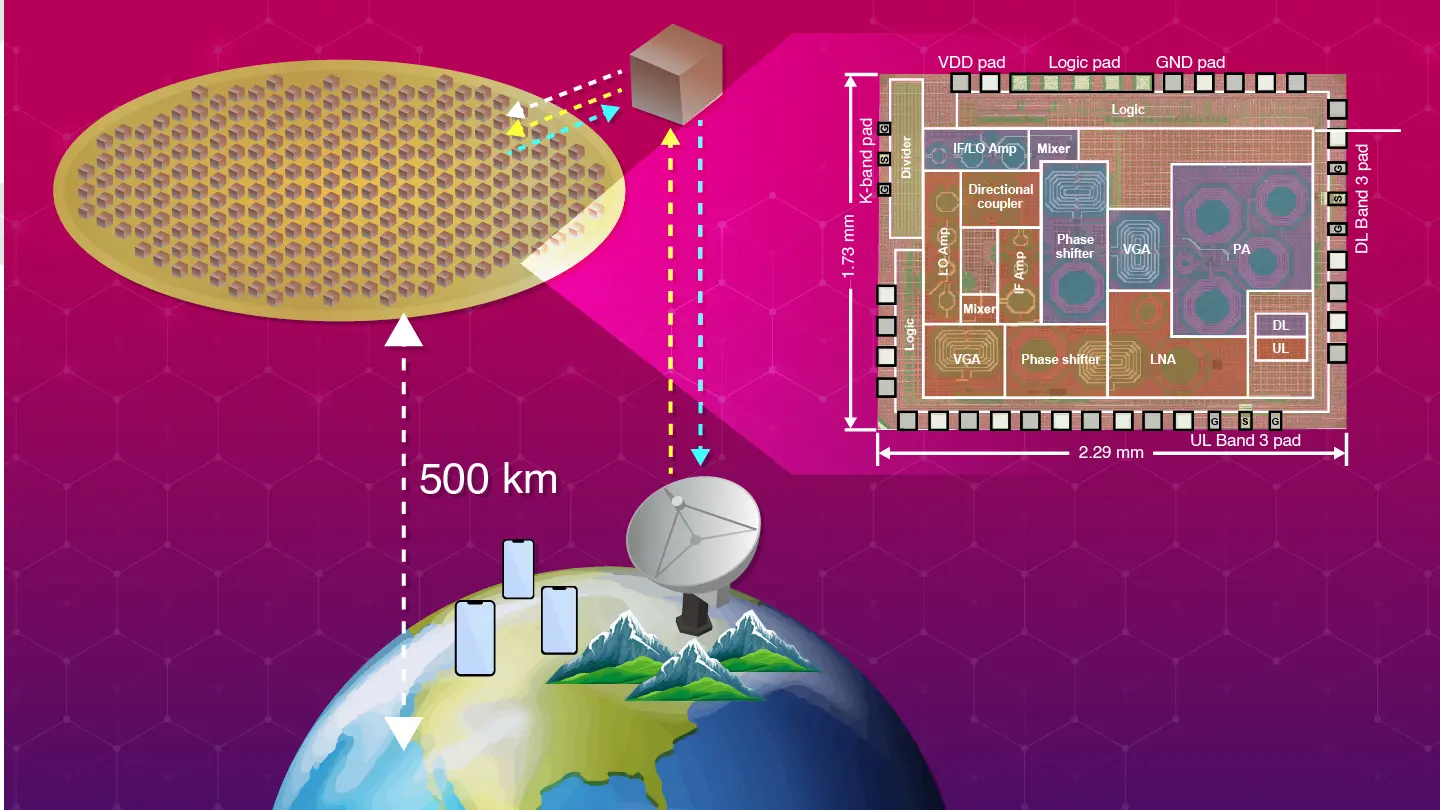
Thousands of pico-satellites may transform how phones connect to space
Swarms of pico-satellites could work together as a single large antenna for direct-to-smartphone communications. Instead of relying on a single large satellite with a phased-array antenna, the team showed that pico-satellites orbiting Earth in formation could each carry individual phased-array elements and be synchronized wirelessly. The proof-of-principle experiment demonstrated reliable, high-quality data transmission, paving the way for cheaper, more reliable network coverage worldwide.
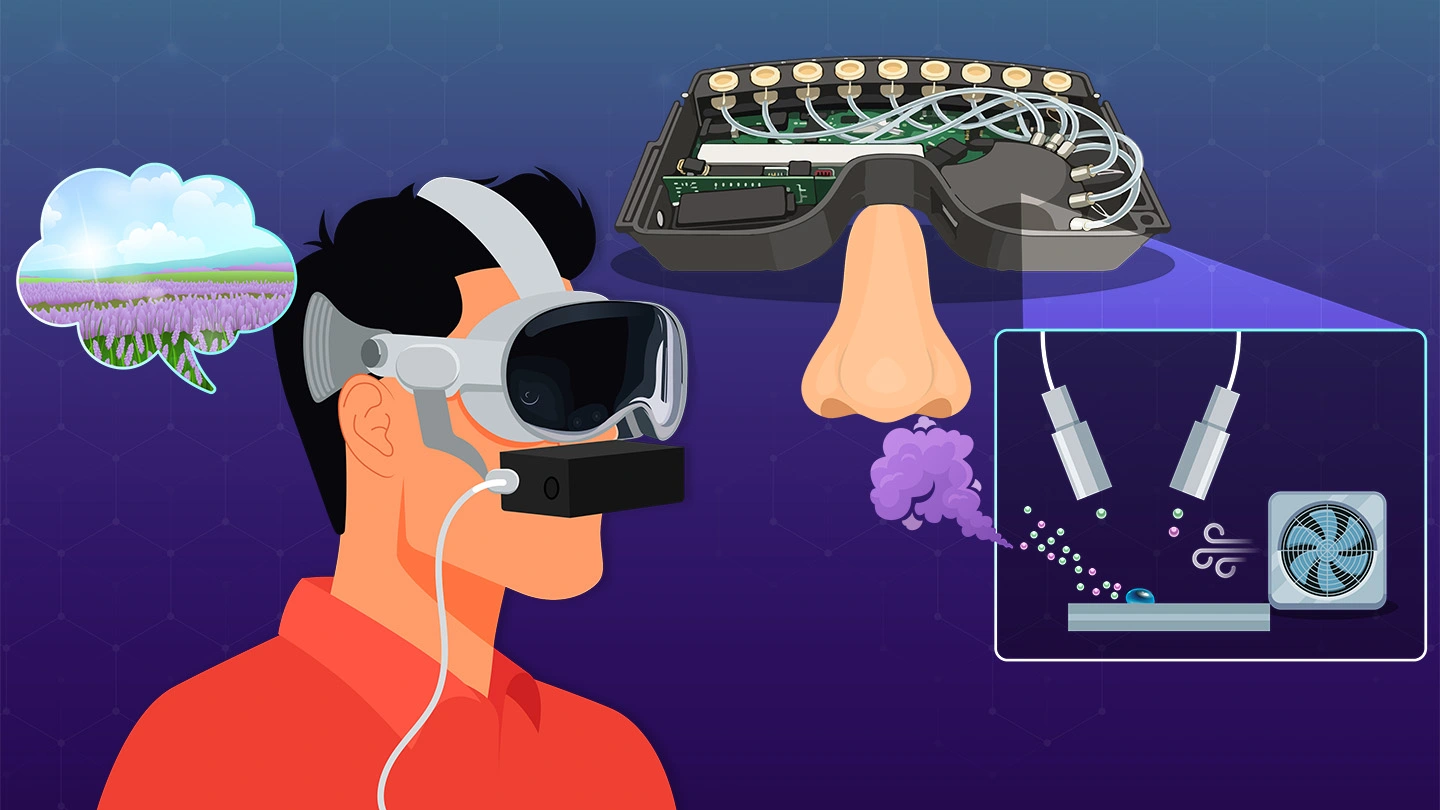
When smell meets virtual reality: wearable olfactory device for a realistic VR experience
A multi-channel wearable scent display allows a user to experience multiple scents while exploring virtual environments. Based on virtual scenes, the device can blend up to eight fragrances in real time and deliver them with precise control of odor intensity. By synchronizing smell with virtual reality content, the device enables better immersion and realism—opening new possibilities for enhanced digital entertainment, realistic simulation training, and future digital scent technologies.
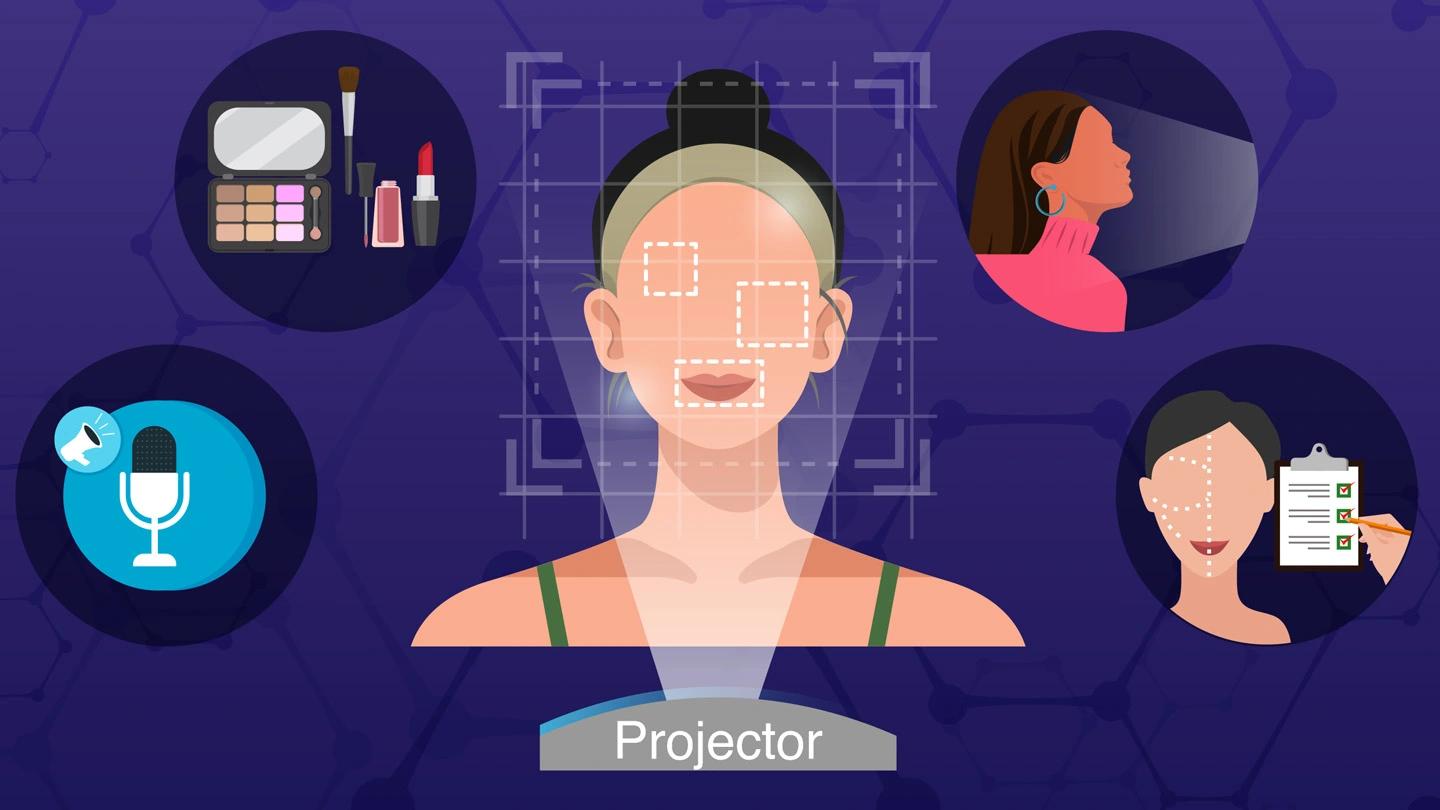
Describe the vibe, see the look: An AI-based system projects makeup onto the user’s face
An artificial intelligence-based projection makeup system from Science Tokyo lets users describe a mood or style in their own words and instantly see matching makeup colors on their faces. The technology learns each person’s preferences in real time and displays results under realistic lighting that reflects individual skin tone and texture, making it more true to life than traditional virtual makeup apps that project effects onto two-dimensional displays.
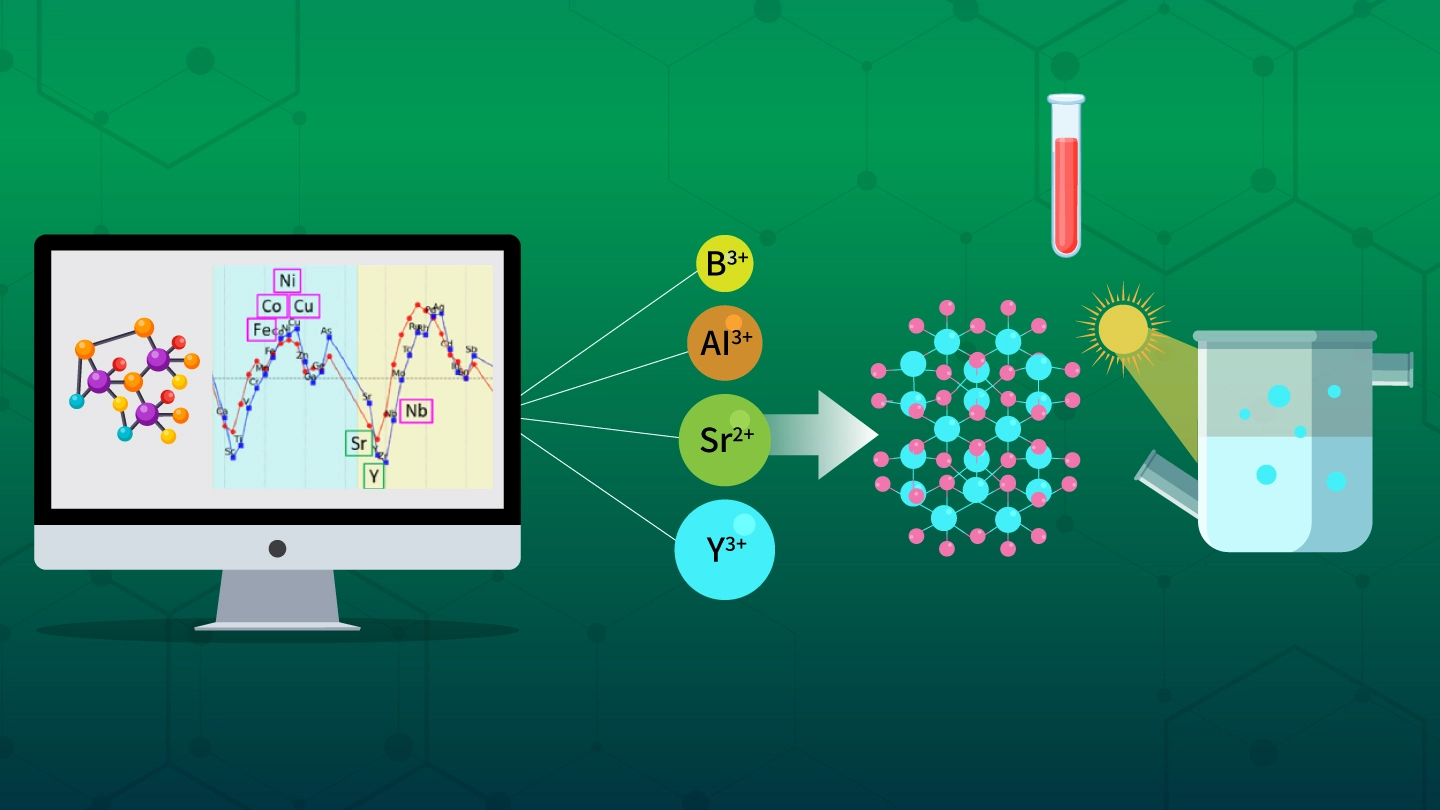
How materials informatics aids photocatalyst design for hydrogen production
MLIP calculations successfully identify suitable dopants for a novel photocatalytic material, report researchers from Science Tokyo. A materials informatics approach could predict which ions can be stably introduced into orthorhombic Sn3O4 , a promising and recently discovered photocatalytic tin oxide. Their experiments paved the way for next-generation clean energy applications.
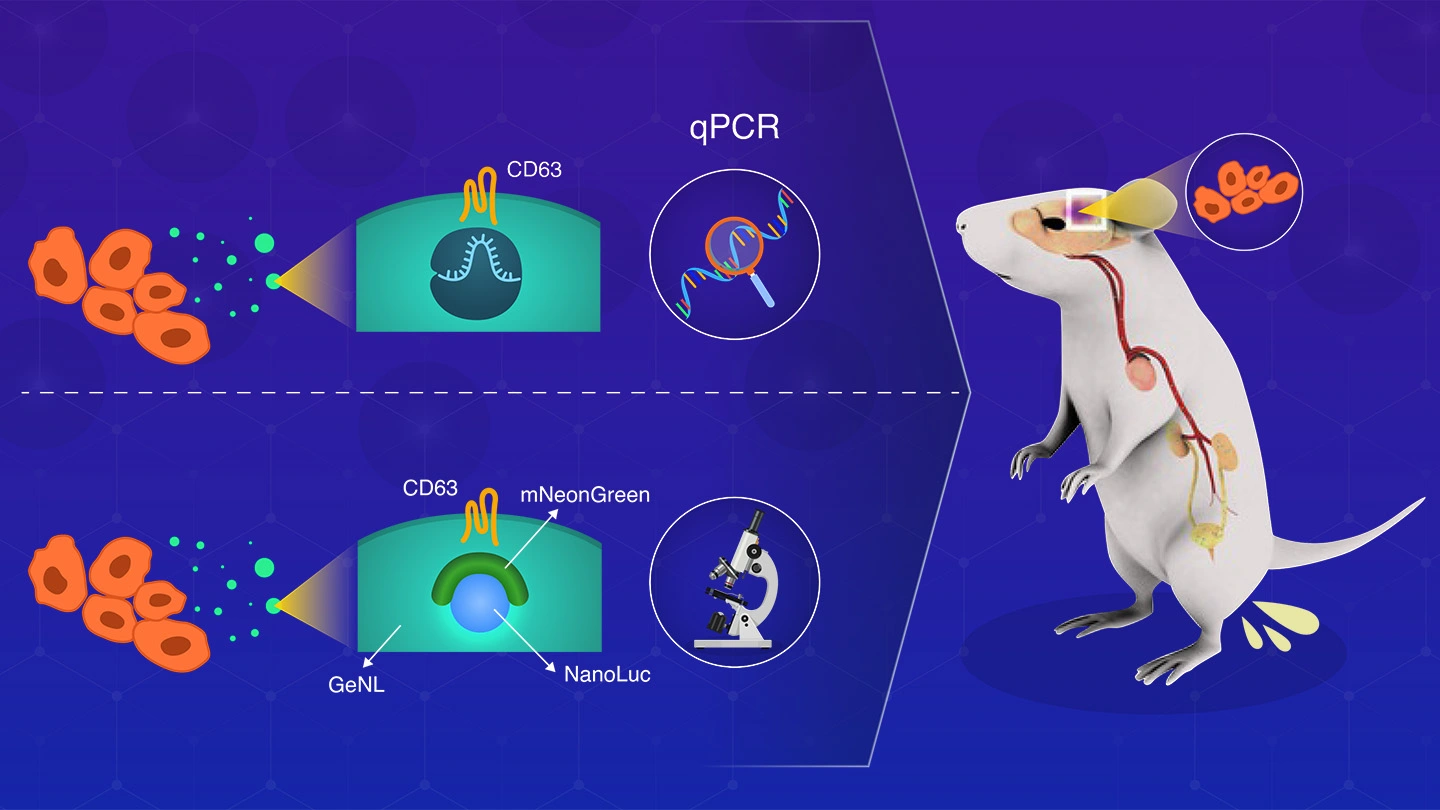
Understanding how extracellular vesicles from cancer cells end up in urine
Cancer cell-derived small extracellular vesicles (sEVs) can travel from distant tumors through the bloodstream and kidneys and be excreted into urine, as reported by researchers at Science Tokyo. Using sophisticated molecular tagging systems in mouse models of brain, lung, and pancreatic cancer, the researchers directly traced sEVs from tumors to urine.
New insights into how the immune system recognizes viral RNA
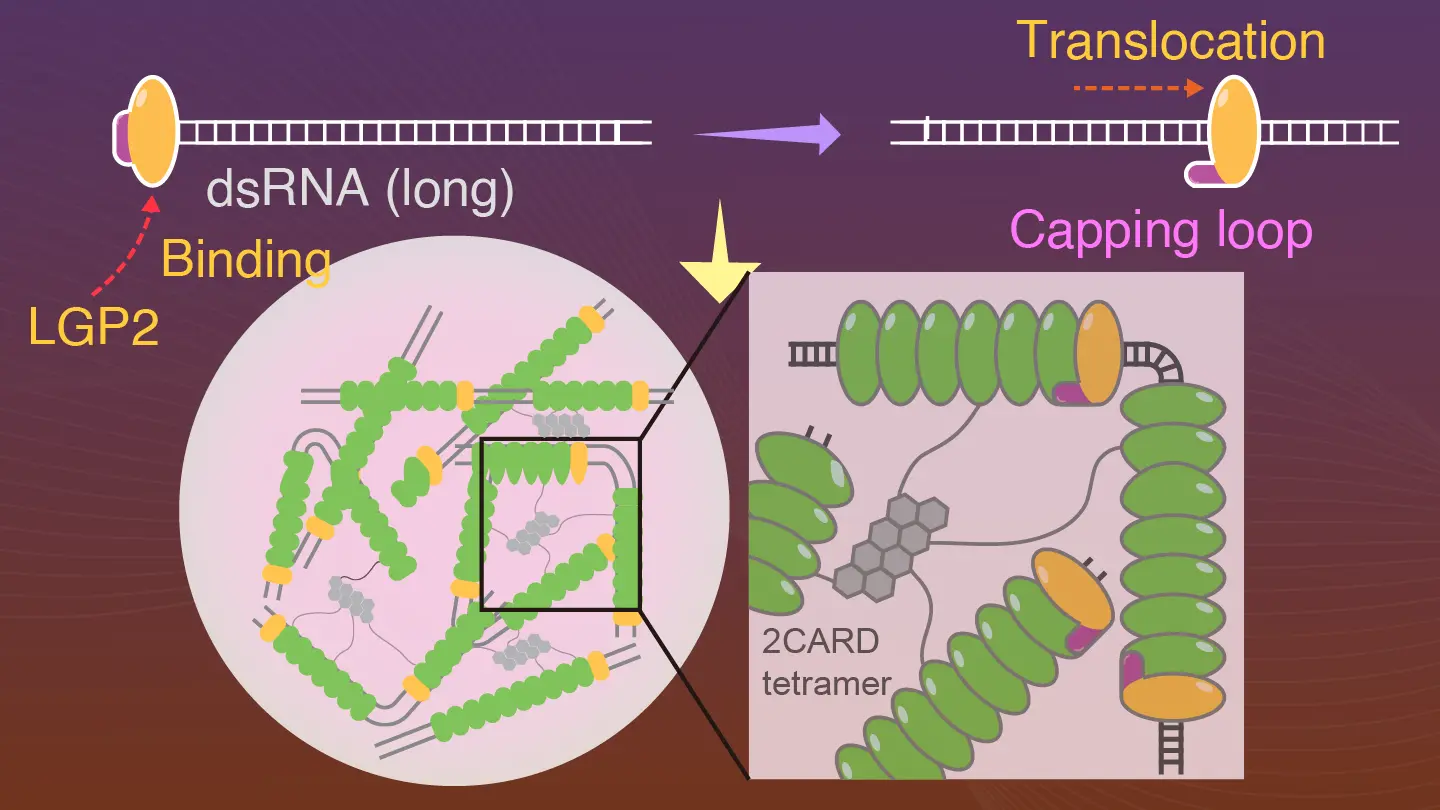
Study reveals how two proteins cooperate in a key early step of antiviral detection, as reported by researchers at Science Tokyo. They found that LGP2 binds to viral RNA and recruits MDA5 molecules, as if threading beads on a string.