From soft robotics research to the development of diagnostic ultrasound devices
The future is limitless!My career
Hirozumi Takeshima, FUJIFILM Corporation
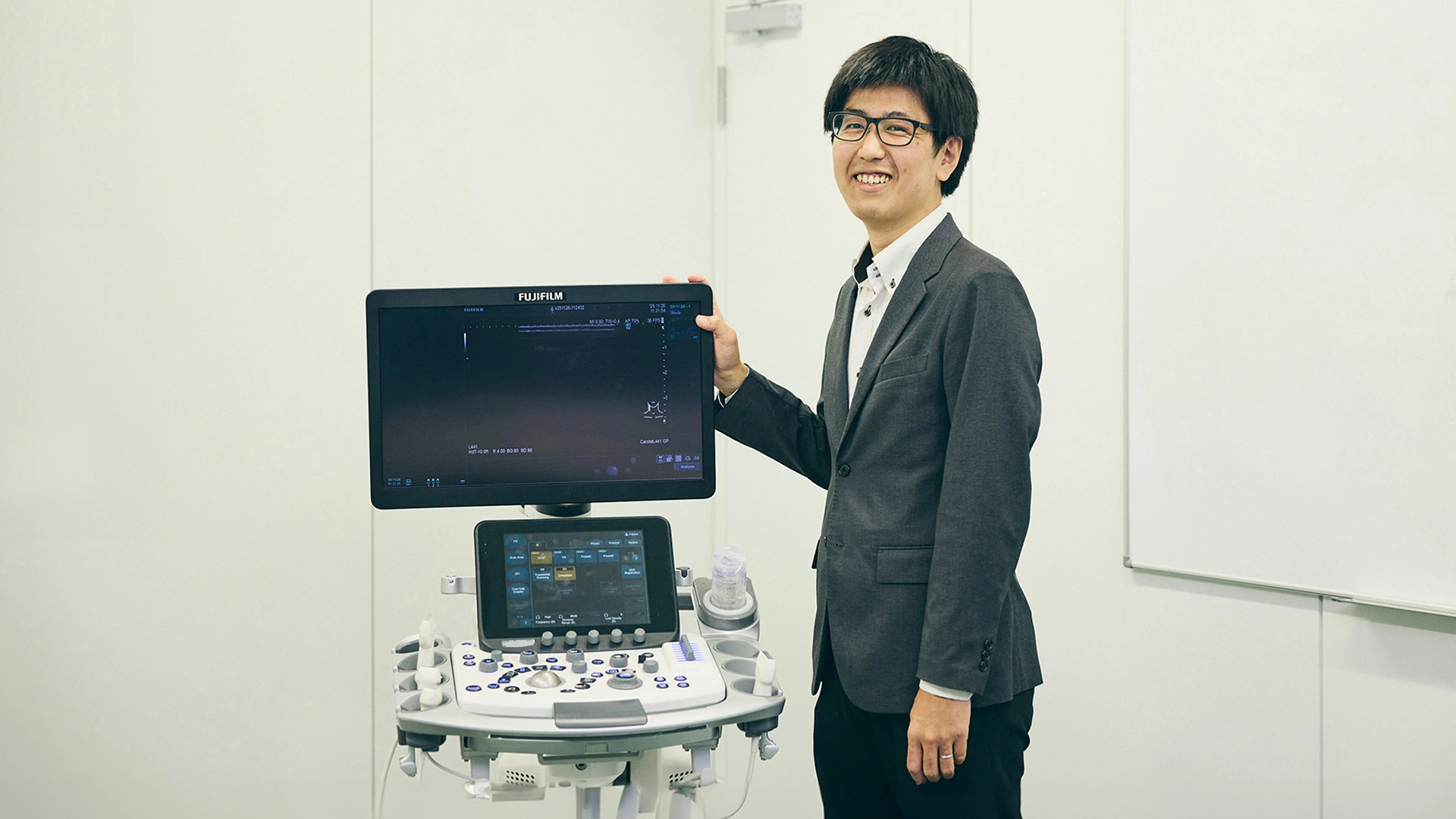
Hirozumi Takeshima has been fascinated by the allure of hands-on creation and robotics since early childhood. At the institute, he immersed himself in research on soft robotics and also participated in an external project to develop robotic prosthetic legs. Through experience in this project, he developed a desire to contribute to healthcare through technology. We spoke with Mr. Takeshima, who is currently engaged in research and development of diagnostic ultrasound devices at a company, about how he chose his research field, the various experiences he gained during his university years, and his views on his career.
Research theme shaped by a bitter experience in a university student club
My father, being an engineering graduate, instilled in me a strong interest in hands-on creation and robots from a young age. I remember visiting the Aichi Expo with him when I was in elementary school and being thrilled to see the numerous robots on display. Having already determined my area of interest, I wanted to study specialized subjects as soon as possible, so I enrolled in Tokyo Institute of Technology, which at that time allowed students to take specialized courses from their first year.
I decided on my specific research subject when I was in my third year. It was when I created a human-powered aircraft with fellow members of the manufacturing-focused student club Meister and took part in the Birdman Rally. I was responsible for the design of the tail's drive parts, but the complexity of the structure backfired, resulting in inadequate control and a poor outcome. From this deeply frustrating experience, I came to realize that increasing structural complexity raises the risk of defects and failures, leading me to pursue manufacturing based on simple structures that minimize the risk of failure. I decided to research methods using actuators (devices such as motors that convert energy into motion) to move structures that are simple and easily controllable.
University years centered on engineering and manufacturing, expanding knowledge both on and off campus
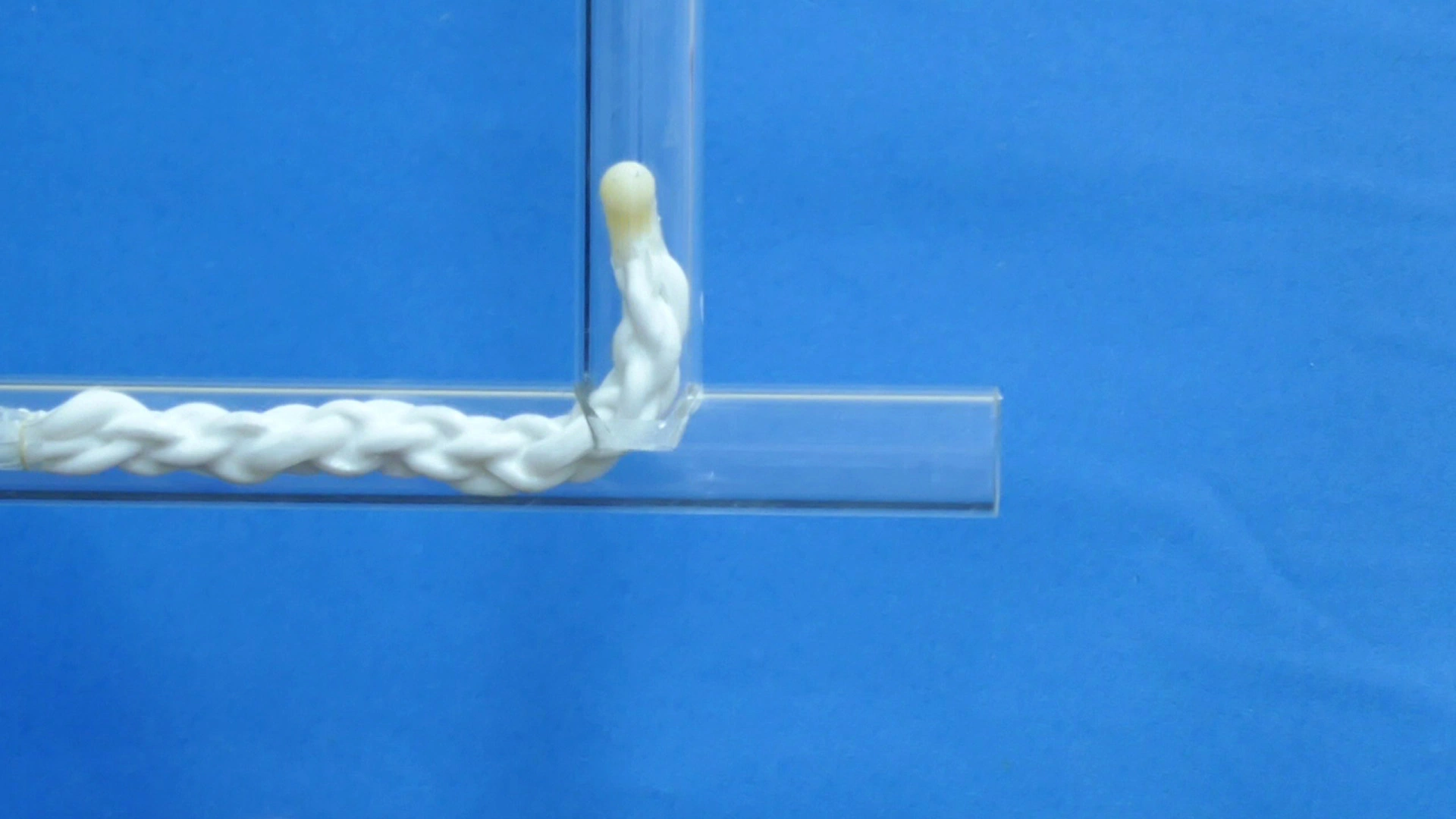
In my fourth year, I joined the research laboratory of Professor Toru Omata and Professor Toshio Takayama, where I immersed myself in the study of soft robotics, which was not still widely explored new at the time. A soft robot, as the name suggests, is a robot that is soft. It is characterized by its flexibility and ability to perform a variety of movements while being unlikely to cause harm to people or objects. What I was researching was a robot that weaves tubular balloons into rope-like structures, allowing them to extend and contract like balloon art. Balloons possess the flexibility to bend and move forward even when encountering dead ends. If utilized in medical settings, it is less likely to damage organs or tissues when inserted into the body. Additionally, if it is inserted into a flammable gas pipe, driving the balloon with the same gas will have no effect even if it bursts. It was a structure fundamentally designed to be robust against failure. From my undergraduate years through my doctoral program, I investigated how different braiding patterns affect the movement of this robot. The approach I learned of tackling research with a broad perspective and through trial and error in the lab at that time still feels like a valuable asset to me today.
During my time at the institute, I gained experience outside of the laboratory as well. An example is my six-year period as a research assistant at the Collaboration Center for Design and Manufacturing where students can use machinery and equipment on campus. I was responsible for instructing the operation of equipment and responding to inquiries. Research does not necessarily progress even if you work on it, but if the equipment at the center breaks down, it can be repaired and made to work again. I think it became a good break from research for me.
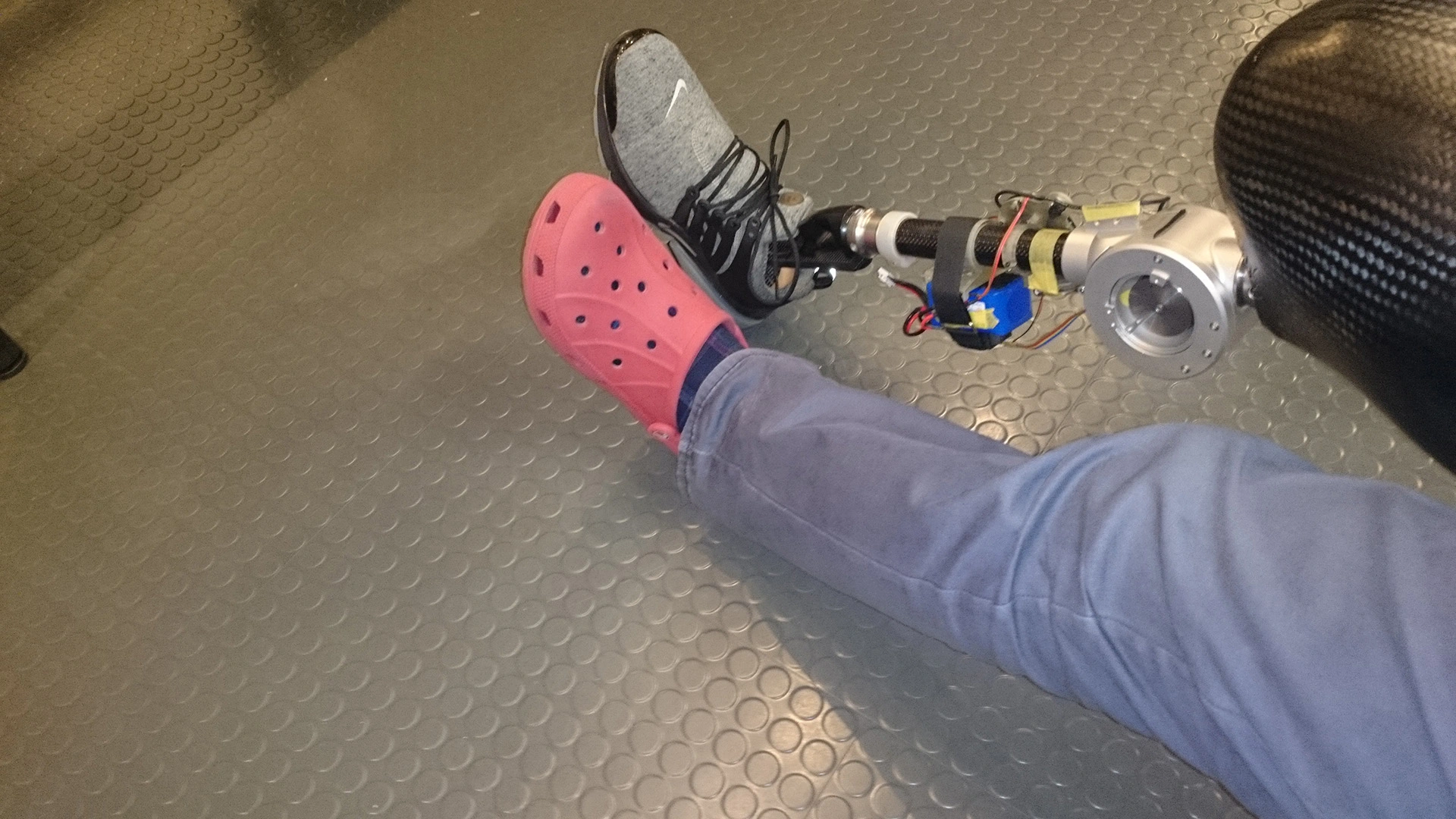
Additionally, during my four years of master's and doctoral studies, I worked part-time at Sony Computer Science Laboratories (Sony CSL) on research on robotic prosthetic legs. I engaged for the first time in a field directly related to the human body and gained a lot of knowledge. Robotic prosthetic legs must interact with the human body, so they cannot be operated independently. It is necessary to move in coordination with human movements to ensure that users do not feel any discomfort, but this is extremely difficult. Here, I strongly felt the importance of supporting people rather than focusing solely on machines.
Realizing the importance of early disease detection and transitioning into research on diagnostic ultrasound devices
One additional thing I learned while working with prosthetic legs is the importance of early detection of diseases. If conditions such as diabetes worsen and lead to leg amputation, it becomes very challenging to walk again, even with the use of a prosthetic leg. I thought that it would be better to detect and treat the disease as early as possible before such a situation arises. Furthermore, the experience of losing a relative to illness strengthened my interest in the healthcare industry. I believed that the resources possessed by large corporations were necessary to deliver what I create to a wide audience, so I decided to join Hitachi, Ltd., where I could engage in research and development of devices for the medical field. After joining the company, I began research and development on diagnostic ultrasound devices.
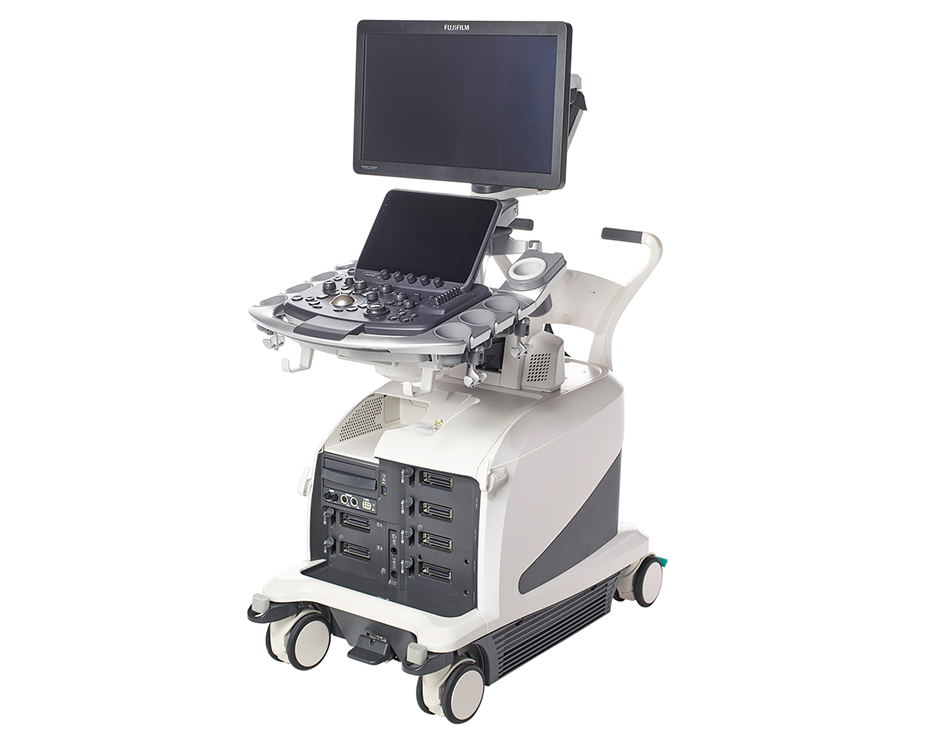
A diagnostic ultrasound device is a machine that uses ultrasound to examine lesions within the body or to observe the condition of a fetus. It is a device that greatly aids in the early detection of diseases, as it allows for an easy view inside the body without concerns about pain or radiation exposure. Regarding this device, research and development are currently being conducted in two directions. The first is to enhance imaging performance. We continue to explore ways to reduce noise and produce clearer, more detailed images. The second is the exploration of new applications. In cases where blood vessels become occuluded, such as with diabetes, catheter treatment is performed by inserting a thin medical device into the blood vessel. We are researching whether it is possible to verify the position of these medical devices using an ultrasound device to assist in treatment. (Later this business was transferred to FUJIFILM Corporation due to a business transfer)
Building a career that leverages expertise in robotics and medicine
My current main duties include hardware development and experimentation, as well as analyzing the obtained data. I also handle various other tasks as needed, such as considering signal processes and interviewing doctors to understand opinions of healthcare sites. I feel that the knowledge I gained about soft materials during my university research on soft robotics is also benefiting my work.
In shaping a career, I believe it is most important to engage in work that you find enjoyable. What I consciously focus on is finding a field where I can make a unique contribution. Find a field where you feel you can excel, and develop a level of expertise that surpasses others. In my case, it's the combination of robotics and medicine. There are few people who have knowledge in both areas who are engaged in the research and development of diagnostic ultrasound devices, so it has become one of my strengths. Moving forward, I hope to continue enjoying my work while leveraging my expertise to contribute to the field of medicine.
Next step!
Addressing the global challenge of doctor shortages through technology
Currently, the shortage of doctors is a serious issue worldwide. One potential solution to the issue where one doctor has to see many patients is technology that allows diseases to be detected more quickly and easily. A challenging aspect of medical device development is the involvement of numerous parties. With safety, cost, time and other conditions, devices cannot be used unless a suitable compromise is found that satisfies all parties, including patients, doctors, hospitals, insurance companies, manufacturers, and the government. While exploring answers, I am engaged in daily research and development aiming for technologies that lead to the happiness of many people.
Profile
Hirozumi Takeshima
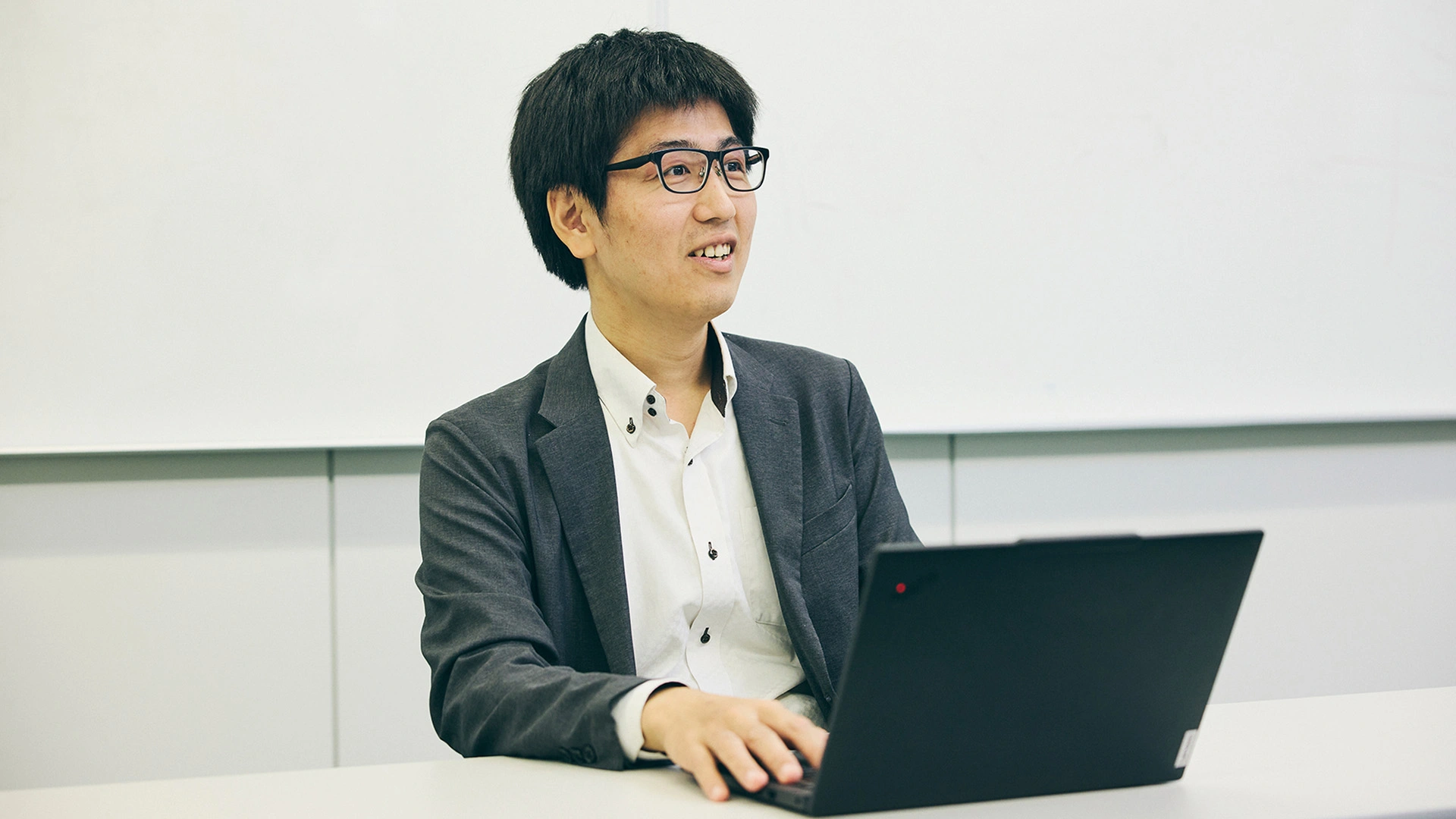
In 2019, he completed the doctoral program at the Department of Mechanical Engineering in the School of Engineering at Tokyo Institute of Technology. In the same year, he joined Hitachi, Ltd. (later transferred to FUJIFILM Corporation due to a business transfer). He is engaged in the research and development of diagnostic ultrasound devices, undertaking a wide range of tasks including development, experimentation, data analysis, and interviews with doctors.
- 2010
- Enrolled in the Department of Mechanical Engineering in the School of Engineering at Tokyo Institute of Technology.
- 2012
- Joined the Omata-Takayama Lab to conduct research on soft robotics.
- 2014
- Graduated from the Department of Mechanical Engineering in the School of Engineering at Tokyo Institute of Technology.
Enrolled in the Mechano-Micro Engineering master's course in the Interdisciplinary Graduate School of Science and Engineering at Tokyo Institute of Technology.
- 2014
- Involved in a robotic prosthetic leg research project at Sony Computer Science Laboratories (Sony CSL).
- 2019
- Completed the doctoral program at the Department of Mechanical Engineering in the School of Engineering at Tokyo Institute of Technology.
Joined Hitachi, Ltd. (later transferred to FUJIFILM Corporation due to a business transfer).
Engaged in research and development of diagnostic ultrasound devices.
Interview held on November 26, 2025 / FUJIFILM Corporation Nishiazabu Office