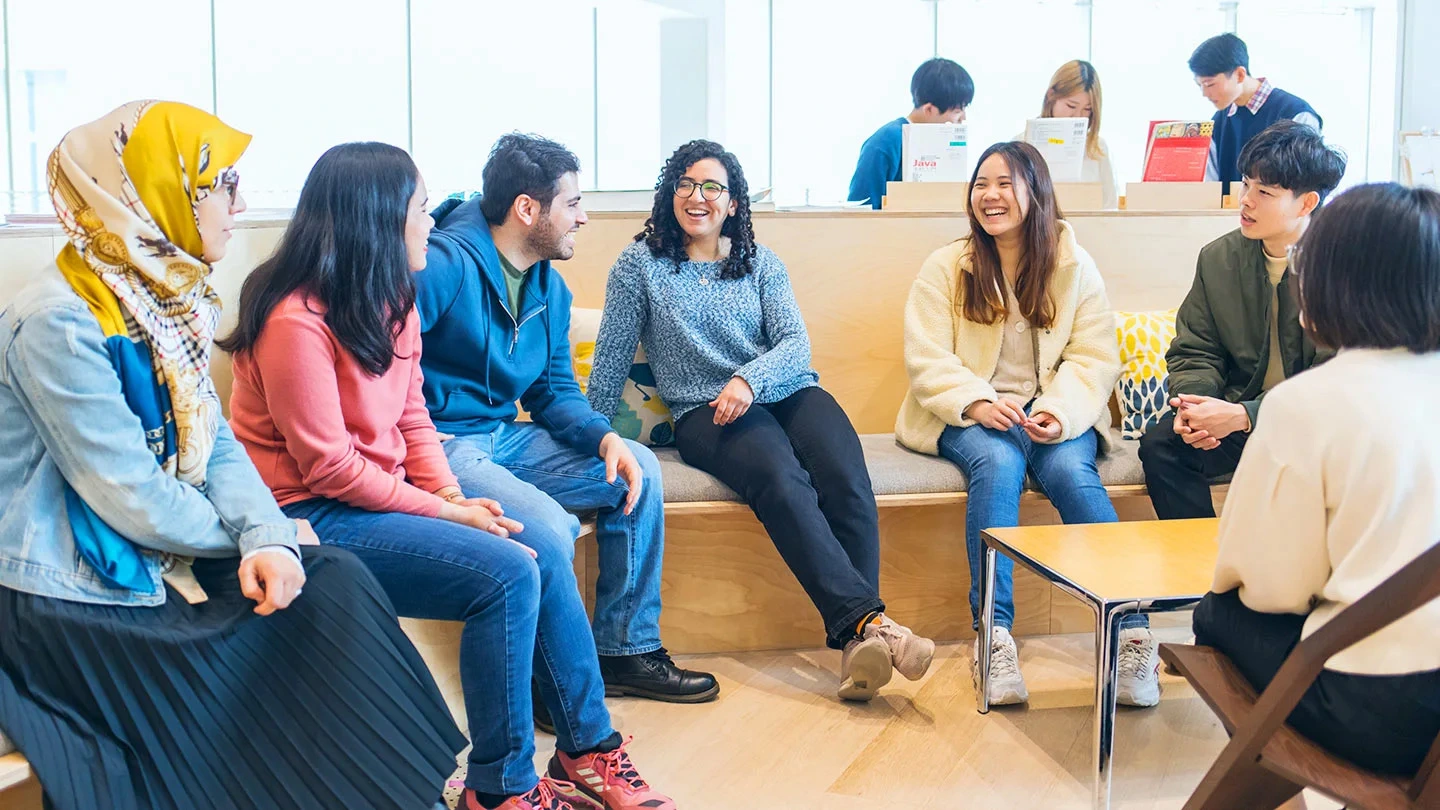
東京科学大学(Science Tokyo)は、研究成果やニュース記事、学生の活動などを国内外へ広く紹介する研究者・留学生向け英文メールニュース「Science Tokyo Bulletin(ブリテン)」を定期的に配信しています。この度、Science Tokyo Bulletin #7 — October 2026を発行しました。
メールでの配信をご希望の方は申し込みフォームからご登録ください。
- Science Tokyo Bulletinは英語で配信を行っていますが、コンテンツは一部を除いて日英両方で掲載しています。
Highlights
Creating a better, brighter future with the power of science
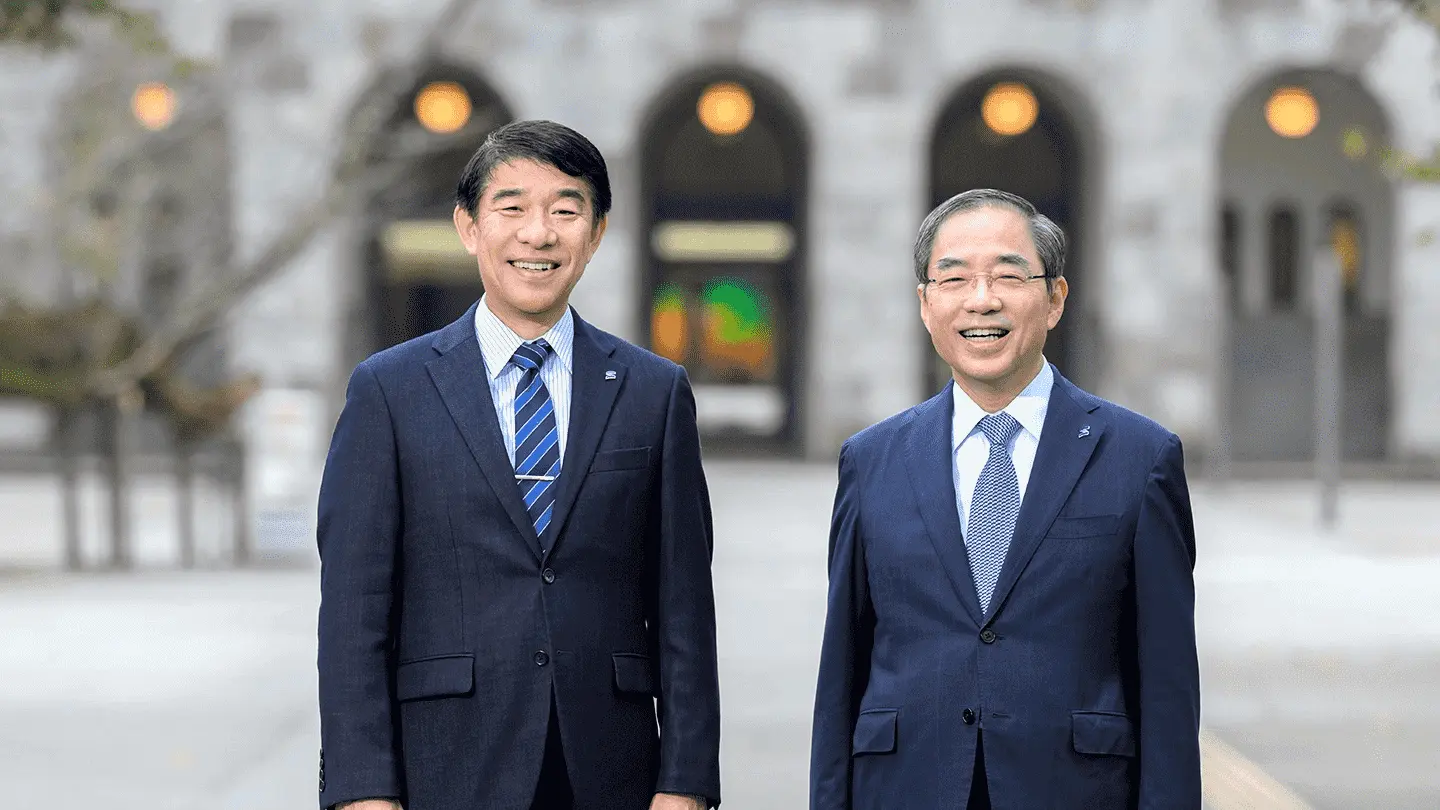
As Science Tokyo celebrates its second anniversary, President and CEO Naoto Ohtake and President and CAO Yujiro Tanaka discuss the shared future envisioned by the Science Tokyo community. Since its establishment in 2024, Science Tokyo has upheld its mission of “advancing science and human wellbeing to create value for and with society.” The Institute is working to fundamentally transform its research and education systems with the launch of the Visionary Initiatives (VIs), which together form a vision-driven, cross-disciplinary framework.
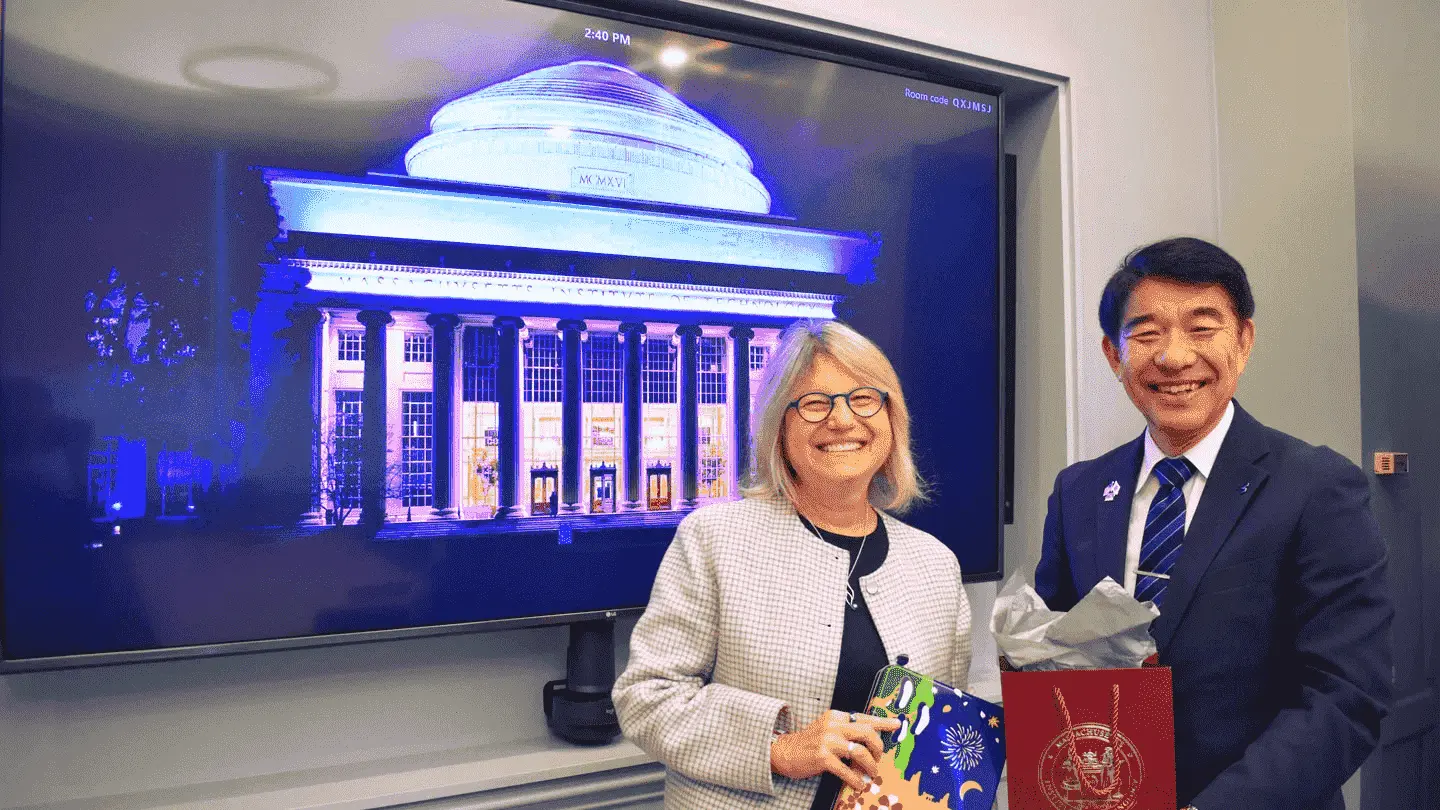
Science Tokyo and MIT launch new collaboration
Three-year collaboration aims to foster stronger connections through educational model, exploratory research projects, and seed fund. This marks the beginning of the collaboration, designed to strengthen ties between the two institutions and lay the groundwork for educational and scientific exchange.
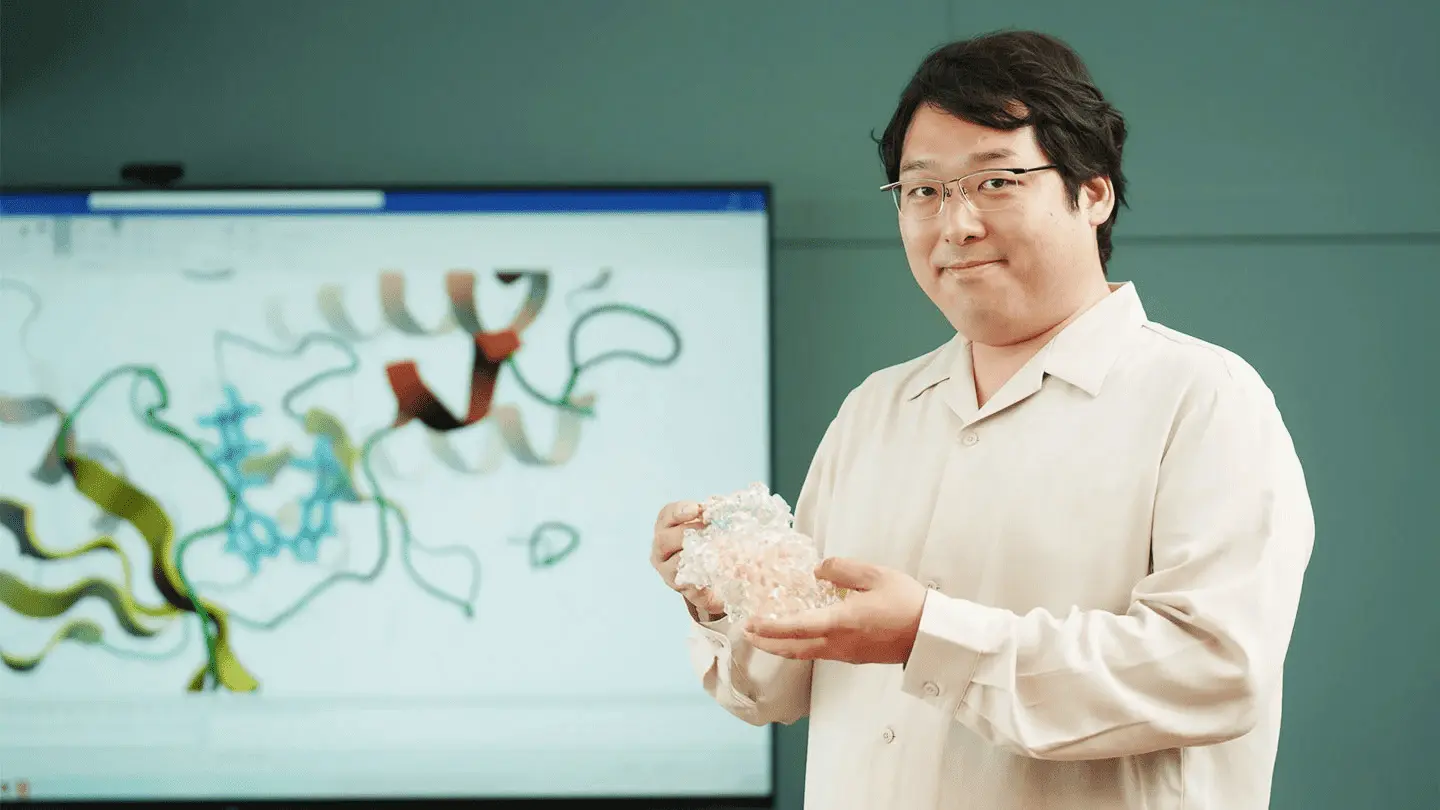
AI and computer simulation open new paths in drug discovery — Masahito Ohue
Science Tokyo Faces vol. 009
Drug discovery has long required years of research and enormous costs. Now, generative AI is poised to change that. Associate Professor Masahito Ohue of the School of Computing is researching and developing methods to support drug discovery by advancing fundamental technologies in information science, particularly AI and computer simulation.
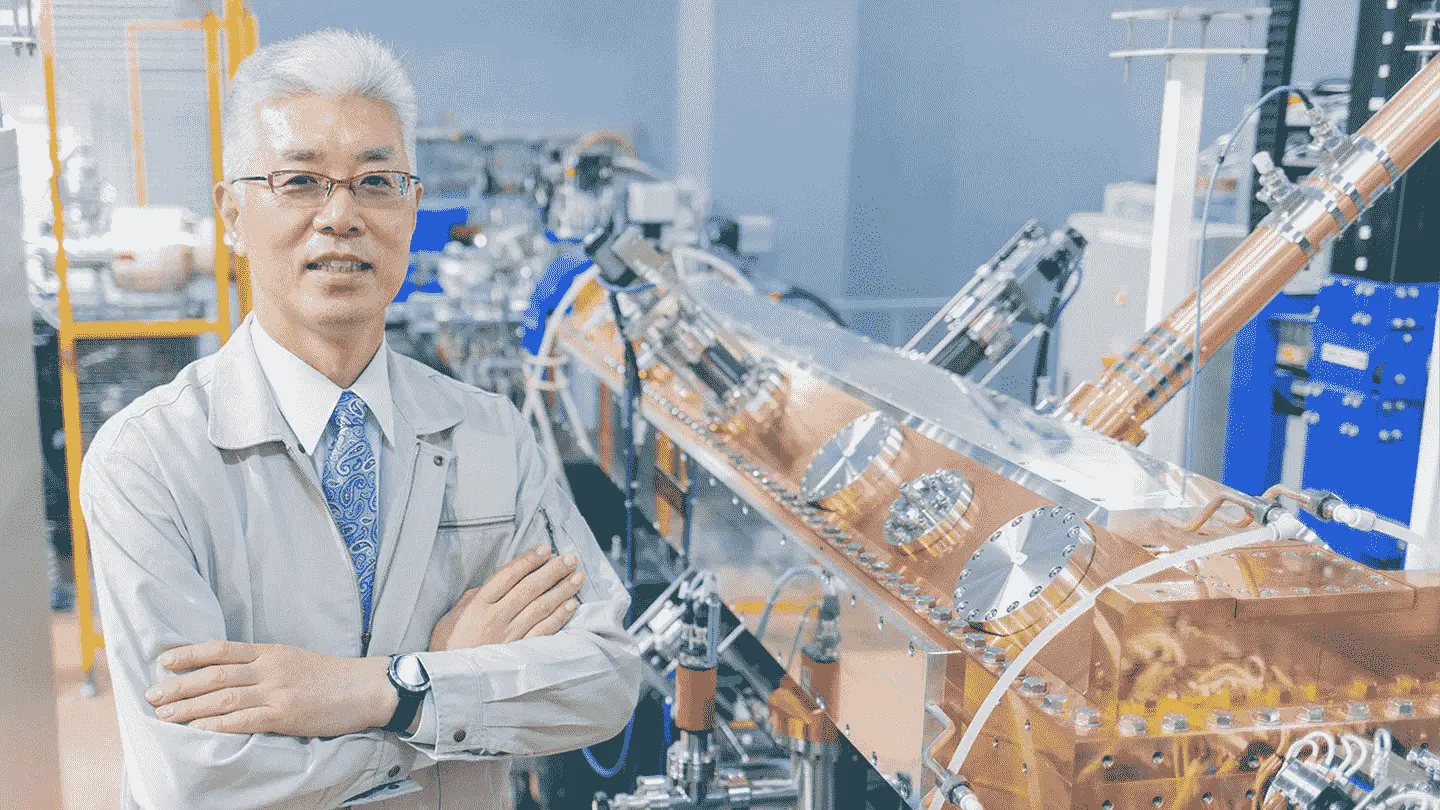
Tackling challenges in medicine and industry with compact accelerators — Noriyosu Hayashizaki
Science Tokyo Faces vol. 008
Large-scale accelerators have applications ranging from advanced research into elementary particles and the universe to industry. Miniaturizing and making these accelerators portable could dramatically expand their use in healthcare and industry to include radiation therapy and non-destructive testing of public infrastructure.
Research
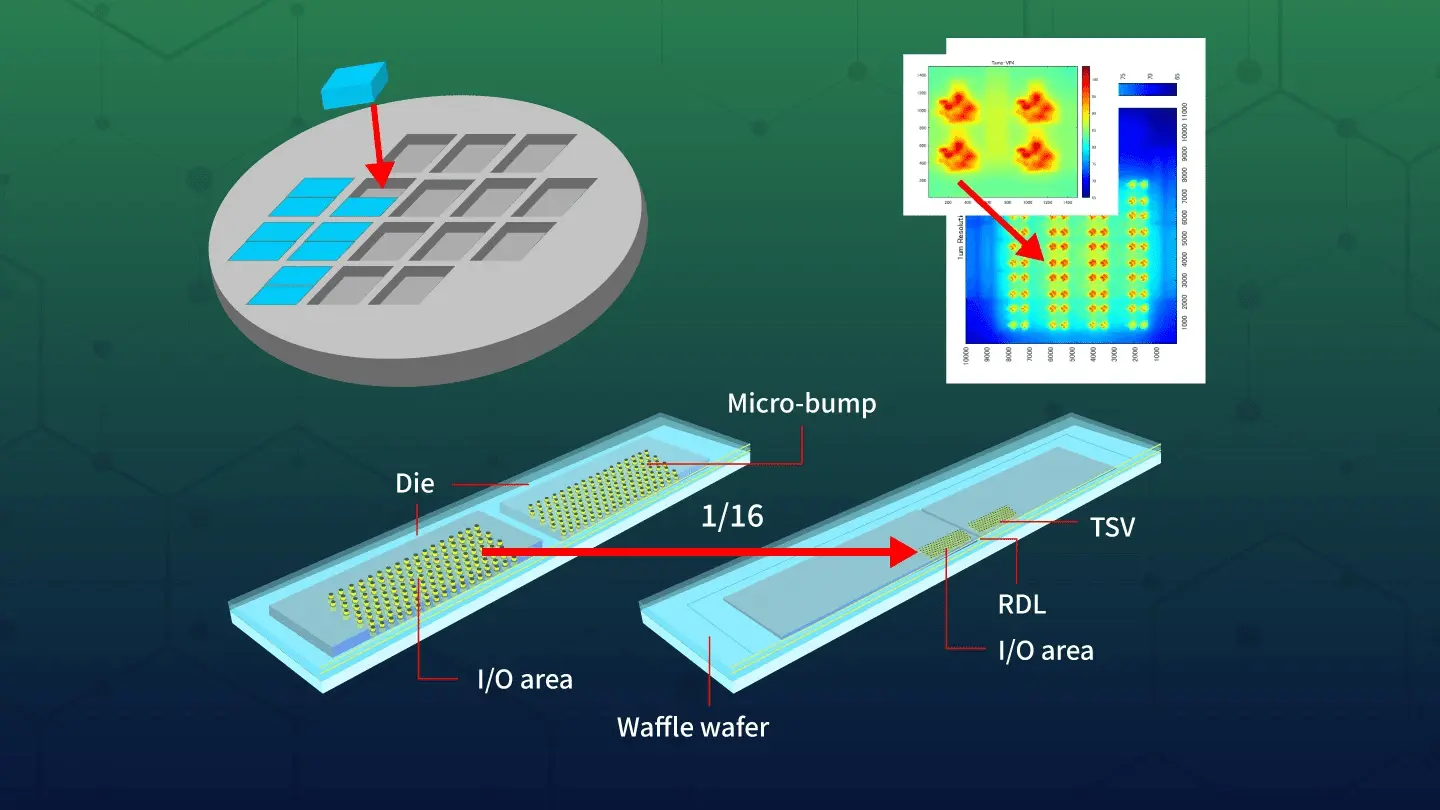
BBCube: a novel chip-on-wafer technology for next-generation AI chip integration
A new semiconductor integration platform developed at Institute of Science Tokyo combines advanced chip packaging with high-density interconnects and improved thermal management. This combination of three complementary technologies helps overcome the key challenges in building high-performance artificial intelligence (AI) hardware. By enabling more precise chip placement, faster communication, and efficient cooling, the technology paves the way for more powerful and energy-efficient AI accelerators and high-performance computing systems.
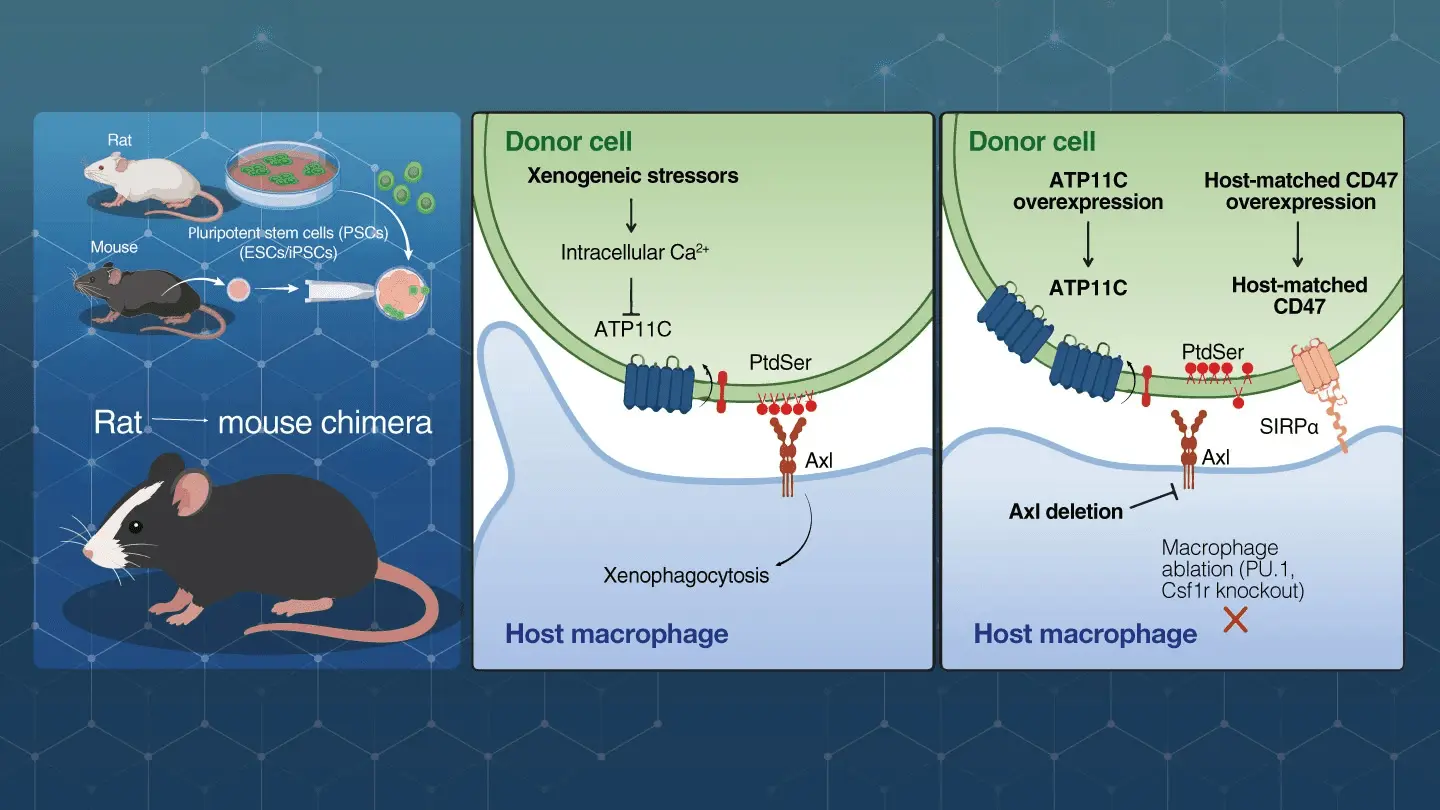
Blocking xenophagocytosis: a new strategy for interspecies organ generation
Xenophagocytosis is a natural immune process that limits interspecies organ generation by eliminating living donor cells, report researchers at Institute of Science Tokyo, Japan. By uncovering how embryonic macrophages eliminate living donor cells, the researchers developed strategies to block this response. Using this strategy, they significantly improved donor cell survival and generation of rat pancreas in mice, bringing us one step closer to producing transplantable human organs in animals.
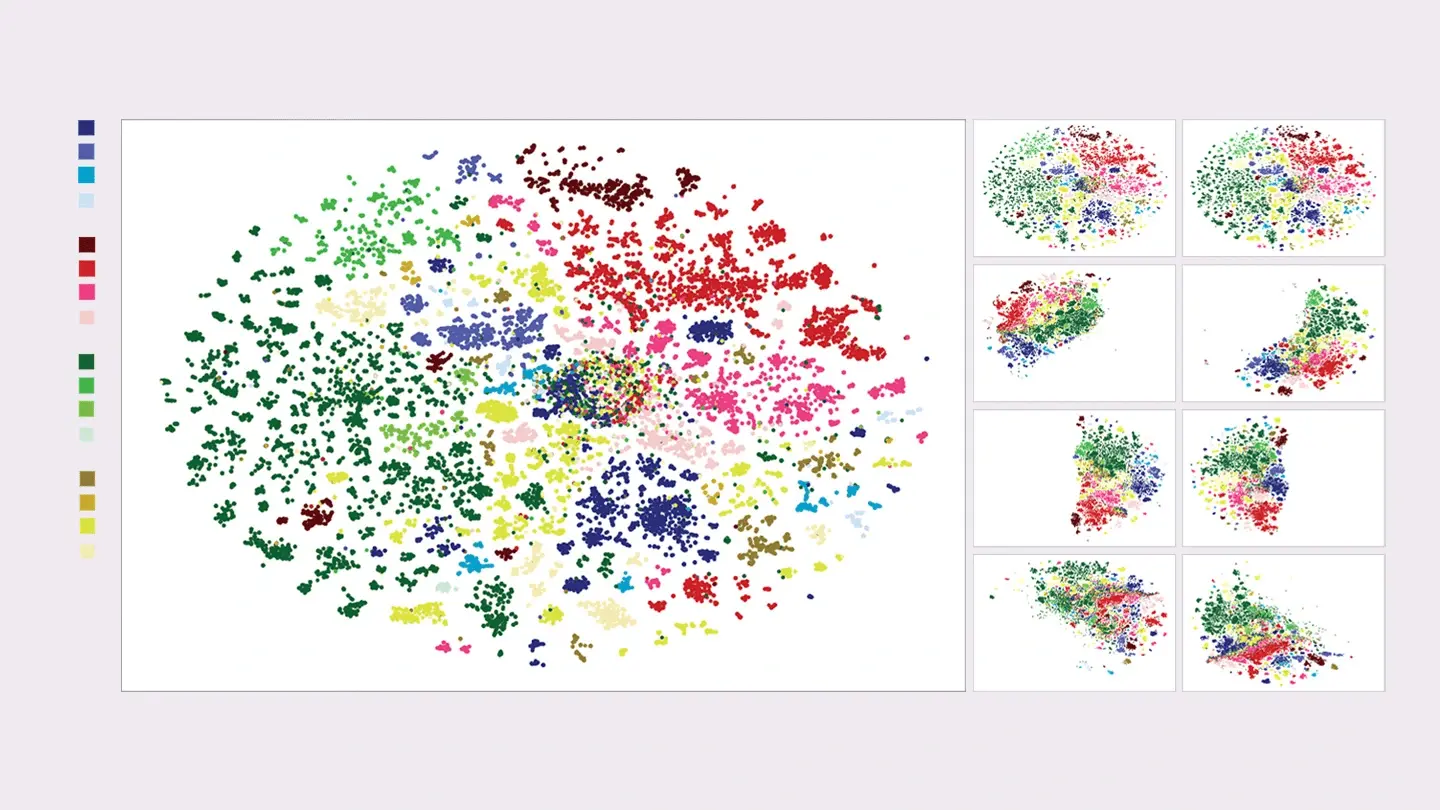
Uniting sequence and structure to map the protein universe
An international team of researchers, including Earth-Life Science Institute (ELSI) has developed a protein language model brings together two fundamental sources of information about proteins: their amino acid sequences and their three-dimensional structures. The model provides researchers with a new way to map relationships across the protein universe and investigate how proteins have evolved over billions of years.
Bringing classical LDPC code design theory to quantum computers
Associate Professor Kenta Kasai has developed a high-rate quantum low-density parity-check (LDPC) code by adapting design theory from classical communications and storage. By imposing orthogonality only where quantum mechanics requires it, the method retains the freedom used to control connection degrees, randomness, and short loops in classical LDPC codes. Overseas teams have already extended the design to neutral-atom hardware and broader code frameworks, referring to the resulting family as “Kasai codes.”
Sustaining the brain’s spontaneous repair system for stroke recovery
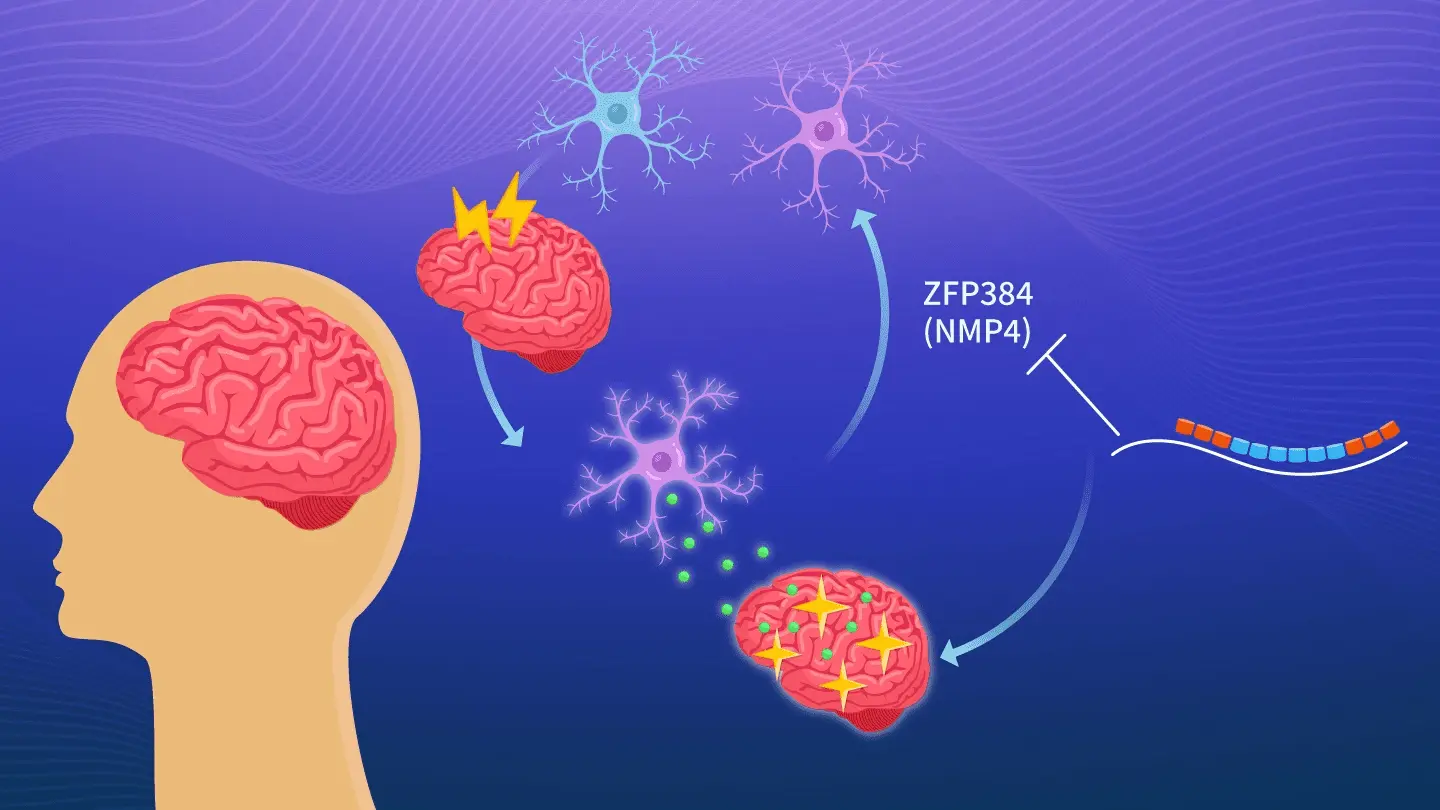
Blocking the activity of ZFP384 can prolong the brain’s endogenous repair functions after stroke, report researchers in a collaborative study. They developed an antisense oligonucleotide-based therapy that sustained the reparative activity of microglia by promoting remyelination and neural plasticity, thereby improving functional recovery in mice. Surprisingly, these results were observed even when the treatment began weeks after injury. The findings reveal a promising strategy to extend the brain’s recovery window after stroke, improving long-term outcomes.
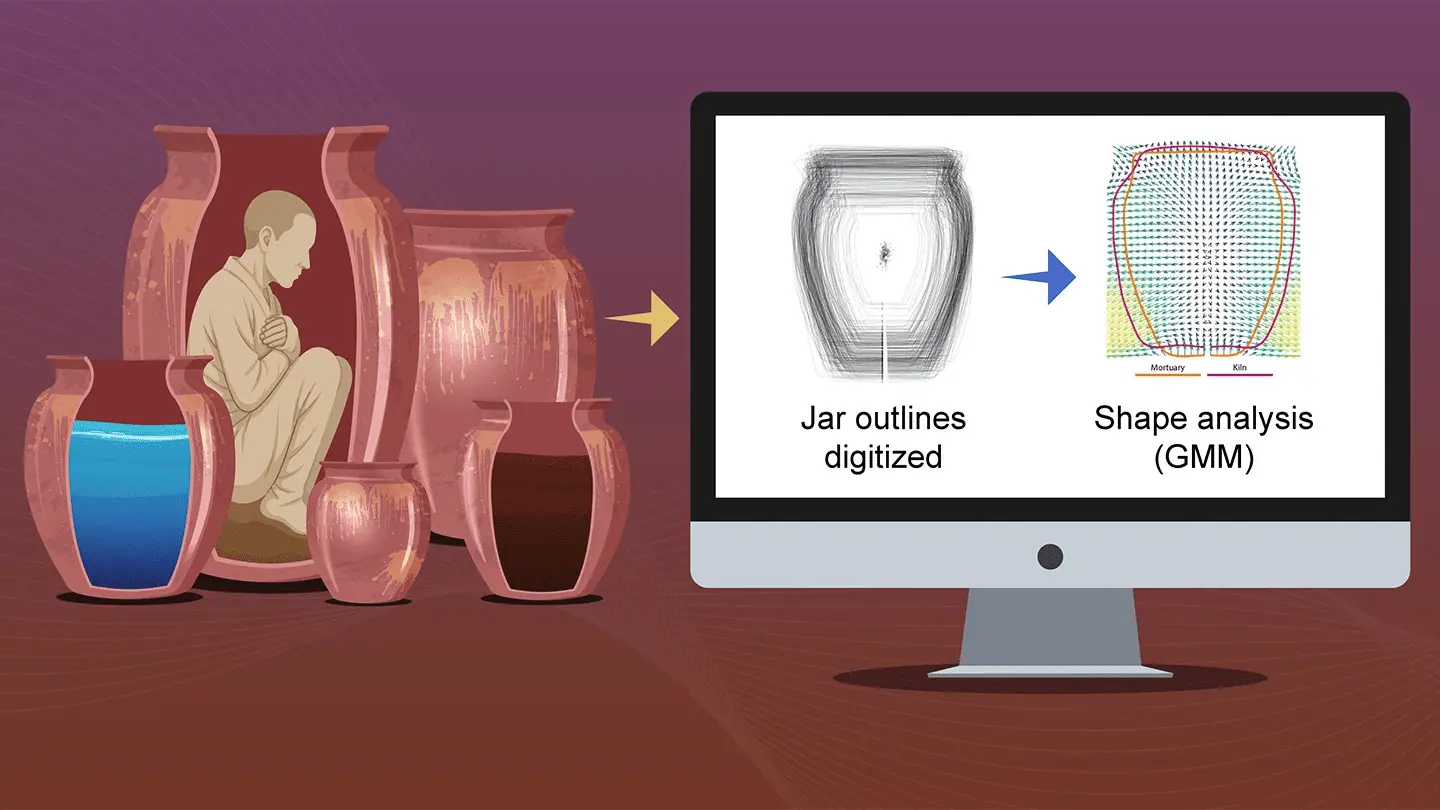
Uncovering the evolution of Edo-period Japanese ceramic jars with AI
Edo-period “Ogame” (“large jars”) became increasingly standardized over time, developing distinct shapes for everyday and burial use, reports a new archeological study from Science Tokyo. Major Edo-period historical events influenced not only expensive porcelains production but also everyday ceramics, offering new insights into early modern Japanese society.