Five students join president and chief academic officer to discuss what makes Science Tokyo special
Strategy for the future — Learning from each other across disciplines
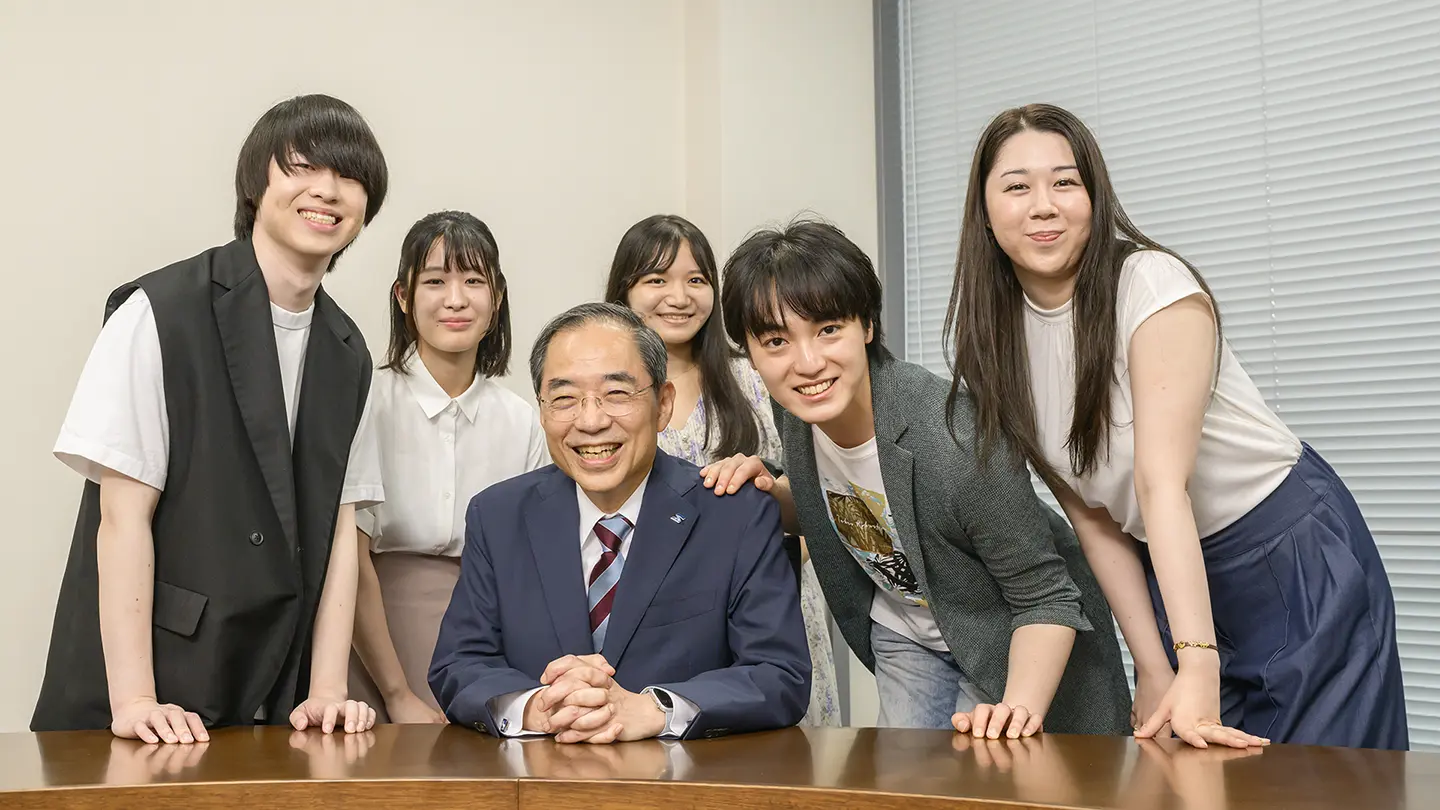
Yujiro Tanaka, president and chief academic officer (CAO) of Institute of Science Tokyo (Science Tokyo), recently met five students to discuss learning, research, careers, and expectations for the Institute. The perspectives of students from different majors and academic years offer insight into the university of the future. Three faculty members who regularly interact with students — Professor Keiko Inokuma, Associate Professor Saori Okada, and Associate Professor Kumiko Yamaguchi — also joined the discussion.
Science Tokyo — Where different disciplines and diverse values intersect and fuse
Tanaka Thank you for joining today's discussion. Could we start with brief self-introductions?
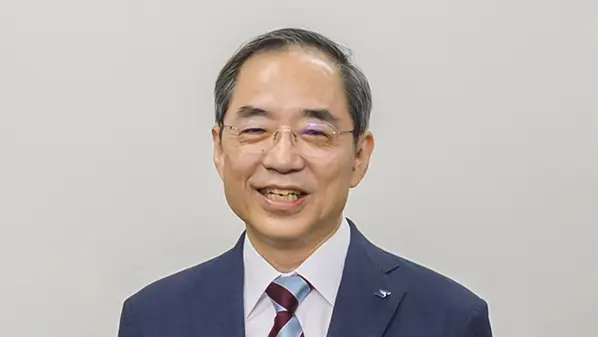
Kiribayashi My name is Ryuju Kiribayashi. I am a 2nd-year doctoral student in Materials Science and Engineering. My research focuses on antibacterial and antiviral ceramic materials. My hobbies include collecting records, antiques, and fossils. I am fascinated by things that transcend time. I also pay close attention to global affairs, including the situation in the Middle East, resource issues, and infectious diseases, with the hope of applying this knowledge to my research.
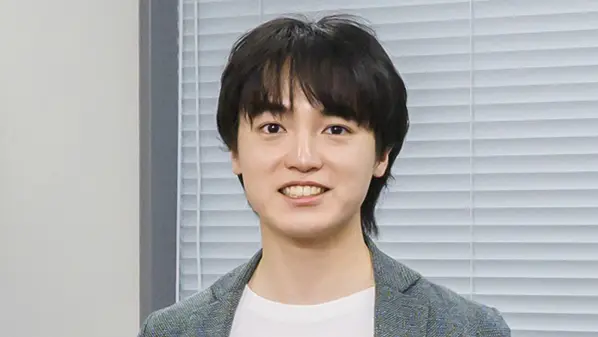
Koizumi My name is Kana Koizumi. I am a 1st-year master's student in Information and Communications Engineering. I am interested in the impact that collaboration between people and AI can have on society. My current research focuses on optimizing drone access points, and I find motivation in shifting my perspective from being a "user" to becoming a "creator." I am also interested in makeup and color, and I value the connection between technology and people.
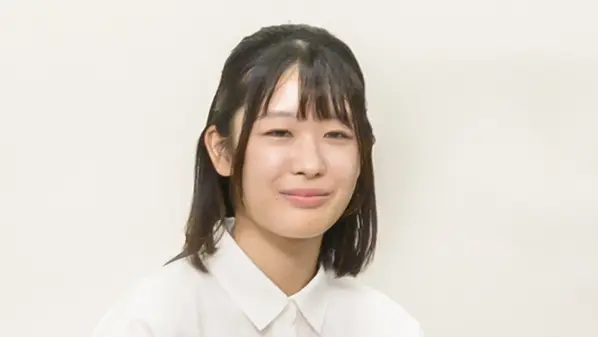
Hames My name is Eleina Yuka Hames. I am a 3rd-year student in Medicine, and a member of the emergency medical club TESSO and the leadership development club HSLP. I have a strong interest in the intersection of AI and medicine. Rather than focusing solely on the technology itself, I place greater importance on how it reaches and impacts people. I broaden my horizons and refresh myself through movies, reading, and running.
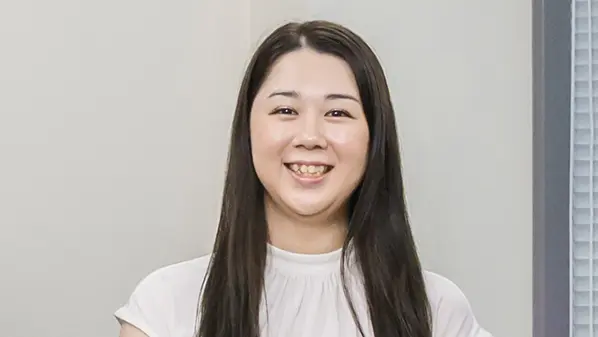
Hayashi My name is Hiroto Hayashi. I am a 3rd-year Dentistry student. I am interested in oral surgery and pathology, and I hope to gain a deeper understanding of causes and disease mechanisms, enabling me to contribute not only to treatment but also to prevention and education. Since high school, I have wanted to acquire a structural understanding of why things happen. I am fascinated by the field of oral medicine, which demands a medical perspective. I am also active in the Japanese archery club and the popular music club.
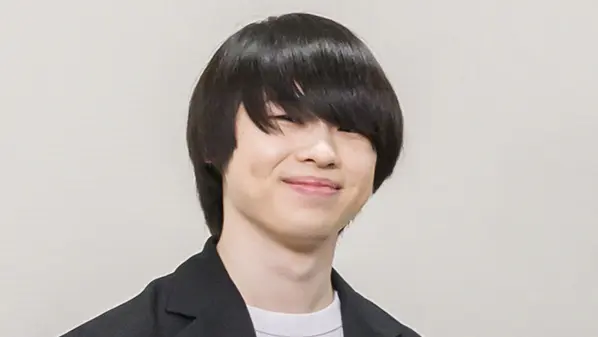
Nakamura My name is Runa Nakamura. I am a 1st-year student in the School of Medicine. I am involved in a wide range of extracurricular activities, including flower arrangement, futsal, track and field, the Child Care Club (CCC) for volunteering with children, and the Asian Medical Students Association (AMSA). I enjoy learning about myself through interactions with others. I am also interested in the relationship between science and society, including ethical, legal, and social issues (ELSI) and science, technology, and society (STS). I believe that an ethical perspective is also important in medicine.
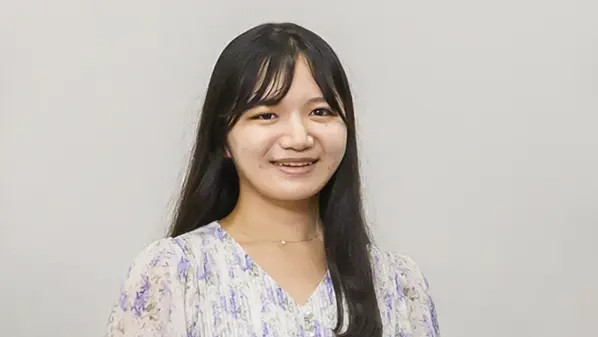
Visionary Project fosters power of dialogue
Tanaka Since the integration of the Science Tokyo’s predecessor universities, have you noticed any changes or gained any new insights?
Kiribayashi I feel that the integration is still in progress, so I have yet to notice any major differences. However, my research combines the medical field of antibacterial and antiviral studies with the materials field of ceramics, and there were no medical laboratories at the former Tokyo Institute of Technology (Tokyo Tech). I look forward to the creation of an environment facilitating collaborative research across these two fields.
Nakamura I am a 1st-year student, so I do not know what things were like before the integration. However, studying together with science and engineering students in the Visionary Project, held on Mondays on Ookayama Campus, has been very meaningful, both in terms of learning and building connections with other students. In the Visionary Project, students from both the science and engineering fields and the medical and dental sciences fields learned about general scientific ethics, ELSI, and diversity and inclusion. Through this project, I realized that people in science and engineering have different perspectives on the same issues, and I learned a lot by understanding how they generally think. I also thought carefully about how to communicate my own ideas to science and engineering students, and how to make them understandable to people who are not familiar with the medical and dental sciences. In this way, the Visionary Project was also an opportunity for self-reflection.
Tanaka What do you mean by "different perspectives?"
Nakamura For example, we attended a lecture on Minamata disease. While science and engineering students seemed to believe that the disease was, in a sense, unavoidable given the historical context of the time, medical and dental students tended to focus on the feelings of the local residents and to consider the issue from a more human perspective. The differences were quite noticeable.
Tanaka So, from the perspective of science and engineering students, they thought that it was inevitable given the standards that existed several decades ago, and that the incident should not be judged by modern standards. Is that right?
Nakamura Exactly. They felt that it would be unreasonable to expect such consideration from scientists of that era, and that criticizing them from today's perspective would be unfair.
Tanaka I see. I suppose medical and dental students, on the other hand, felt that ignoring the sight of large numbers of dead fish floating in Minamata Bay would have been wrong. Was there a clear difference between the science and engineering students and the medical and dental sciences students?
Nakamura It was not a sharp divide, but there was definitely that tendency.
Tanaka Ms. Koizumi, how about you?
Koizumi I participated in the Visionary Project several years ago, so I do not clearly remember what specific opinions were expressed. However, I recall that the discussion among science and engineering students gave the impression that some aspects of Minamata disease were unavoidable due to the standards of the time.
Tanaka When you participated in the Visionary Project, there were only science and engineering students, right? Do the students discuss Minamata disease as a topic every year?
Okada It is a topic that has been valued since the days of the former Tokyo Tech, and it has been continued every year.
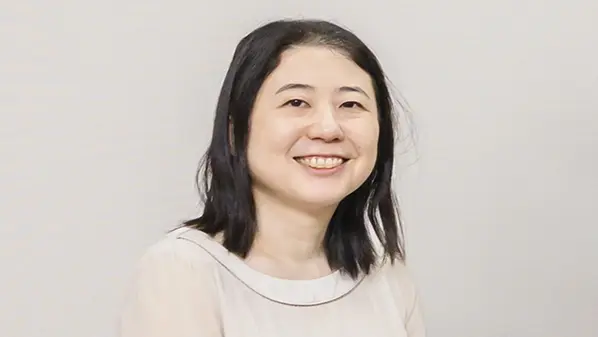
Tanaka I see. So, in sessions where there were only science and engineering students, did most participants think it was wrong to judge past incidents by today's standards?
Koizumi Rather than saying it was wrong to make such judgments, there was a strong view that the incident should be treated as a lesson to prevent recurrence, rather than as a target of criticism.
Tanaka Mr. Kiribayashi, how about you?
Kiribayashi When I participated in the Visionary Project, we listened to a lecture on Minamata disease and then had a discussion. During the lecture, a professor of science and engineering expressed the view that Minamata disease is not just a corporate problem. In the subsequent discussion, many students in my group were critical of the corporation.
Tanaka At my high school reunion, there was a 1st-year student who had retaken the entrance exam and entered Science Tokyo, along with 2nd-year students who had enrolled directly in the former Tokyo Medical and Dental University. He said that because he enrolled a year later, he took part in the Visionary Project on Ookayama Campus, and at that time, he truly felt he had become part of a comprehensive university. I would not say that taking an extra year was necessarily a good thing, but it gave him a valuable opportunity to engage in discussions with people who had completely different ways of thinking.
Faculty perspective of Visionary Project and future prospects
Tanaka From a faculty perspective, has the Visionary Project changed after the university integration?
Okada The atmosphere in the classroom is completely different. When the group consisted only of science and engineering students, discussions proceeded on the assumption, both for better and for worse, that everyone shared the same background. Students who were on their way to becoming scientists and engineers all listened to the Minamata disease story from the perspective that the scientists and engineers had done something wrong and were being blamed. However, when we learned about it together with medical and dental students, we were able to grasp the structure of the issue from a broader perspective, rather than viewing those involved simply as victims and perpetrators. For example, among medical professionals, some worked closely with patients and devoted themselves to identifying the cause of the disease, while others were reluctant to investigate. This allowed us to listen in a way that went beyond assigning blame. Instead, we asked what we ourselves would have done if we had been in that situation. Through this process, people with different perspectives were able to exchange opinions and deepen their understanding. I was struck by how completely different the discussions felt compared to before.
Tanaka Professor Inokuma, how do you view this matter? What was it like teaching science and engineering students directly?
Inokuma
The medical and dental sciences students originally had a class called the Global Topics in Integrated Studies. The final session of the course consisted of small group presentations. This was an element that was not present in the Visionary Project held by the former Tokyo Tech. When held by Science Tokyo, the project incorporates a format in which small groups are formed by mixing together as many science and engineering students and medical and dental sciences students as possible. In the final session, students make group presentations. One nursing student made a particularly memorable comment: "Minamata disease is described as kogai in Japanese, a term often translated as 'industrial pollution' in English. However, there is no truly equivalent English word that conveys the full meaning of this Japanese word. People can only recognize an illness and grasp it as a problem once it has been named. However, waiting for a name to be given can be extremely stressful. If your disease lacks a name, it is impossible to put your suffering into words. There were many people who suffered from Minamata disease before it was officially recognized. Their pain was only recognized once the disease had been named."
The science and engineering students responded with comments such as "It was the first time I truly understood the significance of naming a disease," and "When creating something, I had never thought about whether the technology had a name; however, I realized that creating something new is essentially the same as naming it, and that only once it has a name can it be explained to others." Discussions held among only medical and dental students were limited to the perspective of medical professionals.
However, the Visionary Project built a bridge between science and engineering and the medical and dental sciences. I was able to witness the moment of exchange between students in different disciplines, which was truly wonderful.
Hayashi We conducted the Global Topics in Integrated Studies that Professor Inokuma mentioned earlier with only medical and dental sciences students. However, there were many instances when I sensed a bias due to our medical profession. Honestly, I am a little envious of the fact that the project now incorporates various perspectives.
Hames I agree. In medicine, perspectives often tend to be confined to those within the medical school. At university, we have classes on interprofessional collaboration. Even so, I envy the fact that you have classes like this one, as it broadens your perspective even further.
Tanaka Professor Yamaguchi, if the Visionary Project is only open to 1st-year students, is that unfair to 2nd-year students and above?
Yamaguchi I am currently discussing with various professors how to create some kind of opportunity for students in the second year and above to study on Ookayama Campus.
Tanaka
There are interdisciplinary graduate programs in science and engineering, right?
Kiribayashi Yes, that is right.
Tanaka Are there any that include the medical and dental sciences?
Kiribayashi Not yet.
Tanaka It would be great if, as a result of the integration, such programs could be developed. Looking at examples of university mergers overseas, it is often said that integration tends to go well when students take the lead in adapting. You mentioned earlier that the perspectives are completely different. Why do you think that is? After all, both are in the sciences.
Yamaguchi It is interesting that students' perspectives already differ even in classes held immediately after entering university. At that stage, they should not yet have developed ways of thinking specific to the medical and dental sciences or to science and engineering. Conversely, as students advance through each year, they grow and their perspectives evolve. It might be an interesting idea to conduct the same project with 2nd-, 3rd-, and 4th- year students using exactly the same materials.
Possibilities of science and society envisioned by diverse students
Tanaka As president and CAO, I am proud to see how deeply you think about your education. Could you share your impressions of and expectations for Science Tokyo?
Nakamura Science Tokyo carries a strong sense of mission to pioneer the frontiers of science. In addition to studying my own field, I want to value my connections with people and engage with a variety of perspectives. I am also interested in the possibilities that AI and bioengineering can bring to medicine.
Hayashi Science Tokyo is like a newborn. I look forward to watching it grow as a new institution born from the integration. I also want to experience that integration firsthand through interaction with students from the former Tokyo Tech. I am excited about the fusion of dentistry with science and engineering.
Hames Science Tokyo is a frontrunner in designing the future. I empathize with its commitment to contributing to society. I would be glad to see even more opportunities for practical learning. I am also involved in launching a club for medical and engineering collaboration.
Koizumi I feel that Science Tokyo will pioneer the next generation. I am interested in connecting learning with social implementation. Participating in lectures based on group work for resolving issues was a great learning experience.
Kiribayashi I think of Science Tokyo as a long-established emporium of science education Knowledge from diverse fields comes together there, and diversity and specialization coexist. I am currently focusing on research into antibacterial and antiviral ceramics, with an awareness of balancing theory and application.
From emporium of knowledge to open learning — Visions for Science Tokyo’s future
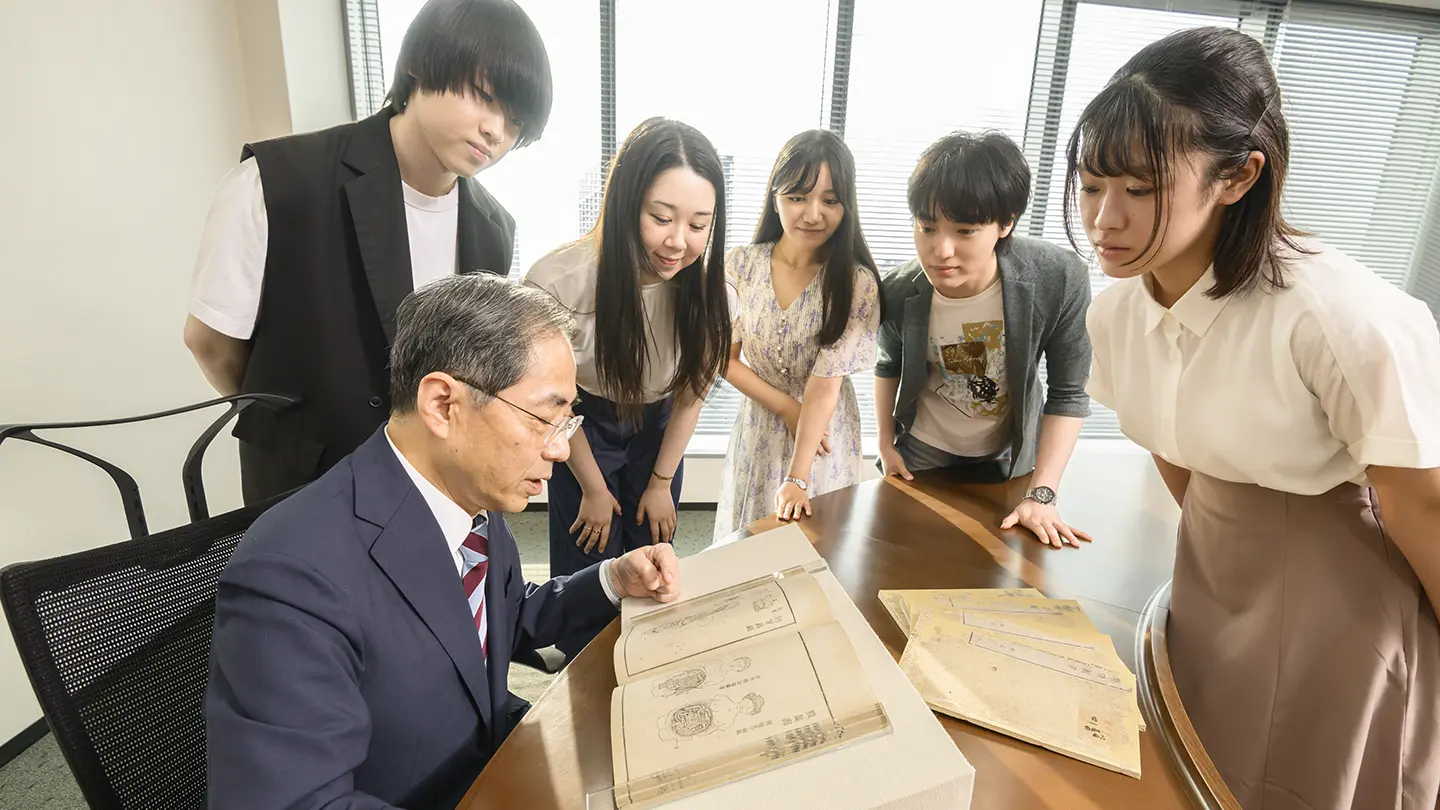
Hames President Tanaka, do you have a vision for what Science Tokyo will be like five or ten years from now?
Tanaka I see my role as setting the direction. It is about creating the soil in which things can grow. The students and faculty are the ones who will decide what seeds to sow, how they will grow, and what flowers will bloom. We have brought together the science and engineering fields and the medical and dental sciences into a single university, and within the next five years, I hope to build a framework that enables organic exchange across campuses such as Ookayama and Yushima. After that, it is up to all of you to shape what comes next.
Hames Is there anything new that Science Tokyo can do to set itself apart from other universities? For example, are you considering creating specific frameworks or environments that allow students to interact more freely?
Tanaka
It would be great if we could do more things together, such as club activities. Starting in 2028, I hope to have all 1,300 1st-year students in science and engineering and in medical and dental sciences take classes together. That should expand their networks even further.
Science and engineering students naturally tend to be future-oriented. This is symbolized by the "more desirable future" phrase. In contrast, medicine and dentistry students work directly with patients, so they tend to focus on the task at hand. That is precisely why their perspectives differ. I believe medical and dental sciences students should also think about what healthcare should look like in the future, and science and engineering students should consider what society needs right now. When both perspectives come together, excellent scientists, engineers, and medical professionals can emerge, and new ideas are born at their intersection.
When I was researching the liver, I was working in a very narrow field. It really felt like the definition of a red ocean. But when science and engineering intersect with medicine and dentistry, new possibilities arise, turning that red ocean into an emerald-green blue ocean. Research conducted in that space is both enjoyable and deeply rewarding.
Envisioning continuous learning — Science Tokyo as hub of open knowledge even after graduation
Tanaka This year, Ochanomizu University joined the Future Leading Innovation Partnership (FLIP) as a new partner. Looking at the partnership as a whole, this addition not only improves gender balance but also brings new culture into the mix. One idea under consideration is for the new university partnership to organize so-called campus-hopping study sessions. Beyond gender, the Tokyo University of Foreign Studies reportedly has a 40 percent international student ratio, offering opportunities for international collaborative learning. Hitotsubashi University's campuses provide a medieval feel. On Science Tokyo’s Ookayama Campus, visitors are greeted by robot-like buildings, while on Yushima Campus, the university hospital is very visible. Experiencing the character of each campus and engaging in discussions with people from different backgrounds would, I think, greatly broaden students' perspectives.
Nakamura I am currently studying in the liberal arts program. I believe it is a valuable experience for future scientists and medical professionals to study liberal arts outside their areas of specialization and to broaden their horizons by learning about other fields.
Tanaka It is impossible to live and thrive in society as only a scientist or medical professional. To live and work while engaging with people from diverse backgrounds, it is important to have a shared language that enables empathy and understanding. This is true not only in Japan but also globally, and that is what we mean by liberal arts. There are many things that can be shared across time and generations, and I believe it is important to cultivate that kind of timeless understanding.
Profiles and comments of roundtable participants
The following Science Tokyo members participated in the roundtable discussion (from left to right in photo).
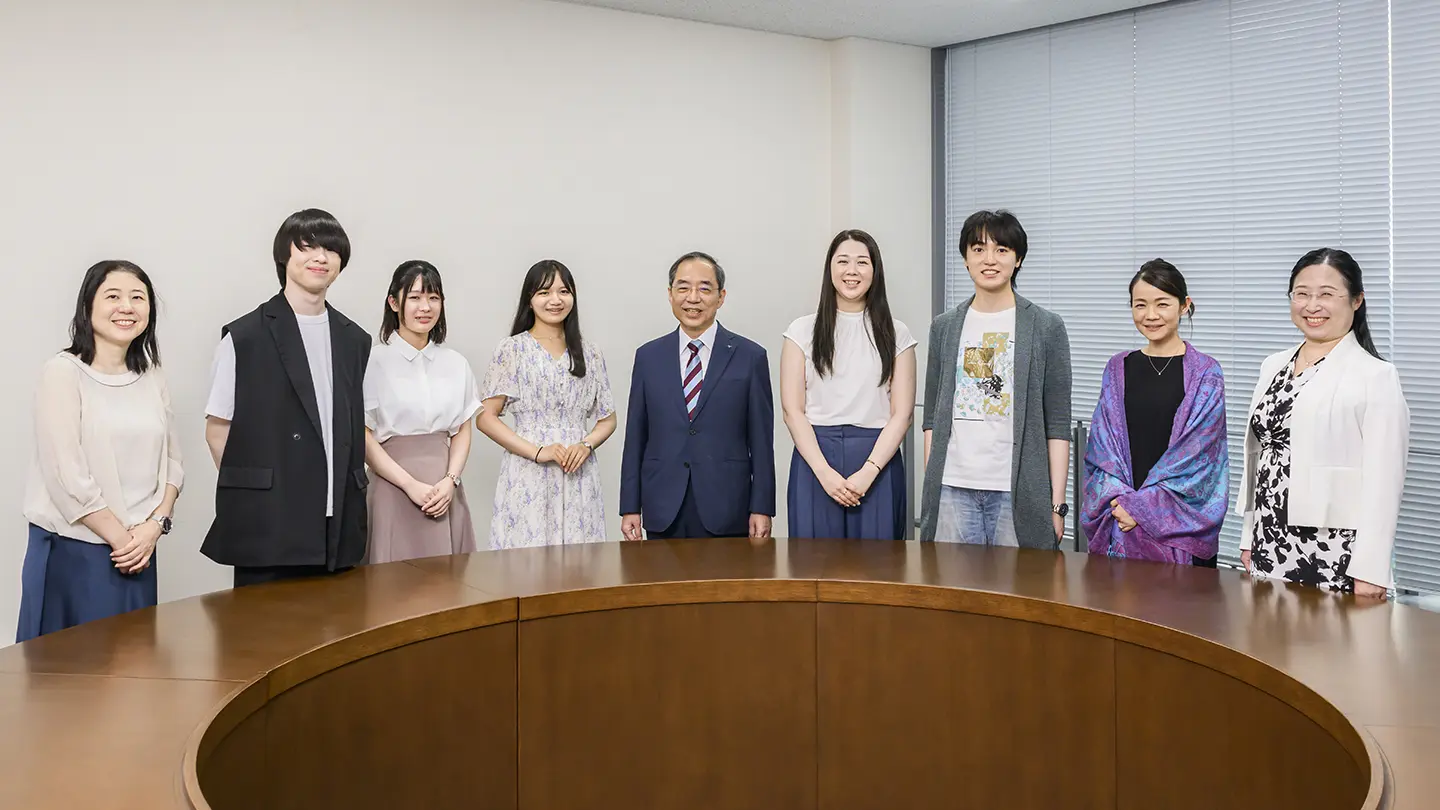
Saori Okada
Associate Professor, Institute for Liberal Arts
I was happy to hear how students were deeply impressed by the discussion about Minamata disease during the Visionary Project. I hope that students will continue to meet and interact with a variety of people, deepening their expertise while also learning outside of their field.
Hiroto Hayashi
3rd-year student, School of Dentistry
It was refreshing to be able to talk beyond differences in academic year and field of study. I felt that such exchanges represent what a university should truly be.
Kana Koizumi
1st-year master's student, Information and Communications Engineering
I was able to reaffirm that diverse perspectives are essential for problem-solving. The discussions also connected directly to real-world issues.
Runa Nakamura
1st-year student, School of Medicine
Learning together with students in science and engineering gave me an opportunity to refine my own opinions. The discussions were very stimulating.
Yujiro Tanaka
President and Chief Academic Officer (CAO)
Today's roundtable reminded me once again that the power of learning is born from dialogue between people. We will make sure to reflect everyone’s voices in the ongoing development of Science Tokyo.
Eleina Yuka Hames
3rd-year, School of Medicine
I not only reaffirmed my own interests but also deepened my respect for other fields.
Ryuju Kiribayashi
2nd-year doctoral student, in the Department of Materials Science and Engineering
The roundtable gave me an opportunity to reconsider the significance of my own research. I hope to continue building connections with others.
Keiko Inokuma
Professor, Institute for Liberal Arts
I was very impressed by how students listened sincerely to the opinions of other participants, regardless of their specialization or age. I hope that students will continue to have fruitful interactions with a diverse range of their peers, while maintaining flexible receptiveness and tolerance unique to young people.
Kumiko Yamaguchi
Associate Professor, Center for Healthcare Education
I was deeply touched by how those who had once been 1st-year university students now shared their own experiences across generations. I hope that students will gain a variety of experiences and deepen their learning through dialogue with diverse peers.
Rerated articles
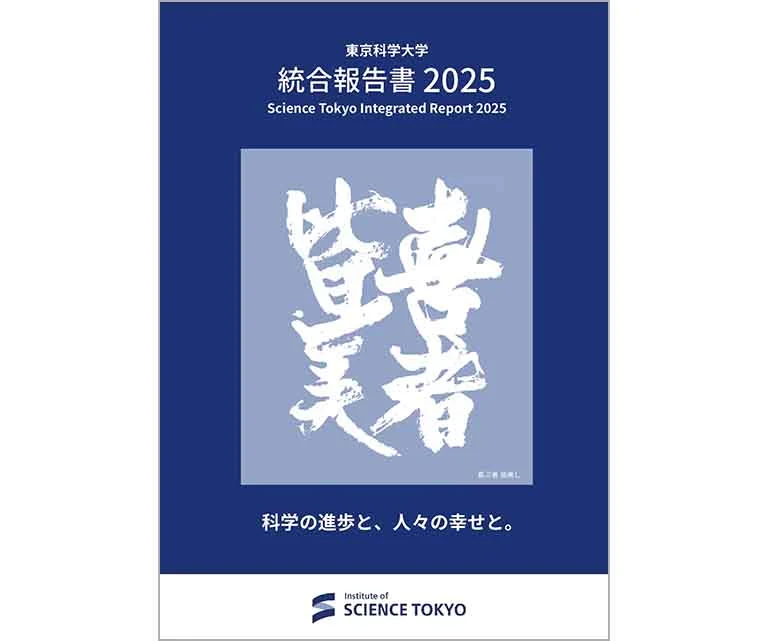
Integrated Report 2025
In addition to financial data, the Integrated Report provides a comprehensive overview of Science Tokyo’s contributions to society, governance, and non-financial information for its stakeholders.
The report describes the Institute's education, research, social initiatives, and management strategies, while charting a course towards further progress.
Interview held on July 3, 2025