Shaping the future of Science Tokyo with young researchers
Toward a better, brigther future
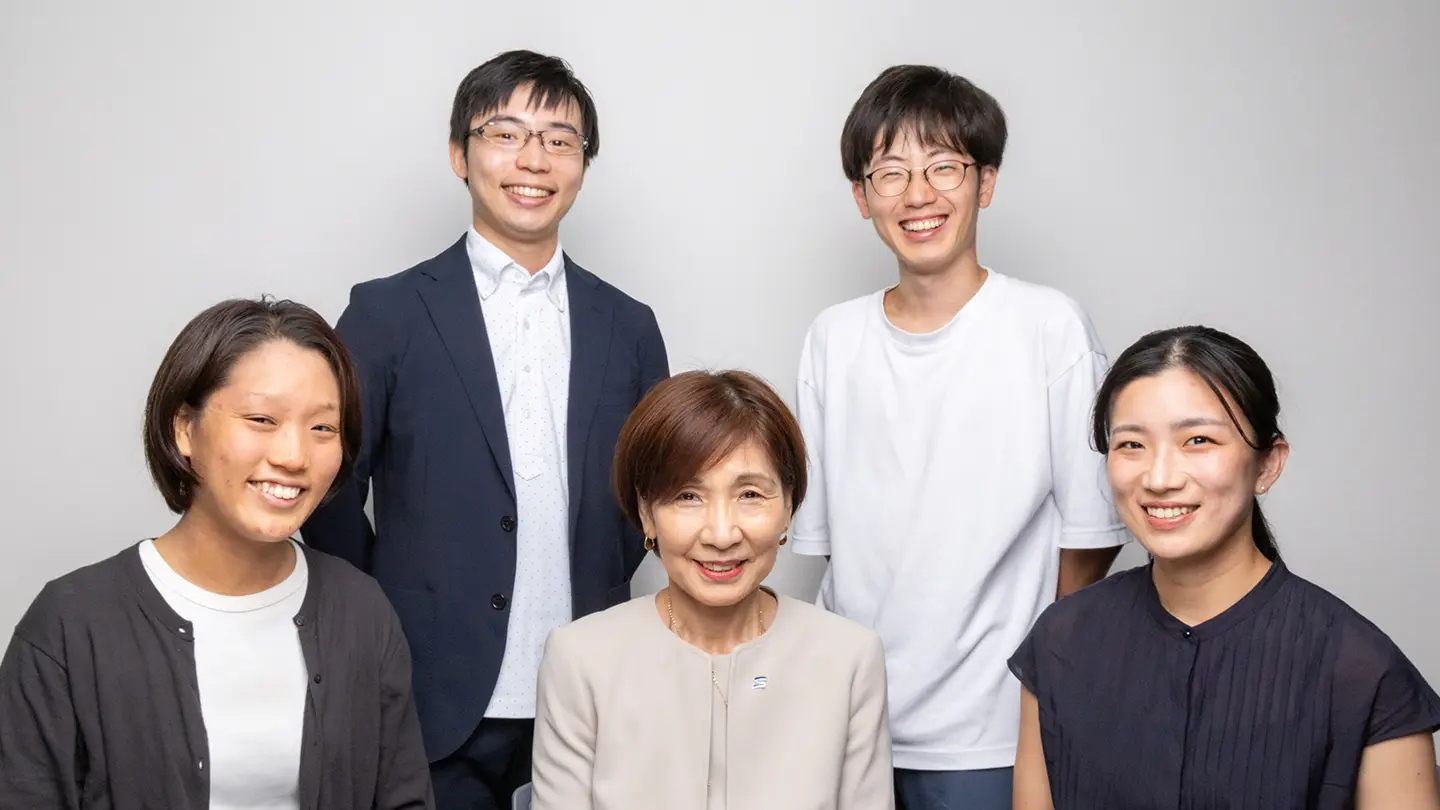
Young researchers who will shape the future of Institute of Science Tokyo (Science Tokyo). What interests these young researchers, and what are their aspirations? In this session, four researchers from the fields of physics, nursing, ergonomics, and dentistry discussed the meaning of contributing to society through the power of science. The discussion was moderated by Executive Vice President Mutsuko Hatano.
On the path to becoming a scientist
Sawada My field of research is home and palliative care nursing. I would like to further utilize AI and IT to ensure that necessary long-term care and medical care are accessible regardless of region. With that in mind, I hope to become a researcher who can work internationally. However, I am concerned about whether I will be able to pursue a stable career as a researcher after completing my doctoral degree. Also, when I think about collaborating with overseas entities, I have vague concerns about the global affairs and conflict. Still, seeing everyone engaged in their own research and envisioning their future has motivated me to work toward the same challenges. I hope the university will provide opportunities for students like me to connect and talk about a bright future together.
Yoshida I also see the difficulty of career planning as a major issue. I often hear about researchers who manage to get a postdoc but then struggle to find a position afterward. When I look at job openings for research positions in fields where I could apply, many are limited to women only, or there are simply too few positions available. As I think about pursuing a career as a researcher, it is frightening not to know how many options exist or how broad my possibilities really are.
Hatano Are you considering working overseas?
Yoshida Yes, I am open to working overseas. There has been a lot of instability in the U.S. recently, so I am currently leaning toward Europe. I have been collaborating with researchers in Germany, so Europe naturally came to mind. However, working overseas would pose financial challenges. Even the salaries provided through JSPS Research Fellowships for Young Scientists and Overseas Research Fellowships often fall below the local minimum wage, and as a result, I have heard of many cases where researchers were unable to obtain a visa. Even when making full use of Japan's support systems, we still need help from the host side, which raises the barriers. It is difficult to go abroad because of these practical issues, long before language becomes a concern. I would like to see more support available after obtaining a doctorate.
Hatasa Aside from positions, the science and engineering fields also involve both research and education. In the medical and dental fields, however, clinical practice is added on top of that. Due to technologies such as AI, research and practice are developing at a speed several dozen times faster than before. This makes it extremely difficult to aim to be at the top of both areas. I would like the Institute to establish a clearer division of roles so that researchers can focus on either research or clinical practice. In dentistry, private practitioners, rather than universities, are now leading clinical innovation. For example, most new surgical techniques are now developed by dentists in private practices. To break away from this situation, I hope the Institute will move toward more clearly separating research and clinical work.
Hatano The merger that created our university is truly an exceptional opportunity to overcome these barriers and create a new kind of research and educational environment. I hope that young researchers will transcend the boundaries between clinical and fundamental research and produce outcomes that can be shared with the world.
Hatasa Many world-renowned professors focus solely on clinical research. They launch their own clinical studies, write papers based on those studies, publish them in industry journals, build their reputations within their fields, and then present their work at conferences. Nowadays, researchers are increasingly divided between those who devote years to producing a single paper for a high–impact factor journal and those who publish a large number of papers based on clinical research. It is difficult to reach the top in both approaches.
Hatano Perhaps the university merger has revealed potential solutions and new value.
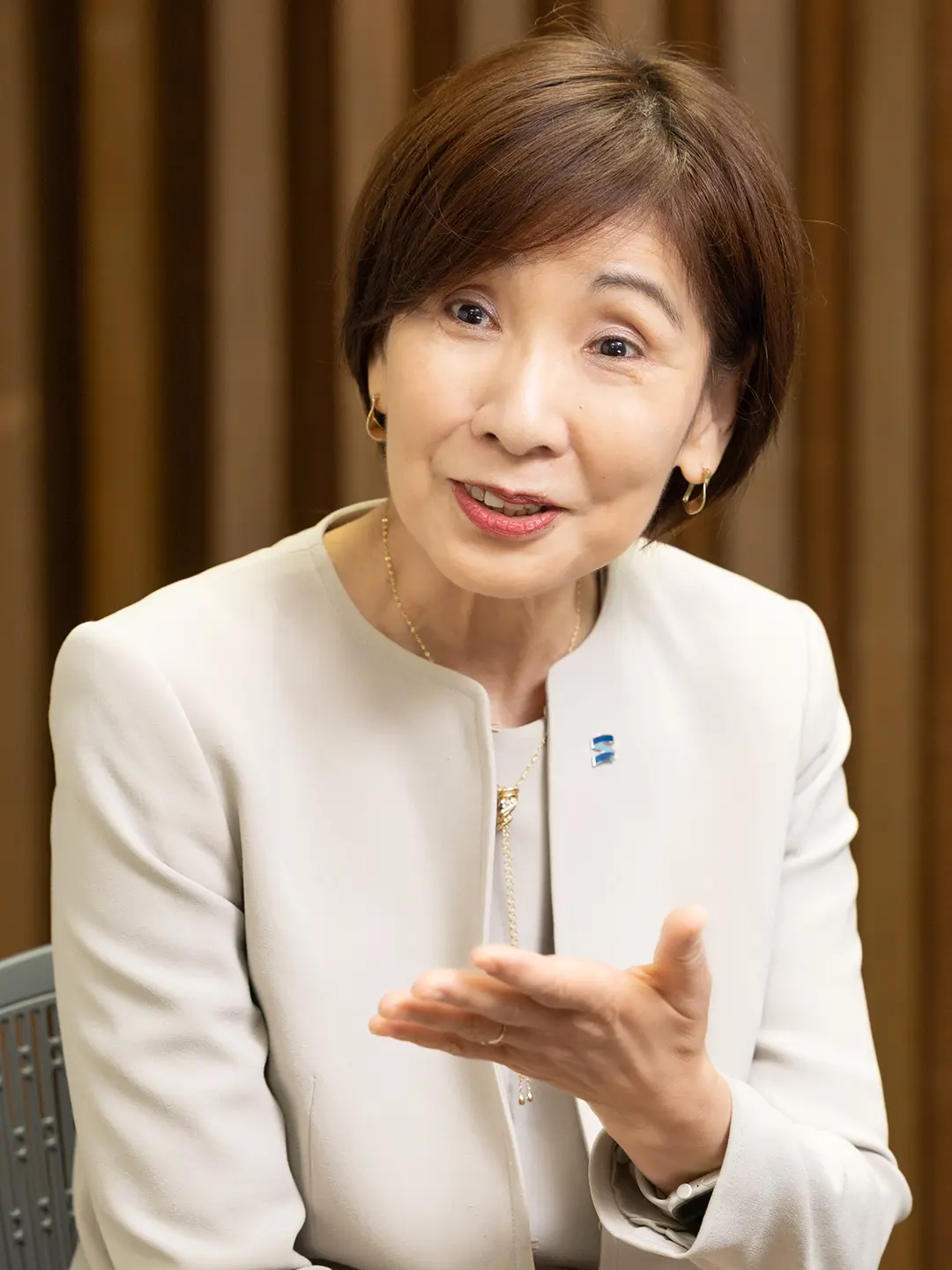
Hatasa I think the merger will finally allow us to separate fundamental research. Until now, dental researchers have been responsible for everything, including conducting fundamental research, performing translational studies to apply that research, and carrying out clinical research. Entrusting some of the fundamental fields to others will enable us to allocate our resources more effectively to other areas.
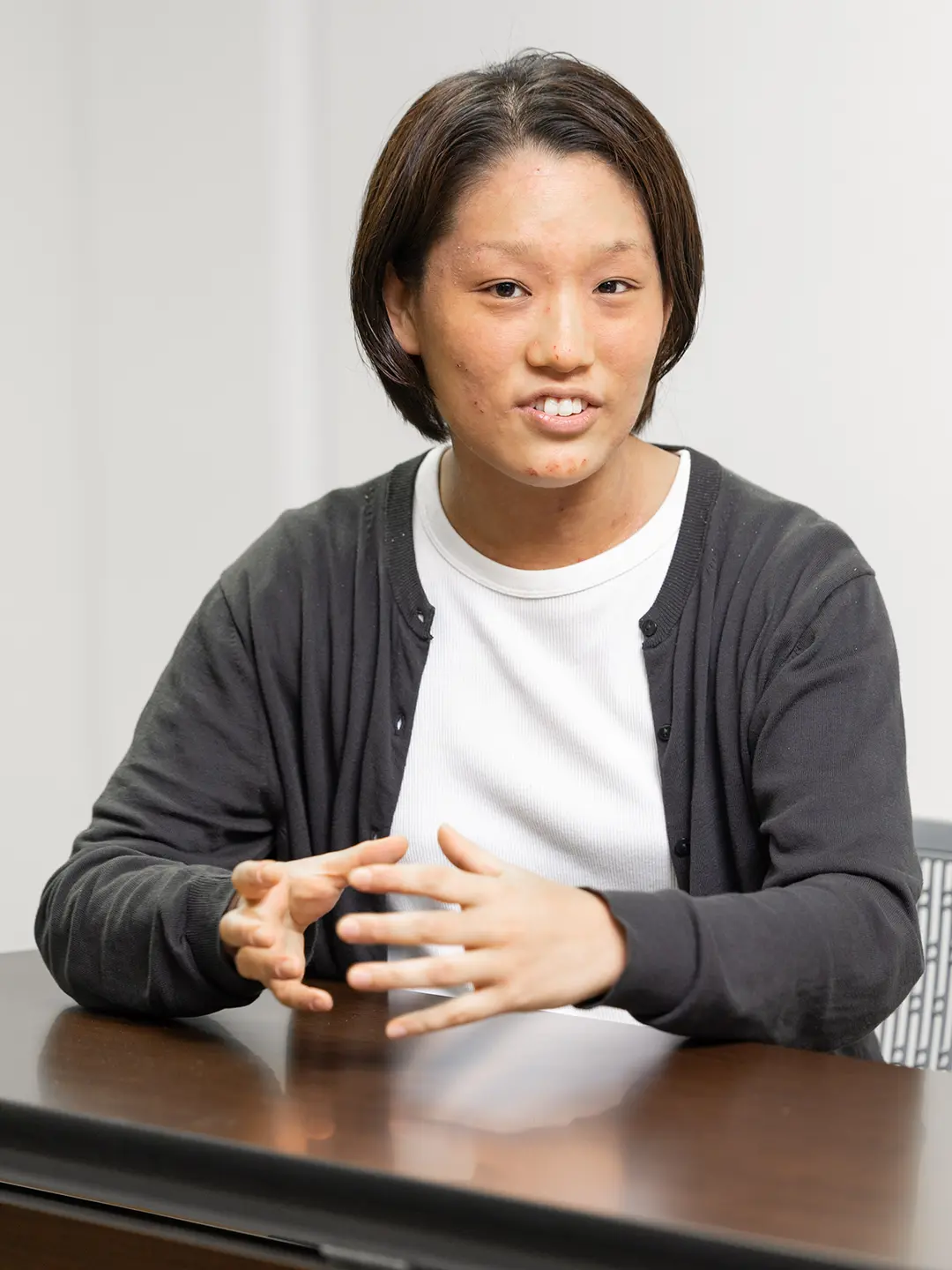
Nomura
My research focuses on application within the field of engineering, and I am often told that my work is very meaningful. However, I do not believe that research is valuable simply because it is applied. The current trend seems to suggest that only research contributing directly to society is considered good, but I feel we may be forgetting the true breadth and joy of academic inquiry. Medical and dental researchers actually treat patients, so they might feel that such comments sound a bit too idealistic. Nevertheless, fundamental research is a prerequisite for development, so it is important for a university to show its breadth by properly evaluating and funding such research. On the other hand, even researchers who are more involved in application sometimes find it difficult to recognize issues other than those related to social implementation. Therefore, I think it would be good to form teams that properly focus on actual issues.
I looked for jobs once while I was studying in the master's program. In my lab, we create things to benefit people, so I thought I could do the same in industry. However, in a profit-driven environment, the priorities shift to producing what sells and meeting deadlines. That experience made me reconsider my path, and I decided to pursue a doctorate. Ultimately, I realized that the framework of academic research is essential for truly pursuing what people need.
Hatano Pursuing a doctorate is a great opportunity to pursue the future you envision. Of course, it is not an easy path, but the creativity and the ability to identify and solve problems that you develop along the way will be needed across all areas of society. The path that all of you are taking as researchers is a valuable challenge that will shape the future of science and society.
Nomura I agree. I decided to pursue graduate school because I thought that completing a PhD and spending a total of six years — counting from my four-year bachelor's degree onward — would allow me to develop the ability to conceptualize ideas and define problems. These are skills that would enable me to succeed even in industry.
Hatano What do you think is the importance of pursuing a PhD at the Faculty of Dentistry?
Hatasa Well, one reason I chose to pursue a PhD was because I wanted to get a real feel for science. In the medical field, there are quite a few people who make statements without any scientific evidence. That made me want to see for myself what science really is. I thought that writing a paper on my own would help me understand it. The other reason was simply that I wanted to create opportunities for patients with periodontal disease to seek treatment.
Hatano Writing a paper encourages deep thought, which leads to the exploration and creation of a wide range of knowledge.
Yoshida I decided back in high school that I wanted to become a physics researcher, so I pursued a PhD. Perhaps I was just fortunate that my interest continued for so long.
Hatano Have you liked science ever since you were little?
Yoshida Yes, I have. I have always been curious about nature, even in elementary school. For example, I was fascinated by snowflakes.
Sawada I pursued a master's degree because I wanted to work in clinical medicine. However, when I was working in clinical practice, even if something caught my attention, I was often so busy that I had to prioritize seeing the patient in front of me. There was little time to explore the things that interested me. That experience motivated me to pursue a doctorate and conduct more in-depth research. Also, while studying abroad, I found it very enjoyable to talk with people from other countries and different fields. I realized that such experiences are not possible through clinical work alone.
Overcoming misunderstandings to connect — The challenge of connecting different fields
Hatano Visionary Initiative (VIs) is about more than simply solving social issues; it is an initiative that envisions a desired future and creates a shared vision for realizing that future by structuring and solving social issues. Science Tokyo currently has six VIs. I hope that a student-initiated VIs will emerge in the future. I believe that new value can be created by teaming fundamental research and applied research. I am sure you have all looked at the VIs. I would love to hear what kind of future and vision you each imagine for 2050, 25 years from now.
Nomura My research field is accident prevention for the elderly and children. I focus on uncontrollable risks, accidents, dementia, and other risks that impair well-being. Twenty-five years from now, I hope that AI and digital transformation will have further advanced and become more integrated into society, creating a world where people of all ages can live happily. Personally, I hope to have achieved at least one outcome that can be applied as a technology, something that makes me feel I have done meaningful work, whether it takes shape as a contribution through industry or through research.
Hatano Do you feel that the university merger has made it easier to envision the future?
Nomura My lab was originally multidisciplinary, with the lab professor conducting research with faculty members from the former Tokyo Medical and Dental University and a physiotherapist who earned qualifications at Kyoto University working as a postdoctoral fellow. Therefore, in terms of interdisciplinary research, there have not been any major changes due to the merger. However, the merger has fostered a growing sense of collaboration across the university, and joint projects led mainly by young researchers are progressing. In that sense, I feel that we are gradually moving closer to the future we envision.
Hatano That is wonderful.
Nomura I have some interaction with medical and dental students through student group activities. When holding meetings with such students, I notice subtle differences in the way we communicate and converse.
Hatano When we have meetings on campus, I tend to state the conclusion first. In contrast, I feel that medical and dental professors usually present their conclusions last. Doctors do not abruptly state the condition or treatment outlook for an illness to patients in a direct manner; instead, they carefully explain the process and background before arriving at a conclusion. With that background in mind, I also make a conscious effort to listen attentively until they have finished speaking. I believe that learning to understand one another's disciplinary cultures opens the door to new forms of collaboration and future possibilities.
Nomura In science and engineering, there is a culture of openly exchanging opinions and engaging in spirited debate, so we are constantly challenging and learning from one another. However, I feel that this approach is not always necessarily the best.
Hatano It has been a great learning experience for me as well.
Nomura We need to overcome such communication differences to facilitate integration.
Hatano I feel like something new might emerge from those differences.
Nomura That is right. Speaking to each other enables us to understand our differences and build new relationships. I believe that a shared awareness of having become a single university helps promote that kind of communication.
Hatasa You mentioned different ways of conversing, but not having a common language is also a problem. For example, all professors from the School of Dentistry are familiar with the terms "periodontal pocket" and "BOP." Professors from the School of Medicine only come to understand these terms after receiving integrated medical and dental education. But science and engineering professors have no knowledge of such terminology. Integration would likely progress more smoothly if there were people who could effectively translate across this language barrier.
What is your ideal future 25 years from now?
Yoshida In 2050, 25 years from now, I hope the world will be a place with enough stability and peace to allow the pursuit of fundamental scientific research. Recently, wars have been breaking out across the globe, and I have heard that science budgets are often the first to be cut and redirected to military spending. AI is extremely popular; however, from the perspective of scientists engaged in fundamental research, AI is entirely an application built on fundamental science, yet the underlying research that supports it rarely receives attention. I worry about a future where fundamental research can no longer be carried out. Natural science originally developed among the affluent upper classes, and I believe that such research requires a certain degree of prosperity. I hope humanity will progress peacefully and become a more balanced society.
Hatano Fundamental research requires peace of mind and intellectual curiosity. That is why universities must provide an environment where researchers can pursue challenges with confidence and continue to convey the value of fundamental research to society. Ultimately, it is the research born from your curiosity that will sustain the future.
Yoshida Fundamental research cannot truly thrive when researchers are forced to focus on more immediate issues.
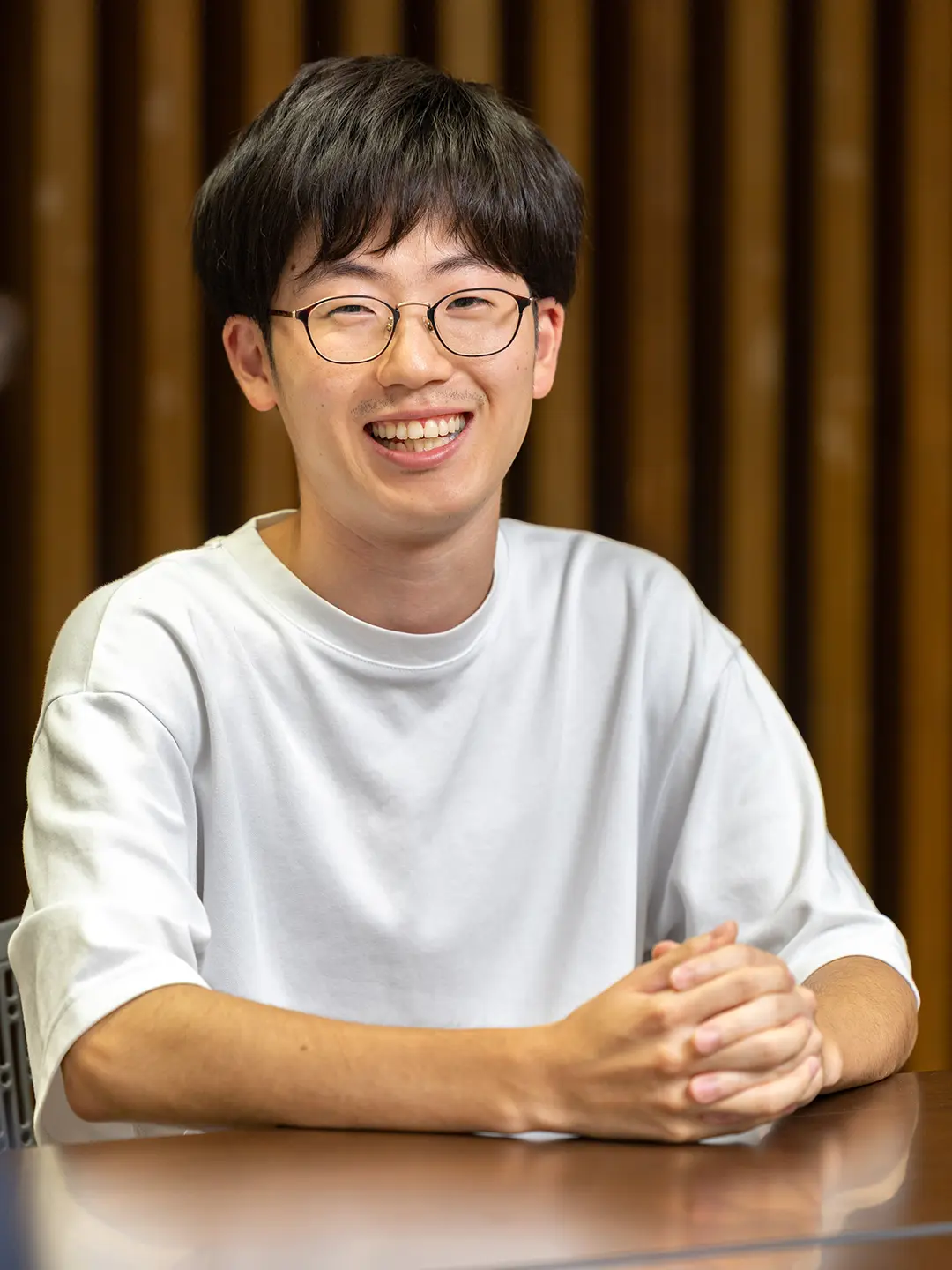
Hatano First, how do you define fundamental research?
Yoshida I think any research with the ultimate goal of "being useful" is applied research. In terms of the natural sciences, I would describe fundamental research as being driven by curiosity or interest in nature. The pursuit of fundamental research is rooted in the desire to learn more about things that we do not yet understand.
Hatano Applied research is also rooted in curiosity. I feel that fundamental science has an almost artistic quality, woven together by beautiful mathematical formulas and rich imagination. Do you ever sense an element of artistry in fundamental science?
Yoshida The closer you look at nature, the messier it appears. Of course, there may be beauty in fields such as pure mathematics. However, since natural science deals with nature itself, its true pursuit lies not in beauty but in uncovering mysteries.
Hatano I hope that society will have enough capacity to allow researchers to pursue their studies driven purely by curiosity. I believe that having people like you, Yoshida, involved in applied research will broaden perspectives, provide great inspiration, and help realize the kind of future we aspire to. I actually read your paper, and I was truly impressed by how it pioneers a new field of study.
Yoshida Thank you very much. To be honest, when the VIs were first announced, I felt that even though there were six of them, there was not really a place for me. But after today's discussion, I realized that I may have misunderstood.
Hatano All of you possess a pure curiosity and spirit of inquiry that will be the driving force behind the success of the VIs. Please think and act freely across boundaries, exploring boldly in all directions as you creatively "stir up" the VIs. We will warmly support your endeavors and be ready to lend a hand whenever you need it.
- The goal is to involve all researchers, mainly from the medical and dental sciences, and science and engineering, in the activities of one or more VIs by FY 2028.
Pioneering the next 25 years through medical and dental sciences and science and engineering
Sawada When I lived in a rural area, I saw many people who, immobilized by incurable illnesses and unable to receive treatment, required constant care and had lost the will to live. After moving to Tokyo, I found that many people were making effective use of available support systems and, although not completely independently, were able to live at home. In 25 years, I hope such systems will also be well developed in rural areas. As Japan's population declines, the number of nurses and caregivers continues to decrease. Research into digital technologies to compensate for this shortage is underway, but for now, medical and nursing care ultimately depend on human hands, which means there is a delay before these technologies spread nationwide. I hope that alternative technologies will accelerate the process so that, 25 years from now, even rural areas will be able to provide cutting-edge medical and nursing care.
Hatano The challenges faced by rural areas are often hard to imagine when living in an urban environment.
Sawada Rural areas have their own kind of warmth in human relationships, but unlike in Tokyo, patients do not have as many options, such as being hospitalized, moving into a care facility, or living at home with support. For example, in rural areas, there are extremely limited options for people who live with a ventilator.
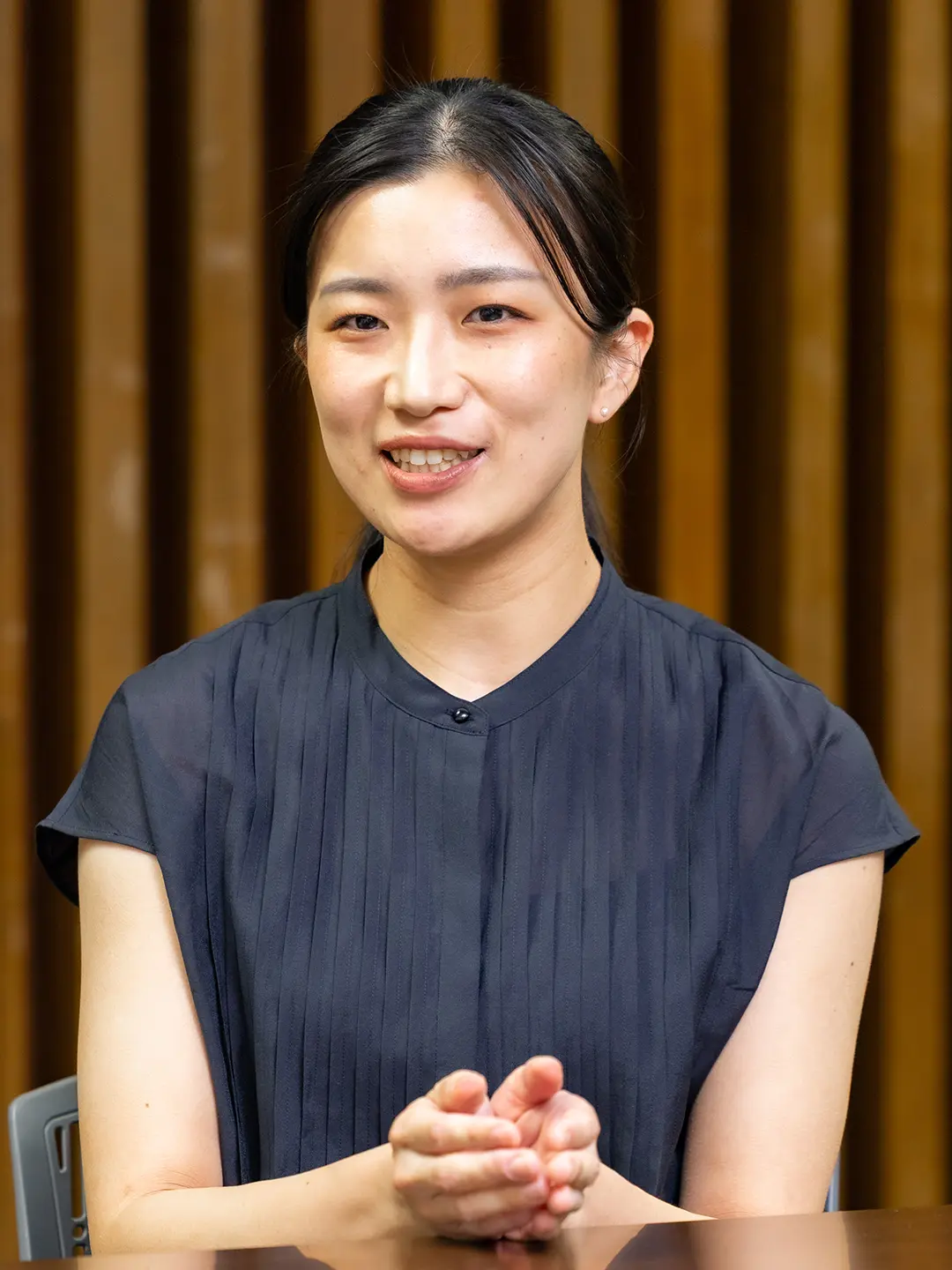
Hatano I see. Hopefully, joint research with the science and engineering fields will help lead to solutions.
Sawada When conducting joint research, if meetings include only nursing and medical professors, discussions tend to focus on somewhat abstract ideas like "we would like to do this for these kinds of patients," and it is difficult to reach a concrete goal. When science and engineering professors join in, they introduce ways of thinking that we could never have imagined. For example, they might say, "Since this is our ultimate goal, we first need to decide on this point. Rather than spending time talking in general terms, we need to secure a patent by this date." Observing that kind of structured thought process is extremely educational for us.
Nomura A major hurdle in researching the digitalization of long-term care is obtaining consent from patients to install various sensors and cameras for continuous monitoring of their condition. If a university could establish even one care facility where such measures are built into the premise from the start, research would progress rapidly and become a pioneering example of medical-engineering collaboration.
Sawada There are already some initiatives that allow a certain amount of data to be collected at existing facilities, making it possible to fully understand and analyze residents' conditions. If universities themselves had such facilities, research would undoubtedly advance even further.
Hatano In the future, Japanese society will be sustained by people from diverse backgrounds. The merger that created the Institute is a microcosm of that future. By building an environment where talented individuals can learn from and collaborate with one another across national and cultural boundaries, we aim to contribute to solving global challenges and to nurture leaders who will realize our shared vision for the future.
Connecting perspectives and expanding possibilities — Research that transcends fields and reaches society
Hatano In the fields of nursing care and medicine, there is extensive involvement with a wide range of people, beginning with families. This also includes providing emotional and psychological support.
Sawada I feel there is still a considerable gap in perception between researchers and others. Science Tokyo promotes VIs, which is directly connected to people's daily lives. Therefore, we have a responsibility to explain VIs clearly and raise public awareness. People will only cooperate if they understand.
Hatano I completely agree. If we confine ourselves to research alone, it will be difficult to achieve future progress. Above all, the "desired future" envisioned in VIs cannot be realized by us alone. The concept is to work together with stakeholders around the world, and we are building a global ecosystem to make this collaboration possible. I hope that all of you will take on this challenge with us.
Yoshida In physics, researchers have complete control over their work. There are no ethical issues like those that arise in studies involving human subjects.
Hatano That is quite different from medicine and dentistry, where protecting people's lives and health is the top priority.
Hatasa Even when we want to advance our research, it can be very difficult if doing so risks infringing on patients' rights. The Institute's Ethics Committee operates under very strict regulations, and we need people to help with the process. For example, in clinical research, doctors are responsible not only for writing ethics review documents but also for handling all the complex correspondence with the committee. After preparing these documents, we must then explain a vast amount of information to the patients. It would be very helpful to have people who can assist with these steps and handle the collection and management of clinical data.
Hatano Could that role be fulfilled through technology rather than by people?
Hatasa It does not necessarily have to be done by humans. I would like to get help with such technology from professors of science and engineering. It is only natural that the Japan's population will decline and manpower will decrease, so I think this is a very important area.
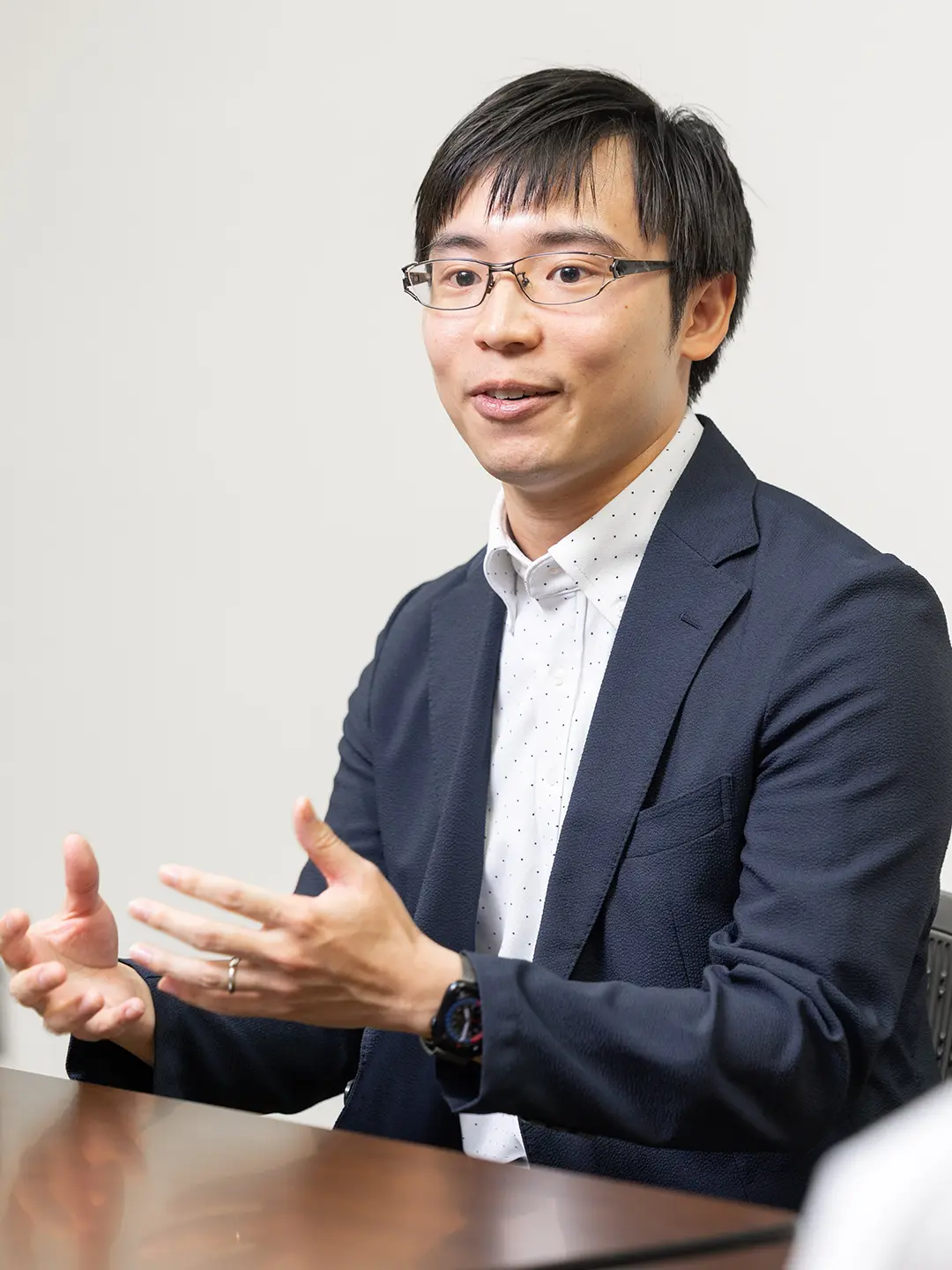
Hatano For science and engineering students, the university hospitals are new opportunities for social implementation. This goes beyond medical applications. For example, one of the VIs, GX Frontier, includes a sub-vision called Green Hospital. I believe that close collaboration between medicine and dentistry and science and engineering, and rapid cycles of development and implementation, can contribute to realizing a sustainable society. Meanwhile, in response to the recent issue of massive energy consumption caused by AI, elucidating the mechanism behind the extremely high energy efficiency of the human brain could contribute to next-generation AI. In other words, it enables two-way initiatives that create social value.
The kind of university that keeps graduates connected
Sawada Even if graduates move on to other universities or institutions after completing their studies, I believe that lifelong communication with Science Tokyo can be maintained if the Institute remains open not only to alumni but also to local residents and the wider public.
Yoshida I grew up academically at the former Tokyo Tech, and I have a real fondness for its unique atmosphere, a place filled with people who live purely to satisfy their intellectual curiosity. I think it would be wonderful to have an environment where such people can devote themselves to study with genuine enthusiasm. It would be ideal to have a lively university where you can hear conversations about personal interests everywhere, even discussions on differential equations in the cafeteria.
Hatasa It would be wonderful if we could work together to create a hospital that earns the trust of patients. I would like it to be a place known for helping people, one that others recommend by saying, "Go there, the doctors will definitely take care of you." For example, when looking for a hair salon or a dentist, people may check online reviews, but in the end, they usually go where someone they trust has recommended. I want our hospital and university to earn such trust and recommendations.
Nomura It has been eight years since I entered the former Tokyo Tech. Although the university's name changed during my time, I have been here long enough to develop a deep attachment and a strong desire to maintain a long-term relationship with Science Tokyo going forward. I am truly grateful for the environment that allowed students to freely take on challenges. If Science Tokyo continues to be a place where students can pursue what they love and expands its curriculum to help everyone thrive according to their curiosity and desire to contribute to society, I believe it will remain a university we will want to stay connected with long after graduation.
Hatano Listening to today's discussion was a strong reminder that a university should be a place where students can envision the future they want to create. Let us work together so that Science Tokyo can support each individual's challenges, present a new future to society, and pass a strong legacy on to the next generation.
Profile
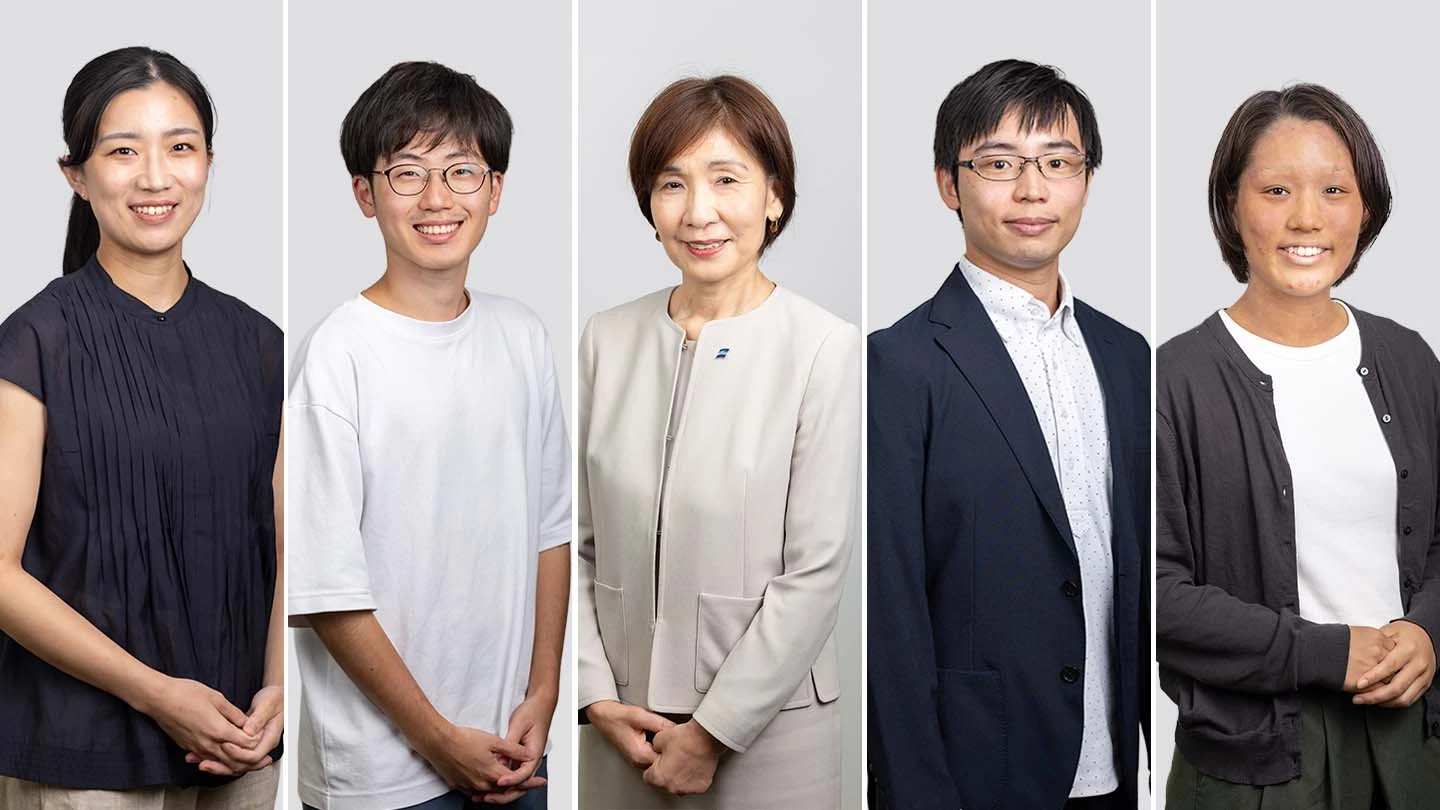
Juri Sawada
2nd-year doctoral student, School of Health Care Sciences
Hiroki Yoshida
2nd-year doctoral student, Physics
Mutsuko Hatano
Executive Vice President for Research and Industry-Academia-Government Collaboration
Masahiro Hatasa
JSPS Research Fellowship for Young Scientists in the Graduate School of Medical and Dental Sciences
Ayano Nomura
2nd-year doctoral student, Mechanical Engineering
Rerated articles
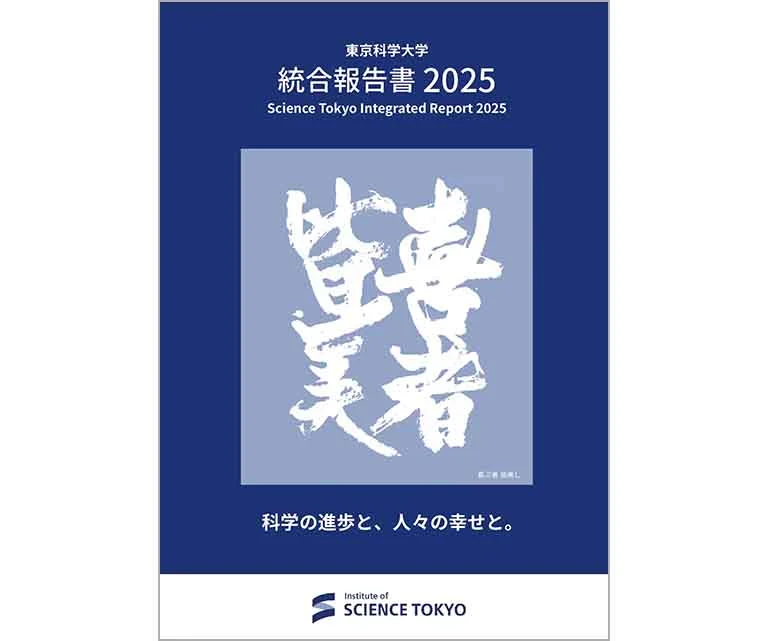
Integrated Report 2025
In addition to financial data, the Integrated Report provides a comprehensive overview of Science Tokyo’s contributions to society, governance, and non-financial information for its stakeholders. The report describes the Institute’s education, research, social initiatives, and management strategies, while charting a course towards further progress.
Interview held on July 11, 2025