Team Maquinista’s NHK Student Robot Contest machines featured at Science Tokyo’s Ookayama Festival
Team Maquinista, a sub-group of the Society for the Study of Robotics — an official Science Tokyo student club — gave a demonstration of their latest robot creations at Science Tokyo’s Ookayama Festival on October 10 and 11. The robots, which competed in the 2026 NHK Student Robot Contest in June, attracted plenty of attention from visitors at the festival.
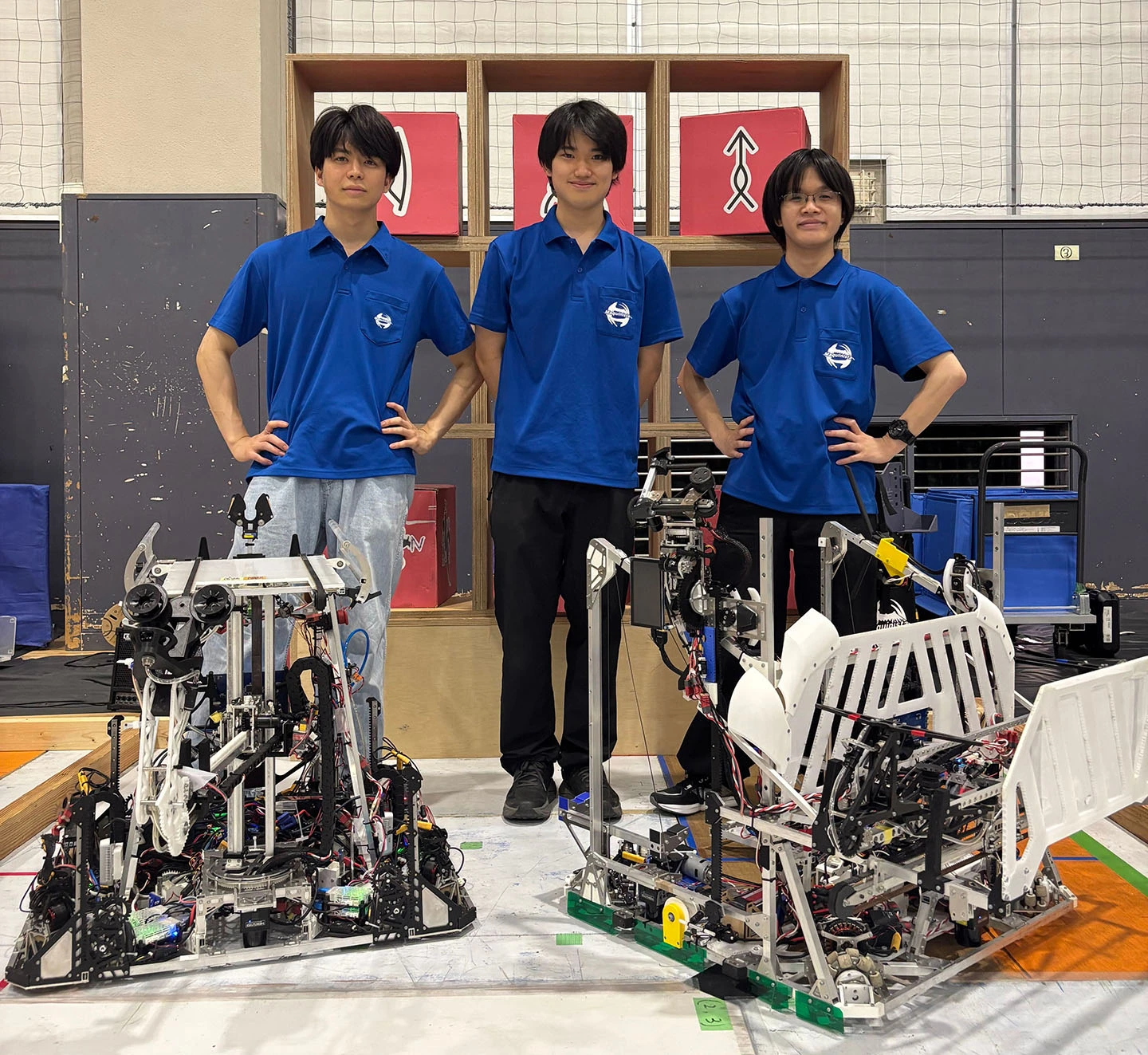
Robots execute moves modeled after kung fu
The demonstration featured two robots — the semi-automated Ruri and the fully automated Ayame. The two robots worked together to showcase weapon-wielding techniques and combined movements modeled after kung fu, the theme of this year’s NHK Student Robot Contest. A large crowd gathered at the venue on Ookayama Campus for a rare glimpse of the machines that finished in the top eight at the national contest roughly four months ago.
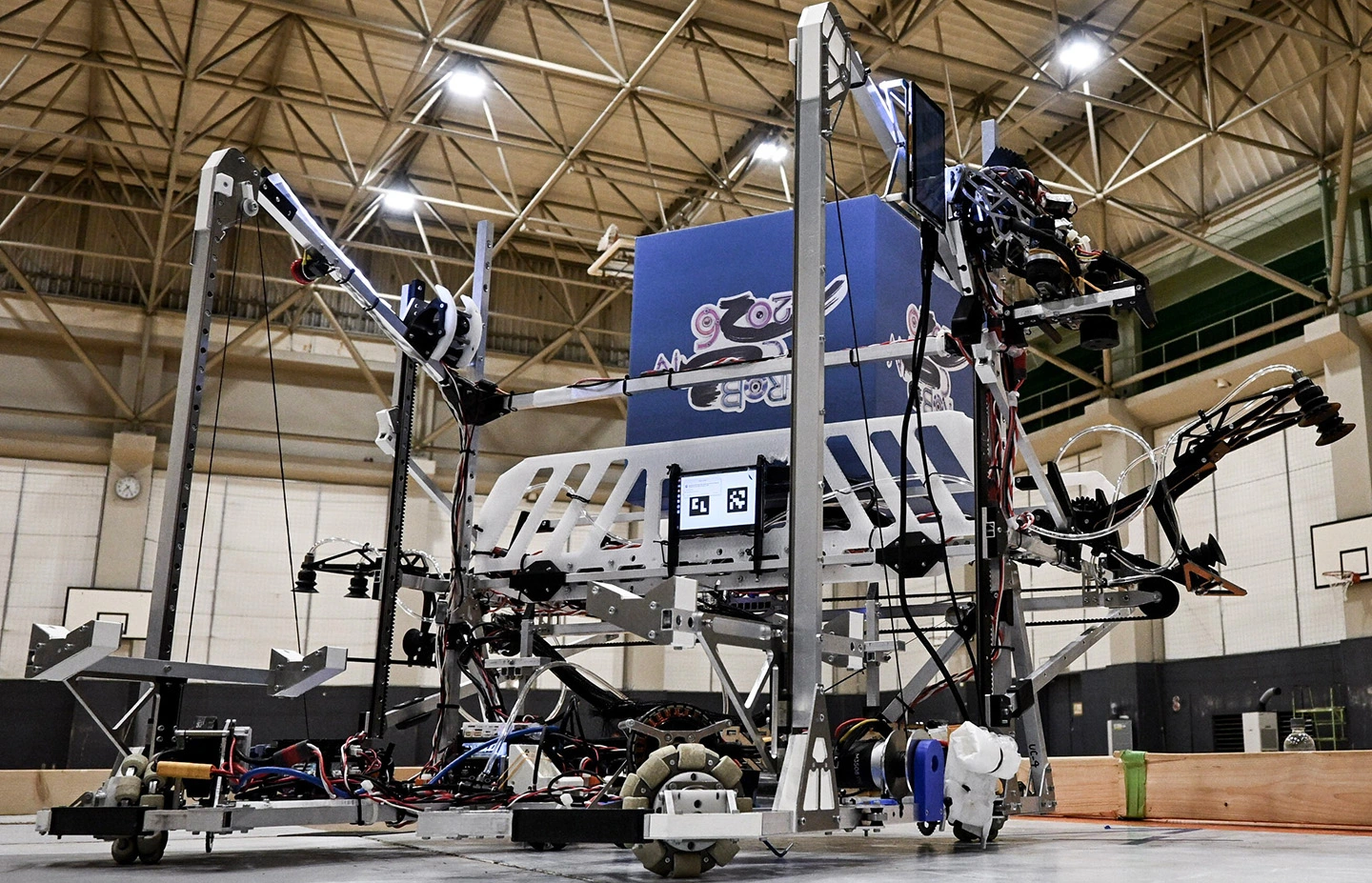
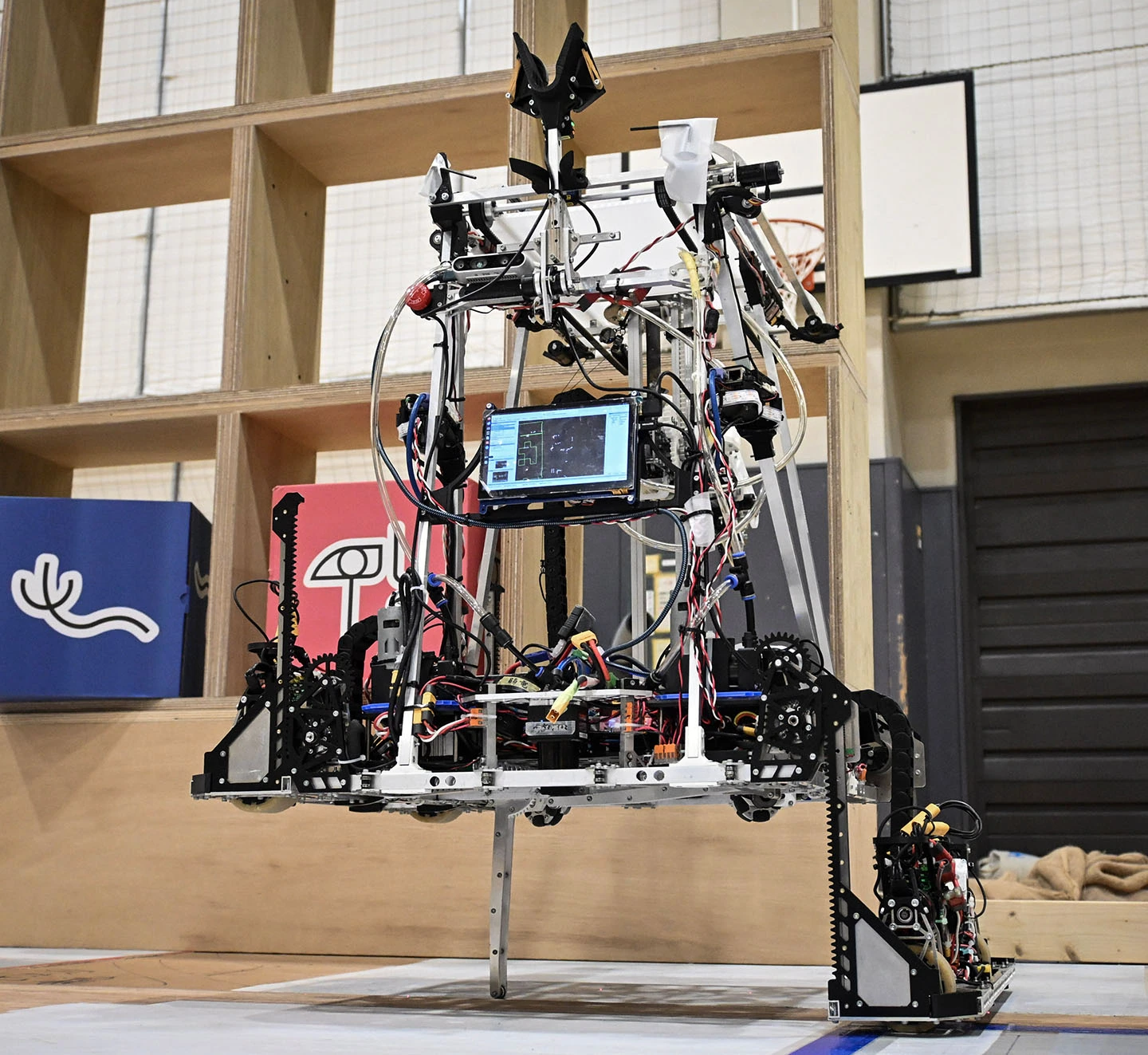
The event was an enjoyable way for Team Maquinista to showcase the results of their efforts to the public while raising awareness of the robot design, fabrication, and control technologies that the students work on every day.
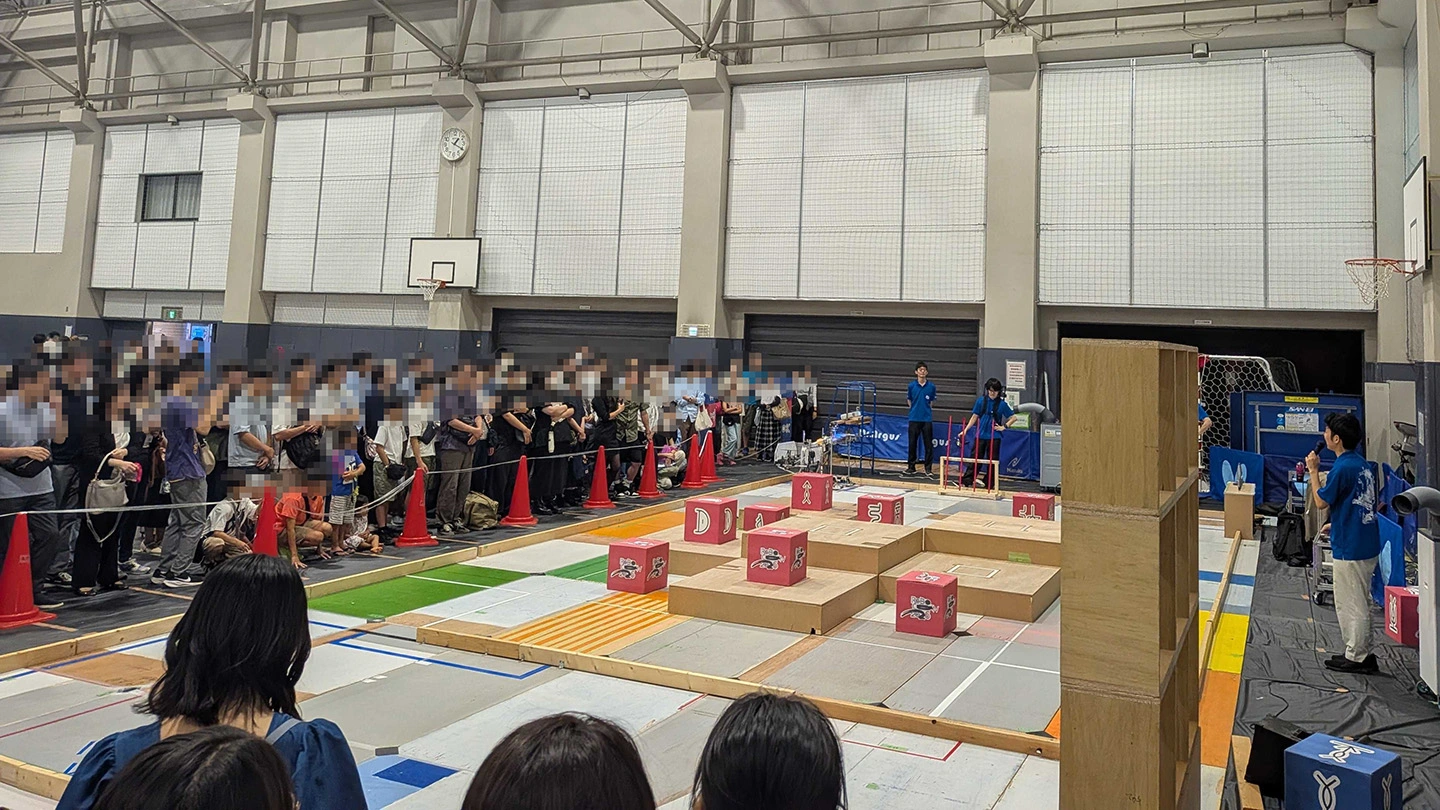
NHK Student Robot Contest
The NHK Student Robot Contest is a competition in which university and technical college students from across Japan compete with robots they have built themselves. The winning team advances to the ABU Asia-Pacific Robot Contest as a representative of Japan.
Each year, the theme of the Asia-Pacific contest changes depending on the host nation. The theme for the 2026 competition in Hong Kong, China was “Kung Fu Quest,” inspired by traditional martial arts. Two robots worked together to assemble weapons, collect sacred “kung-fu scrolls,” and place these items on shelves within the arena to score points. The robots could also assemble weapons and use these to disrupt the opposing team’s scoring attempts. One of the two robots had to operate under fully autonomous control, making precise movements, seamless coordination between the robots, and in-competition strategy all critical factors.
Eighteen teams from across Japan competed in the NHK Student Robot Contest. Team Maquinista finished fourth in the preliminary round and advanced to the knockout stages.
In the quarterfinals against a team from Niigata University, Team Maquinista battled back and forth until the very end of the match, and even used a weapon to knock the opponent’s scroll off the shelf. Although they lost by a score of 60-90, Team Maquinista advanced to the knockout stages for the first time in eight years, and finished among the top eight teams.
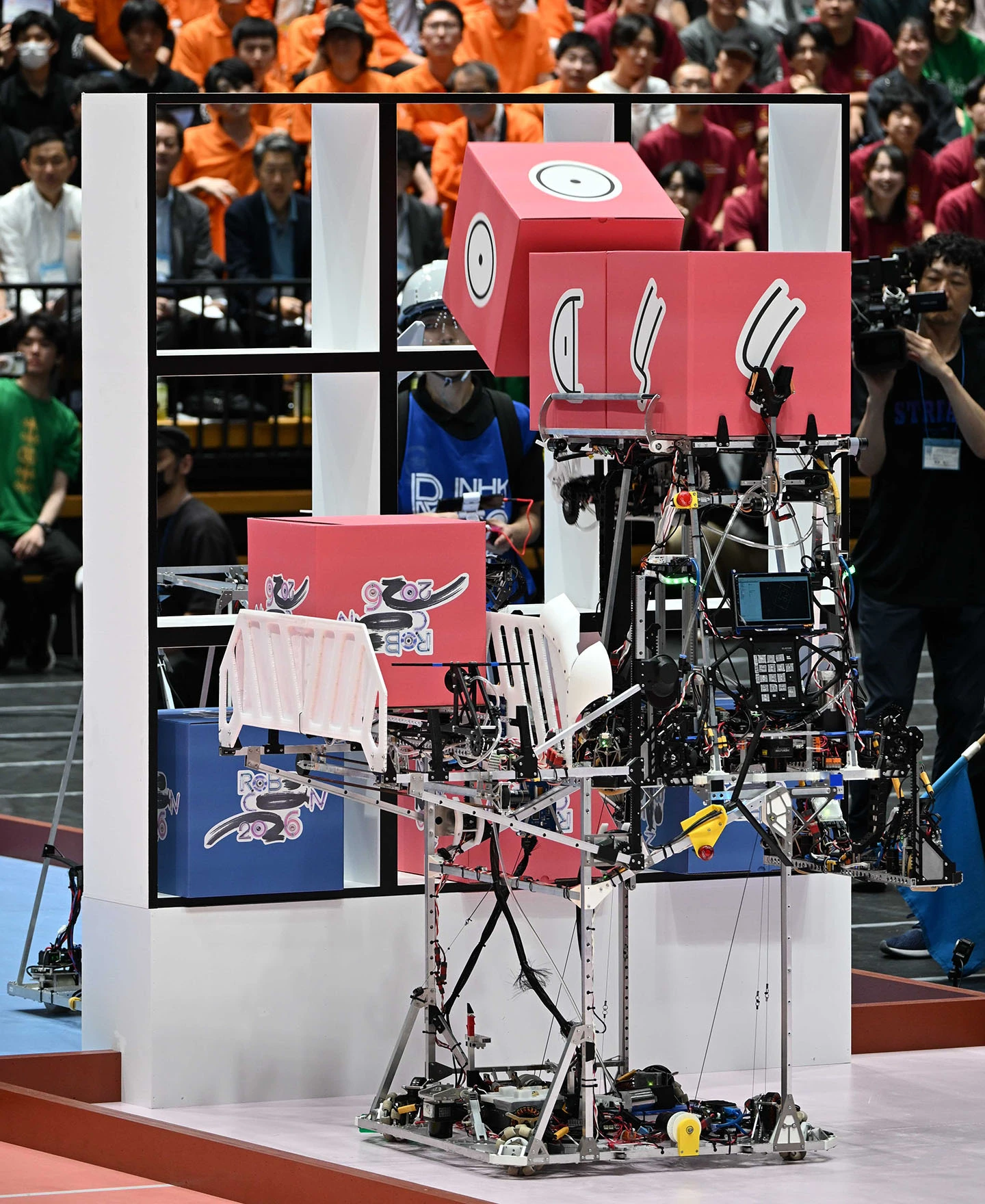
Through their tireless efforts in robot fabrication and technological development, Team Maquinista aims to win both the NHK Student Robot Contest and the ABU Asia-Pacific Robot Contest. The team wants to focus particularly on improving their technical capabilities based on the lessons learned during the 2026 NHK Student Robot Contest.
Comments from Chief Maquinista
Ryotaro Ito, 3rd year, Transdisciplinary Science and Engineering
Through this year’s NHK Student Robot Contest, we truly felt that Team Maquinista experienced steady growth. That said, we also realized that we need to improve our organizational and technical capabilities if we aim to win the contest. We will continue to build on our 2026 experiences and work hard to form a stronger Team Maquinista in the future.
We were delighted to have such a big audience viewing our robots at the Ookayama Festival. We think that this demonstration allowed many people to develop an interest in robot contests.
Our participation in the June contest would not have been possible without our supporters. We would like to thank you for your consistent help and understanding, and look forward to your continued support.
Related articles
Contact
Team Maquinista, Science Tokyo Society for the Study of Robotics