Six researchers were awarded the 2026 ASUNARO Grant, a financial support program provided by the Institute of Science Tokyo for researchers under the age of 45 engaged in basic research. A ceremony to present the award notifications was held on June 22.
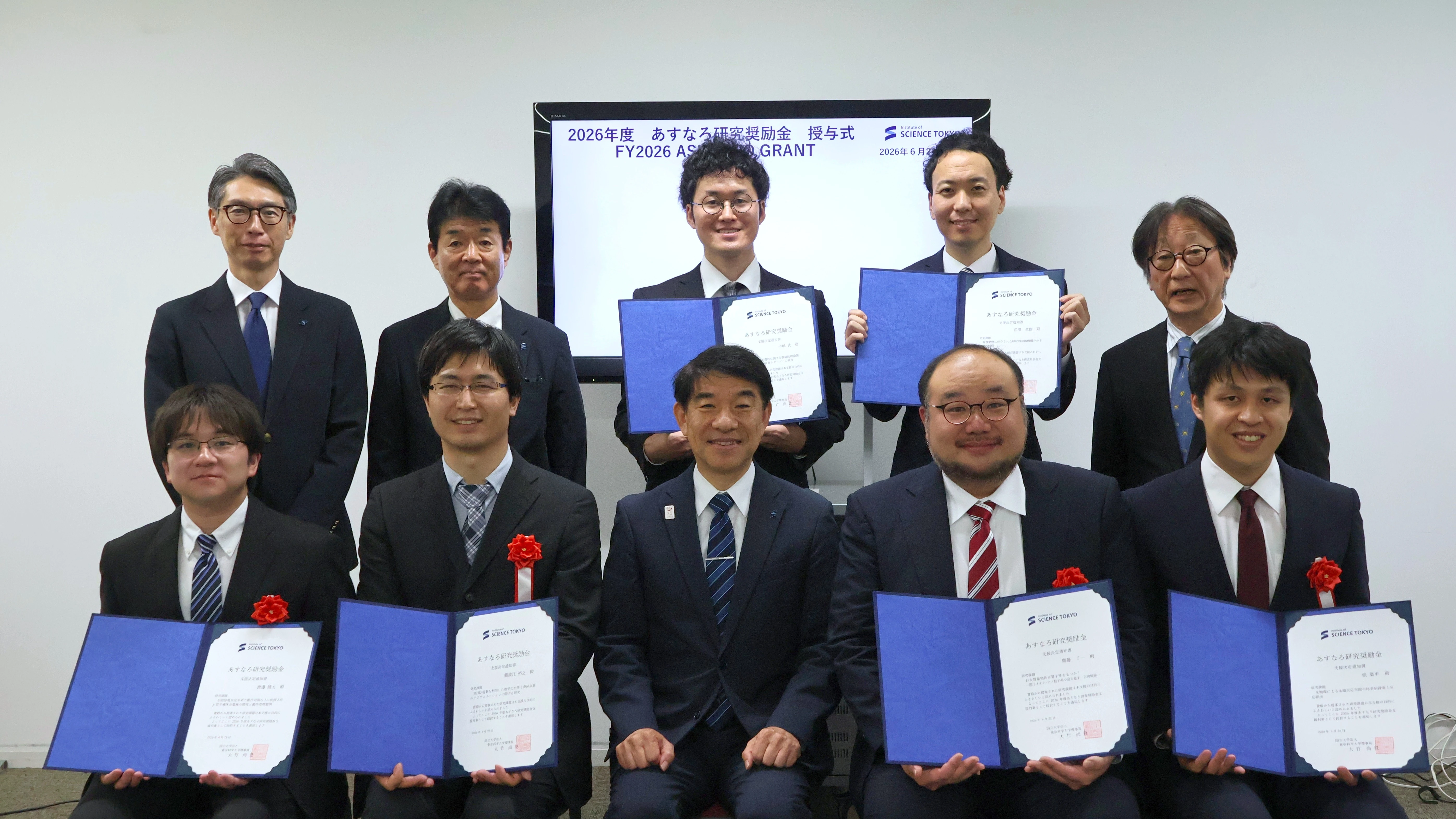
(Back row from left : Toshiyuki Nihei Director of Research Planning Division, Takeo Yamaguchi Vice President for Research Strategy and Planning, Assistant Professor Takeru Nakashima, Assistant Professor Tatsuki Nagasawa, Shigeru Hioki Vice President for Industrial Cooperation Fundraising)
The grant was established in FY 2020, in response to the late Professor Emeritus Koichi Asano's wish to donate a portion of the proceeds from his research, saying, "I am grateful to society for the many years of support that allowed my work in basic research to flourish. In return, I would like to use the funds to support basic research by future generations."
This is the six time the Institute has provided the grant for which 50 researchers applied and 6 were selected as recipients.
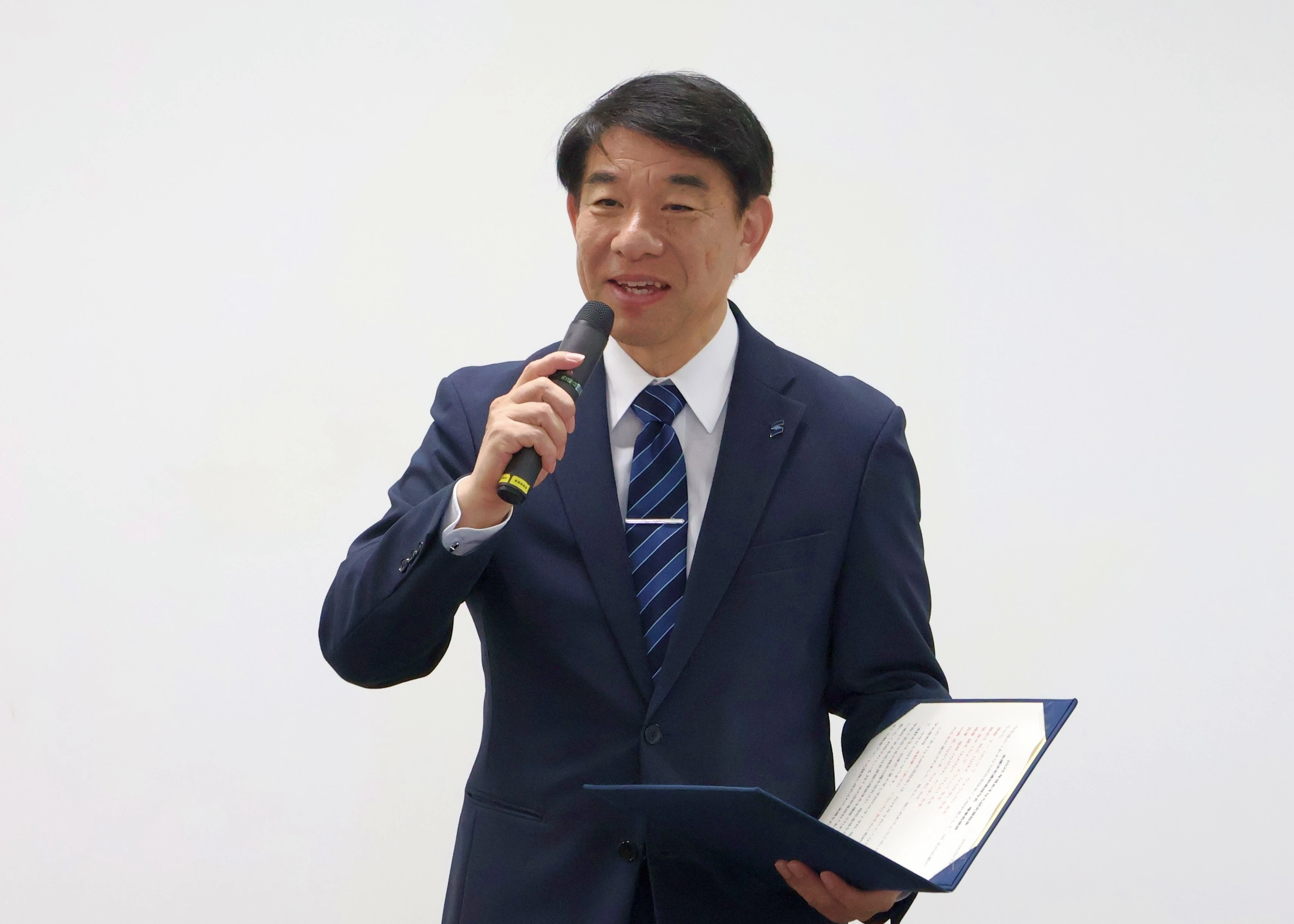
At the award ceremony, a congratulatory address from President and CEO Naoto Ohtake, who encouraged the recipients by saying,“We will do our best to support the practical application of your basic research, and we look forward to your winning further awards both in Japan and abroad, as well as your continued success in the future.”
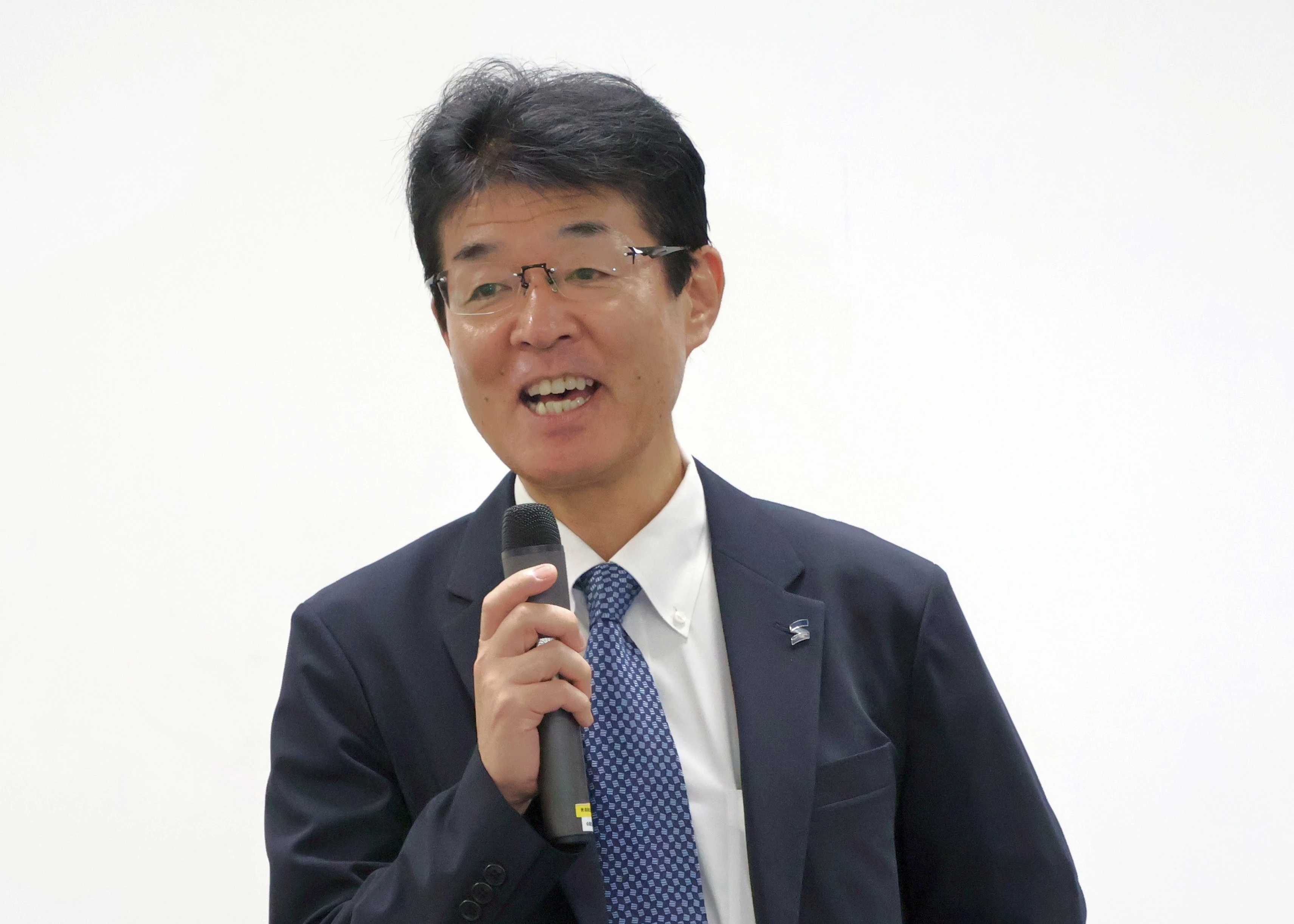
FY2026 Recipients of ASUNARO Grant
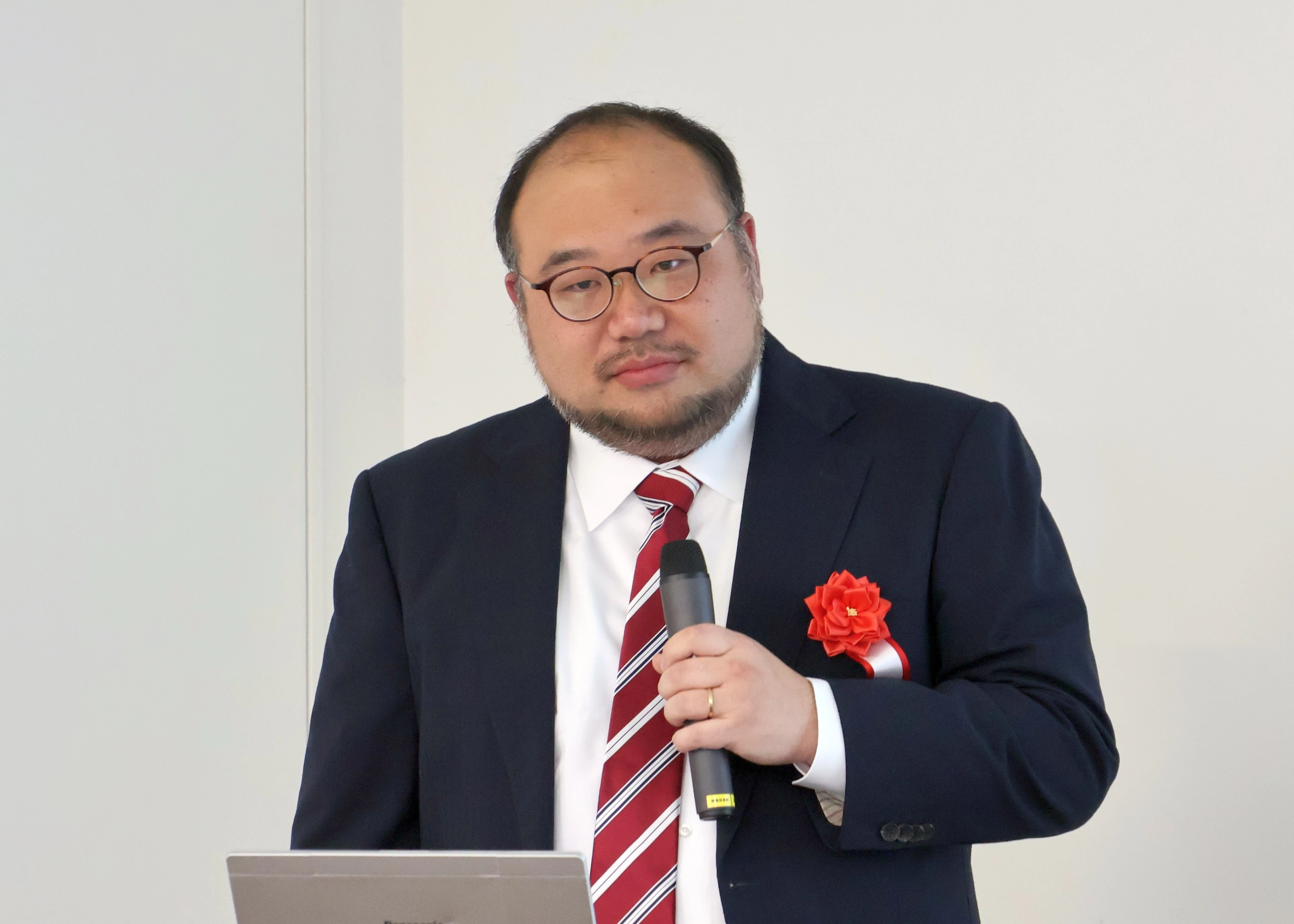
Assistant Professor Ryoichi Saito
Department of Physics, School of Science
Research Topic: Can Macroscopic Objects Behave Quantum Mechanically?
— Probing the Quantum–Classical Boundary with an Atomicion–Nanoparticle Hybrid System
Objects around us usually appear to move according to the laws of classical mechanics. In contrast, in the microscopic world of atoms and electrons, uniquely quantum phenomena such as superposition and interference emerge. This raises a fundamental question: can objects much heavier than atoms also exhibit quantum behavior? In this study, I will trap charged nanoparticles, a few hundred nanometers in size, together with atomic ions that can be precisely controlled using lasers. By coupling these two systems through electric forces and using the atomic ion as a “gateway to the quantum world,” I aim to control the motion of nanoparticles at the quantum level, which is difficult to achieve with nanoparticles alone. Through this approach, I seek to experimentally clarify how far large objects can behave quantum mechanically, and how interactions with the environment cause quantum properties to disappear and give rise to the classical behavior familiar in our everyday world.
Associate Professor Hiroyuki Nabae
Department of Chemistry, School of Science
Research Topic: Actuation of Phase-Change Liquid Metals Using Magnetohydrodynamic Phenomena
This research focuses on actuation phenomena that occur when an electric current is applied to a conductive fluid in a magnetic field, using low-melting-point metals with melting points near room temperature. In such metals, phase transitions between solid and liquid states are expected to occur due to Joule heating caused by the applied current and heat exchange with the surrounding environment. This study investigates systems in which phase change and fluid flow occur simultaneously through both experimental and modeling approaches. The goal is to improve our understanding of the coupled phenomena arising from the interactions among electromagnetic forces, fluid flow, and phase transitions. The knowledge obtained through this research is expected to contribute to the development of flexible systems with novel functionalities, such as variable-stiffness robots and self-repairing devices.
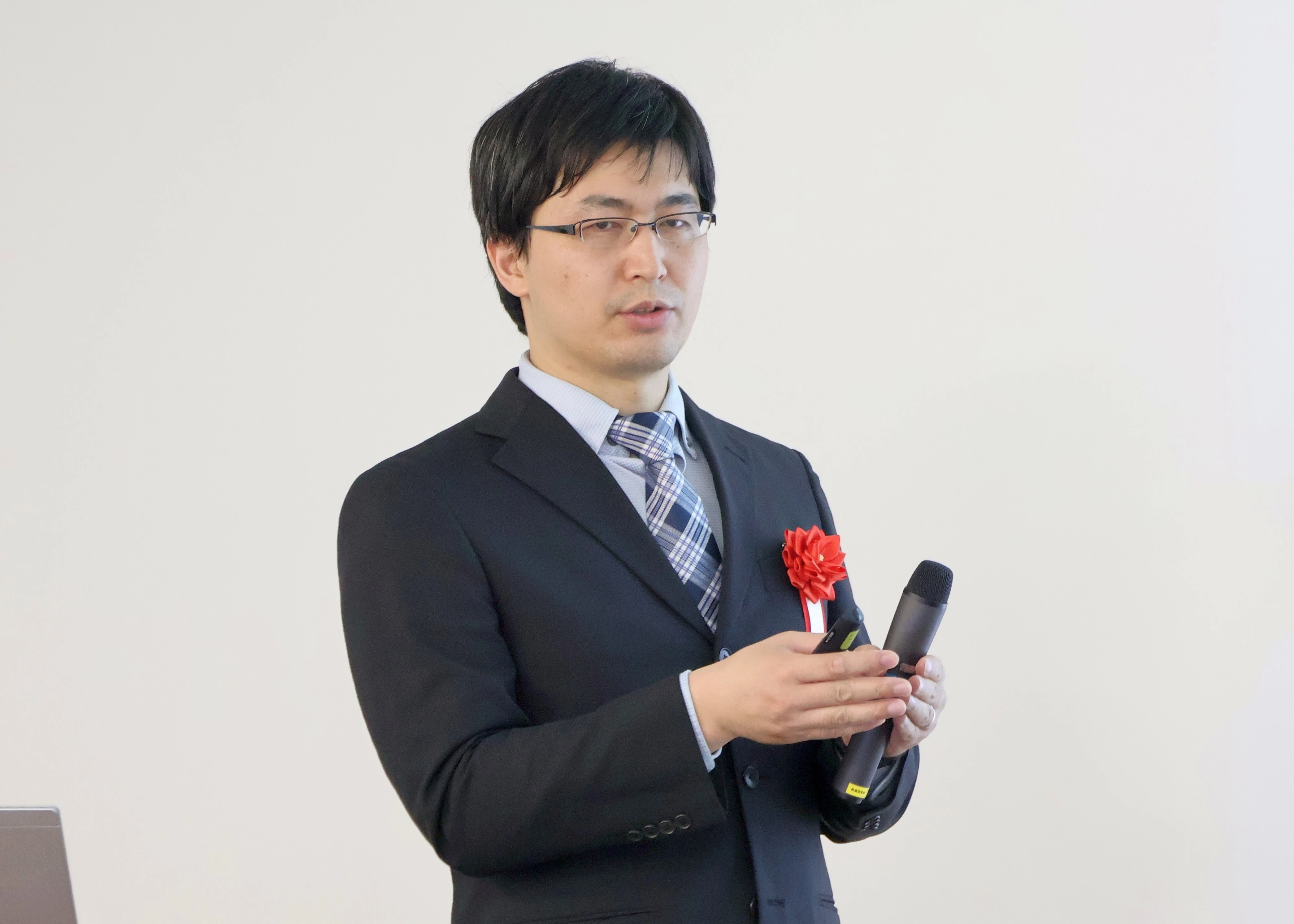
Assistant Professor Yohei Cho
Department of Materials Science and Engineering
School of Materials and Technology
Research Topic: Systematic Exploration of Reaction Space and Creation of New
Reactions by Photocatalysis
Photocatalysis is a promising way of utilizing solar energy, as it can activate molecules with light. So far, much progress has been made in reaction systems such as water splitting and carbon dioxide reduction. For organic molecules, however, the variety of functional groups and molecular skeletons creates a large reaction space, while it has not yet been explored enough. In this study, I consider that this reaction space also contains molecular transformations beneficial to humanity, and I work to build the basic knowledge of the photocatalytic activation of organic molecules. By systematically investigating molecular reactivity along the axis of functional groups and organizing the obtained data on the basis of physicochemical electron-transfer theory, I aim to construct a model that describes the elementary processes governing photocatalytic reactions. In this way, from both theoretical description and broad experimental data, I capture the structure of the reaction space that photocatalysts can drive.
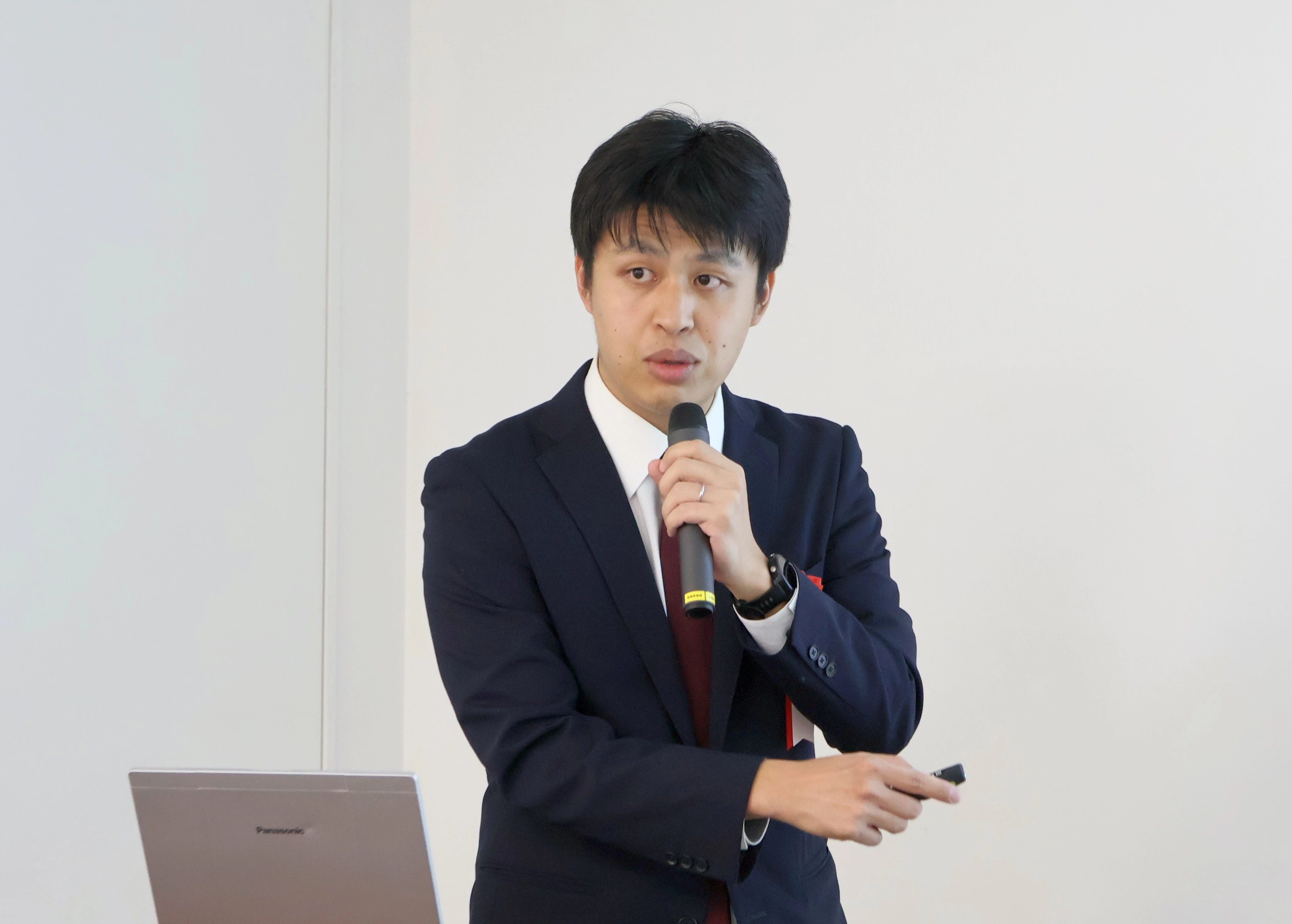
Assistant Professor Kenta Watanabe
Department of Chemical Science and Engineering School of Materials and Chemical Technology
Research Topic: Development of Li+-(de)intercalative p-type semiconductor photoelectrodes driven in all-solid-state electrochemical systems and clarification of their driven principles
Electrochemistry has been extended to all-solid-state systems, in which all constituents are solid materials, as exemplified by all-solid-state batteries, through the development of batteries as applied technologies and solid electrolytes. However, photoelectrochemistry, in which electrochemical reactions are carried out under illumination of the electrode, has not been extended to all-solid-state systems. Extending photoelectrochemistry to all-solid-state systems would lead to the creation of new reactions and reaction systems. Furthermore, the new reactions and reaction systems are possibly applied to novel photofunctional devices. In photoelectrochemical reactions, the semiconductor properties of the electrodes play a crucial role. I have already achieved a photoelectrochemical reaction in an all-solid-state system using an n-type semiconductor electrode. Therefore, in this study, I try photoelectrochemical reactions in all-solid-state systems using p-type semiconductor electrodes. I will explore materials that function as p-type semiconductor electrodes and, using the materials thus identified, elucidate the fundamental driving principles.
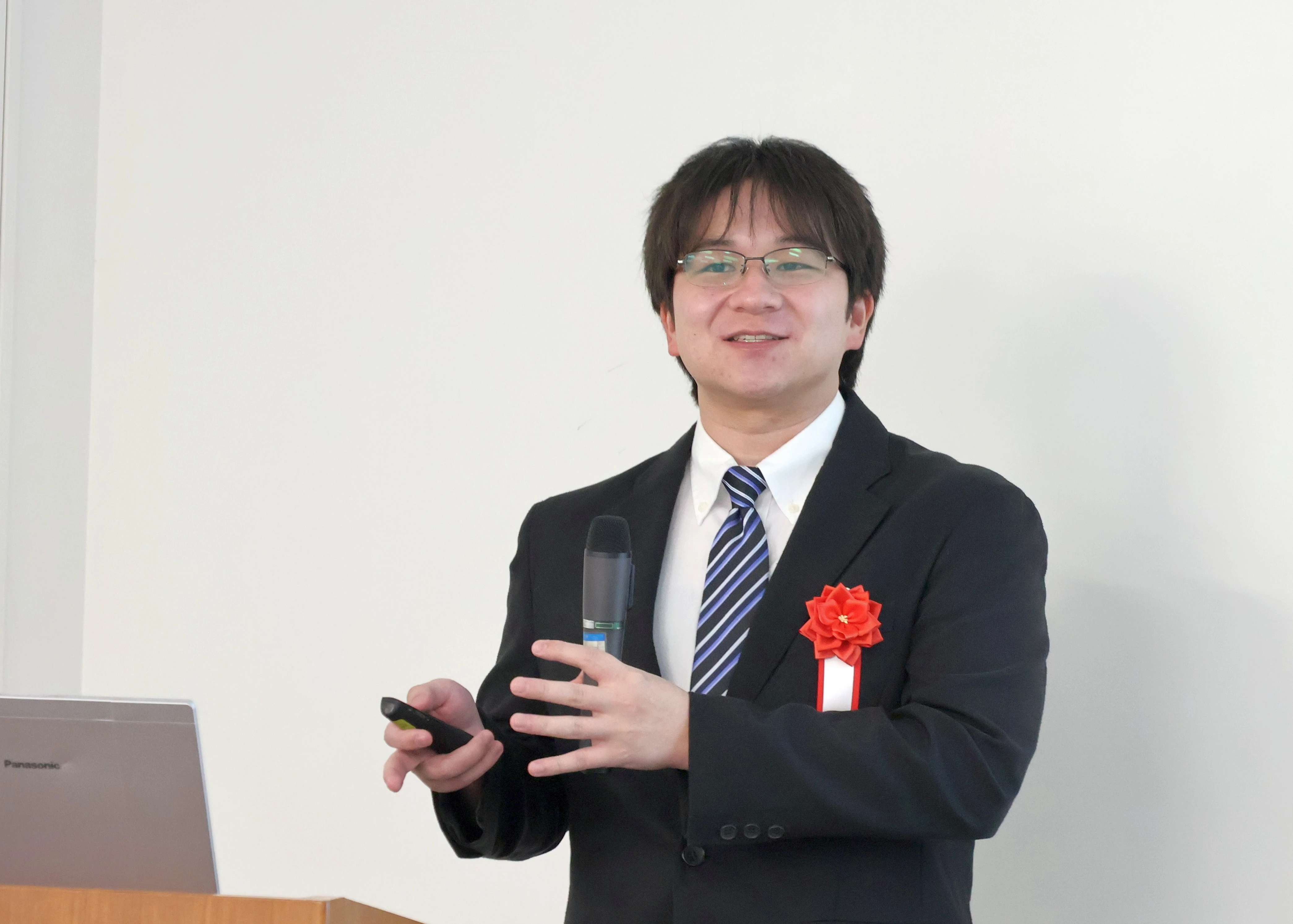
Assistant Professor Tatsuki Nagasawa
Department of Life Science and Technology
School of Life Science and Technology
Research Topic: Molecular basis of the conserved regulatory mechanism of oocyte maturation in vertebrates
Egg (Oocyte) formation and maturation are classical and fundamental topics in developmental and reproductive biology. However, previous studies have largely focused on a limited number of model organisms, and the overall view of the molecular mechanisms shared across vertebrates remains poorly understood. In this project, we will employ comparative evolutionary analyses based on the rapidly expanding availability of whole-genome sequence data from various species. By integrating these analyses with molecular and cellular experiments using the zebrafish (Danio rerio) as a model organism, we aim to identify conserved molecular mechanisms underlying oocyte development and to redefine the common principles of oocyte maturation from an evolutionary perspective. The outcomes of this research are expected to advance our understanding of the evolution of reproductive systems in vertebrates and to contribute broadly to reproductive biology and aquaculture-related research.
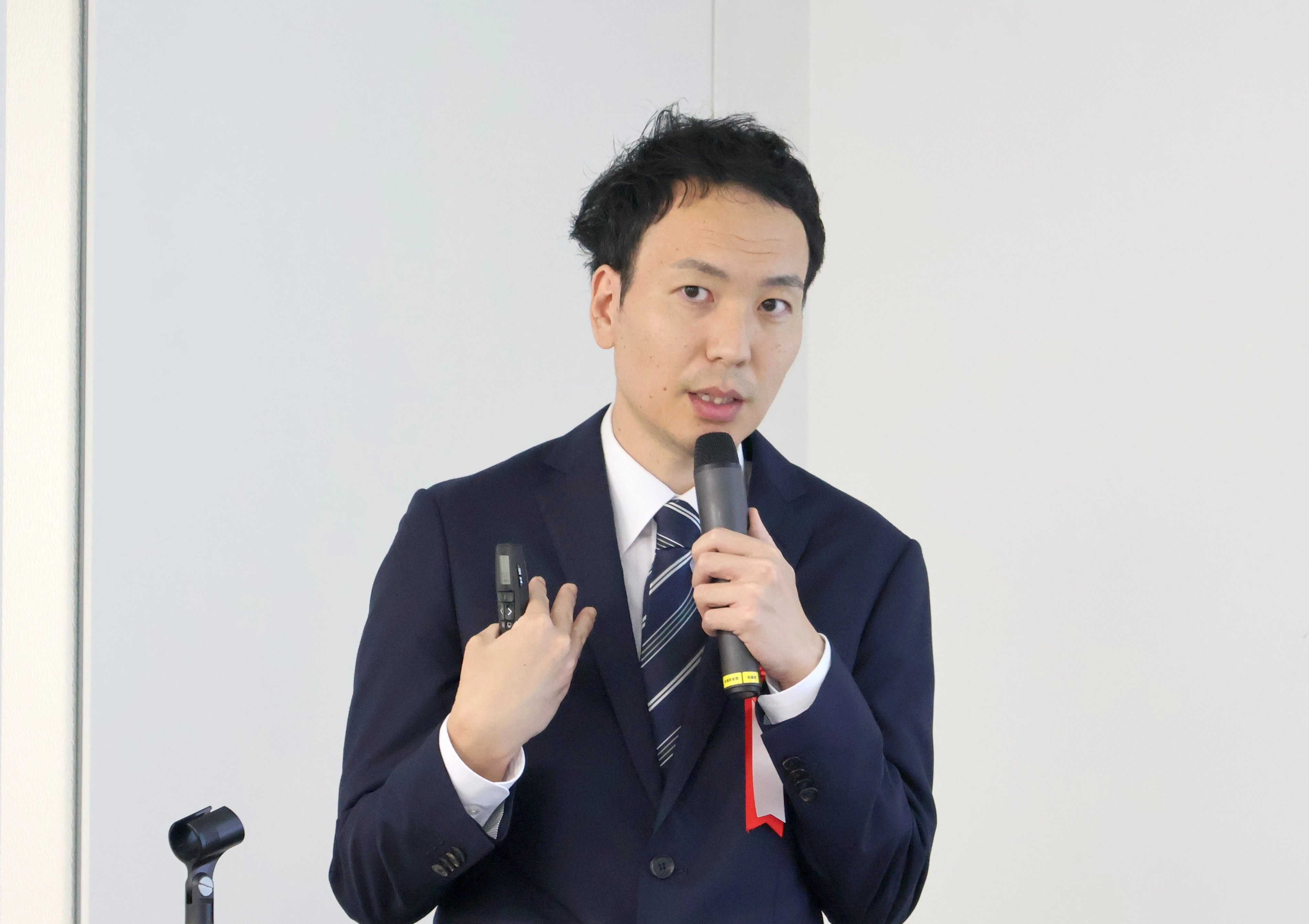
Assistant Professor Takeru Nakashima
Department of Life Science and Technology School of Life Science and Technology
Research Topic: Group-theoretical development for dynamical transition in crystal
structures: integrating real-space and electronic topologies
The “crystal structure (real space)” that forms matter and the “electronic states” within it each possess characteristics of “topology,” which represents the connectivity of their shapes and properties. Until now, the mainstream approach has been “static” research that treats these two aspects separately without considering changes. However, how the “dynamic process” —in which a crystal continuously transforms into another shape—affects the electronic states has not yet been sufficiently discussed from a theoretical standpoint.
Therefore, this study focuses on the “route of structural transformation” itself, aiming to integrate crystal deformation and changes in electronic states into a single, unified theory.
Specifically, we will elucidate the correlation between crystal deformation patterns and electronic states using mathematical theories, such as group theory. This work is expected to lay the foundation for a new field in condensed matter physics that anticipates material deformation and manufacturing processes.