Exploring Healthcare and Life in Space Through Medicine–Engineering Collaboration
A Group of 36 from Science Tokyo, Companies, and Research Institutes Visits the JAXA Tsukuba Space Center
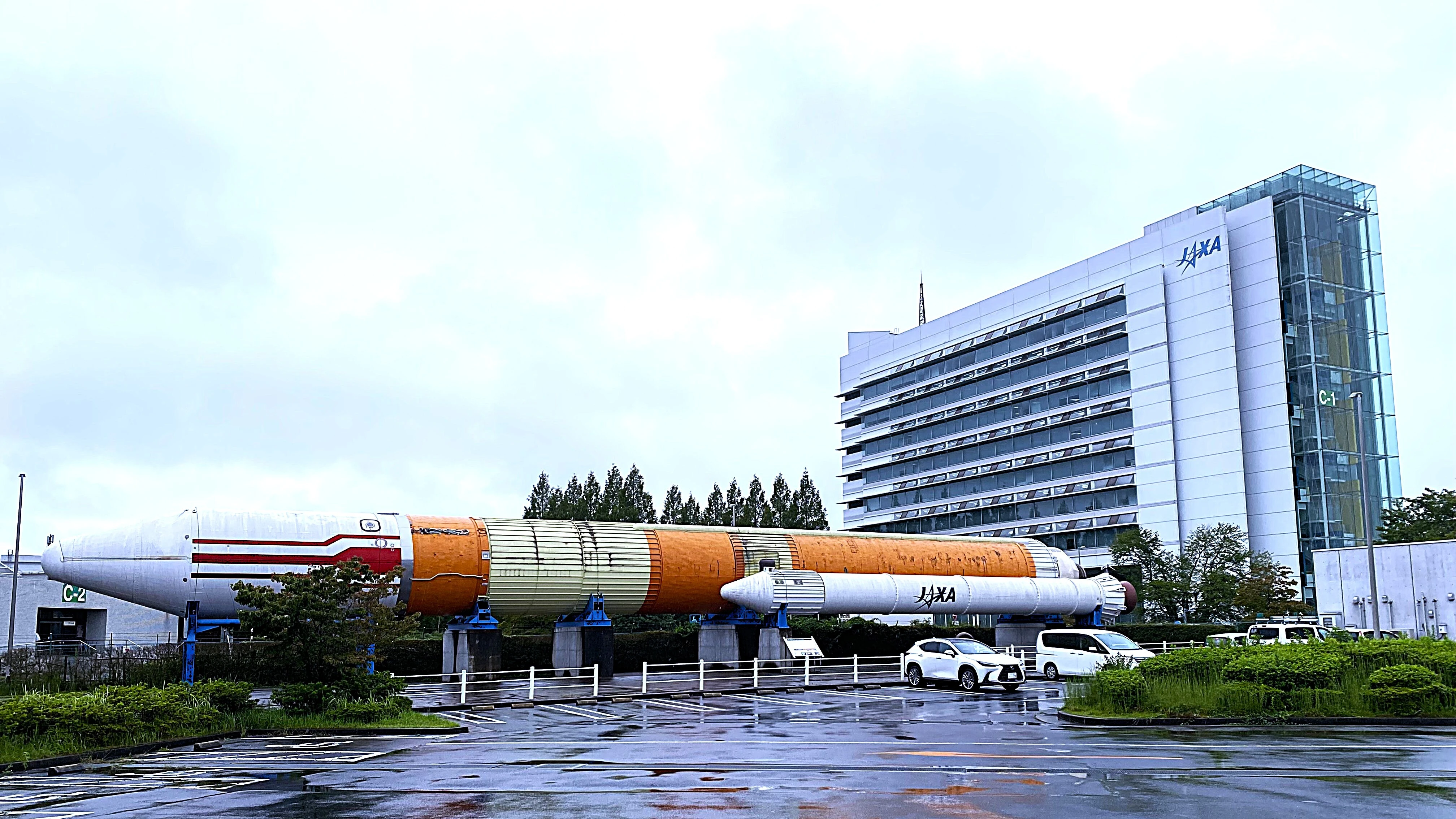
On September 11, 2026, 36 people involved in the Development Center for Living Spaces Integrated with Healthcare in Space, an initiative in which Institute of Science Tokyo (Science Tokyo) participates, visited the Japan Aerospace Exploration Agency (JAXA) Tsukuba Space Center. Participants from the university, research institutes, and companies learned about drug discovery research that uses the space environment and the facilities that support human spaceflight. With Science Tokyo’s goal of “training astronauts at a university” in mind, they approached the visit with keen interest.
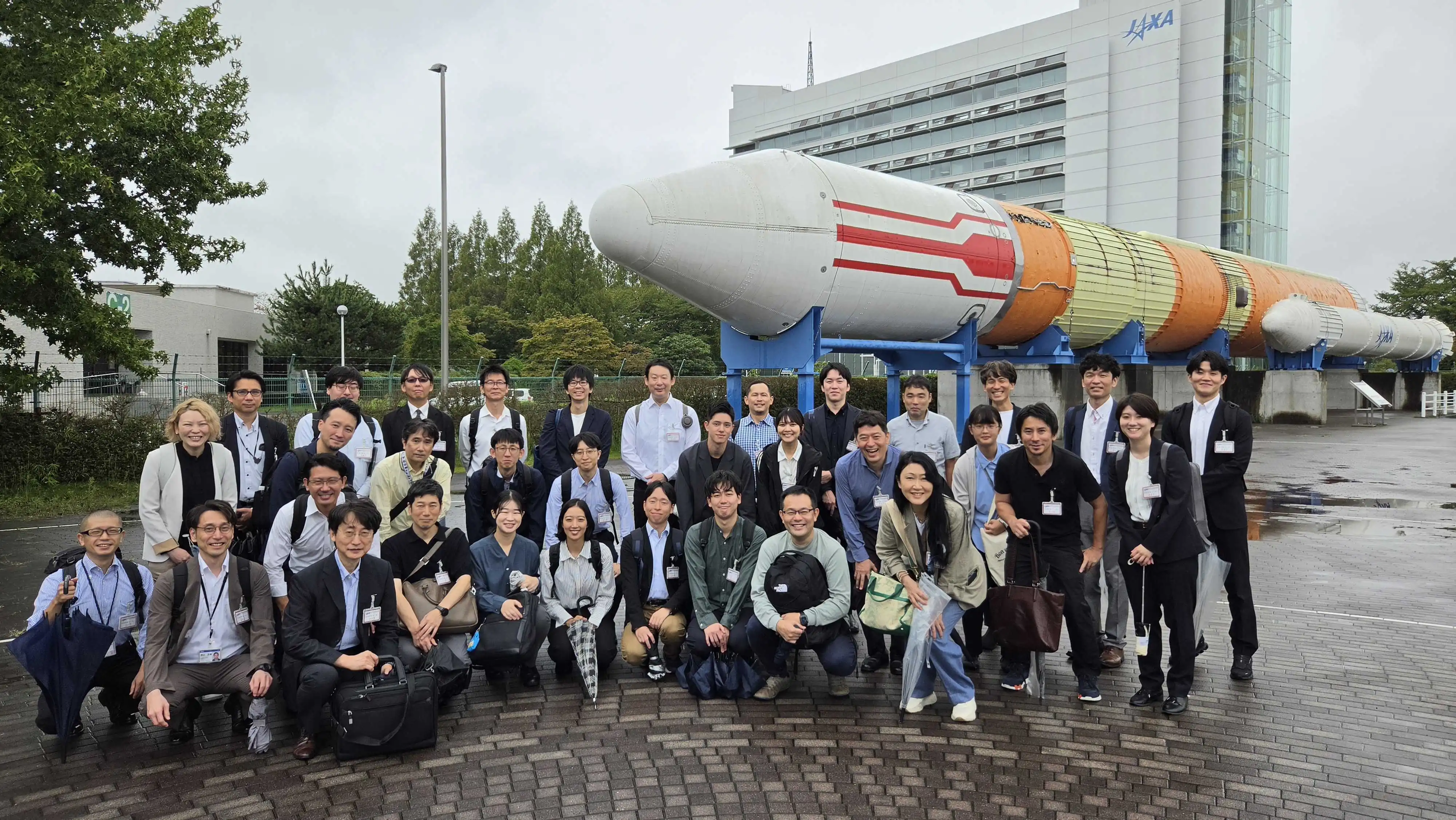
Thirty-six Participants from Different Fields Visit the Front Lines of Space Development
The group included representatives of Science Tokyo, the Japan Sport Council, the National Institute for Materials Science (NIMS), Takenaka Corporation, Midtown, NEC Corporation, and Japan Technical Software Co., Ltd. Members specializing in healthcare, materials, architecture, information technology, and other fields visited the facilities together and shared perspectives on what people need to live healthy lives in space.
The visit began with an overview of JAXA’s Human Spaceflight Technology Directorate and developments in international space exploration. Participants also exchanged views on living in space and spacesuits, deepening their understanding of the technologies needed to send people into space and support their activities there.
The Possibilities for Drug Discovery in Space’s Gravitational Environment
At the protein laboratory, participants observed drug discovery research that uses the gravitational conditions of space. They learned about work related to diffusion-based medicines and the development of new membrane proteins, and considered how an environment different from Earth’s could open up possibilities for medical and pharmaceutical research.
Healthcare in space involves both protecting astronauts’ health and using the space environment for research that may benefit healthcare on Earth. For Science Tokyo, which brings together medicine, science, and engineering, the visit offered an opportunity to consider new connections between these fields.
Visiting Training Facilities with Astronaut Development in Mind
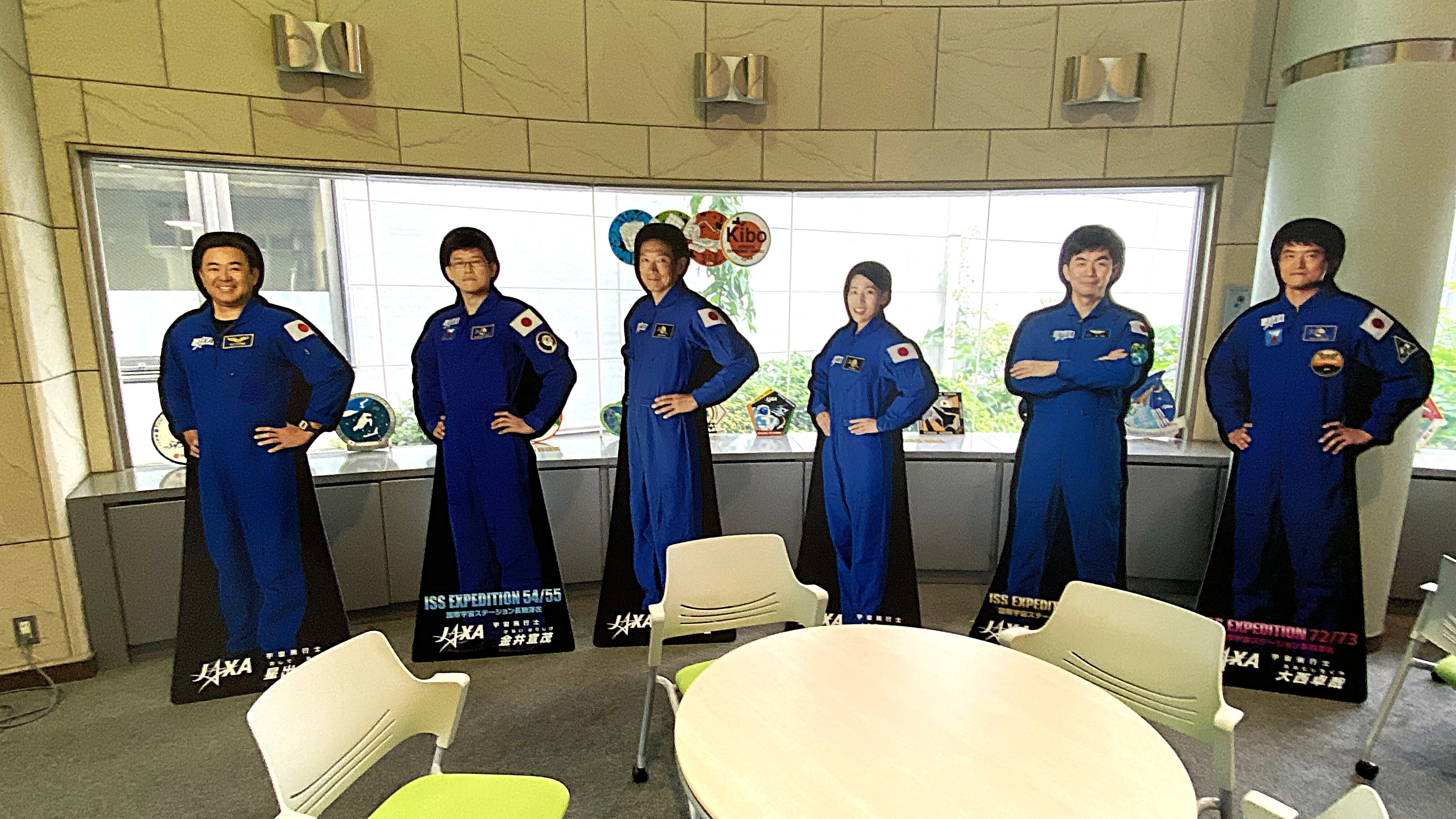
In groups, participants visited a control room involved in operating Kibo, the Japanese Experiment Module, and learned how teams on Earth support activities in space. At the Astronaut Training Facility, they also viewed facilities for training in confined and low-pressure environments, along with exhibits on the use of Kibo.
The training facilities made Science Tokyo’s goal of training astronauts at a university more tangible. Seeing the preparation required of astronauts and the facilities that support it prompted participants to consider how their own fields could contribute to activities in space.
Connecting Healthcare and Living Spaces Through Dialogue
The visit concluded with a discussion with JAXA’s automation and autonomous robotics team. Learning directly about its work provided a valuable opportunity to consider how healthcare, living spaces, and robotics might work together.
Through the visit, members of the university, companies, and research institutes learned about topics ranging from medical research using the space environment to astronaut training and technologies that support daily activities in space. Science Tokyo will bring together the insights participants gained from their respective fields and continue research and dialogue across medicine and engineering, with the aim of developing living spaces integrated with healthcare in space and nurturing people who aspire to work in space.
Contact
Institute of Biomedical Engineering
Biomedical Engineering Innovation Core (BEI Core)
Koji Fujita
- fujita.orth@tmd.ac.jp