Profile
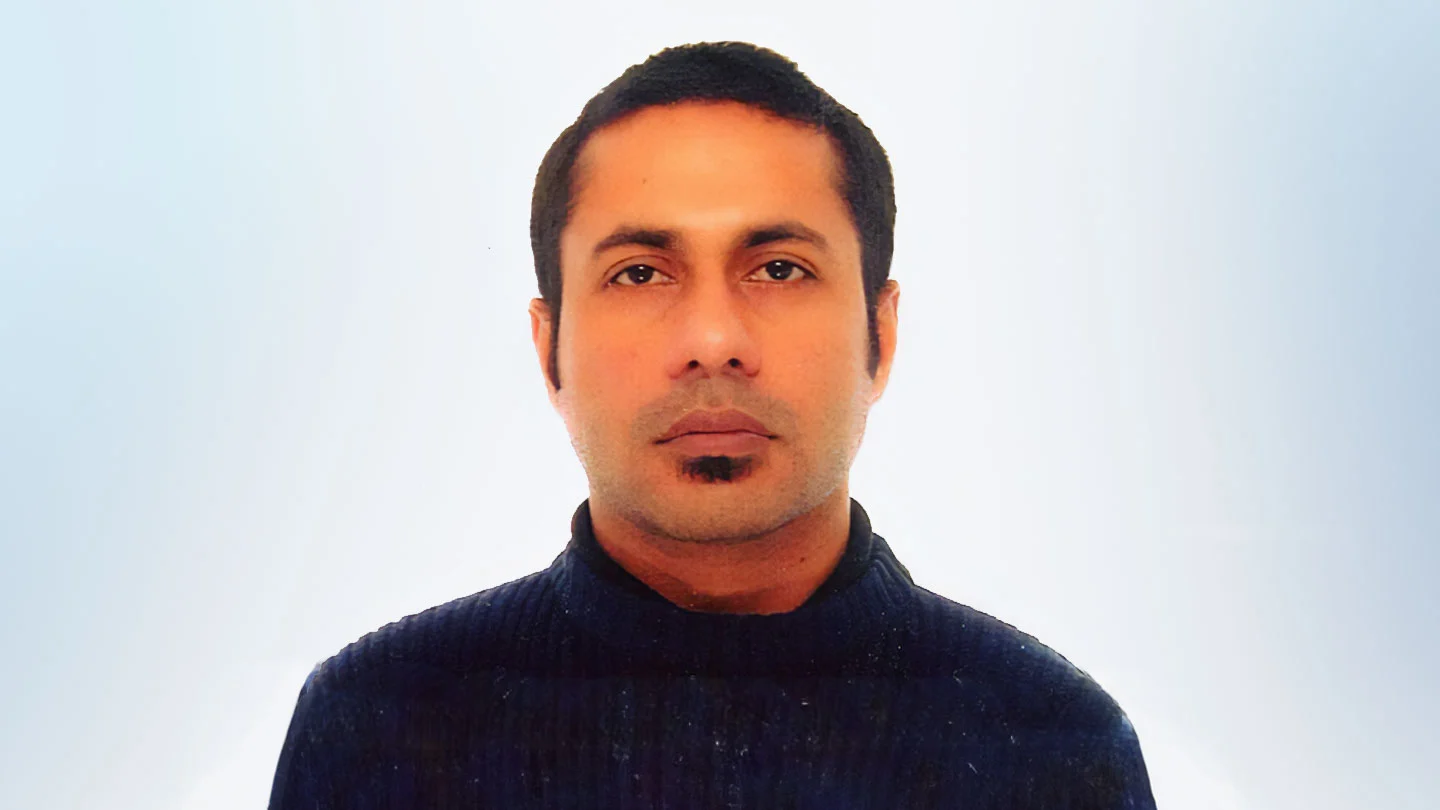
Dr. Khandakar A. S. M. Saadat (Bangladeshi)
Position and affiliation: Assistant Professor, Gaziantep University
Place of residence: Gaziantep, Turkey
2012 Molecular Craniofacial Embryology and Oral Histology, Graduate School of Medical and Dental Sciences, Tokyo Medical and Dental University
2026 Science Tokyo Alumni Ambassador
Campus life
Reasons for choosing TMDU
I began my career in Bangladesh as a dental surgeon and lecturer in Oral Pathology and Periodontology, where I became deeply aware of the significant burden of oral cancer in South and Southeast Asia. Because early diagnosis is crucial for improving patient outcomes, I sought advanced training in oral pathology and molecular research. During my training at Showa University, I became fascinated by the observation that many molecular pathways involved in embryogenesis are also implicated in carcinogenesis. This inspired me to pursue research in molecular embryology, craniofacial biology, as well as cancer biology.
I chose Tokyo Medical and Dental University (TMDU) because of its outstanding international reputation, strong integration of clinical and basic sciences, and its world-leading research environment. Equally important was the opportunity to study under distinguished scientists such as Prof. Dr. Masa-Aki Ikeda and Prof. Dr. Sachiko Iseki and, whose research aligned closely with my scientific interests and aspirations.
What I was most passionate about
My graduate research in the field of molecular craniofacial embryology, conducted under the supervision of Prof. Dr. Masa-Aki Ikeda, placed me at the intersection of developmental biology, aging, cancer, and tissue degeneration/regeneration, enabling me to contribute to these interconnected areas of biomedical research. I was also inspired by the pioneering work of Prof. Dr. Sachiko Iseki on craniofacial organogenesis, where fundamental developmental biology was elegantly connected to tissue regeneration, broadening my perspective on how embryonic mechanisms can inform regenerative medicine.
My most significant learning experience or memory
One of my most memorable experiences was learning from internationally renowned scientists, including Prof. Dr. Irma Thesleff, Prof. Dr. Sir Ian Wilmut, Nobel laureate Prof. Dr. Shinya Yamanaka, Prof. Dr. Takashi Tsuji, Prof. Dr. Ian Chambers, Prof. Dr. Ikuo Morita, Prof. Dr. Masaki Noda, Prof. Dr. Masa-Aki Ikeda, Prof. Dr. Sachiko Iseki, Prof. Dr. Noboru Mizushima, Prof. Dr. Junji Tagami, Prof. Dr. Johji Inazawa, Prof. Dr. Hiroshi Takayanagi, and Prof. Dr. Ken-ichi Nakahama, among many others. Through their lectures, seminars, and international symposia, I gained broad interdisciplinary perspectives on biomedical research, particularly the molecular mechanisms underlying development, disease, regeneration, genetics, and biochemistry. Witnessing transformative advances, including the emergence of induced pluripotent stem (iPS) cell technology, profoundly broadened my scientific outlook and inspired my enduring interests in developmental biology, cancer biology, regenerative medicine, and translational research.
Visits to JAXA through the GCOE Program introduced me to cutting-edge biomedical research on astronaut health, particularly spaceflight-induced bone loss. These experiences expanded my horizons, inspiring me to think beyond traditional disciplinary boundaries and embrace innovation through interdisciplinary collaboration.
What I liked best about TMDU
What I appreciated most about TMDU was its exceptional academic environment, where world-class research, clinical practice, and education were seamlessly integrated. The university fostered a uniquely interdisciplinary culture that encouraged intellectual curiosity and scientific innovation. Through programs such as the Borderless Lecture Series and the Global Center of Excellence (GCOE) Program, I gained broad perspectives on biomedical research, spanning molecular biology, genetics, biochemistry, developmental biology, regenerative medicine, and biomedical engineering, with a strong emphasis on understanding disease and regeneration through their underlying molecular mechanisms.
Even today, the standards of excellence, collegiality, and research intensity that I experienced at TMDU continue to shape my professional life and academic career.
Current activities and career
I am currently serving as a faculty member at Gaziantep University, Turkey, where I teach Medical Biology and Genetics to medical and graduate students and supervise both undergraduate and postgraduate research projects. To date, I have supervised eight Master's theses and three PhD dissertations, in addition to mentoring postdoctoral research. It is particularly rewarding to see many of my former trainees continuing their academic careers at internationally renowned institutions, while some have become faculty members themselves.
Alongside my teaching responsibilities, I actively conduct research and maintain international collaborations, particularly in Japan with my Supervisor Prof. Dr. Masa-Aki Ikeda at the former Tokyo Medical and Dental University (TMDU). My research interests include cancer biology, aging, regenerative medicine, reproductive biology, and nucleic acid-based therapeutics. During the COVID-19 pandemic, I developed a siRNA-based therapeutic strategy against SARS-CoV-2 that was recognized by the World Health Organization. I have also established novel experimental models to investigate the molecular mechanisms underlying reproductive biology.
In addition, I am involved in translational research and am a named inventor on several filed and pending patent applications. I remain committed to strengthening international academic partnerships through collaborative research, education, and mentorship. I have also participated in international academic exchange programs, including the Erasmus+ Program as a Visiting Professor in Romania, and continue to contribute to global scientific and educational initiatives.
My experiences at TMDU continue to influence my academic philosophy, particularly the integration of basic and clinical sciences, interdisciplinary research, and international collaboration.
How my studies at TMDU have contributed to my career
My experiences at Tokyo Medical and Dental University (TMDU) have profoundly shaped both my academic career and my philosophy toward education and research. The interdisciplinary environment at TMDU taught me the importance of integrating basic science with clinical practice, an approach that continues to guide my teaching and research activities.
During my time at TMDU, I served as a teaching assistant in Craniofacial Molecular Embryology and had the privilege of learning from distinguished professors, including Prof. Dr. Masa-Aki Ikeda, Prof. Dr. Sachiko Iseki, Prof. Dr. Masato Ota, and Dr. Shigeru Okuhara. Their dedication to scientific excellence, rigorous training, and student mentorship greatly influenced my own educational philosophy.
In my current position, I strive to uphold the high academic standards I experienced at TMDU. I encourage students to think critically, explore scientific questions, and appreciate recent advances in biomedical science. In laboratory training, I emphasize scientific rigor, integrity, and the importance of maintaining high-quality research standards.
Equally important, TMDU fostered in me a global perspective while remaining committed to addressing local healthcare challenges. The international collaborations, interdisciplinary training, and mentorship I received at TMDU continue to influence my research, teaching, and efforts to build global academic partnerships.
Message to prospective students
My experience at TMDU taught me that Science Tokyo is a place where dedicated students can transform their aspirations into reality. I encourage prospective students to remain curious, work diligently, and take advantage of the university's outstanding academic environment. Explore disciplines beyond your own field, participate actively in research, and learn from the exceptional faculty and your fellow students. Scientific progress often occurs at the intersection of different disciplines. At the same time, maintain a global perspective while remembering the needs of your own community. The friendships, mentorship, and experiences you gain at Science Tokyo will enrich both your professional and personal life for many years to come.
Related articles
Science Tokyo Alumni Ambassador
Connecting Alumni, Inspiring the World: The Science Tokyo Alumni Ambassador Network