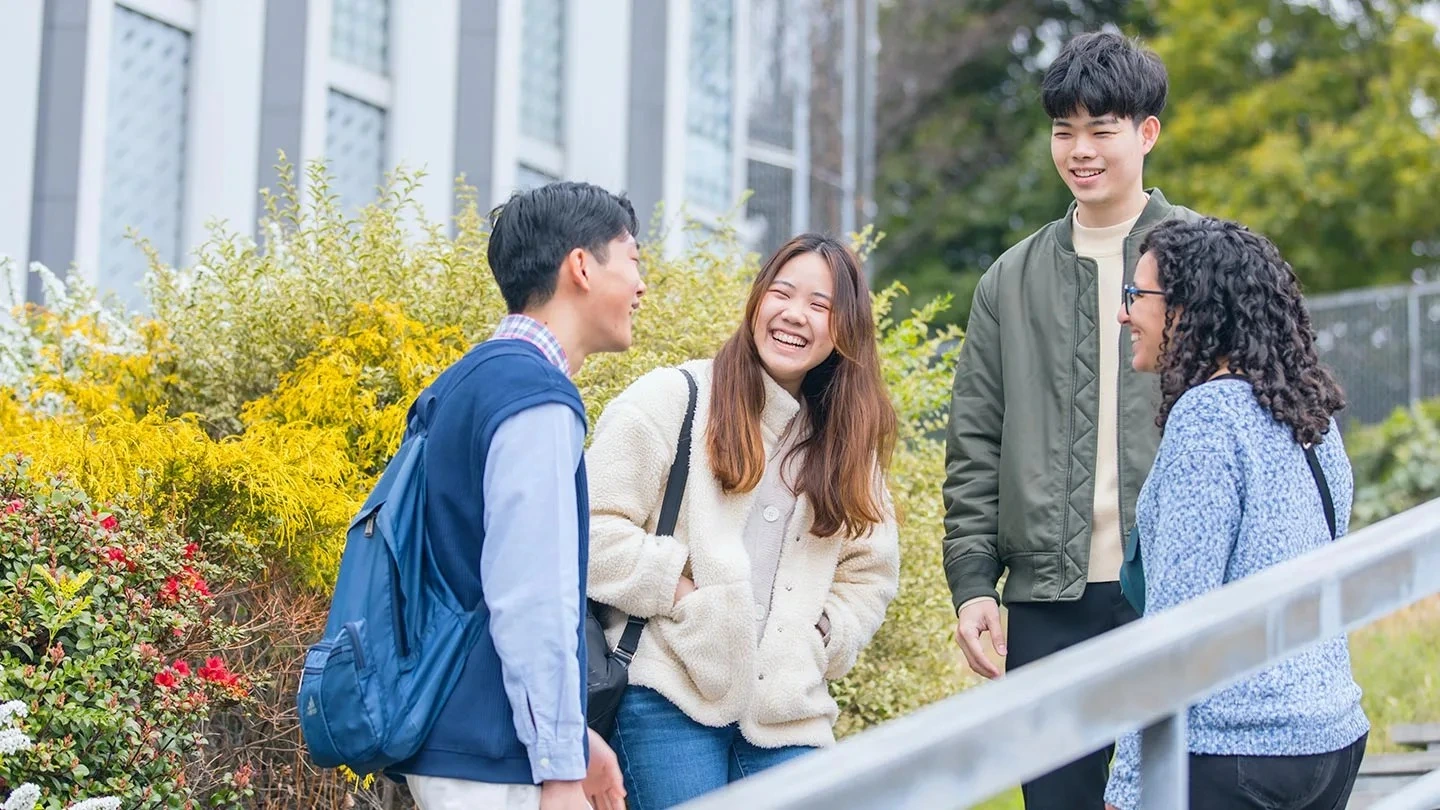
This series seeks to reveal the “real” Science Tokyo from a student’s point of view based on reporting by Science Tokyo’s “PR Supporters.”
One of the distinctive features of the Institute is its unit system, though students may not be aware of it before they enroll. Students are grouped into units with fellow first-years in other schools and faculties to go through orientation and take required courses together. We asked three PR Supporters, who help promote the Institute’s public relations activities, to share their experiences in the unit system.
Finding true friends in the unit
2nd-year, School of Materials and Chemical Technology
Since the courses required during your first year of studies are taken together with your unit, you have a lot of opportunities to see each other. Some units grow closer than others, but I have never heard of a unit where the students did not get along. Even if you do not know anyone else when you enroll, your unit will become a place where you feel like you belong. I think it is important for students to have that sense of security that comes with knowing other people in the classroom.
Personally, the biggest advantage of units was the opportunity to make friends. Although we weren’t always together in a full group, I grew close to one of the members of our unit, and they became my best friend at the Institute. We would help each other study, explaining things the other didn’t understand, and we ate lunch together almost every day. I think my time at Science Tokyo was much more enjoyable because of our friendship. Units give you a great chance to make those kinds of connections.
Spending our first year together
2nd-year, School of Environment and Society
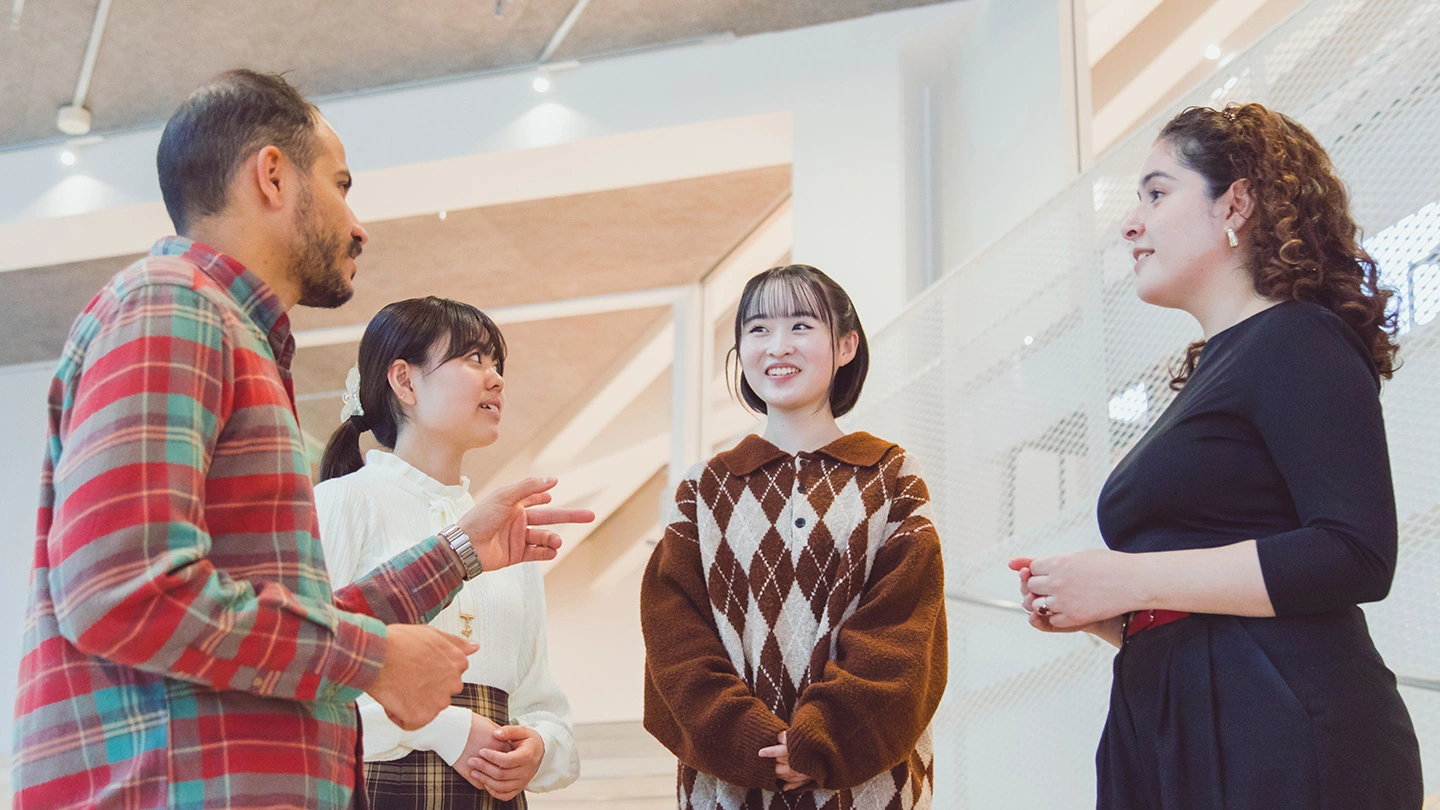
During the first semester of my first year, our unit took a course called the Science Tokyo Visionary Project course together with another unit twice a week. As part of the course, we would watch video lectures by professors before breaking up to work in small groups. Because this was the only course where I could study alongside the members of our unit in the medical and dental sciences, I felt that this really helped me expand my circle of friends. Also, since most classes taken during your first year follow a set timetable for each unit, you usually share the same daily schedule. Some units even set up their own booths for the Koudaisai Science Tokyo festival in autumn, selling churros and drinks.
I think the unit system gives you a great way to meet and interact with people from other schools and faculties. Once you enter your second year, you spend most of your day working within your specific field of study, and schedules may vary wildly depending on the department. This means you naturally spend more time with students in your own field, while meeting those from other fields tends to be limited to student clubs or activities. That’s why I’m grateful that units gave me the opportunity to meet people with many different interests.
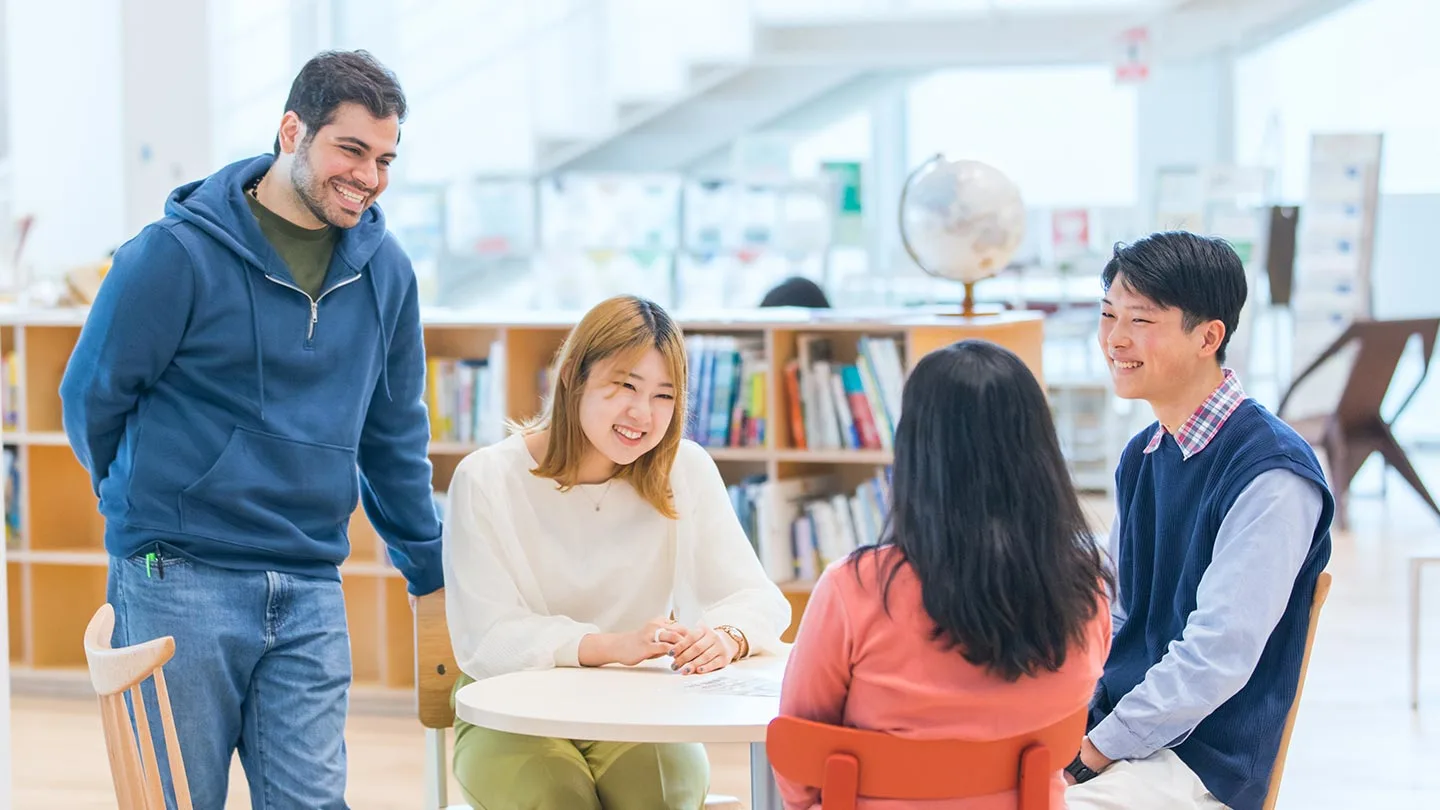
Required courses in the first year include a wide range of subjects related to the sciences, such as mathematics, physics, organic chemistry, and programming. My unit was made up of people with a mix of strengths; some were good at math, and others were more familiar with the life sciences, so I would sometimes ply them with questions before exams, and they would help me understand the material. Those interactions made me interested in fields I had never given much thought to before. In that way, I think the unit system made a strong impact on me by exposing me to new values and perspectives.
The unit system as a medical and dental sciences student
1st-year, Faculty of Dentistry
From April through early June, medical and dental sciences students commute to Ookayama Campus on Mondays to take the Visionary Project course together with students in science and engineering. One unit would be made up of 17 students*, using a ratio of 3 medical and dental sciences students to 14 in science and engineering fields, with 2two units in a single class. Students in those classes would also be divided into small “home groups” to discuss the lectures we watched on video. We would gather around a small, round cardboard table called an entakun** to share our thoughts and take notes, and sometimes we would interact with the other groups, too.
As someone in the medical and dental sciences, I think the advantage of the unit system is how it enables you to make more friends with diverse values. With only a few students in that field for any given unit, you might worry whether you will be able to fit in with a group you only meet once a week. But as you continue to work together as a home group, you come to realize that even though you are all pursuing careers in science, your values and career plans may be vastly different, which can lead to fascinating discussions. Some units get along so well that the members go out together on weekends! Other units may plan booths to run together as a group at the Kodaisai, Science Tokyo Festival. I think this kind of interaction represents a first step for collaboration among students across medical-engineering disciplinary lines.
*Numbers of students and affiliations may vary from unit to unit.
**A communication tool designed to stimulate discussions and enhance participation at workshops. Users form a small circle with the round table on their knees.
Related articles
The real Science Tokyo
This series seeks to reveal the “real” Science Tokyo from a student’s point of view based on reporting by Science Tokyo’s “PR Supporters.”