STEAM Workshops Conducted in Japan and Sweden as Part of the Entrepreneurship Global Study-Abroad Program
As part of the Entrepreneurship Global Study-Abroad Program (August 25–September 11, 2026), participating students planned and delivered STEAM workshops for high school students in both Japan and Sweden.
This article reports on the students’ activities in three parts.
1. Workshop at Kogyokusha High School (Japan),
2. Workshop at House of Science (Sweden)
3. Reflections on conducting workshops in both countries
Overview
Workshop Themes
・Let’s Decode QR Codes : Understanding the structure of QR codes and how they work, followed by hands-on decoding exercises.
・Let’s Build a Hologram Device : Learning about light reflection and transmission, and creating a hologram viewer using plastic sheets.
Dates, Locations, and Participants
・August 21, 2026 – Kogyokusha High School (Shinagawa, Tokyo) Approximately 20 high school students participated.
・September 8, 2026 – House of Science, KTH Royal Institute of Technology (Stockholm) Approximately 30 high school students participated.
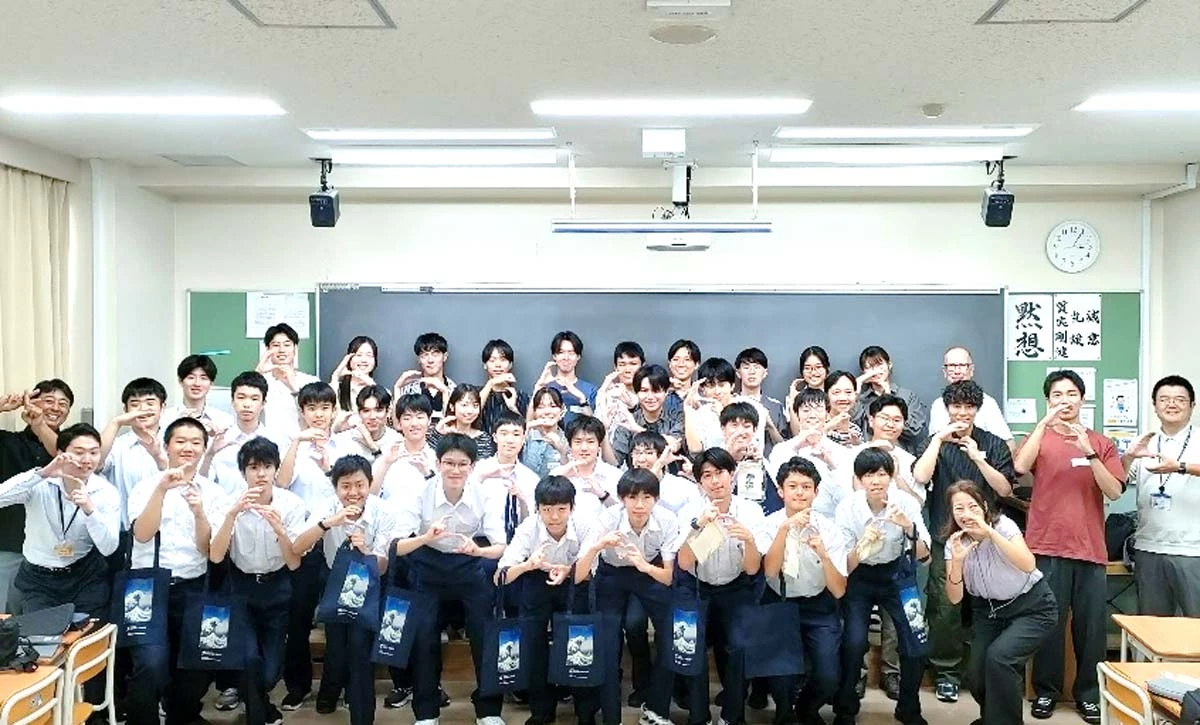
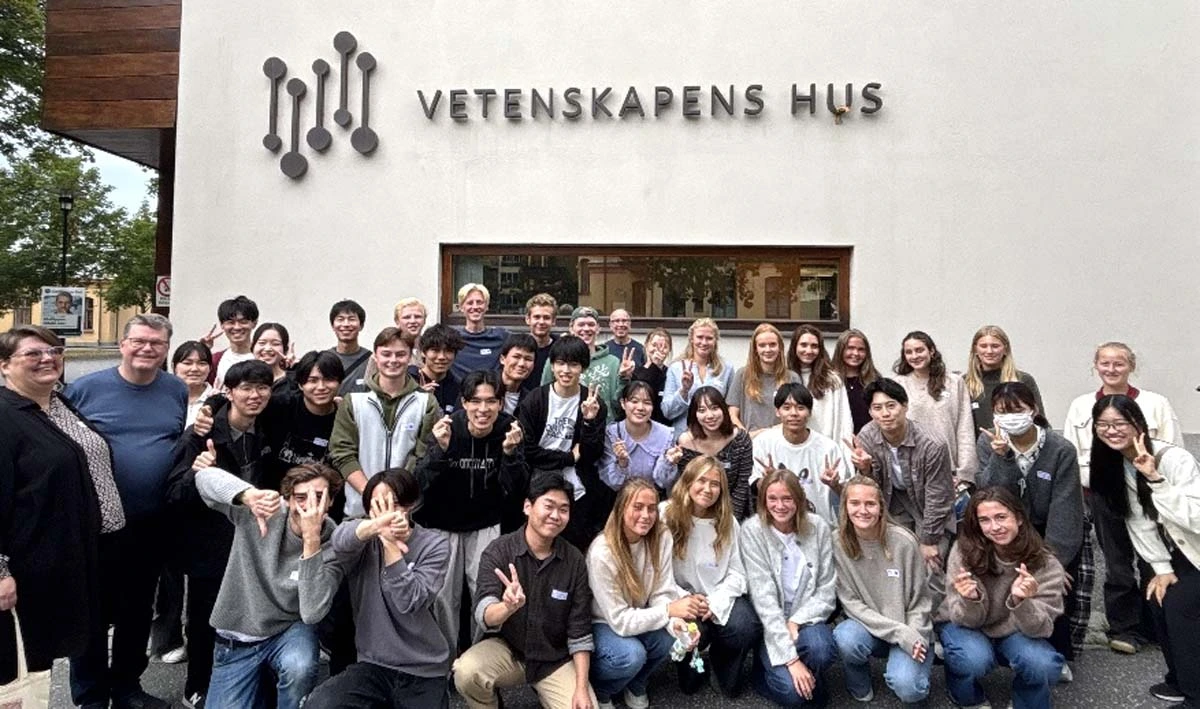
Science Tokyo students spent considerable time planning and preparing the workshops, and rehearsing in both Japanese and English. One participant reflected: “We spent a lot of time thinking about what questions to pose, what experiences we wanted participants to have, and how those experiences connect to society. It was a continuous process of trial and error, and I’m truly glad everything went well.” Another student commented: “What truly became a learning and inquiry experience for us was the process of planning and running the STEAM workshop itself.”
These remarks capture the essence of this initiative.
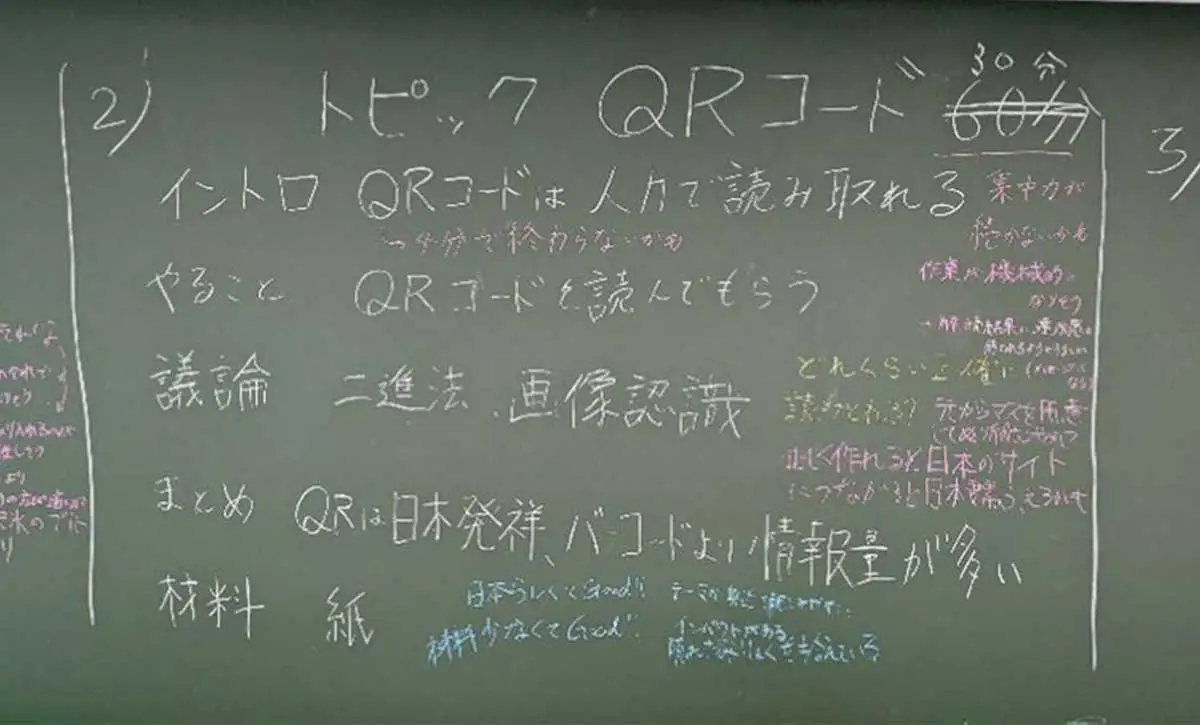
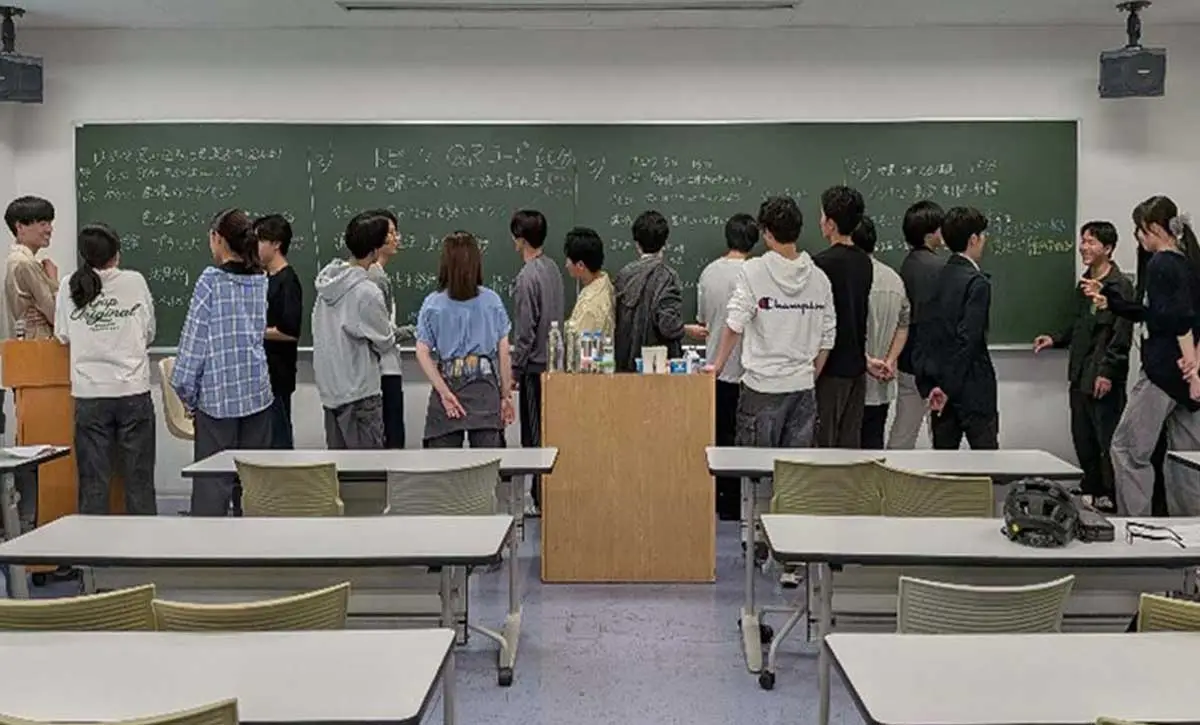
Now, let us share the workshop reports written by the participating students.
① Workshop at Kogyokusha High School
Reporter: School of Environment and Society, Department of Transdisciplinary Science and Engineering, 3rd year (Undergraduate)
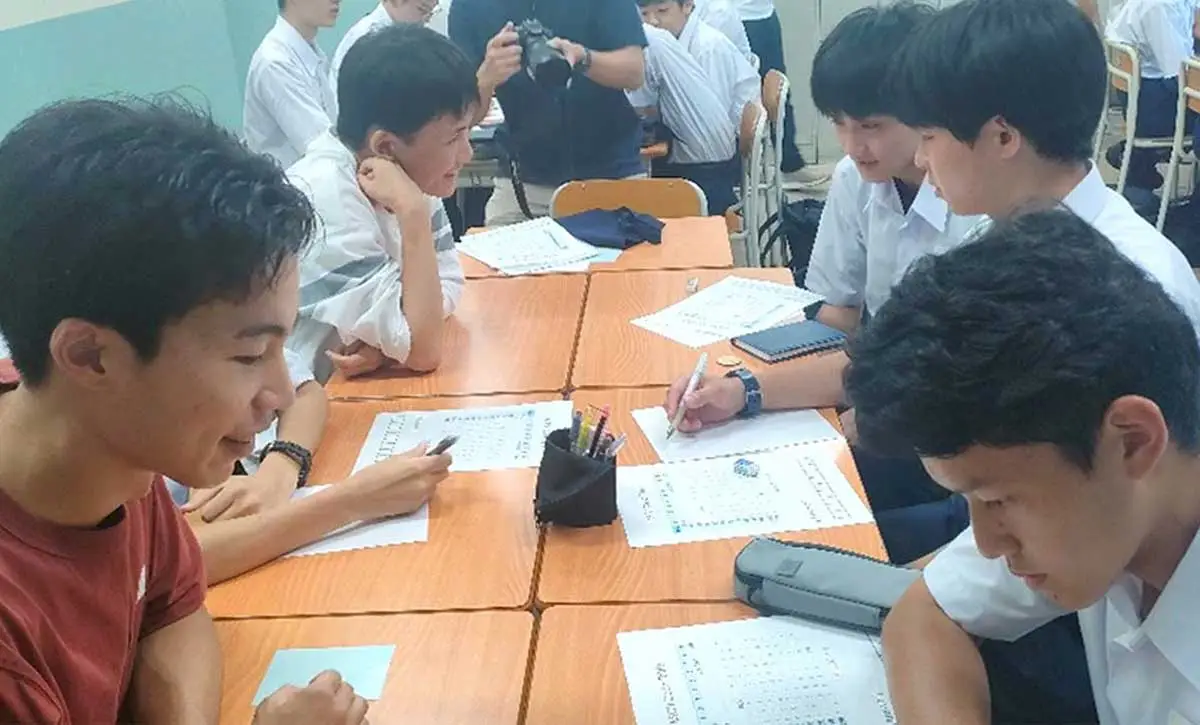
On August 21, 2026, we visited Kogyokusha High School and conducted STEAM workshops on QR codes and holograms. Around 20 students each from Science Tokyo and Kogyokusha participated, forming four small groups for active interaction.
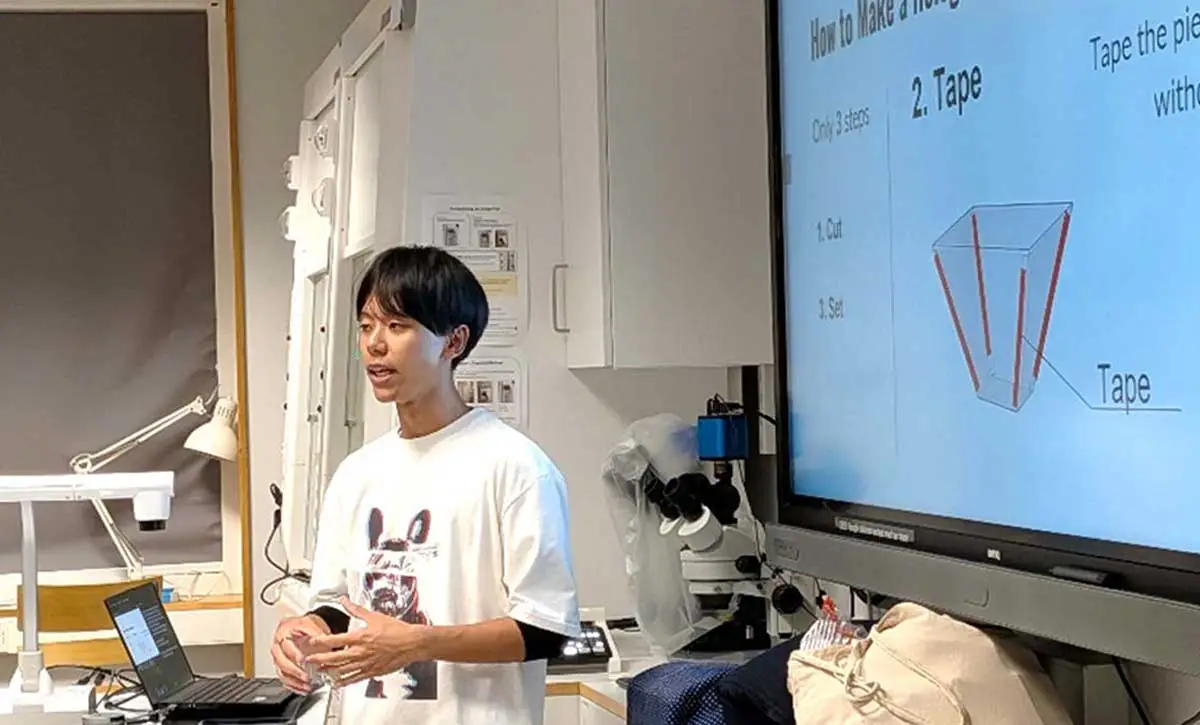
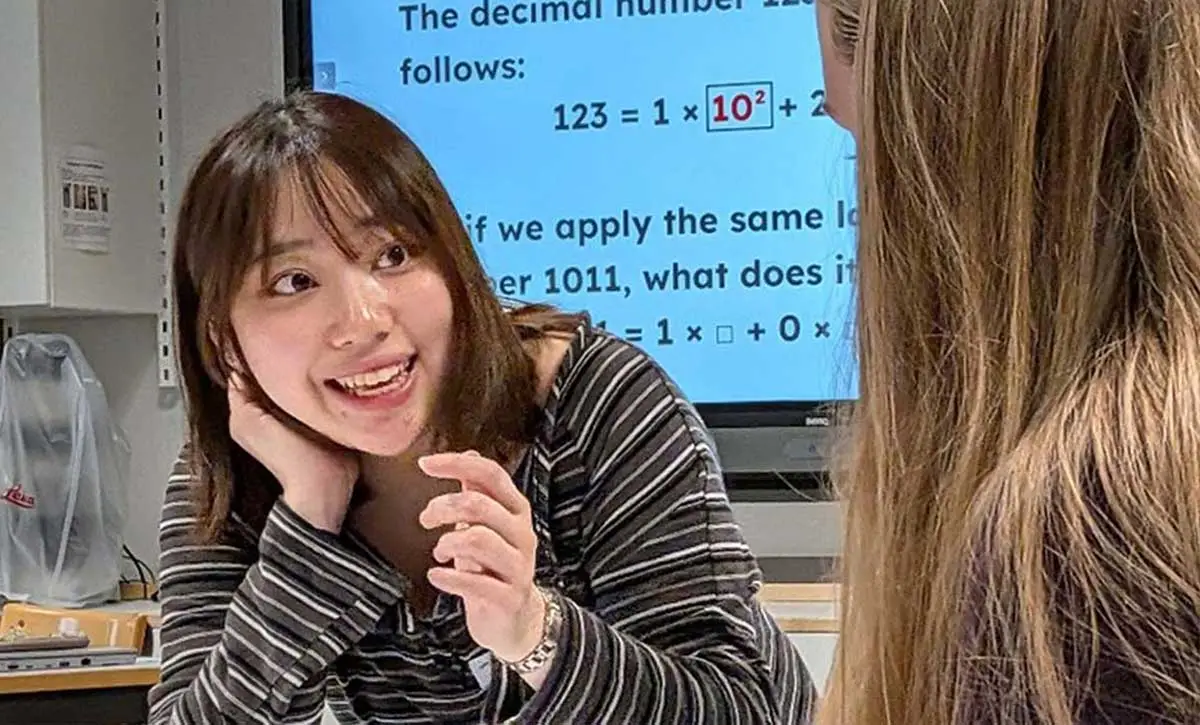
I was in charge of the QR code decoding activity. During the workshop, we explained the mechanism of QR codes and gave quizzes for each group to solve. The quizzes gradually increased in difficulty so that students could ultimately decode a QR code on their own. To decode QR codes, understanding binary numbers is essential. Even though this was a very “math-heavy” topic, the Kogyokusha students listened attentively. They were highly curious and began solving problems immediately after they were presented—at impressive speed.
The final challenge was a team competition. Once they learned there would be prizes, the students became even more engaged, working together enthusiastically. I work as a private tutor, so I often teach one-on-one. The moment when students genuinely enjoy solving problems is the most rewarding for me. Seeing Kogyokusha students having fun while tackling the challenges made me truly happy.
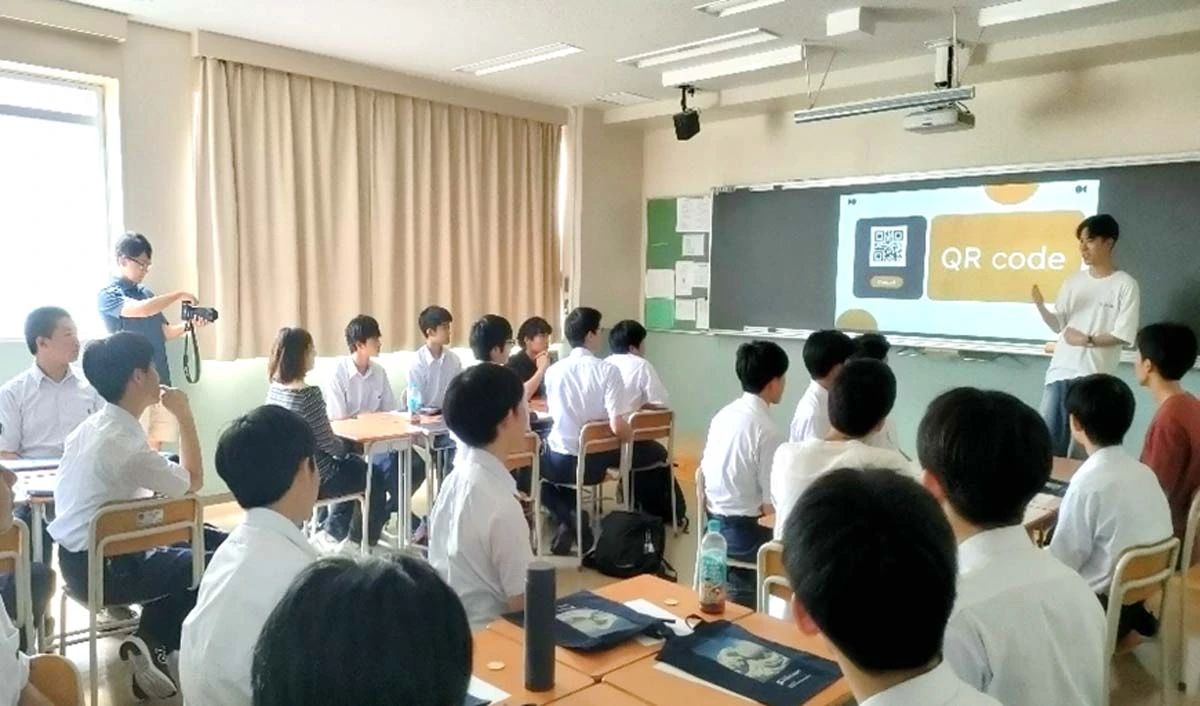
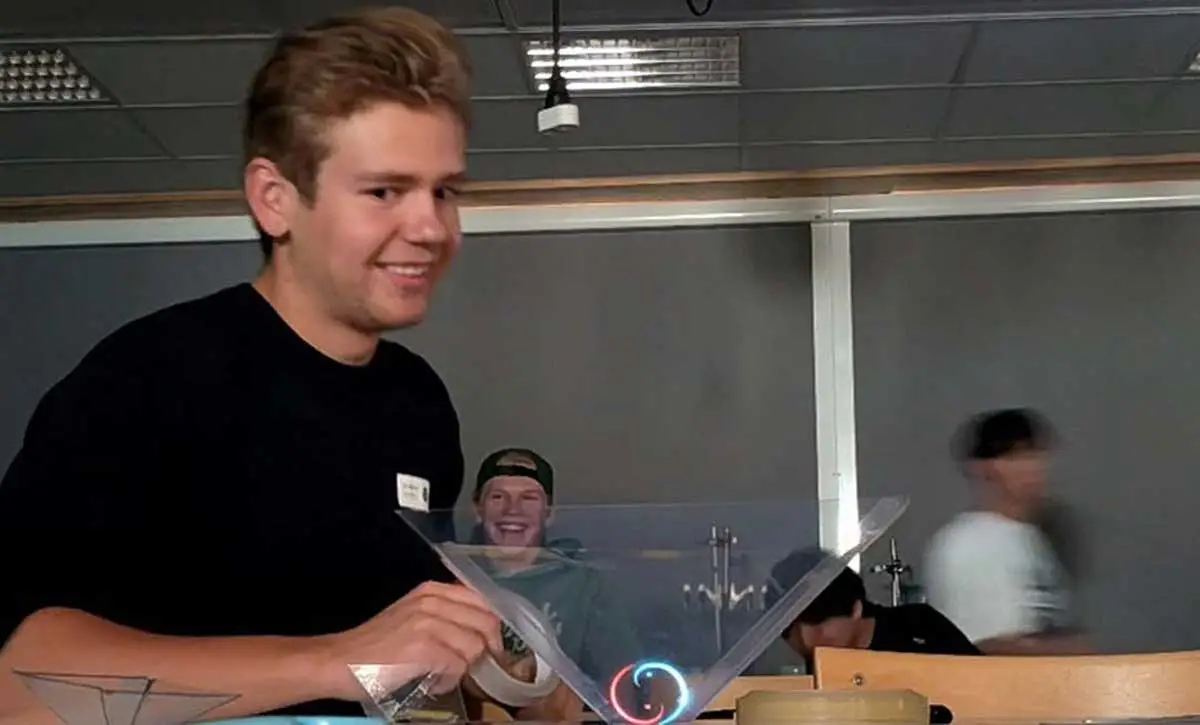
In the hologram workshop, students cut plastic sheets to create a base and used images on an iPad or smartphone to project a floating 3D hologram. In the darkened room, their focused expressions were striking.
During the Q&A session afterward, Science Tokyo students answered questions collected in advance, sharing their own experiences. Kogyokusha students listened earnestly.
Through this STEAM workshop, I became deeply interested in nurturing students’ intellectual curiosity. I have always believed that learning and gaining knowledge are enjoyable and enriching, but this experience made me think more deeply about how to convey that joy to younger students. As a female student studying at one of Japan’s leading science and engineering universities, I hope to become a role model for future women in STEAM education, which helps cultivate interest in science and engineering among younger students, is extremely important. I hope to continue participating in opportunities like this.
② Workshop for Swedish High School Students
Reporter: School of Engineering, Department of Industrial Engineering and Economics,1st year (Master's)
【Student Activities】
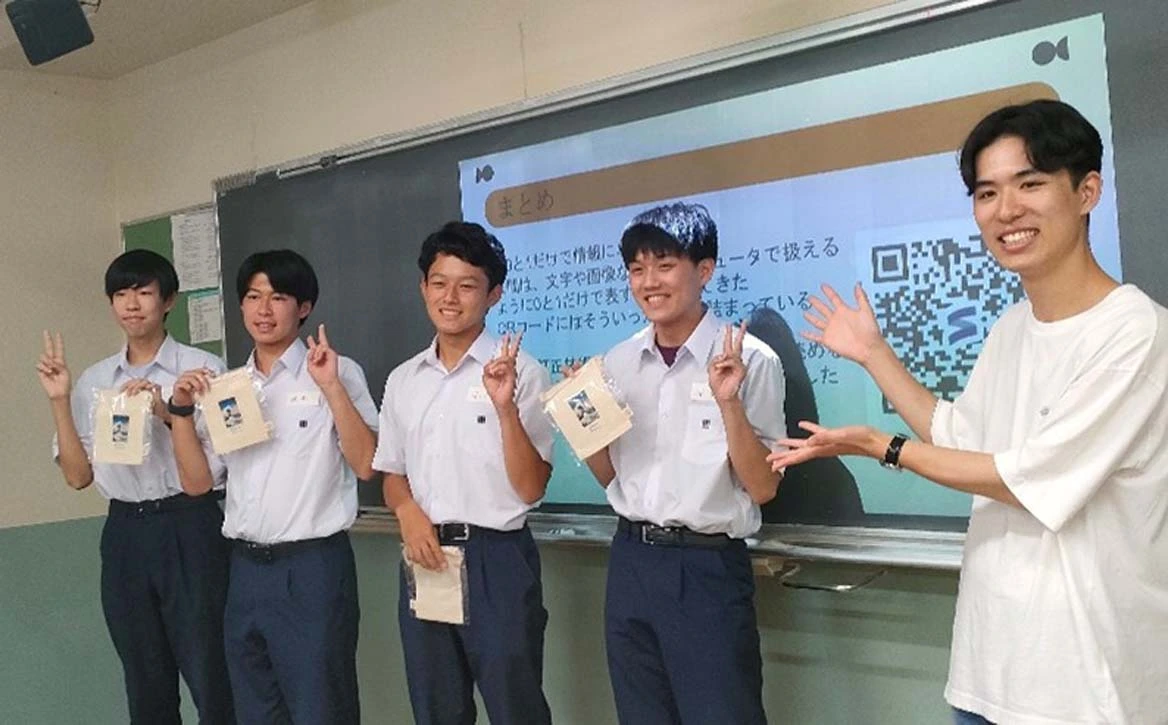
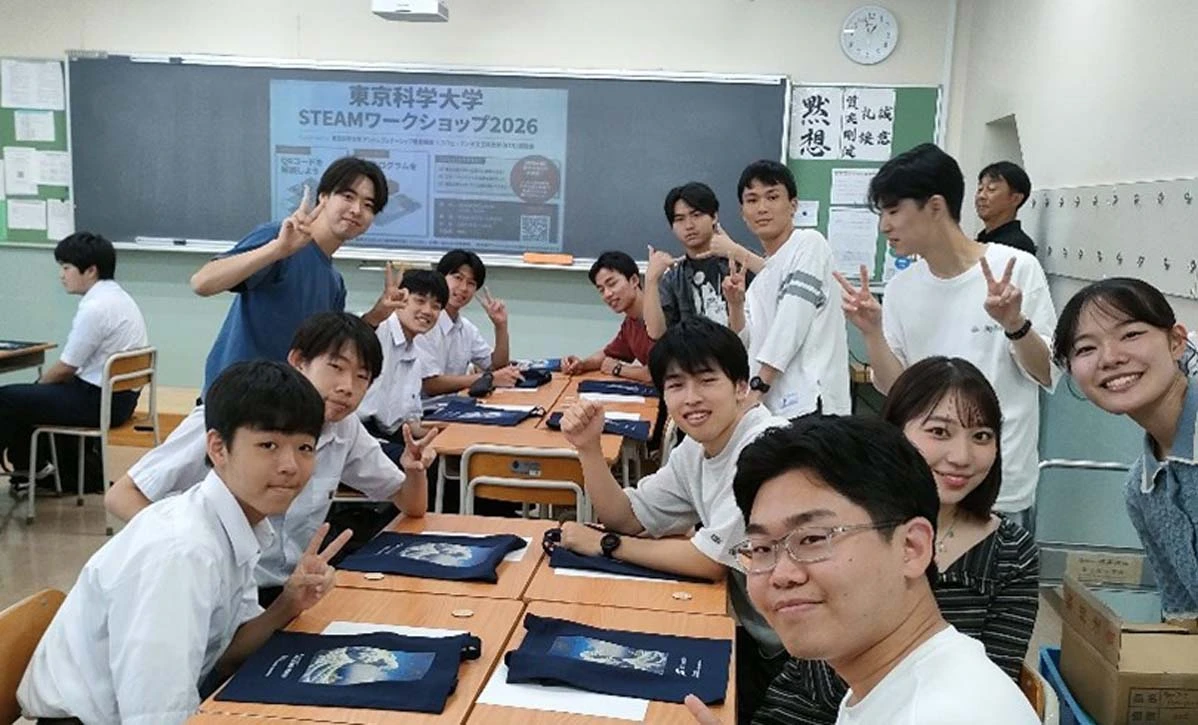
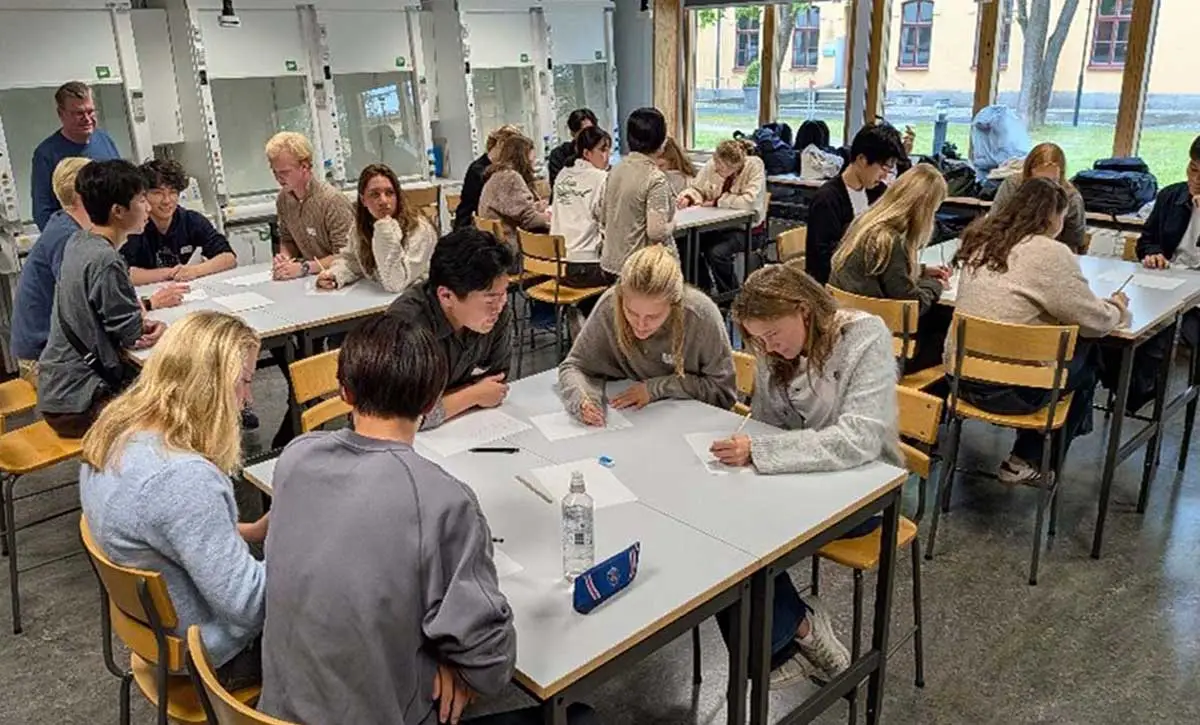
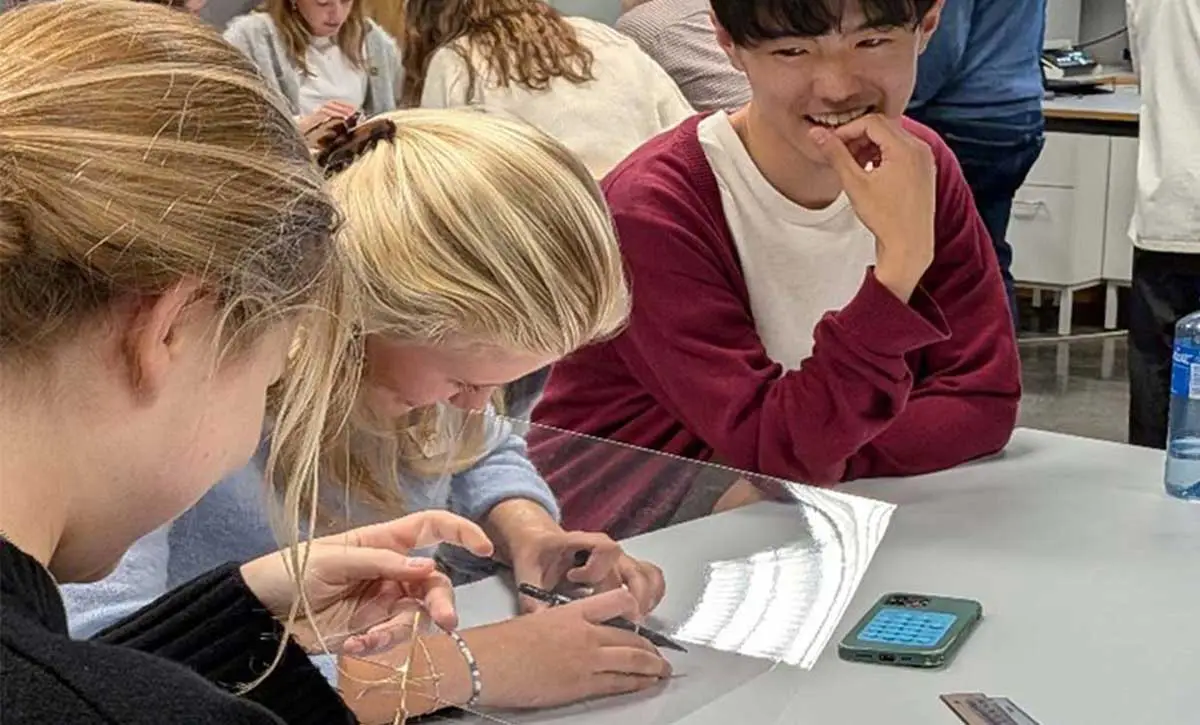
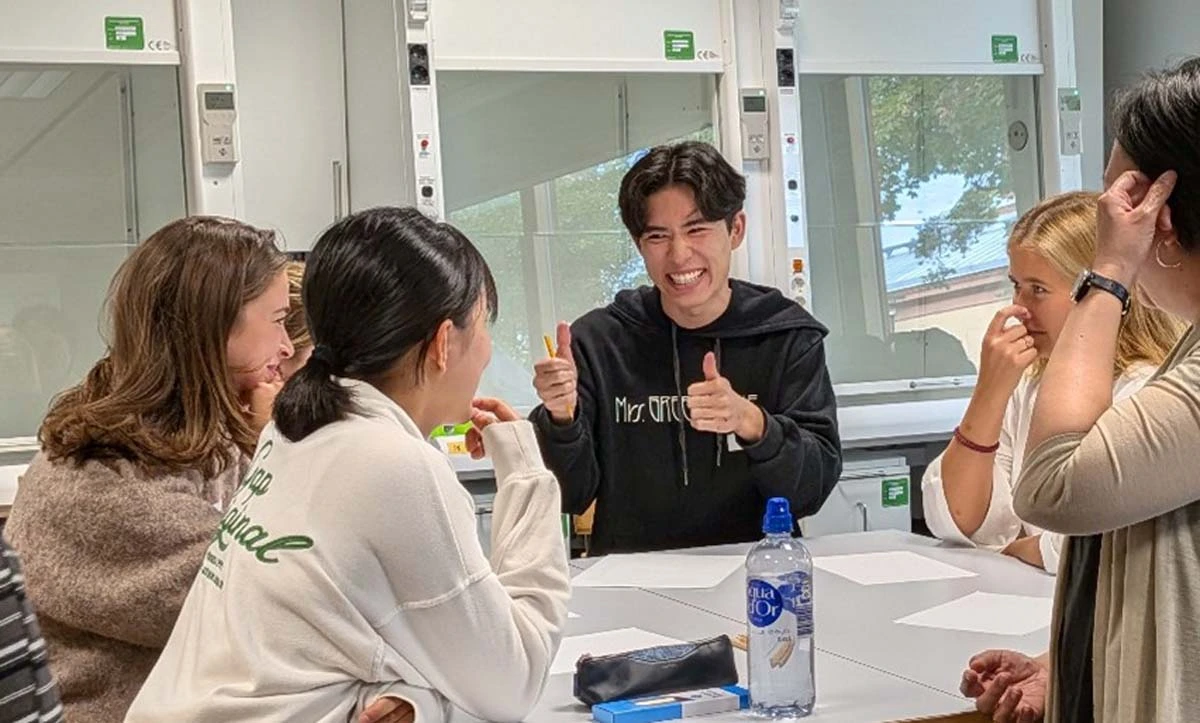
In Sweden, Science Tokyo students conducted STEAM workshops for local high school students, focusing on mathematical and scientific themes. We divided into two groups—QR code decoding and hologram creation. At each table, two Science Tokyo students worked with two or three Swedish students, fostering small-group interaction. Although everyone was a bit nervous at first, conversations about hobbies and Japan helped break the ice. By the end of the activity, we were chatting naturally and smiling together.
【Memorable Moments】
What left the strongest impression on me was the communication with Swedish students. I felt that Swedish people share a slightly shy nature similar to Japanese people. When they didn’t understand something, they tended to think quietly first before asking for help. Therefore, instead of relying solely on verbal explanations, we paid close attention to their expressions and gestures, offering support when they seemed unsure. This experience taught me the importance of observing the other person and communicating beyond language.
We also bonded over football, which is my hobby. Talking about favorite teams and players helped the conversation flow, reminding me that shared interests can bridge cultural and linguistic differences. Sports and culture truly have the power to connect people across borders.
After the workshop, we exchanged snacks—Japanese sweets we brought and Swedish sweets they offered. Some Swedish snacks had very unique flavors, and we enjoyed each other’s reactions, deepening our exchange.
【What We Learned】
The biggest lesson from this workshop was that even with different languages and cultures, a sincere desire to understand the other person allows genuine connection. The Swedish students were kind and friendly, and our interactions were warm and enjoyable. Explaining Japan in English and discussing shared interests boosted my confidence. I was also surprised by how many Swedish students were interested in Japan—some loved anime and manga, while others said visiting Japan was their dream.
Experiencing this admiration for Japan abroad made me reflect on my own country and feel proud of it. The STEAM workshop was not only a place to learn science but also a valuable opportunity to understand each other’s cultures and build human connections.
③ Conducting Workshops in Both Japan and Sweden
Reporter: School of Environment and Society, Department of Transdisciplinary Science and Engineering, 1st year (Undergraduate)
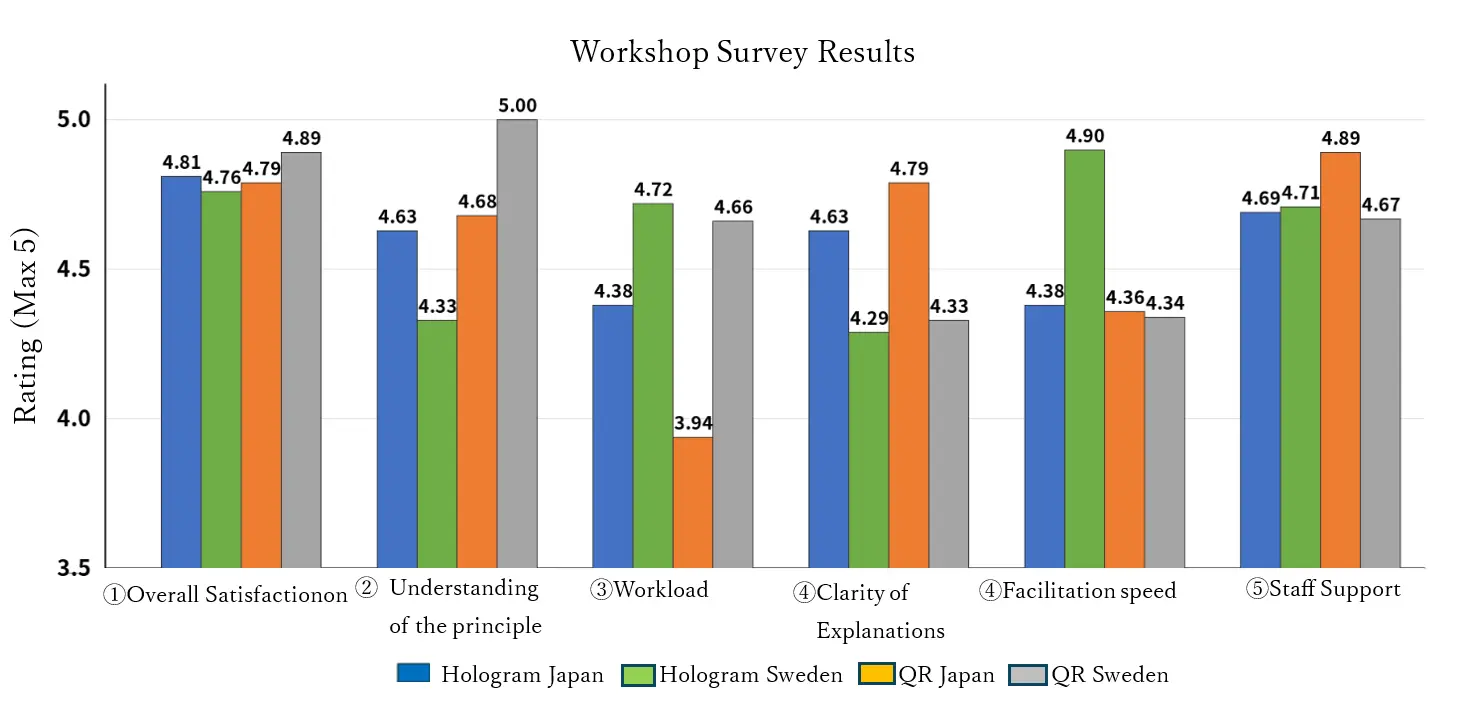
To know differences in student reactions between Japan and Sweden, we conducted surveys after each workshop. Feedback from Japanese students was analyzed before the Sweden workshop and used to improve the content and delivery.
【Hologram Workshop】
Respondents: 16 in Japan, 21 in Sweden.
Significant differences appeared in ② Understanding of the mechanism, and ④ Clarity of explanations, both of which were about 0.3 points lower in Sweden. There is a possibility that linguistic factors were involved. However, ① Overall satisfaction showed no clear difference. This suggests that the beauty and excitement of science transcended language barriers, and that Science Tokyo students’ individualized support contributed to high satisfaction. Regarding ③ Amount of work and ④ Pace of progress, Japanese students tended to feel the workload was high and the pace fast, whereas Swedish students felt the workload was moderate and the pace appropriate. This indicates that improvements made after the Japan workshop were effective.
【QR Code Workshop】
Respondents: 19 in Japan, 18 in Sweden.
As with the hologram workshop, ④ Clarity of explanations dropped by more than 0.4 points in Sweden. However, ③ Understanding of the mechanism was rated highly in both countries, with Sweden giving a perfect score of 5.0. This reflects the effectiveness of the quiz-based, step-by-step approach used by the QR code team.
The ③ Amount of work also improved by about 0.7 points toward the ideal value. Considering the English delivery in Sweden, we intentionally kept the workload unchanged from Japan, which proved to be the right decision.
【Conclusion】
Through this program, we learned not only how to convey the excitement of science and nurture intellectual curiosity, but also how to adapt explanations and activities for audiences with different languages and cultural backgrounds. Feedback from the Kogyokusha workshop informed revisions for Sweden, and reflecting on these revisions was a valuable part of the experience. We realized that meaningful interaction arose naturally when students collaborated on a shared scientific theme. Conducting the workshops in both Japan and Sweden helped us see how science has the power to connect people across linguistic and cultural boundaries.
We hope to apply the insights gained through this experience in our future academic and professional endeavors. Lastly, We would like to thank Dr. Kentaro Nagahara of Institute for Liberal Arts at Institute of Science Tokyo for introducing us to Kogyokusha High School, and Dr. Anders Blomqvist of House of Science for giving us the opportunity to conduct a workshop for Swedish high school students. We would like to express our deep gratitude to both professors and to Dr. Hazel of Center for Entrepreneurship Education at Institute of Science Tokyo for their guidance throughout the planning and implementation of the workshops.
Comments from Faculty
Anders Blomqvist, PhD, Deputy Director Vetenskapens Hus (House of Science), KTH Royal Institute of Technology and Stockholm University
The preparation and workshop design developed through several rounds of discussion and revision. The students began with four ideas and narrowed them to two activities, considering what would work for the high-school participants. For example, I pointed out that Swedish students might guess the QR code’s destination if it linked to sweden.se. After some discussion, the students changed the destination to Studio Ghibli. This is one example of how they reconsidered and adapted their ideas for the audience.
The reflections also show that the process mattered to the students. They describe the satisfaction of helping others enjoy problem-solving, an interest in nurturing students’ curiosity, and, for one student, the aspiration to become a role model for women in STEM. Their accounts also suggest that working together on a shared activity can provide a natural icebreaker and help create a sense of “we.”
They represented themselves exceptionally well and were excellent ambassadors for Institute of Science Tokyo and for Japan, leaving a very positive impression through their enthusiasm, thoughtfulness, and engagement with the students.
Kentaro Nagahara, Associate Professor(Lecturer)
Institute for Liberal Arts, Institute of Science Tokyo
The participating university students worked very hard from the planning stage, continually refining their ideas and thinking carefully about how to communicate across languages and cultures.
It was particularly rewarding to see both university and high school students learning from one another through mathematics and science, across differences in age and interests. I believe these workshops provided valuable learning experiences for everyone involved.
These workshops would not have been possible without the generous support of Center for Entrepreneurship Education. I am sincerely grateful to everyone who contributed to making them a success.
Hazel Bantolino Gonzales, Associate Professor
Center for Entrepreneurship Education, Institute of Science Tokyo
From initial planning and preparation through to final execution, every Science Tokyo student brought remarkable passion and commitment to the project. Because the workshop was facilitated by university students, the high school participants found them distinctly approachable. This low-stakes dynamic encouraged high schoolers to ask candid questions about school life in Japan or Sweden, which created a very authentic atmosphere for learning.
Equally important, eliminating the rigid boundary between "art" and "science" significantly lowered the barrier to engagement. Blending sciences with physical aesthetics (STEAM) allowed students who typically shy away from STEM fields to actively thrive. Ultimately, the experience of our facilitating students and workshop participants proved that this kind of activity not only bridges disciplines, but also connects individuals across different ages, backgrounds, and cultures.
アントレプレナーシップ教育機構
グローバル教育実施室