| About Student Ambassadors |
|---|
| Science Tokyo’s Student Ambassadors are appointed to be the face of the Institute for prospective students and their families. They post about their academic and social lives at Science Tokyo, and share their experiences in undergraduate, master’s, or doctoral programs in various science and technology fields. |
Vinnie Chuawanta
School of Life Science and Technology
Master's degree program

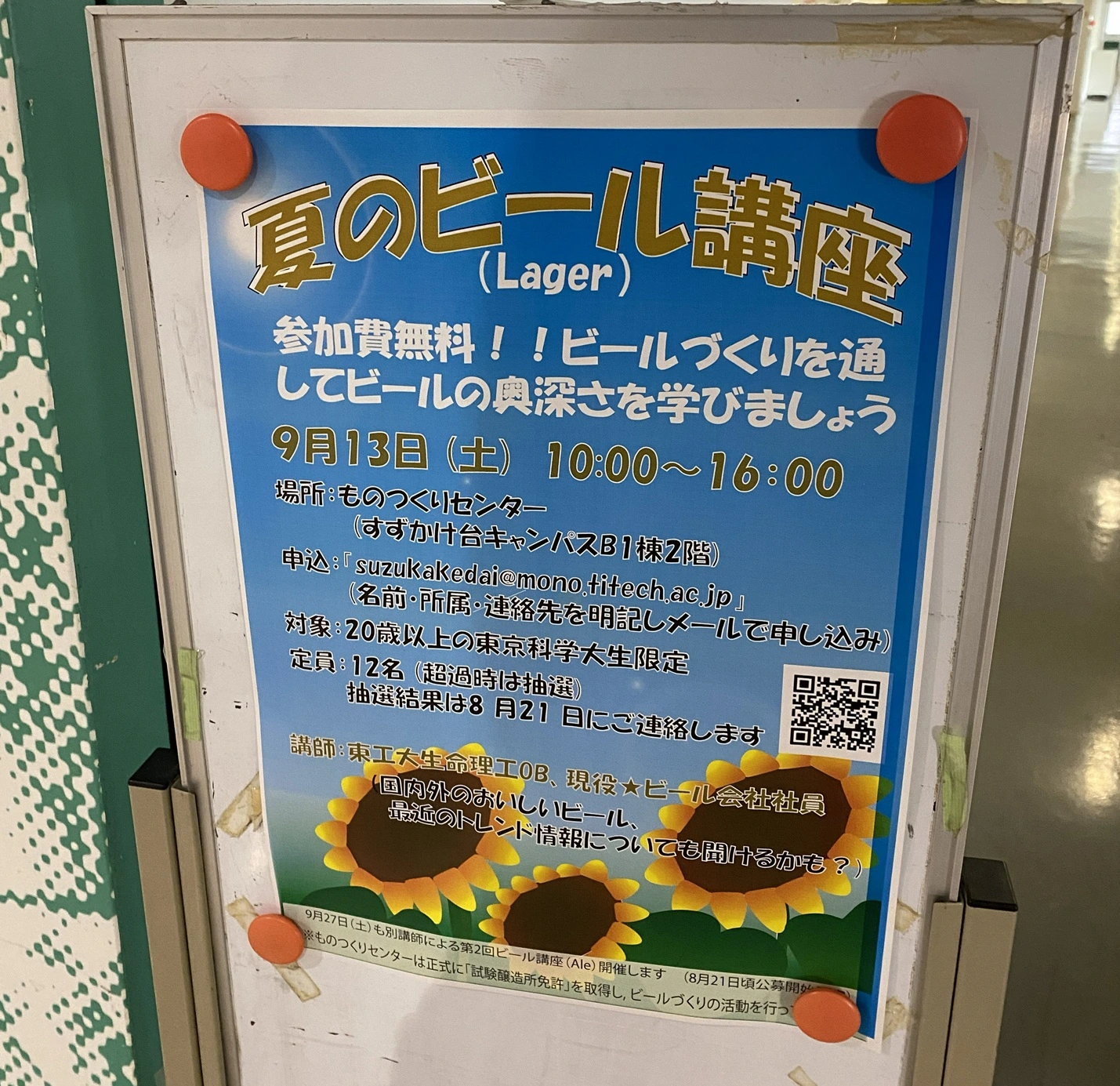
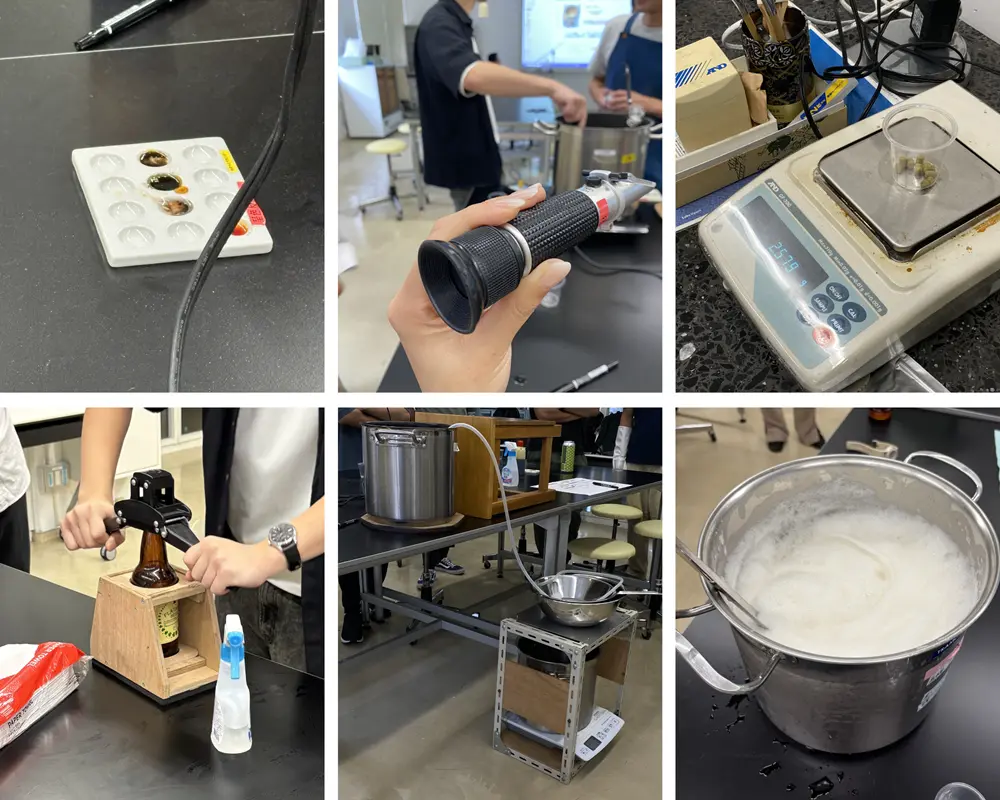
Ever wondered what goes into crafting a pint of beer and the science that makes it happen? I recently had the opportunity to dive into the art and science of brewing through the Summer Beer Seminar (Lager) at the Science Tokyo Collaboration Center for Design and Manufacturing (CODAMA).
What happens at a beer seminar?
Note: This seminar was fully licensed and professionally supervised.
Please do not try this at home!
This wasn’t just a lecture where you sit and stare at slides; it was a full-on sensory experience where we got to engage with the entire brewing process.
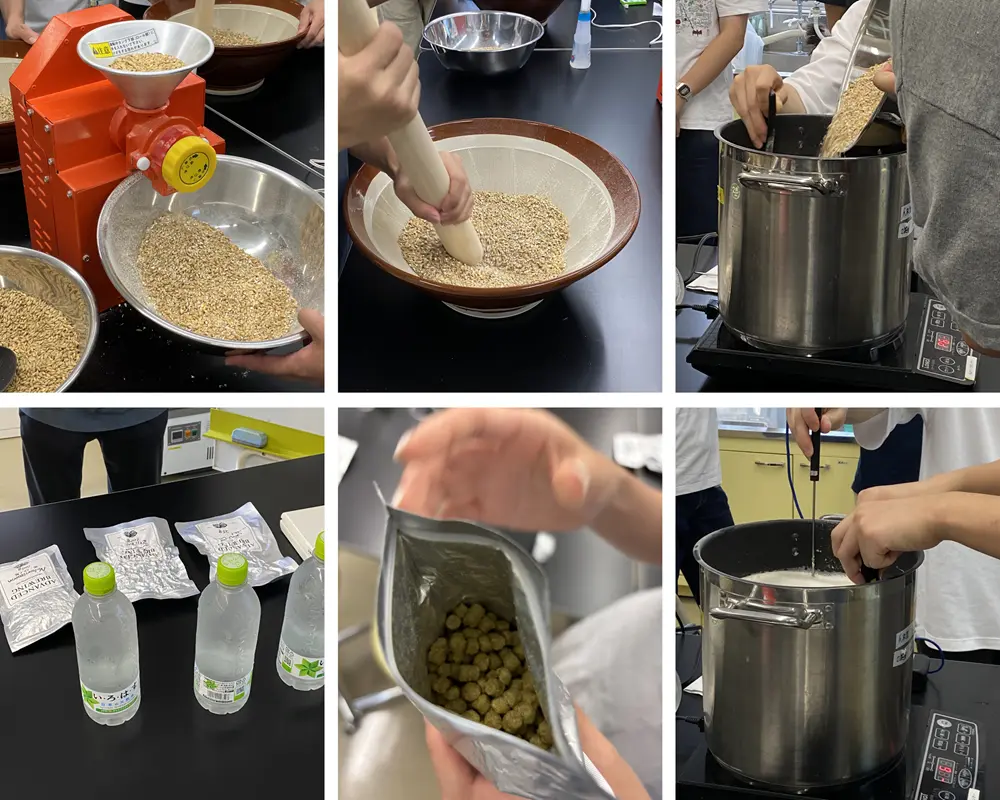
1. Brewing from scratch
We got our hands dirty with the actual raw ingredients, broken down into the “Big Four”: water, malt, hops, and yeast. It was fascinating to see how they interact: The malt (sprouted barley) provides all the sugar, the hops act like a spice to keep it from being too sweet, and the yeast does the heavy lifting of turning all that sugar into actual alcohol.
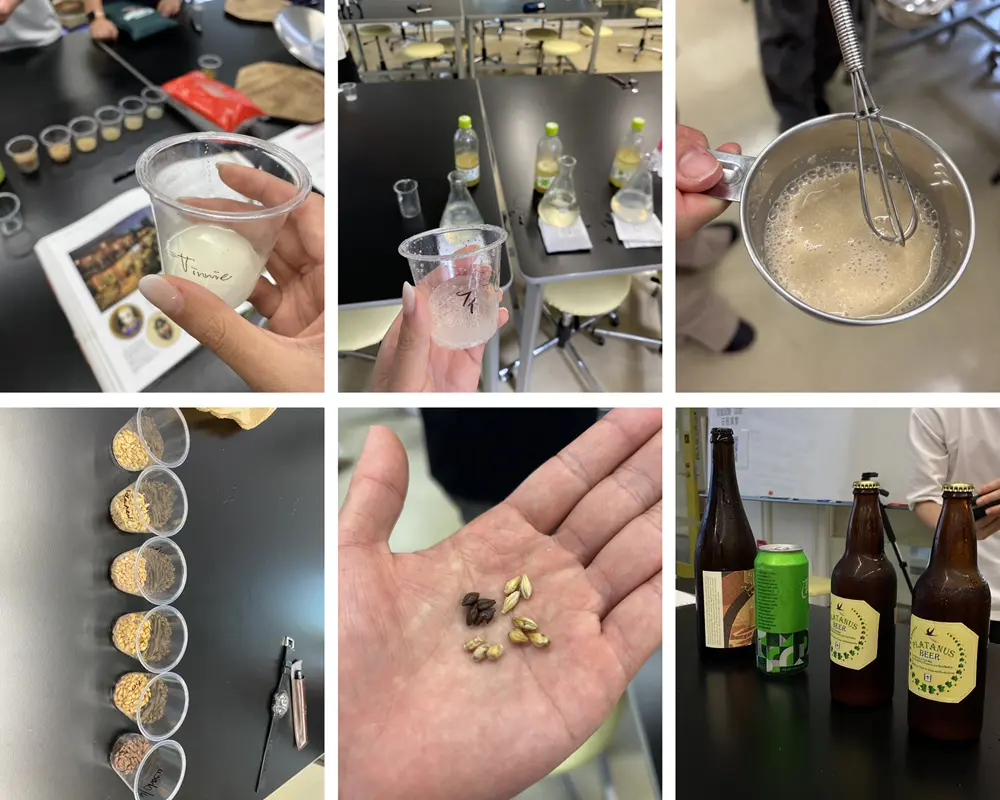
2. The “taste test” method
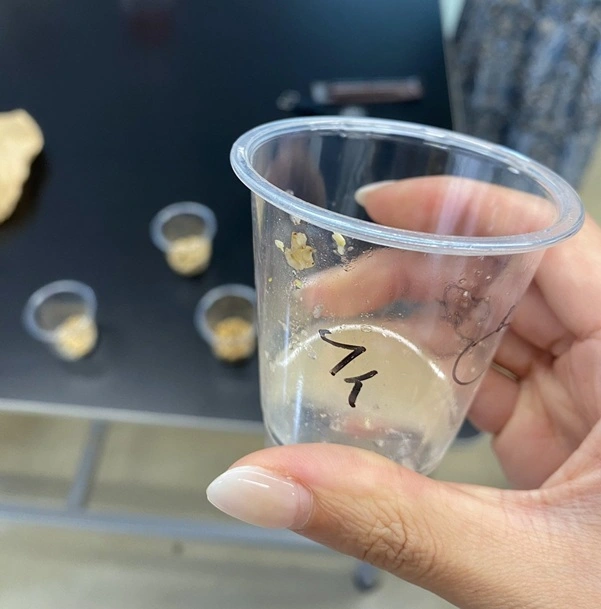
The best parts? We got to taste the ingredients and the product at every stage to understand how flavors evolve.
I always thought malt was just some vague “beer ingredient,” but it’s basically just sprouted barley. Now, here’s the kicker: Barley is actually my own research focus. Specifically, I spend my time in the lab looking at the proteins of virus-infected barley leaves. I’m used to seeing barley when it’s yellow, sickly, and struggling. So walking into a room where people were excited to turn healthy barley into beer was a unique experience. We got to snack on the raw malt, and it’s surprisingly good! It tastes crunchy, toasted, and sweet, like a weirdly healthy breakfast cereal.
Then there are the hops. If you’ve ever had a super bitter India Pale Ale (IPA), that’s the hops talking. Tasting them raw is... an experience. They’re these little green, papery cones that smell amazing (super floral and citrusy), but if you actually nibble on one, it’s like a punch of bitterness to the face. It’s hilarious seeing everyone’s reaction to that first bite.
But the real “lightbulb moment” was learning about ichishibori (the “first press”). Most big breweries soak the malt in water, drain the juice (the first press), and then pour more water over the leftover grains to squeeze out every last drop (the second press). The first and second presses are blended together to save money. But for the high-end stuff, they only use that very first, richest extract, or wort. We got to taste that “first press” wort, and it’s basically like a thick, malty nectar. It’s way smoother and doesn’t have that grassy, bitter aftertaste you get when the grains are over-squeezed.
It’s crazy to think that just by being picky about which juice you use, and adding some yeast, that sugary soup turns into the beer we actually recognize.
The staff member running the show was also a total legend. He didn’t just talk about brewing; he actually brought in seven commercially sold beers for us to try and compare. It turned into a full-on tasting session.
3. The legal question
Ever wondered why everyone doesn’t just start a micro-brewery in their dorm room? Turns out, making the beer is the easy part! The staff explained the incredibly complex licensing laws required to produce alcohol. Navigating the paperwork is the real challenge!
Beyond the gels: a new perspective on science
Analyzing barley leaf proteins through 2D gel electrophoresis usually keeps my focus locked on molecular details in the lab. Stepping into CODAMA to see raw barley transformed into craft beer was a refreshing reminder of the tangible, real-world side of science. It can be interactive, creative, and sometimes delicious!
Seminars like this are a great way to step outside your specialized field and try something completely different. I’m definitely keeping an eye out for whatever workshop they run next—if you ever get the chance to join one, it’s well worth checking out!
Please note that this seminar was fully licensed and professionally supervised.
Again, do NOT try this at home!
Student Ambassadors
Discover Science Tokyo through the voices and experiences of our Student Ambassadors.
Contact
(science and engineering fields) Admissions Center