Science Tokyo supports cleaning, sterilization of Chiba University Hospital’s medical equipment after floods damage facilities
Following the record-breaking torrential rains that struck Chiba Prefecture in mid-August, Institute of Science Tokyo Hospital has been supporting Chiba University Hospital — where wastewater treatment facilities malfunctioned due to flooding — with the cleaning, inspection, assembly, and sterilization of medical equipment, including surgical assistance robots. This new collaboration allows the two university hospitals to complement each other’s advanced capabilities and ensure that medical care in the disaster-stricken area continues uninterrupted.
On August 19, Chiba University Hospital was forced to cancel all scheduled surgeries, and the hospital has since been forced to limit the number of performed surgeries.
In response to the situation, Director General Seiji Ohtori of Chiba University Hospital approached Yasuhisa Fujii, Science Tokyo’s executive vice president for hospital administration and chief medical officer, and Yasunari Miyazaki, director of the Science Tokyo Hospital. Around the same time, the National University Hospital Council of Japan reached out to Associate Professor Hideo Kubota, director of materials management at Science Tokyo Hospital’s Division of Integrated Facilities, for assistance. Kubota has long advocated for a system in which the materials departments of university hospitals support one another in the event of a disaster, and has been working to establish a mechanism for information sharing.
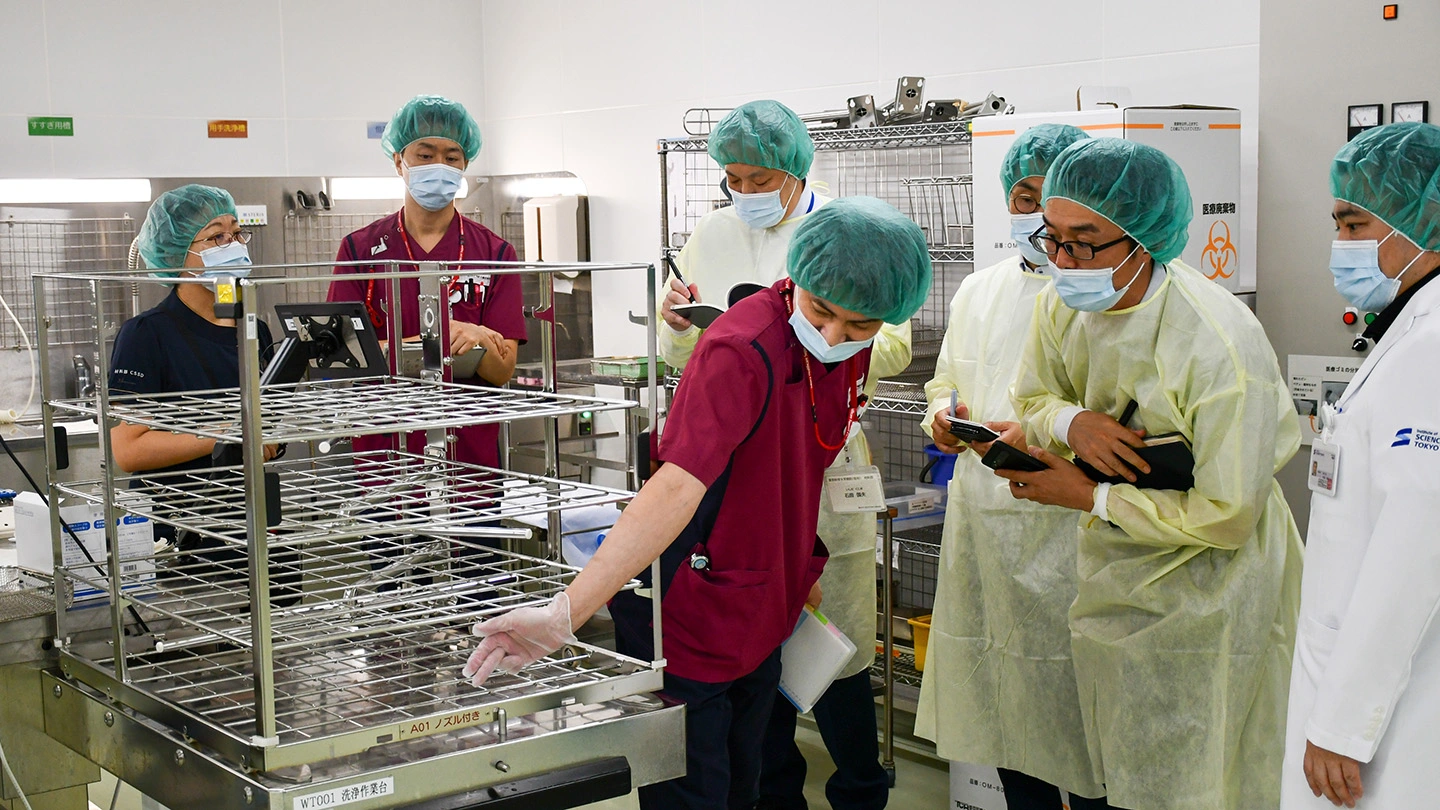
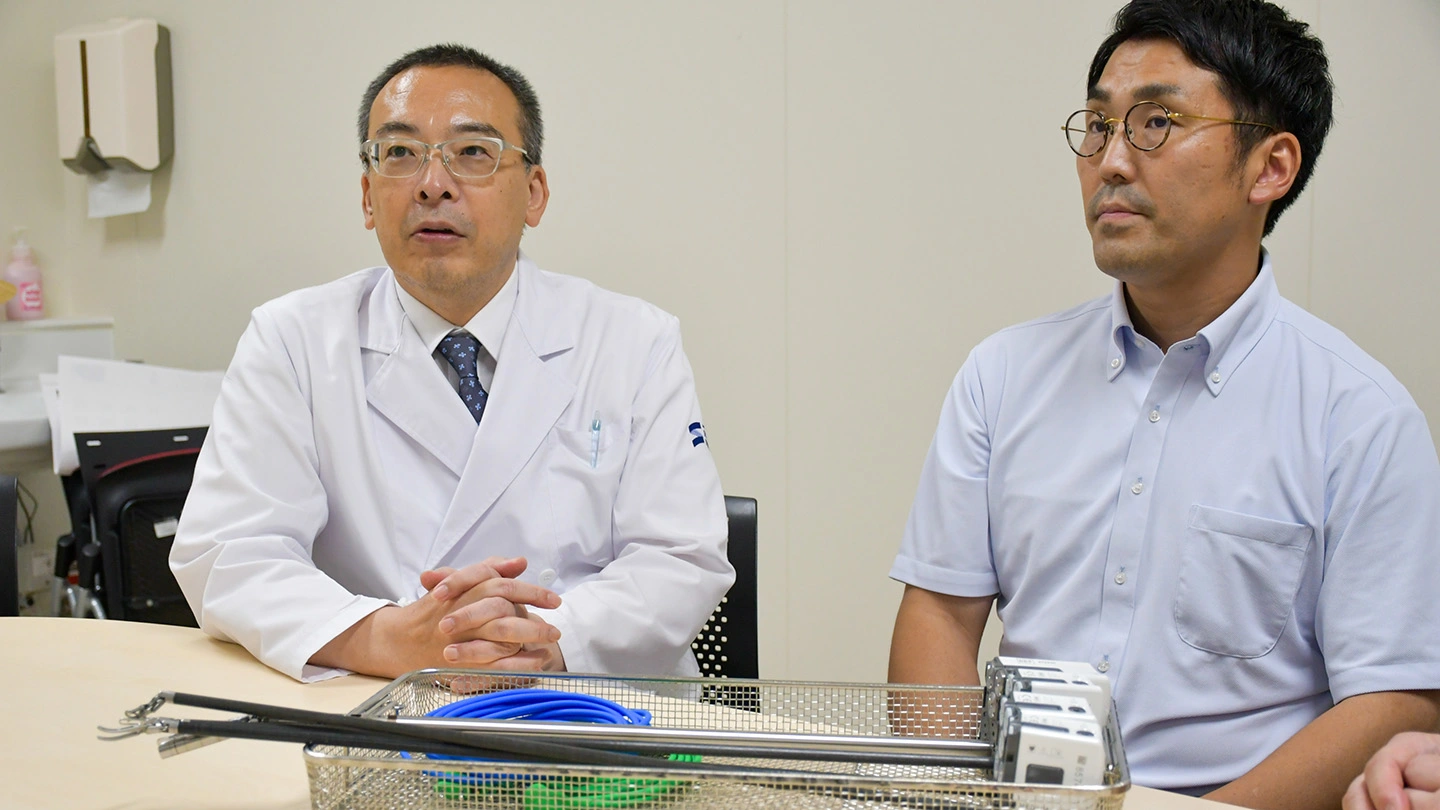
Following a formal request for support on August 19, Chiba University Hospital’s Ohtori visited Science Tokyo on August 21 to confirm the collaboration. The first batch of equipment for cleaning and sterilization was soon delivered to Science Tokyo, and work began.
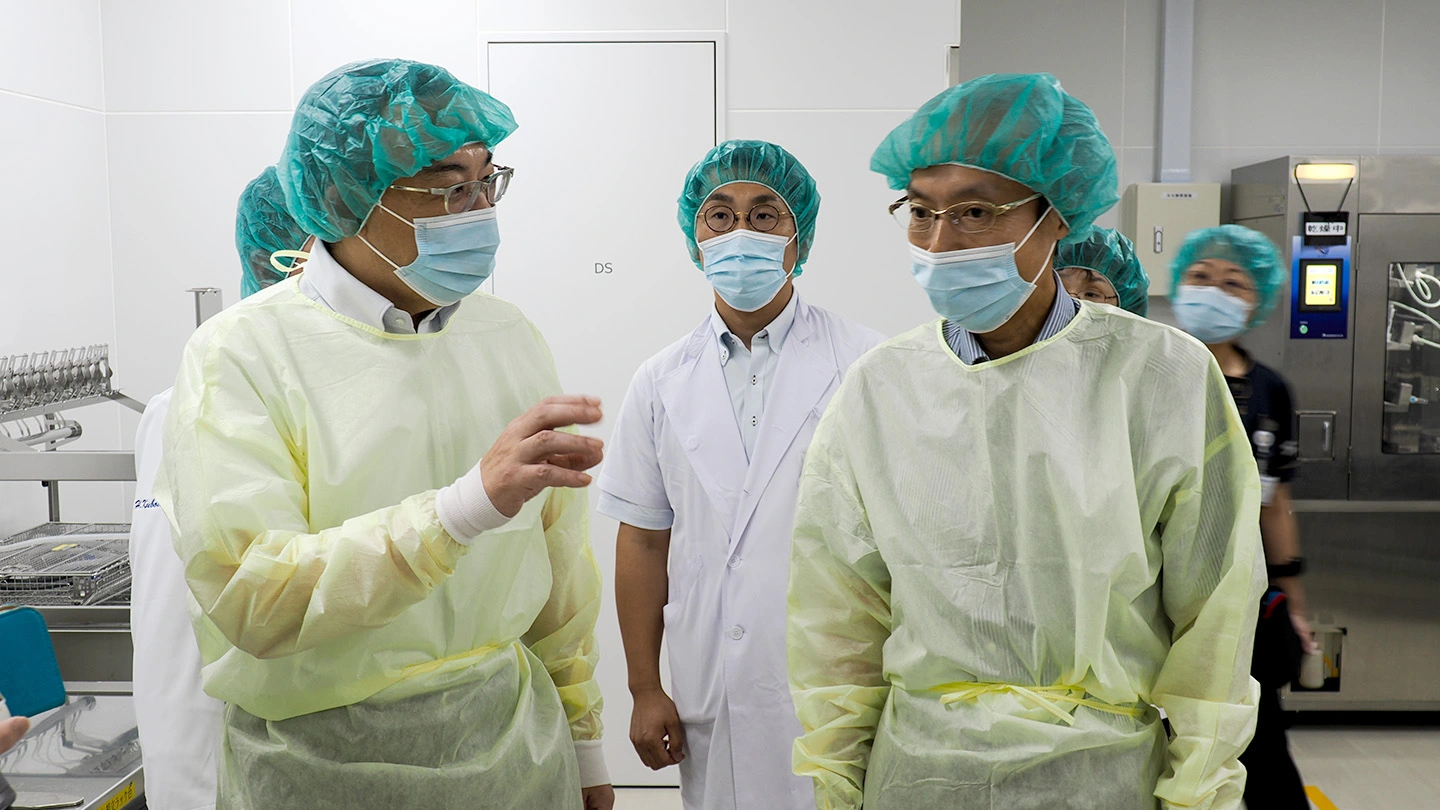
Utilizing nighttime facilities and expertise of Science Tokyo Hospital
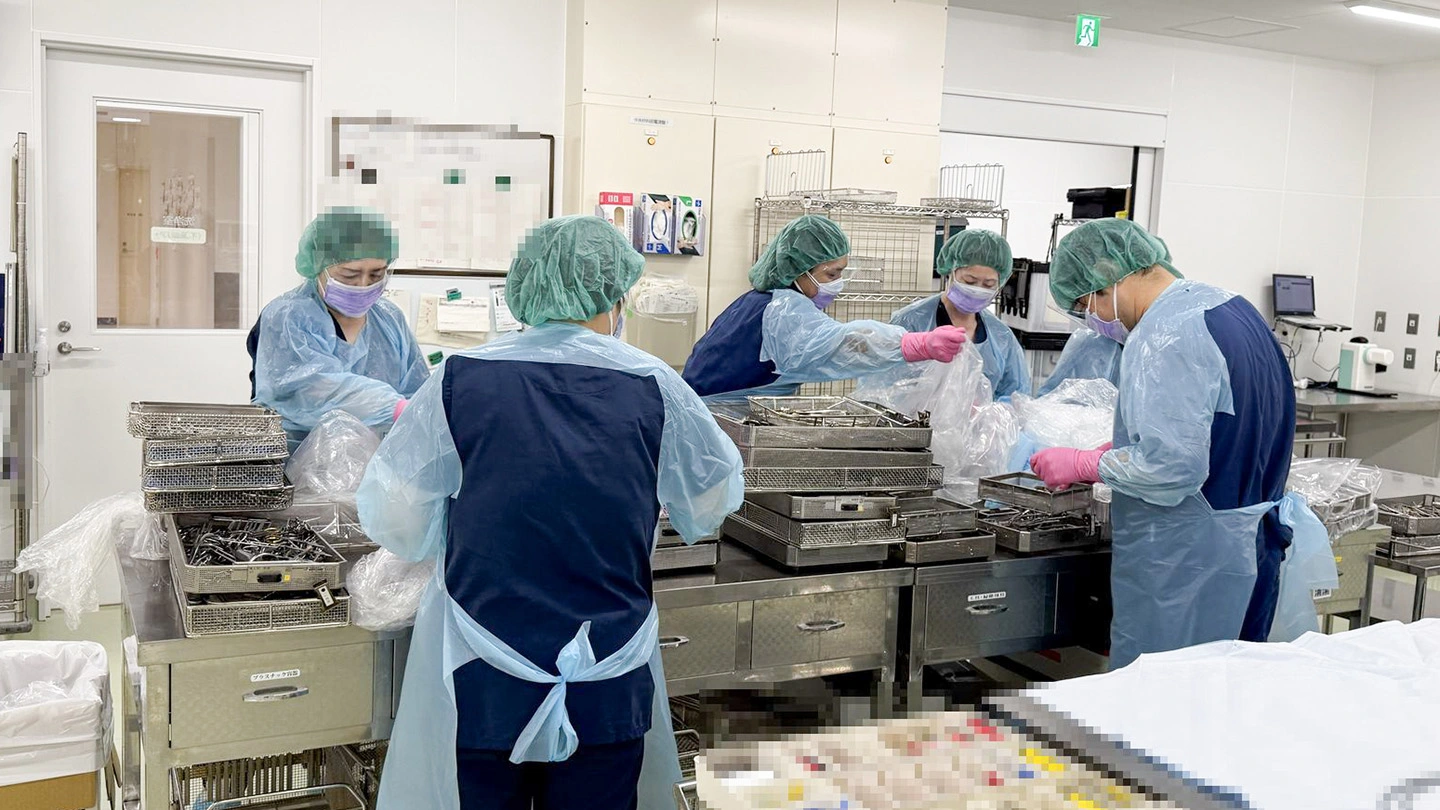
Science Tokyo Hospital established a cycle in which it received equipment from Chiba University Hospital in the evening. This equipment was cleaned, inspected, assembled, and sterilized primarily overnight and in the early morning, and returned for use the following morning. Science Tokyo Hospital was ready to receive up to 200 sets of equipment per day — equivalent to equipment needed for approximately 40 surgeries — and operated the cycle of support in a way that did not interfere with its own clinical services.
These deliveries included complex equipment, such as the da Vinci Surgical System. In addition to the specialized procedures, facilities, and knowledge required for each specific model, traceability — meaning management of past usage and processes — is essential for this equipment. Leveraging its track record of routinely operating multiple surgical assistance robots, Science Tokyo Hospital has established a safe and sustainable system in which specialized staff, contracted service providers, shipping companies, and equipment manufacturers work together as a single team.
On August 24, when full-scale collaboration began, approximately 60 sets of used medical equipment were transported from Chiba University Hospital to Science Tokyo Hospital. Chiba University Hospital staff cleaned, inspected, assembled, and sterilized the equipment throughout the night and early morning in preparation for the return of the equipment the next morning. Thanks to these efforts, Chiba University Hospital was able to resume some routine surgeries on August 24.
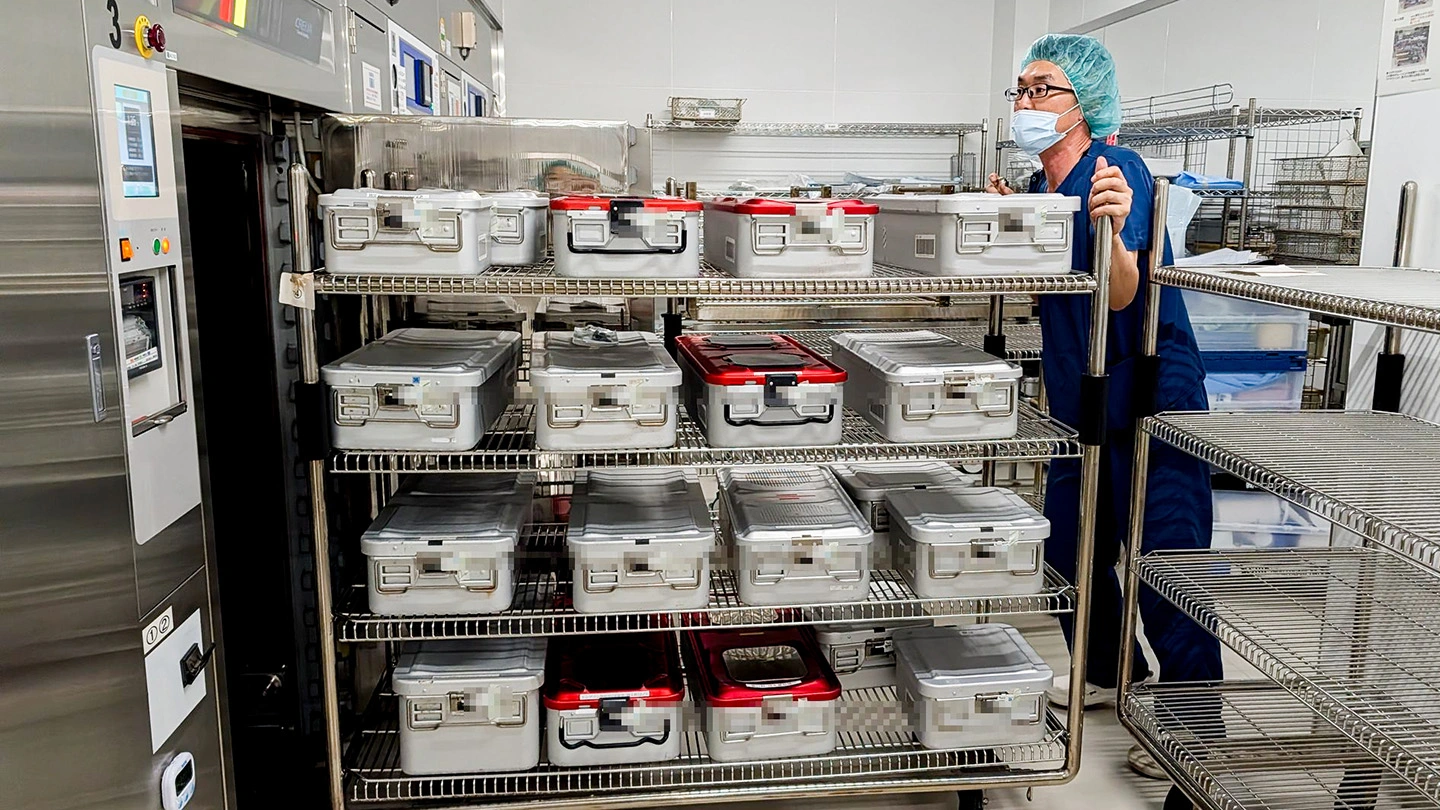
Support made possible by peacetime preparedness
One of the foundations that made this support possible is Building C, the Functional Enhancement Building, which was completed on Science Tokyo’s Yushima Campus in September 2023. Equipped with disaster prevention features such as a seismic isolation structure and emergency power generation facilities, it houses the ER, operating rooms, and the materials management unit. Preparations made in advance — both in terms of hardware and software — such as medical and dental cleaning and sterilization facilities, staff with specialized knowledge, the capacity to operate at night, and a system for tracking and managing medical supplies, enabled the hospital to act quickly.
System where university hospitals nationwide support one another
Science Tokyo Hospital will document the experiences and challenges encountered during this relief effort and share them with university hospitals nationwide. It is crucial to share information — such as the equipment each hospital possesses, the types of supplies they can accept and their processing capacity, contact points, and transportation methods — on a regular basis, and to establish a system where hospitals support one another in areas including cleaning and sterilization, logistics, facilities, power supply, and information systems.
Moving forward, Science Tokyo Hospital will continue to contribute to the development of a system that ensures the continuity of essential medical care even during disasters, while maintaining the safety of its patients and staff, and leveraging its expertise and comprehensive capabilities as a university hospital.