Joint workshop on biomedical engineering and AI held with Thailand’s NSTDA
Science Tokyo and the National Science and Technology Development Agency (NSTDA) of Thailand co-hosted "Biomedical Engineering & AI: The Cutting Edge of AI Applications in Medical-Engineering Collaboration," a joint workshop held online and in person in Bangkok, on January 29. The event welcomed over 100 participants from universities, research institutions, and the private sector.
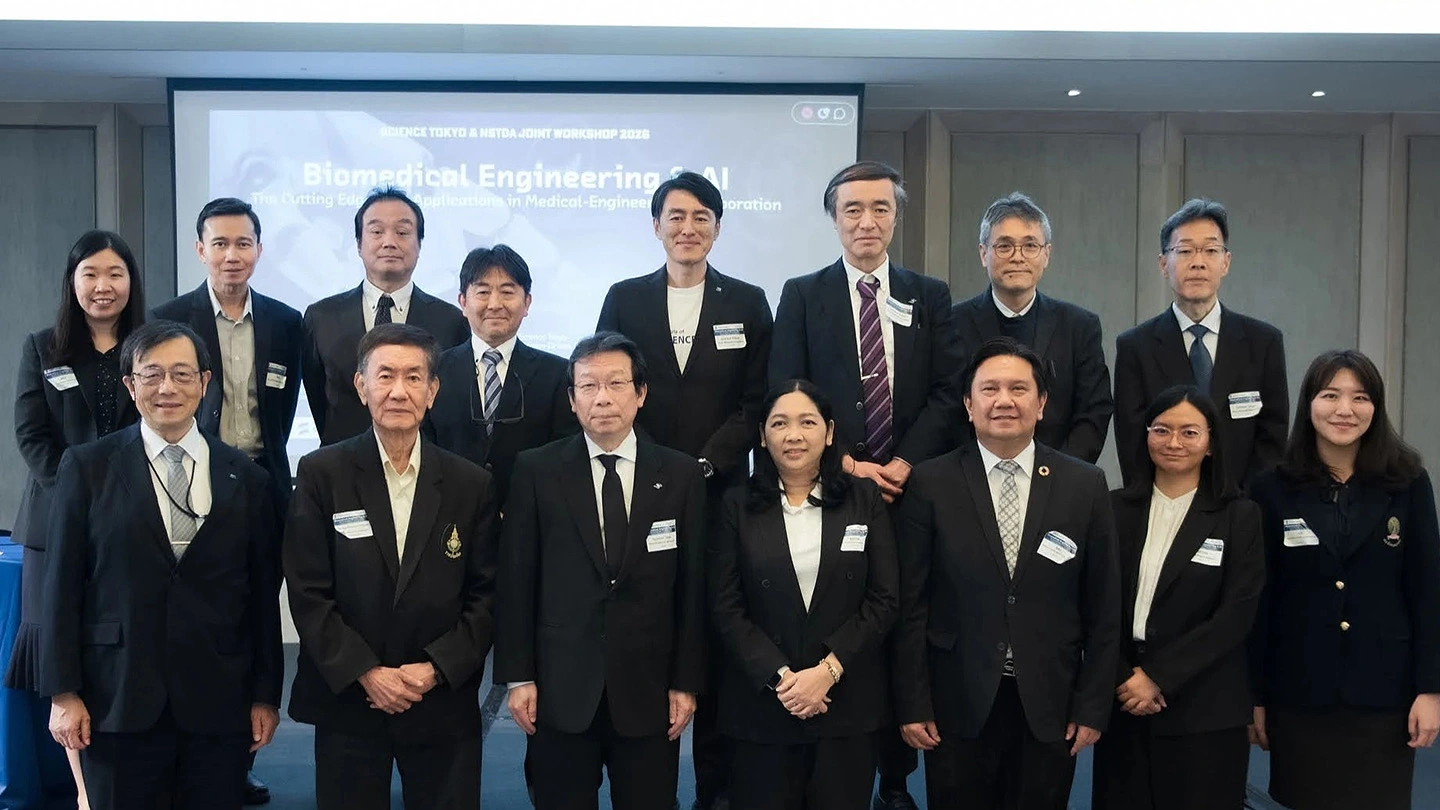
While the previous seven events in this yearly series had mainly showcased cutting-edge research emerging from Science Tokyo’s predecessor, this year’s event focused on creating more opportunities for collaborative research. The workshop also provided a venue to promote the new Biomedical Engineering & AI Course to be launched in 2026 under Thailand Advanced Institute of Science and Technology (TAIST)-Science Tokyo, a joint graduate education program established in 2007.
Science Tokyo Executive Vice President Jun-ichi Takada opened with a keynote outlining the reforms essential for advancing vision-driven, cross-disciplinary research and education. After this, a joint presentation by alumni from Science Tokyo’s predecessor institutions, Tokyo Medical and Dental University and Tokyo Institute of Technology, emphasized the vital role of collaboration between the medical and dental sciences, and the science and engineering fields, to expand research frontiers. The graduates shared their expectations for the potential of medical-engineering education at Science Tokyo.
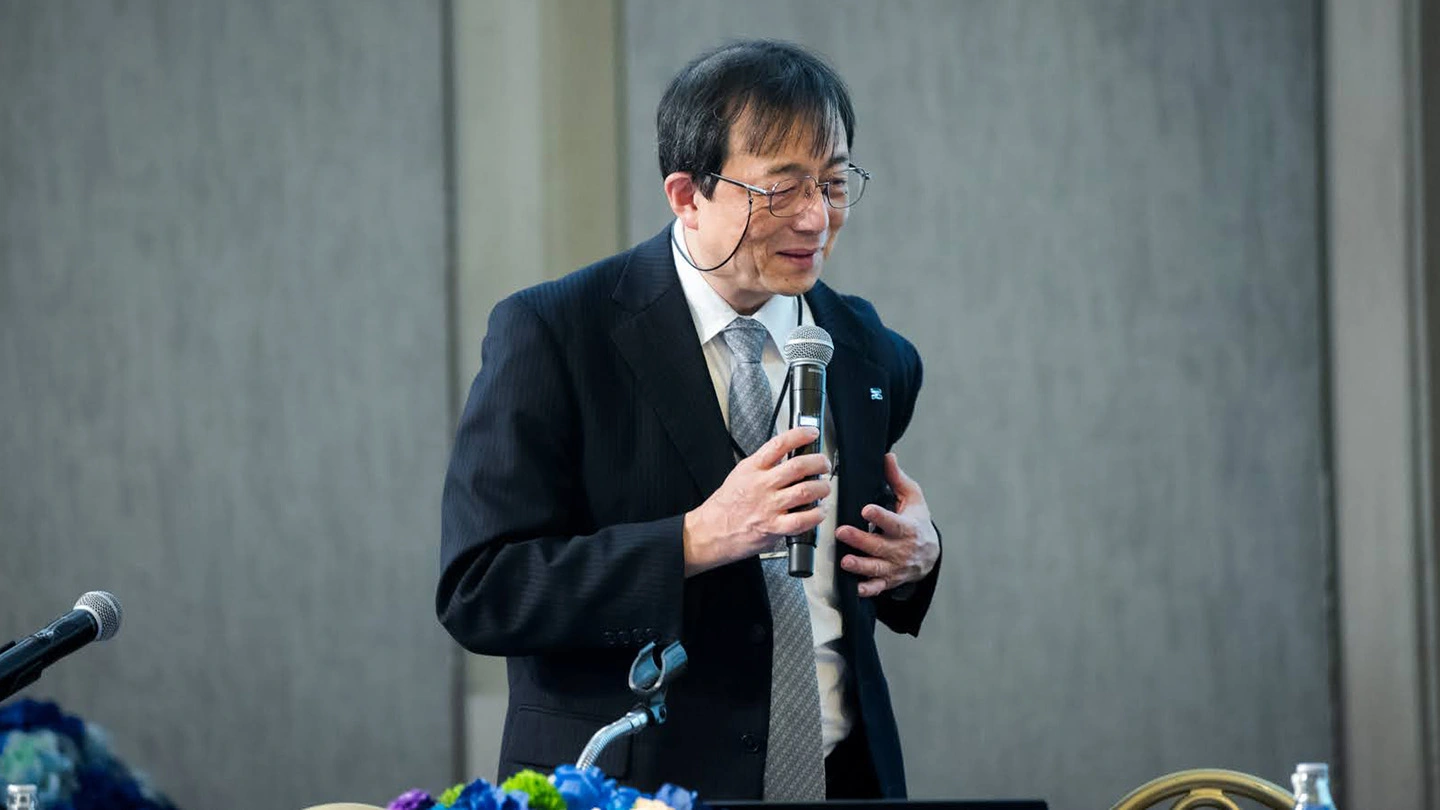
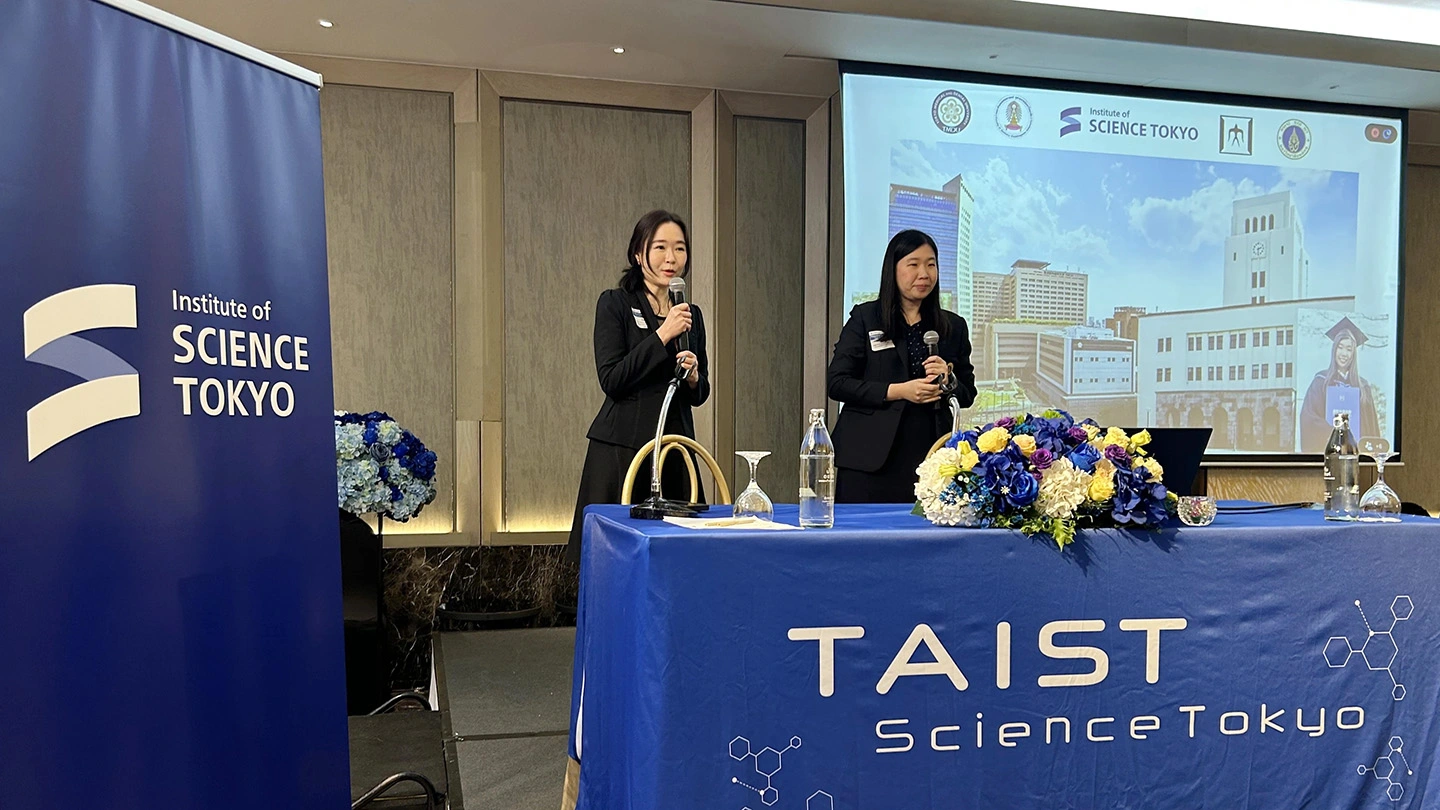
The next part of the event saw Associate Professor Jackrit Suthakorn from Mahidol University describe the new TAIST-Science Tokyo Biomedical Engineering & AI Course. Course faculty members were then joined by a representative from the biomedical industry for a panel discussion. While expressing their expectations for the course, the panel explored the appeal of collaboration between Japan and Thailand, and suggested strategies to engage the younger generation through this new educational path. Points of emphasis included helping students understand the link between their studies and societal issues, and the crucial role of older generations in motivating younger researchers.
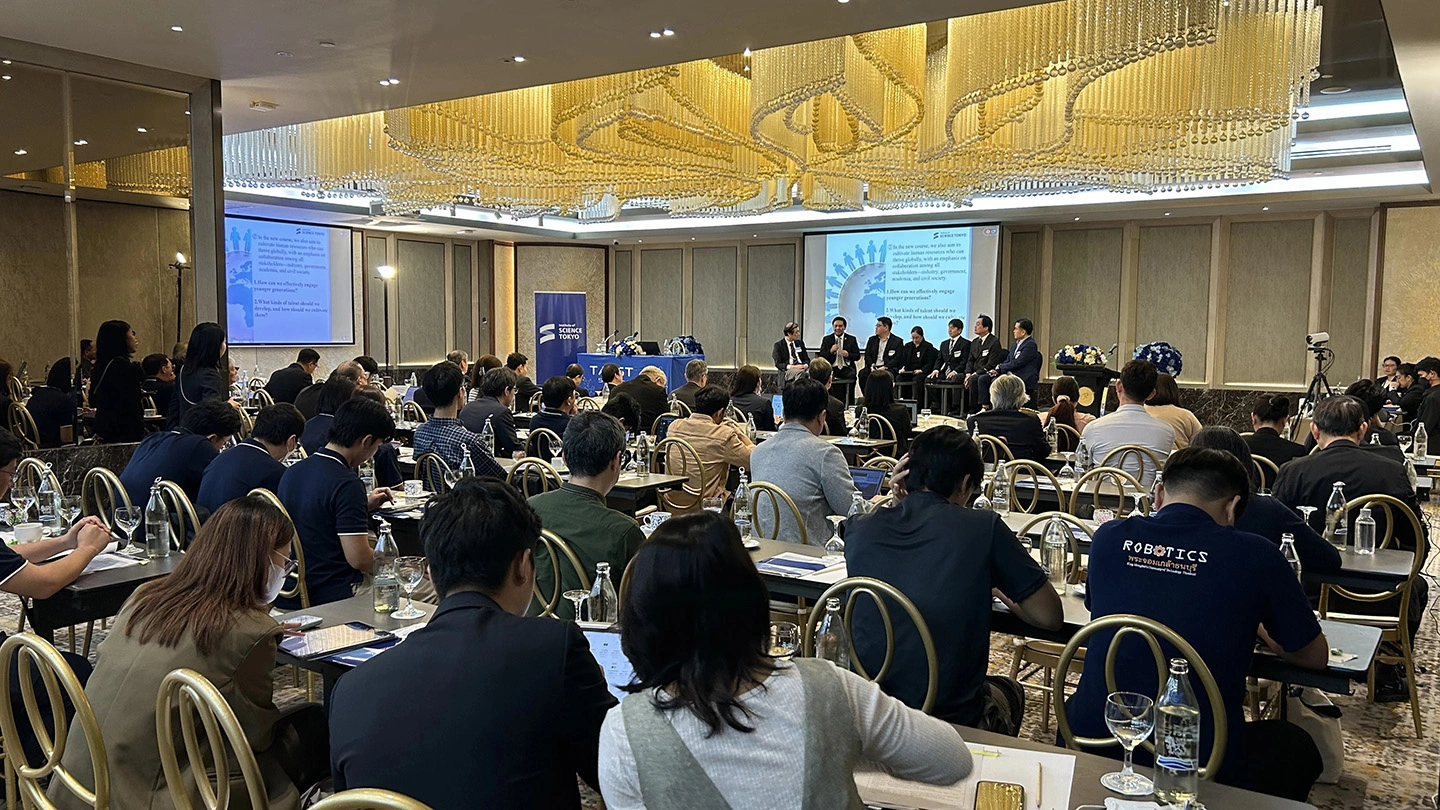
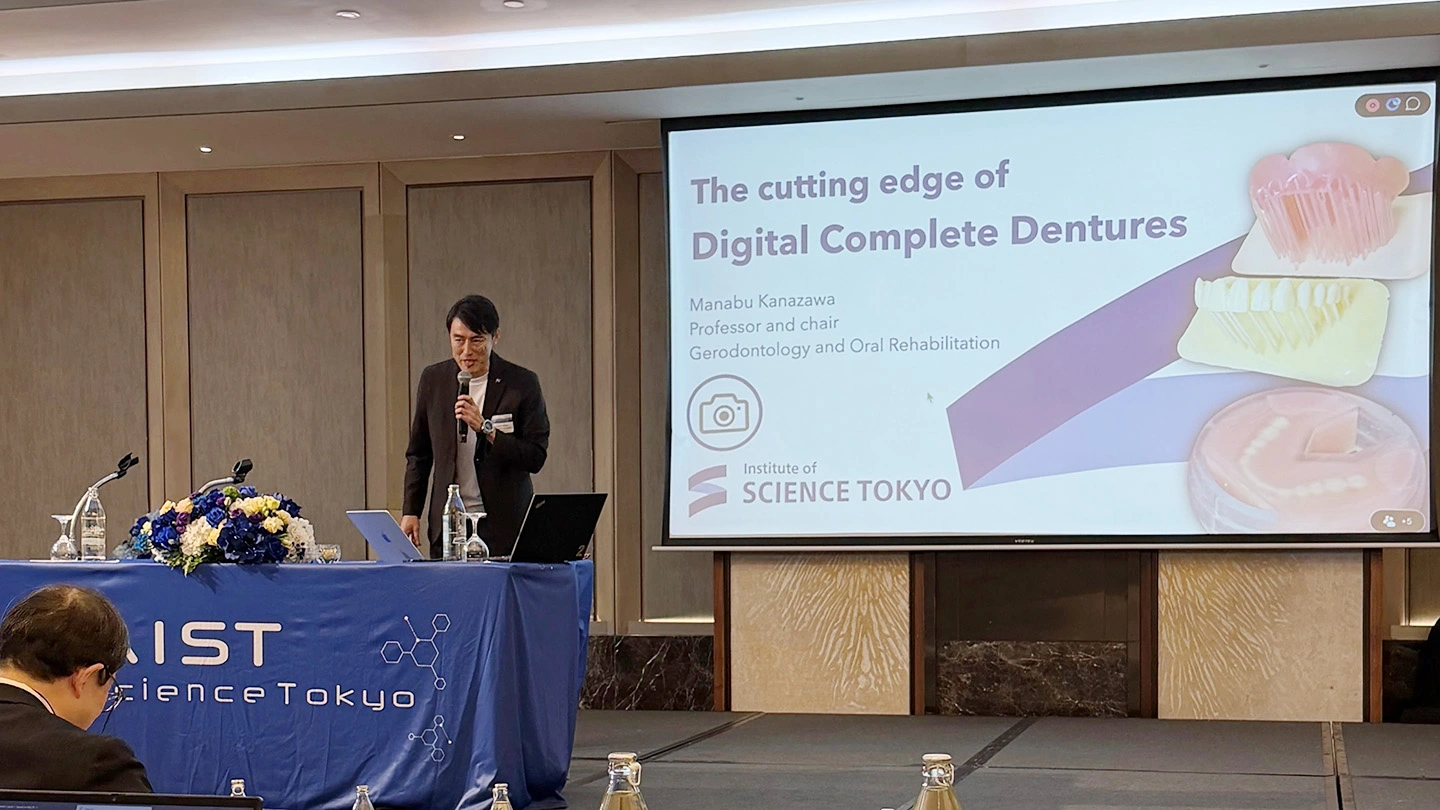
The workshop continued with ten speakers from Science Tokyo, NSTDA, and several Thai universities presenting their latest research. Representing Science Tokyo were Professor Nobuhiro Hayashi, Professor Naohiko Koshikawa, and Associate Professor Shunichiro Ogura from the School of Life Science and Technology, Professors Tohru Yagi and Motomu Nakashima from the School of Engineering, and Professor Manabu Kanazawa from the Graduate School of Medical and Dental Sciences.
A Q&A and networking session rounded out the event, fostering a vibrant exchange of ideas and highlighting the ample potential for collaboration across borders and disciplines. The event marked a substantial step forward both for education and collaborative research for the next generation of students.
Related articles
Updated history
- This article was updated on March 17, 2026.