Sakura Science High School Program (SSHP) Academic Experience Course in Science Tokyo held at Ookayama Campus
Eight Malaysian high school students and three supervisors visited Science Tokyo for three days, from October 5 to 7, as participants in the “SSHP Academic Experience Course in Science Tokyo.”
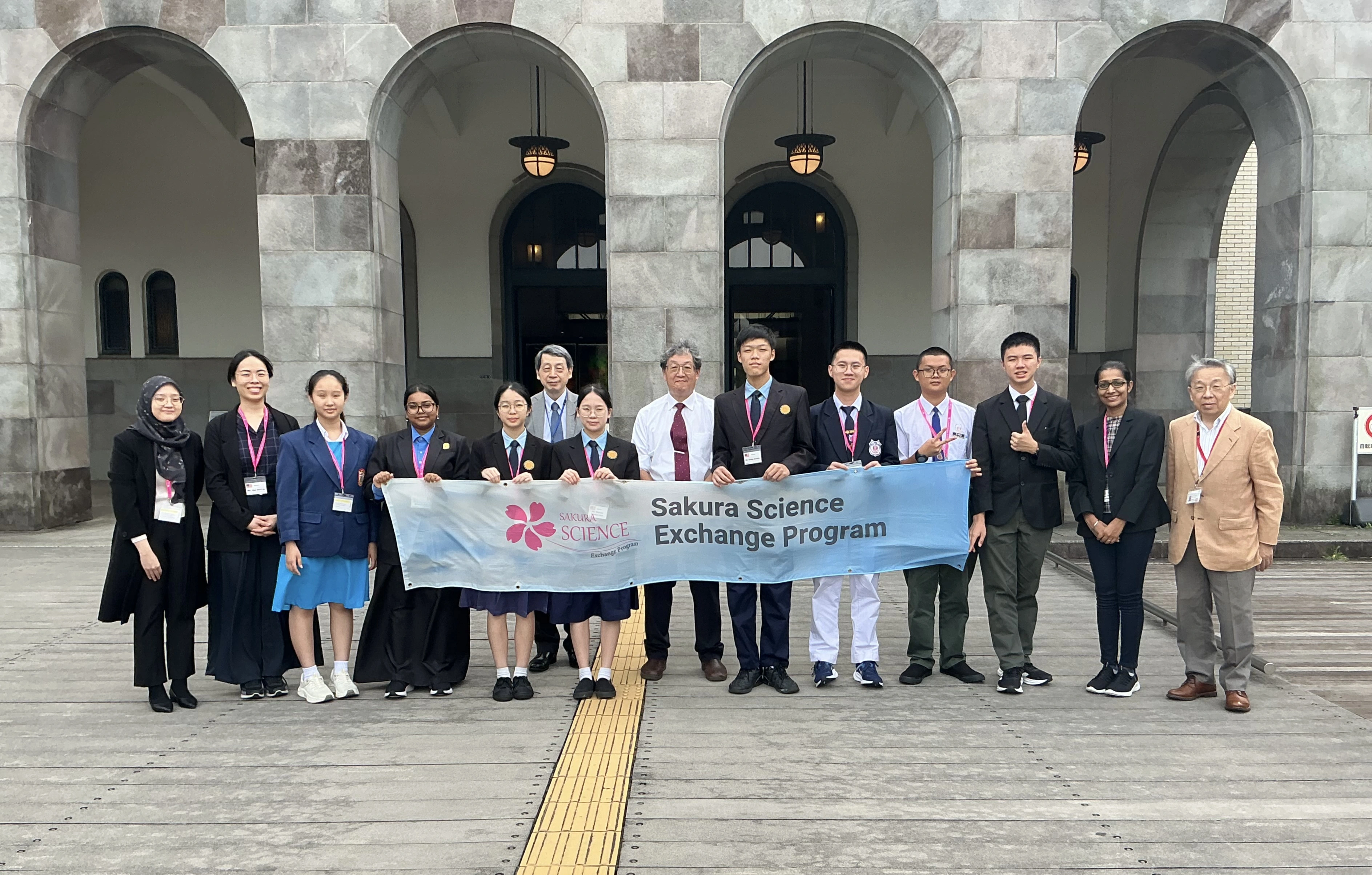
The Sakura Science High School Program (SSHP), coordinated by the Japan Science and Technology Agency (JST), invites outstanding high school students from overseas to Japan and provides them with opportunities to experience the nation’s cutting-edge science and technology as well as to meet top scientists. In previous years, the Institute hosted high school students for a single day as part of their visits to several universities and institutions in Japan. This year, the Institute welcomed eight high school students from Malaysia who came to Japan primarily to participate in a three-day course with workshops, the “SSHP Academic Experience Course in Science Tokyo.”
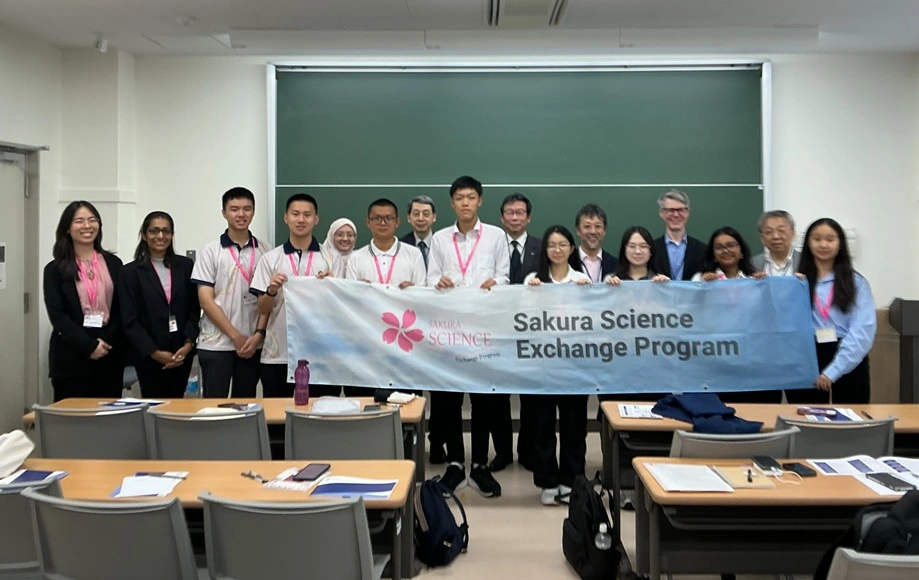
The first day, October 5, began with a welcome address by Executive Vice President for Education Hidetoshi Sekiguchi, followed by an introduction to the Institute by Professor Tomohiro Nozaki from the Department of Mechanical Engineering, who also serves as a member of the Admissions Center. A video was then shown highlighting the achievements of Science Tokyo’s “Meister” team at the Birdman Contest 2026, a competition in which teams build their own aircraft and compete to see how far they can fly over a lake. Watching this video together, the initially nervous high school students began to smile and cheer, making for a relaxed and fun moment for all.
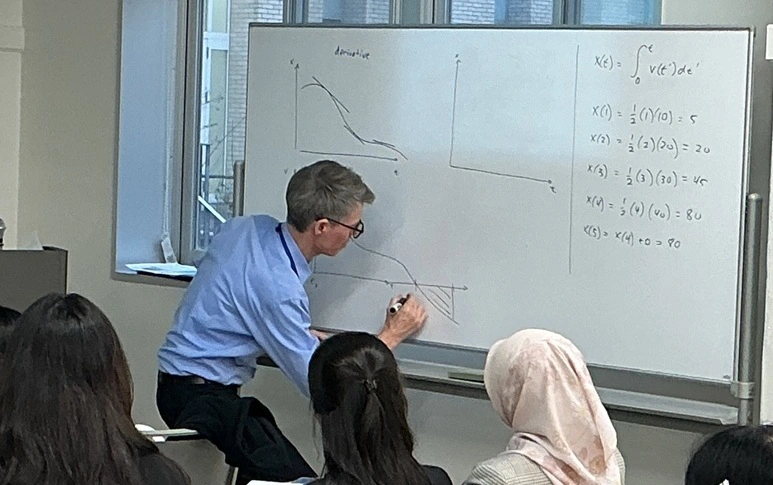
Next, Specially Appointed Associate Professor Adrean Webb from the Department of Physics gave a lecture on mechanics titled “Motion in One Dimension.” Although the lecture included topics such as calculus, which the students hadn't studied yet, they enjoyed the quiz-style lecture and actively participated in answering questions.
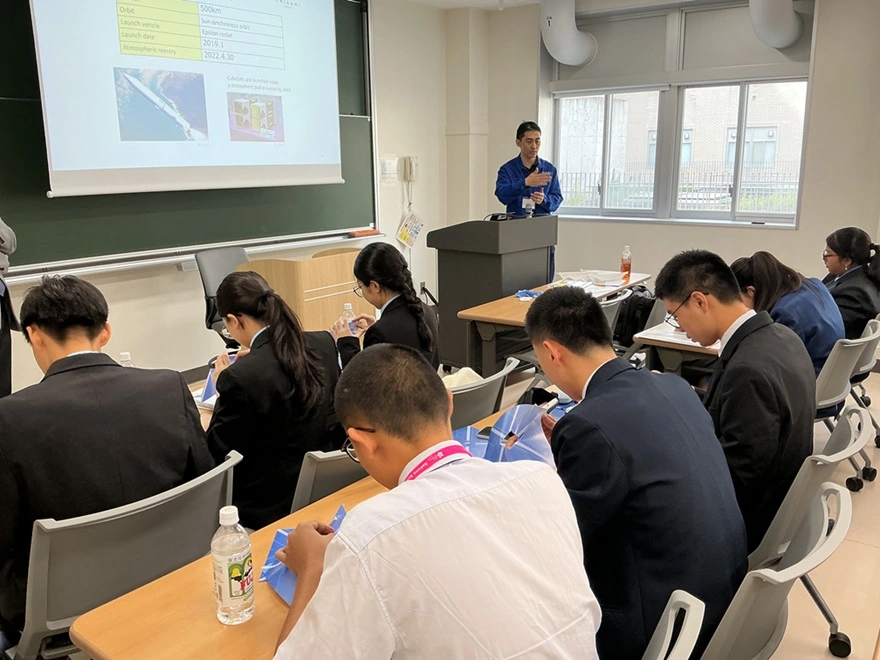
On the morning of the second day, October 6, Professor Hiraku Sakamoto from the Department of Mechanical Engineering at the School of Engineering gave a special lecture on artificial satellites titled “Special Lecture on Small Space Satellite Project.” The high school students were fascinated to learn about how satellites deploy their structures in space, and also about the small satellites being developed by students in the Sakamoto Laboratory.
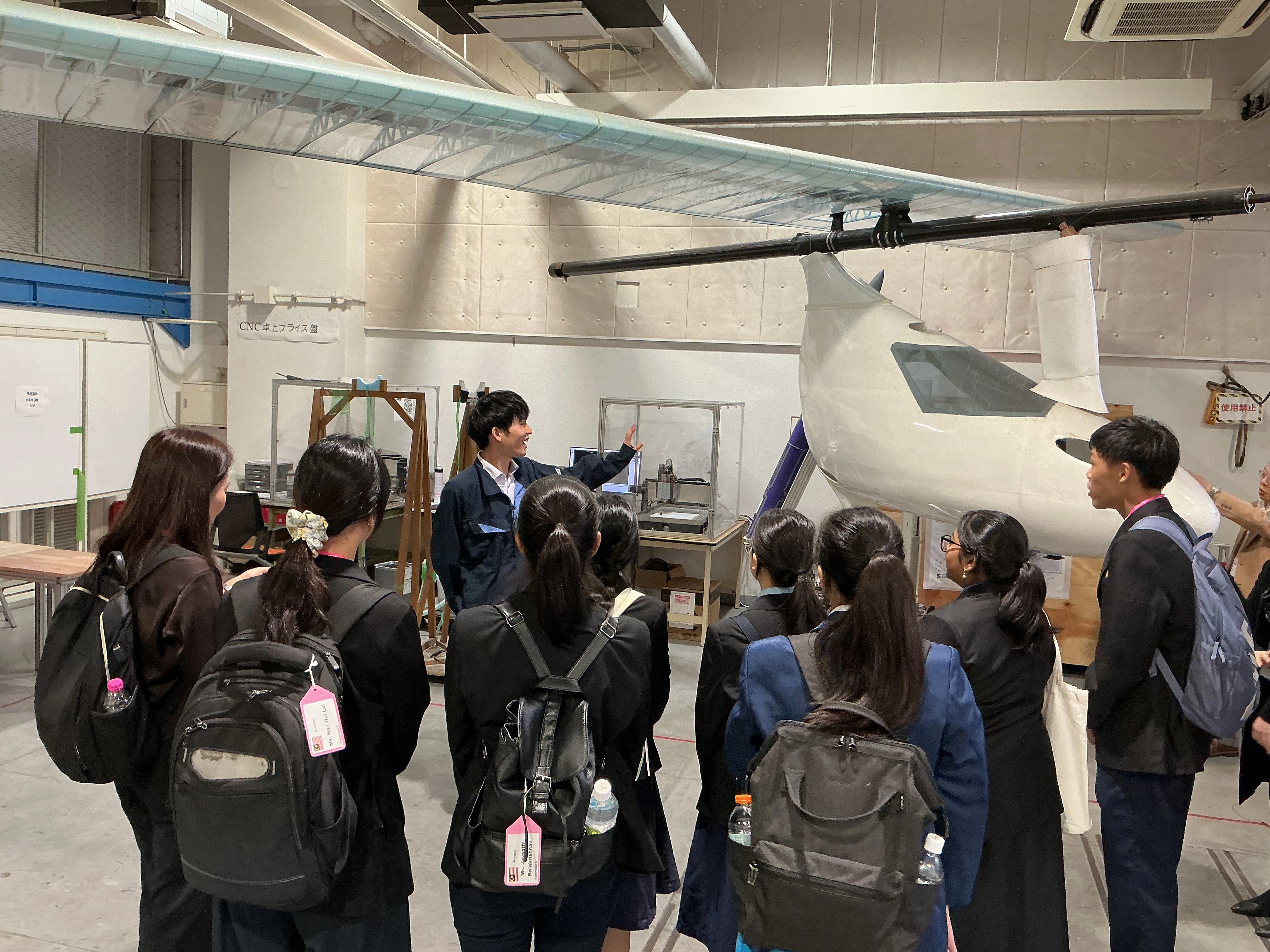
As part of a campus tour following the lecture, the students visited the Collaboration Center for Design and Manufacturing, where they observed machine tools operated by Science Tokyo students and learned about the production and structure of human-powered aircraft built using these machines. This was followed by a visit to the library and Taki Plaza before they headed to Tsubame Terrace for lunch.
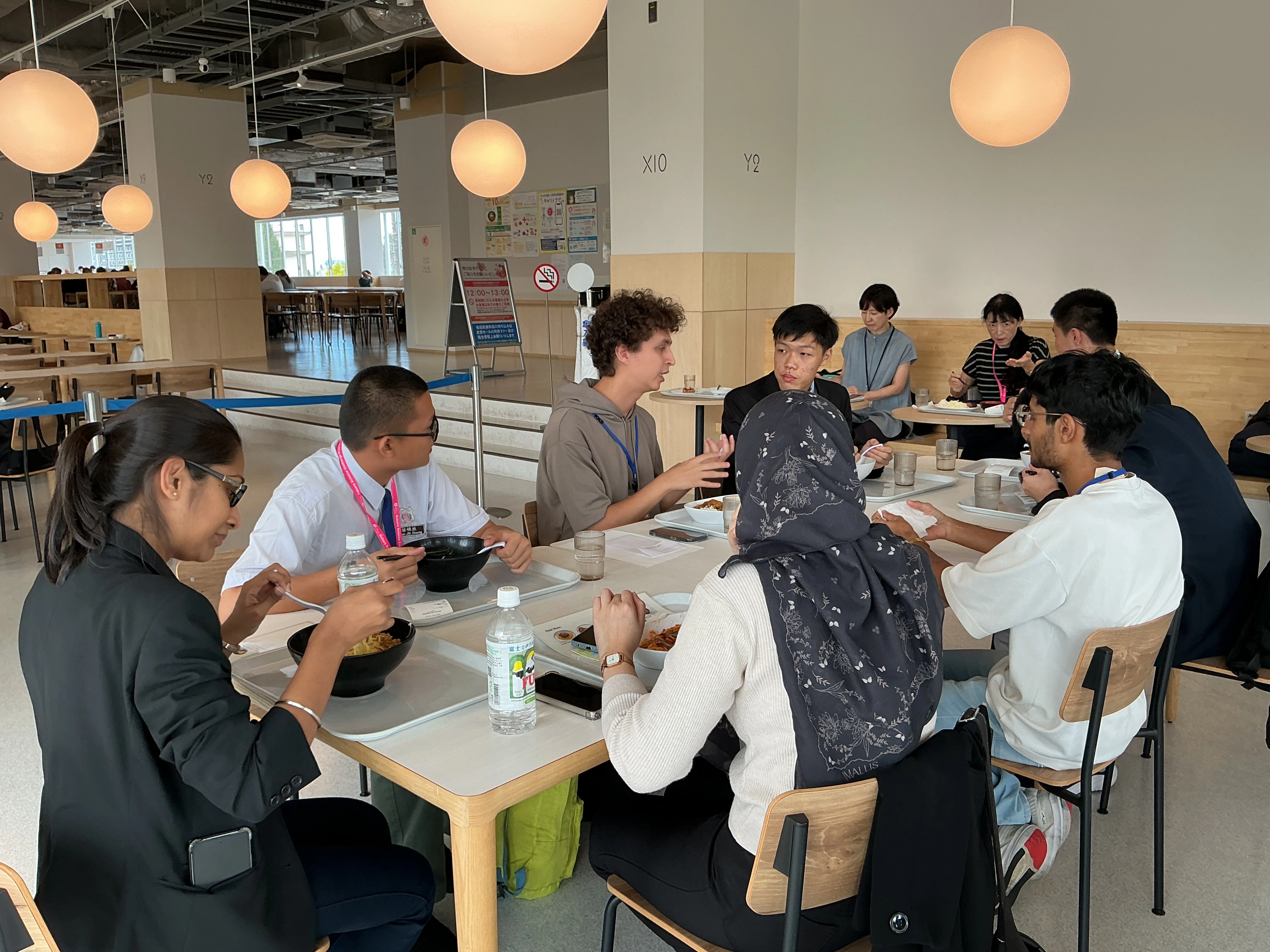
Four international students studying at Science Tokyo joined the group for lunch at Tsubame Terrace. The Science Tokyo students shared their thoughts on life in Japan and their various experiences while answering questions from the high school students, turning the lunch into an impromptu social gathering.
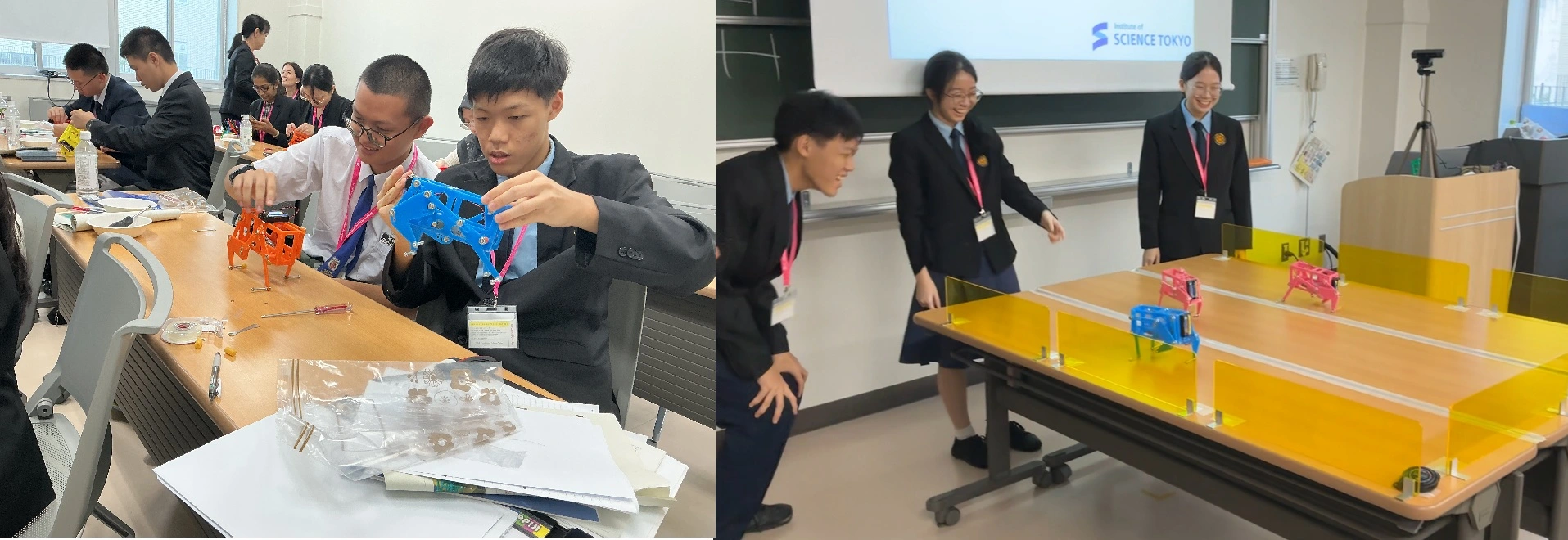
In the afternoon, Professor Nobuyuki Iwatsuki, Designated Professor at the Admissions Center, led an interactive workshop titled “Prototyping a Quadruped Robot Driven by One Motor and Racing.” Each student built a four-legged robot using a linkage mechanism and competed in a timed race to see whose robot could complete the course the fastest. Factors such as the length of the links, the position of the center of gravity, the robot's symmetry, and how tightly the screws were fastened made a significant difference in running times. The students each made their own adjustments to improve their robots' performance, and the final race was very exciting.
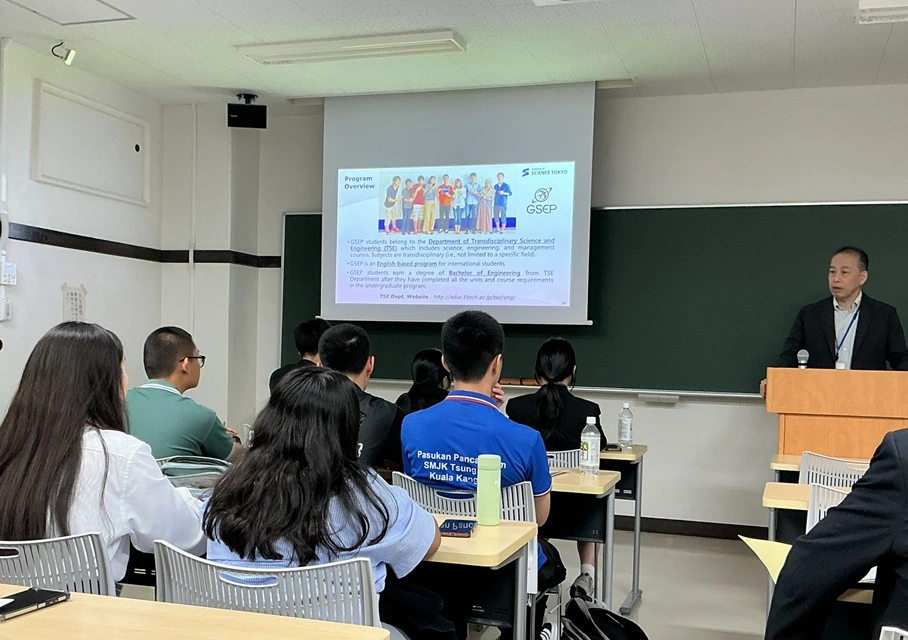
The final day, October 7, began with an introduction to the Global Scientists and Engineers Program (GSEP) — an English-taught undergraduate degree program in the Department of Transdisciplinary Science and Engineering — by GSEP Deputy Group Leader Professor Naoya Abe. Professor Abe enthusiastically highlighted GSEP's distinctive features and strengths, emphasizing that what students learn matters more than where they study. The students listened intently to the professor's message.
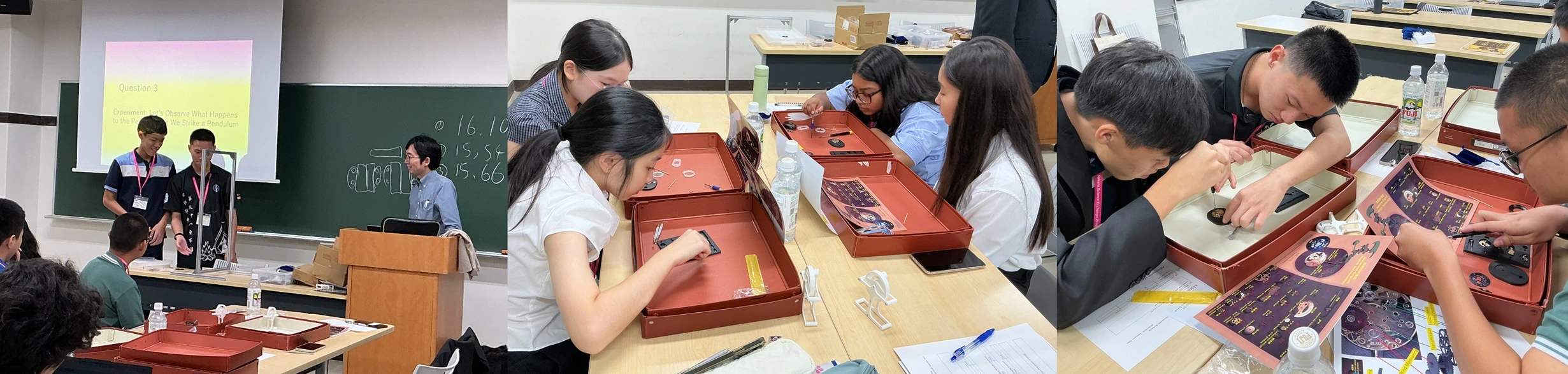
Later in the morning, a workshop on disassembling and reassembling mechanical clocks was led by Assistant Professor Takamaru Saito, a Science Tokyo alumnus and member of the Faculty of Engineering at Tokyo University of Science. The students were divided into four teams of two, and each team was given one clock. The workshop began with an explanation of how mechanical clocks work, followed by a pendulum experiment. The students then disassembled the clocks into their individual parts. The parts were very small, and this work required even greater precision and care than building the robots the previous day.
In the afternoon, the students started reassembling the clocks that they had disassembled that morning. Using an instructional video as a guide, the students assembled the parts one by one in numerical order. Although each team was focused, some teams accidentally dropped parts on the floor and had difficulty putting the clocks back together. In the end, two out of the four teams successfully reassembled their materials back into working clocks. Despite participating in workshops on consecutive days, the students remained highly focused and showed great enthusiasm throughout the program.
A closing ceremony was held at the end of the program. Following remarks by Deputy Director Nozaki, the students and the supervisors from the Academy of Sciences Malaysia expressed their gratitude, marking the successful conclusion of all three days of the program.
Through these kinds of programs, the Institute will continue to help foster interest in Japan’s science, technology, and study abroad opportunities, while also encouraging talented international students to study at Science Tokyo.
Related articles
Contact
(science and engineering fields) Admissions Center