Science Tokyo participates in GCIEM Global Summit 2026
Nineteen Science Tokyo faculty members, students, and staff traveled to Taipei, Taiwan from April 9-12 to participate in the second annual Global Summit of the Global Consortium of Innovation in Engineering in Medicine (GCIEM).
GCIEM is an international organization promoting collaboration in medicine, engineering, and healthcare innovation among universities, industry, and government partners worldwide. Science Tokyo is one of the founding members of the consortium.
This year’s summit brought together more than 300 researchers, educators, students, healthcare professionals, and industry leaders from over 30 institutions and 12 countries. Science Tokyo participants joined discussions on interdisciplinary medical education, international research collaboration, and innovation ecosystems connecting medicine, engineering, and data science.
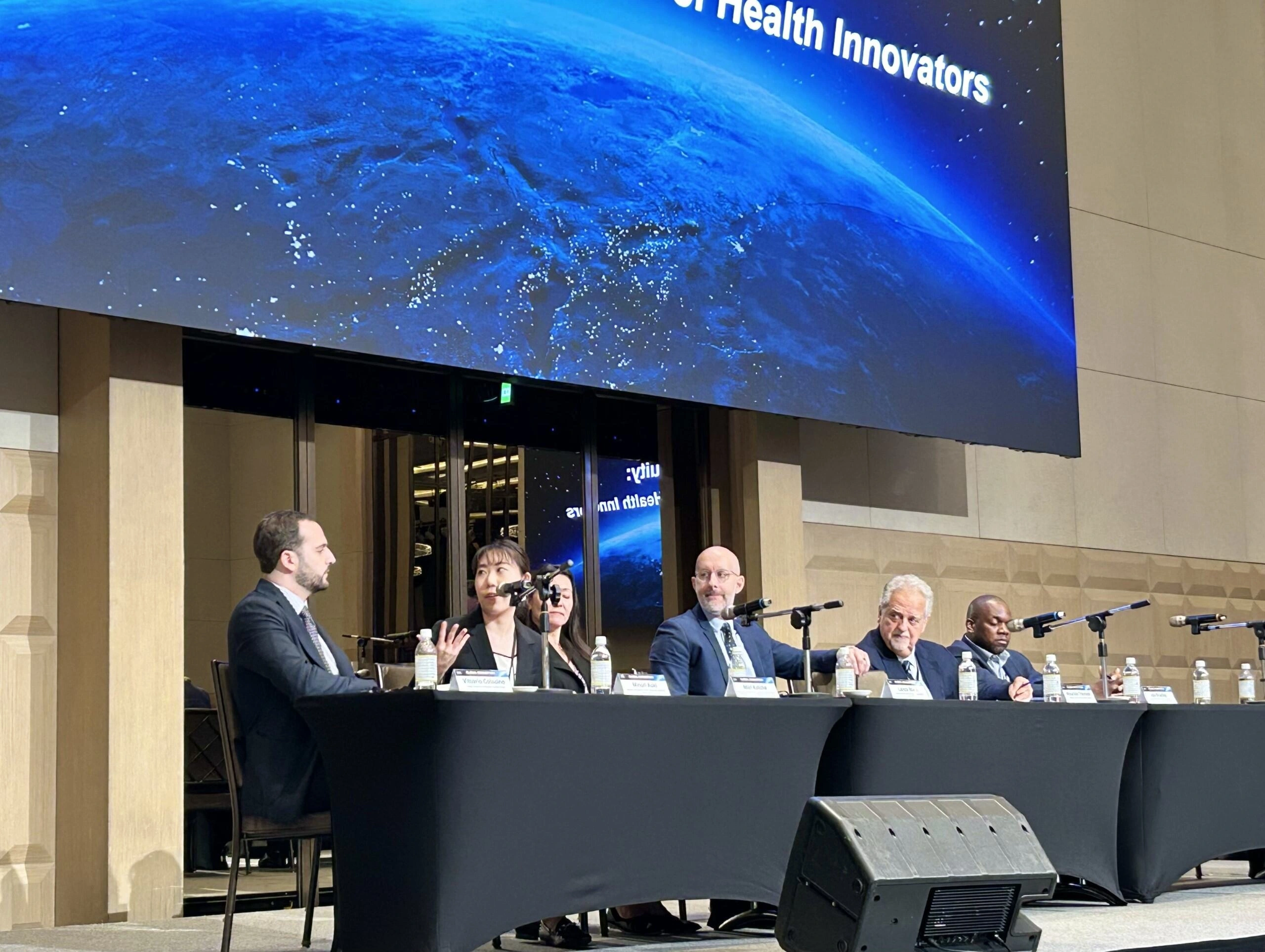
Panel Discussion: “Designing for Equity: Training the Next Generation of Health Innovators”
One key topic of conversation concerned the future of medical/engineering education. Representing Science Tokyo in a panel discussion on this issue alongside faculty members and students from the University of Illinois Urbana-Champaign (United States), Università Campus Bio-Medico di Roma (Italy), and other well-known institutions was fifth-year medical student and co-chair of the GCIEM’s student committee, Minori Aoki, who also participated in last year’s Global Summit.
Comments by Minori Aoki
Participating in the Global Summit for the second consecutive year gave me valuable opportunities to discuss the future of medical education and healthcare innovation with faculty members and students from around the world. I was particularly inspired by the emphasis on design thinking and the importance of combining medicine and engineering to create practical and patient-centered solutions.
One of the key themes throughout the summit and also brought up during the panel discussion was ‘trust,’ especially regarding the use of AI in healthcare. As a medical student currently in clinical clerkship, I strongly feel that empathy and communication remain essential parts of patient care. I believe AI and technology should support more humane and patient-oriented healthcare rather than replace human interaction, and that medical education should reflect this.
Science Tokyo teams at the Global Health Innovation Grand Challenge
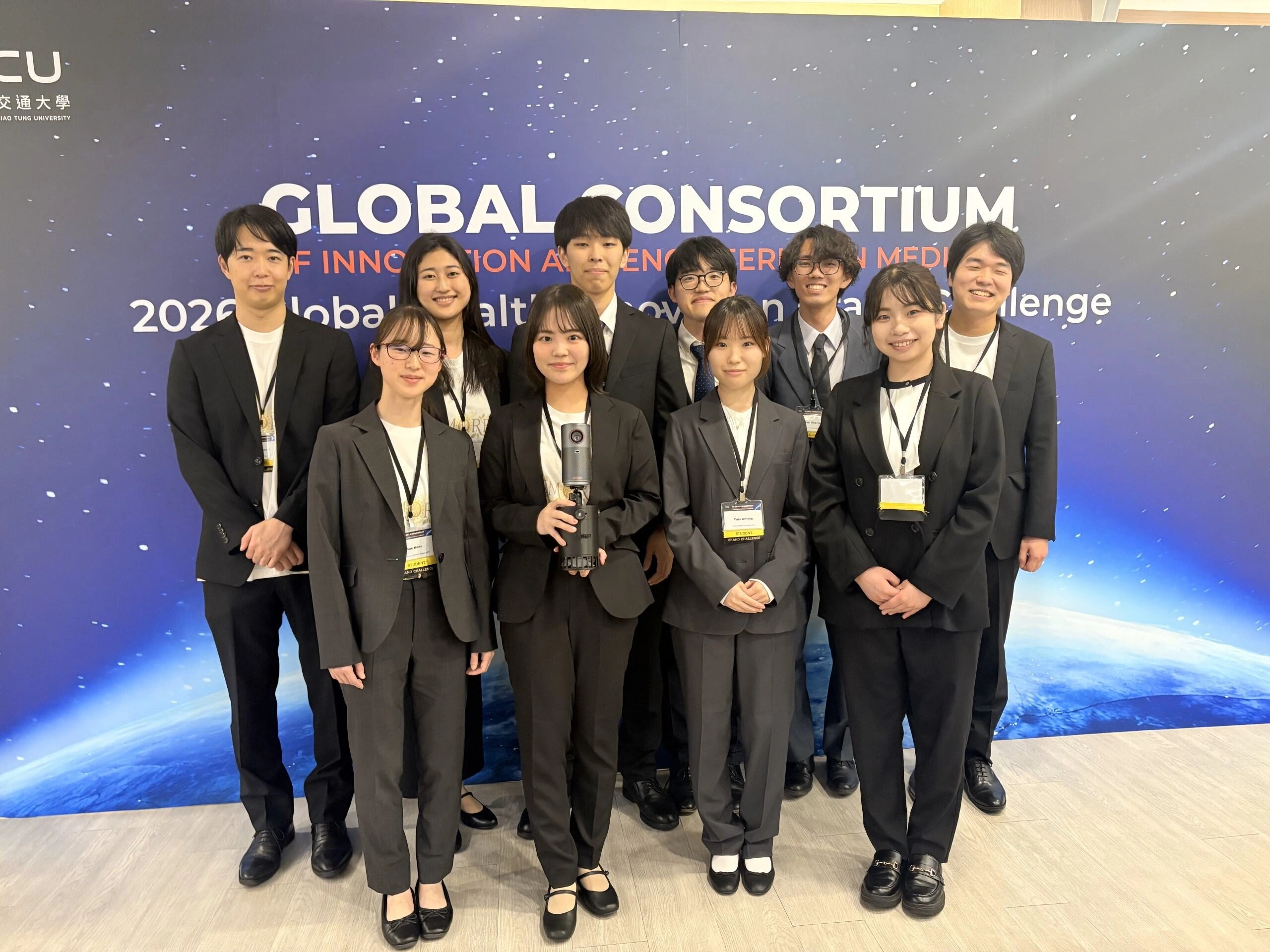
A major event at the summit is the Global Health Innovation Grand Challenge, where multidisciplinary student teams compete through presenting original healthcare solutions addressing real-world medical and societal issues. This year, for the first time, Science Tokyo engineering, medical, and dental students formed their own teams to participate in this competition. Among them were fourth-year medical student Sae Kanoh, second-year engineering master’s student Yuki Fujishiro, and fourth-year dental student Yura Amaya.
Comments by Sae Kanoh
Participating in the Global Summit and working together with engineering students over several months was a very inspiring experience. Our team developed a device called KOMOREBI aimed at preventing delirium by adjusting sensory stimulation to support circadian rhythms. Seeing our idea become an actual prototype made me realize the great potential of medical-engineering collaboration. I was also impressed by the high level of the other student teams, many of whom already had engineering backgrounds and highly developed projects. This experience strengthened my belief that future medical professionals must play an important role in bridging medicine and engineering.
Comments by Yuki Fujishiro
My team’s project, ‘ScrubSight,’ aimed to support scrub nurses by optimizing instrument hand-off during surgery through a real-time navigation system. Although we did not advance to the finals, it was inspiring to see students from medicine and engineering collaborate to solve healthcare challenges. I was especially impressed that many finalist teams had already implemented prototypes in real clinical settings. This experience made me realize the importance of creating environments where students can pursue long-term medical engineering projects and practical implementation.
Comments by Yura Amaya
I have long been interested in collaboration between students from medical and engineering fields, and the university merger created an opportunity for me to participate in this summit. Doing so, I learned a lot about practical implementation of new inventions, presentation skills, and long-term development planning. Watching the final presentations was especially motivating, as many students demonstrated a strong commitment to improving healthcare through innovation. Through this experience, I became even more interested in contributing to the future development of healthcare through interdisciplinary collaboration.
Comments by Dr. Hisanori Hasegawa, Science Tokyo’s representative on the GCIEM Executive Council
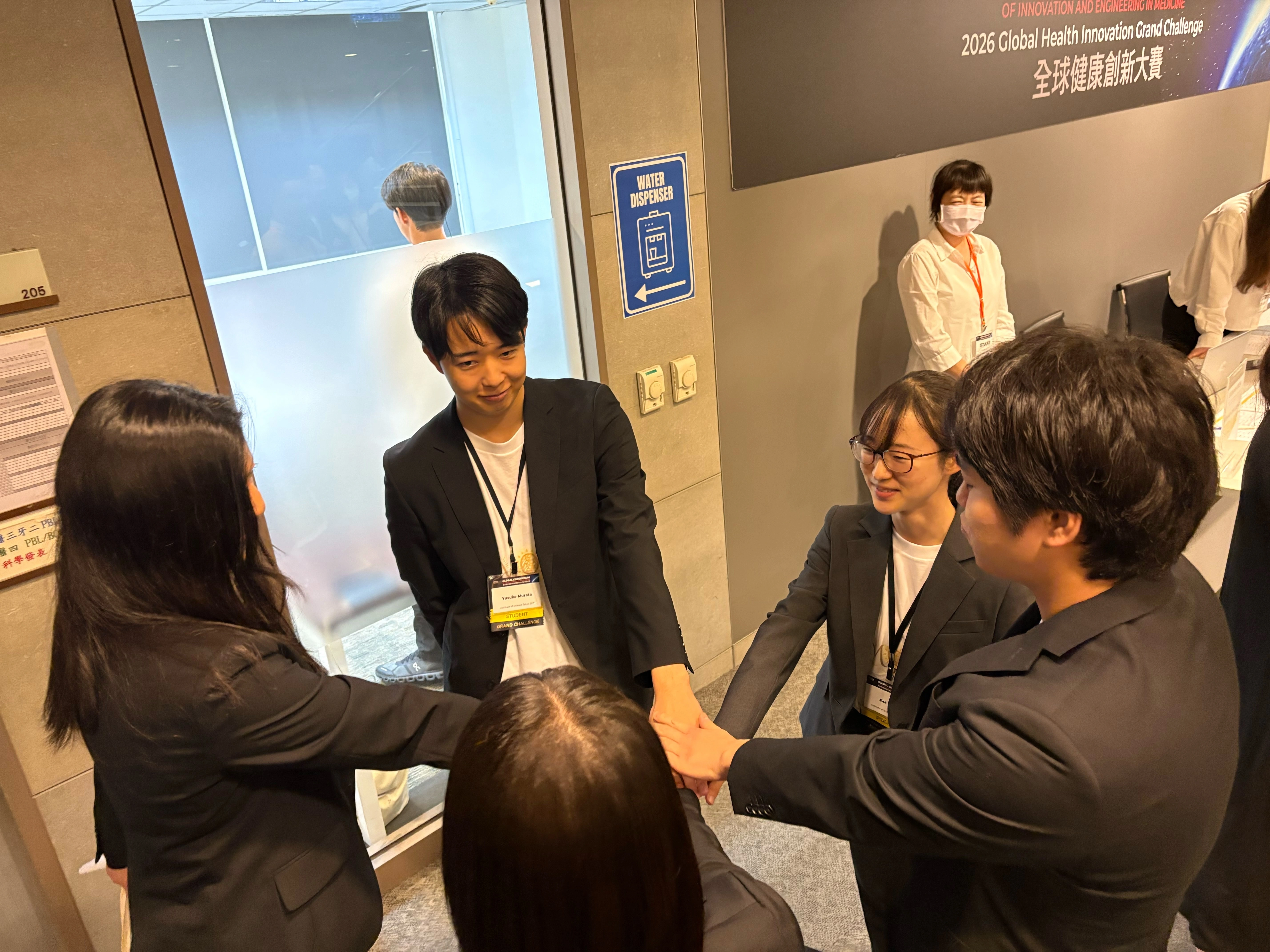
Participating in the Grand Challenge fosters deep interaction and mutual inspiration between the engineering and medical and dental fields at the student level and it would be meaningful for them to do it annually, with the goal of winning a prize. The summit also provides a valuable opportunity for faculty to learn about engineering-integrated medical curricula at other institutions and to build new collaborative research partnerships, further strengthening collaboration in both research and education across institutions.
Looking forward to 2027
It was announced at the summit that Texas A&M University in the United States will host next year’s gathering.
Contact
Planning and Coordinating Group, International Division