Science Tokyo delegation meets with University of Melbourne leadership and visits innovative research facilities
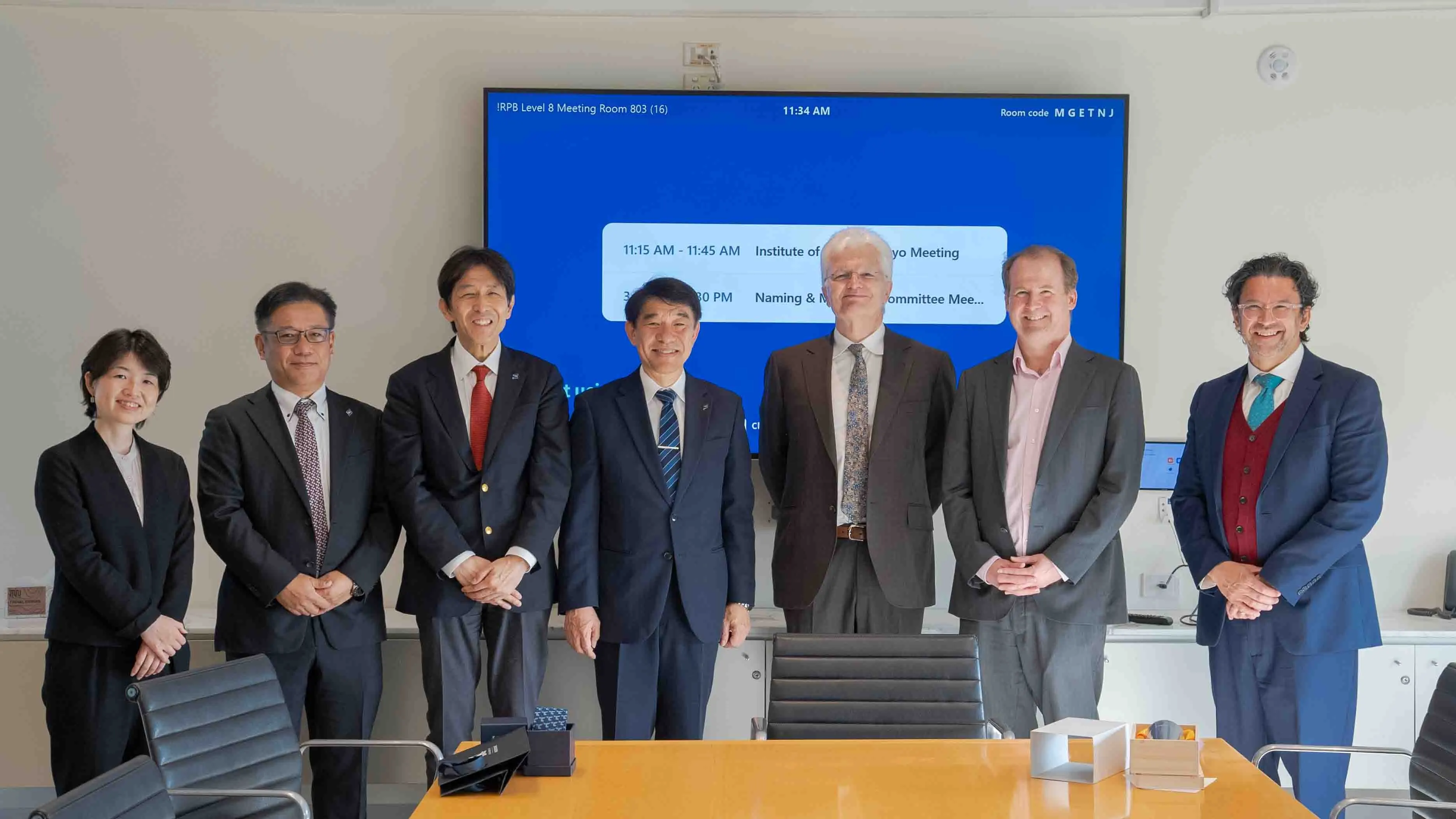
From July 30 to 31, a delegation from Institute of Science Tokyo (Science Tokyo), led by President and Chief Executive Officer Naoto Ohtake and Executive Vice President Tomohiro Morio, visited the University of Melbourne in Australia. During the visit, the delegation met with members of the university's executive leadership, including Interim Vice-Chancellor Glyn Davis AC, as well as representatives from key faculties, organizations, and distinctive research facilities with which Science Tokyo has strong ties.
The former Tokyo Institute of Technology signed a university-wide agreement with the University of Melbourne in 1994, while the former Tokyo Medical and Dental University established a faculty-level agreement in dentistry in the same year. More recently, Science Tokyo welcomed two delegations from the University of Melbourne to Ookayama Campus in 2025 and held several online meetings to exchange views on strengthening research collaboration.
In particular, both universities share a strong commitment to promoting interdisciplinary research and have engaged in extensive discussions regarding new opportunities for collaboration across a wide range of research fields. Through these ongoing exchanges, both institutions recognized the significant potential for further expanding their partnership.
Against this backdrop, the delegation visited the University of Melbourne to engage directly with researchers and university leaders regarding future research collaboration, the development of joint research projects, and new opportunities to leverage the strengths of both institutions.
To support the development of future collaborative initiatives, Professor Katsumi Yoshida of the Laboratory for Zero-Carbon Energy and the Department of Materials Science and Engineering, and Associate Professor Mai Sawada of the Department of Civil and Environmental Engineering accompanied the delegation. During the visit, both faculty members held individual meetings and Lab. tour with their counterparts at the University of Melbourne to discuss research interests and opportunities for future collaboration.
Meeting with university leadership
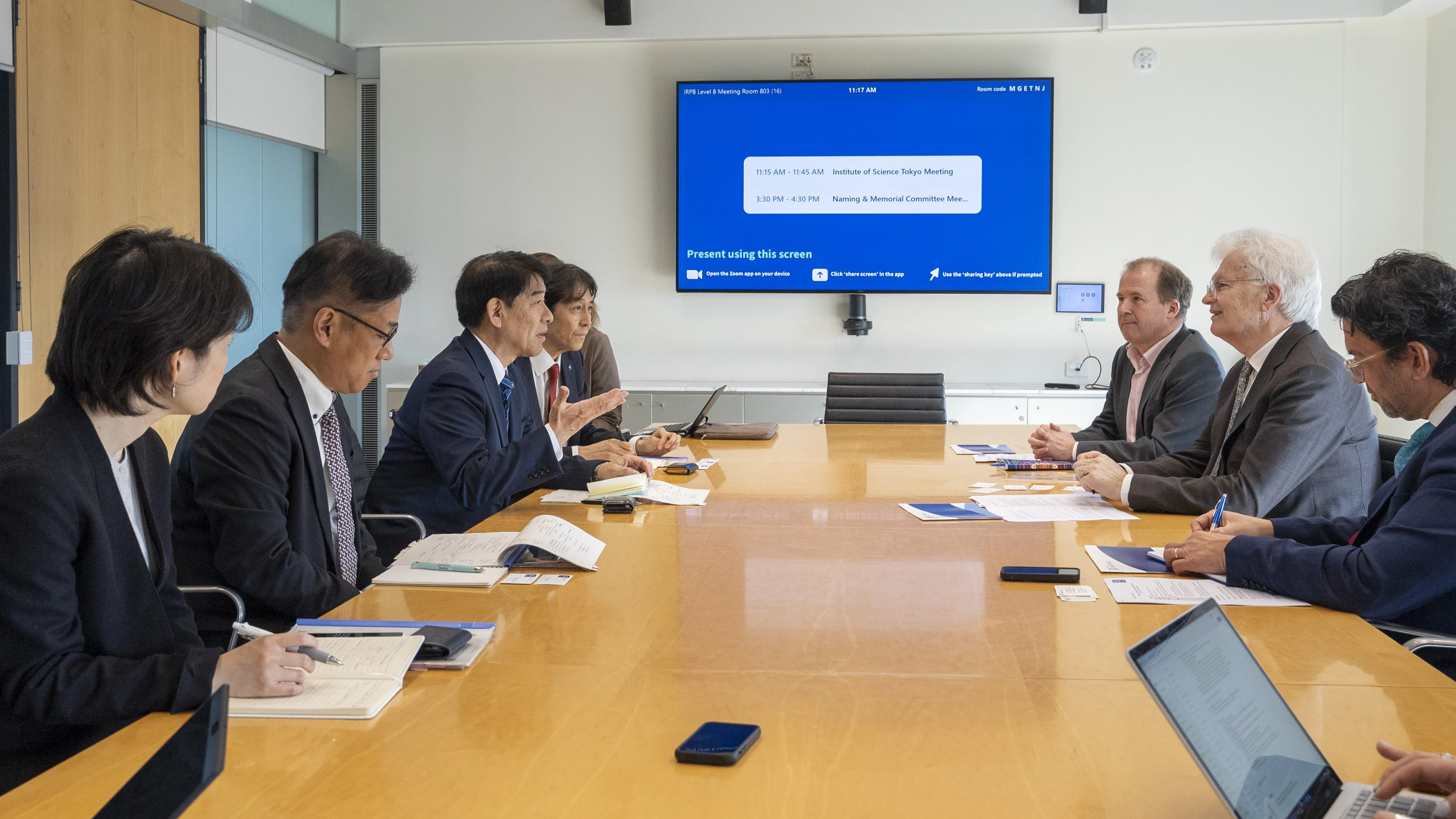
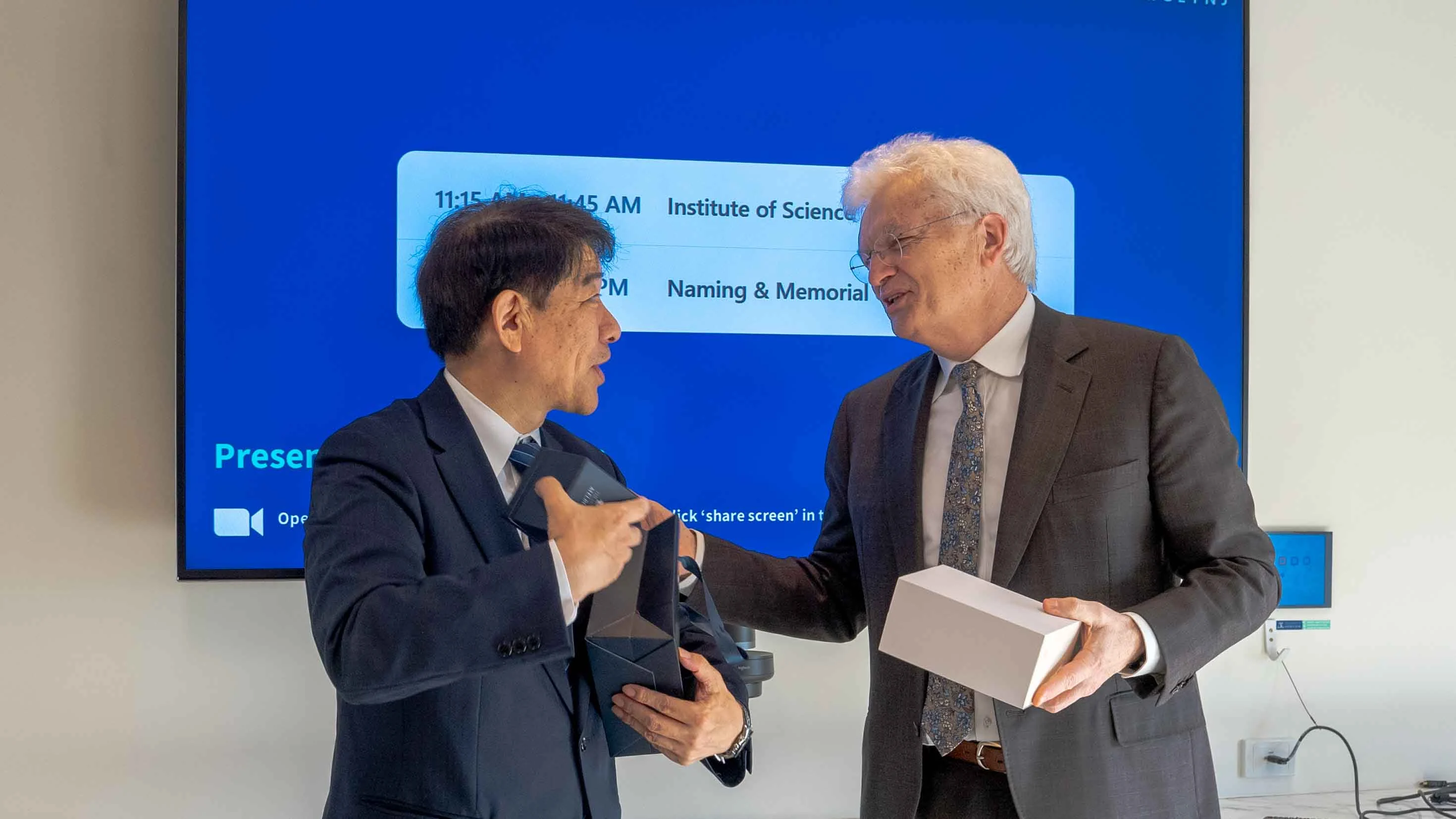
The Science Tokyo delegation met with Interim Vice-Chancellor Glyn Davis AC, Deputy Vice-Chancellor (Research) Mark Cassidy, and Deputy Vice-Chancellor (Global, Culture and Engagement) Michael Wesley on July 31.
During the meeting, the delegation introduced Science Tokyo's Visionary Initiatives (VI), a strategic framework established following the university merger to promote interdisciplinary research. Discussions focused on the research visions pursued by both universities and priority areas for future strategic collaboration.
The two sides also discussed future opportunities in quantum technologies following the signing of a Memorandum of Cooperation between Japan and Australia in this field on July 28. In addition, they exchanged views on research collaboration in biomedical sciences through the Melbourne Biomedical Precinct, one of the largest biomedical research clusters in the southern hemisphere, located within walking distance of the University of Melbourne and a base for collaboration between universities, hospitals, research institutes, and startups.
These discussions provided valuable insights not only into research collaboration but also into stakeholder engagement strategies and campus development initiatives being advanced at Science Tokyo.
The meeting reaffirmed that both institutions share a common vision regarding interdisciplinary research and addressing societal challenges through academic research. Science Tokyo and the University of Melbourne agreed to pursue a more strategic university-level collaboration by building on their respective strengths in research and innovation while making use of Australian government initiatives that support international cooperation among its neighboring countries.
Meetings with key organizations and visits to research facilities
Discussing the future of engineering education and research collaboration with the Faculty of Engineering and Information Technology
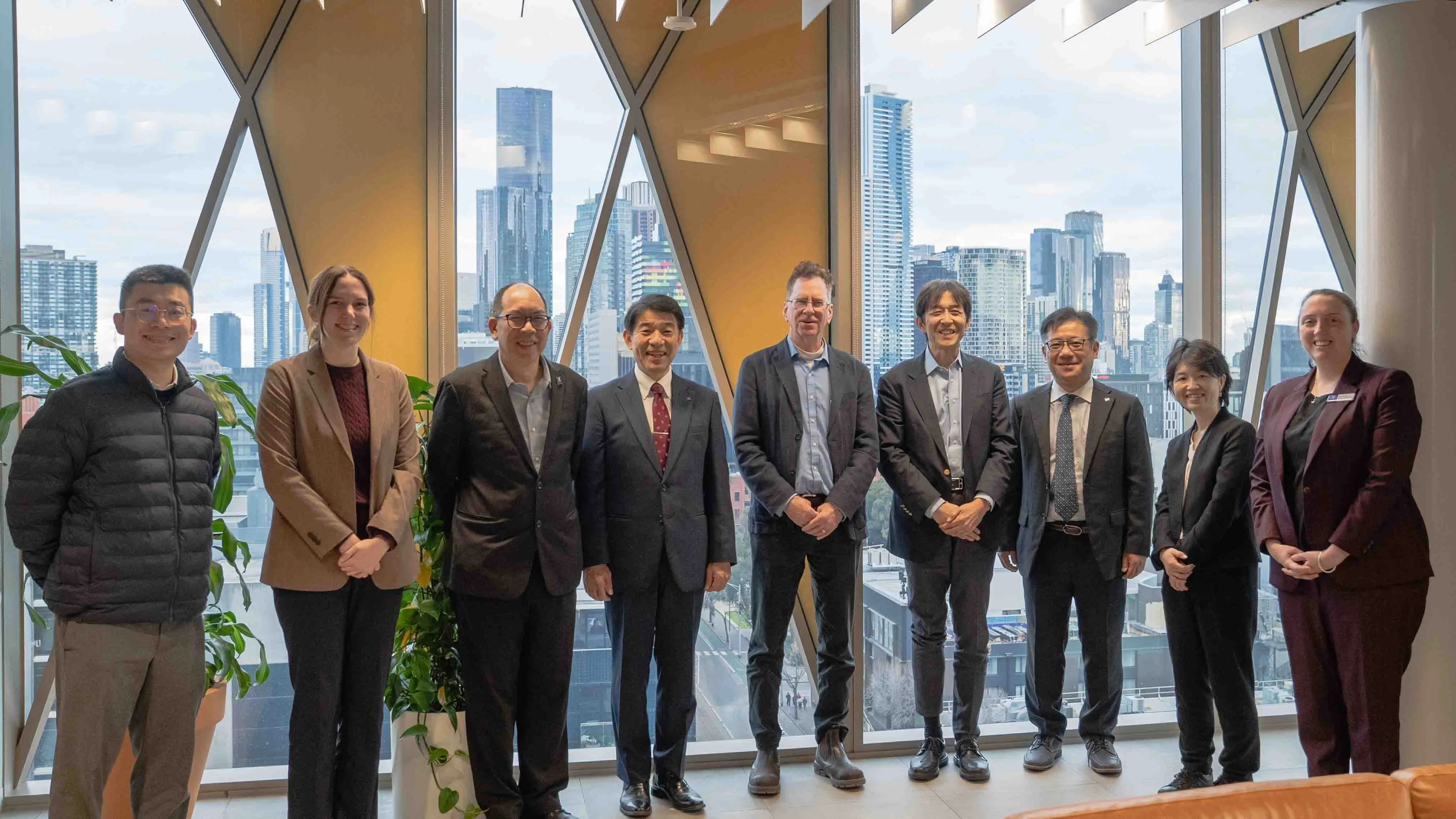
Earlier, on July 30, the Science Tokyo delegation met with representatives from Melbourne’s Faculty of Engineering and Information Technology (FEIT). Science Tokyo and FEIT are both members of the Asia-Oceania Top University League on Engineering (AOTULE). The two institutions have maintained active exchanges of students and researchers, particularly in materials science and dentistry.
During the meeting, both universities introduced initiatives for industry-linked educational programs and efforts to recruit outstanding faculty members, researchers and students. The participants confirmed their intention to further expand existing exchanges and strengthen collaboration in both education and research.
Exchange of views on industry-academia collaboration and joint research with Melbourne Research and Enterprise
On July 31, the delegation met with Melbourne Research and Enterprise (MRE), led by Deputy Vice-Chancellor Alastair Sloan.
The discussion focused on MRE’s frameworks and processes for promoting industry engagement, as well as research support funds available to faculty members, potential synergies with Science Tokyo's VI, and specific research fields suitable for strategic collaboration.
In addition, both sides agreed to consider the development of a seed-funding program to further stimulate research exchanges and future collaborative projects.
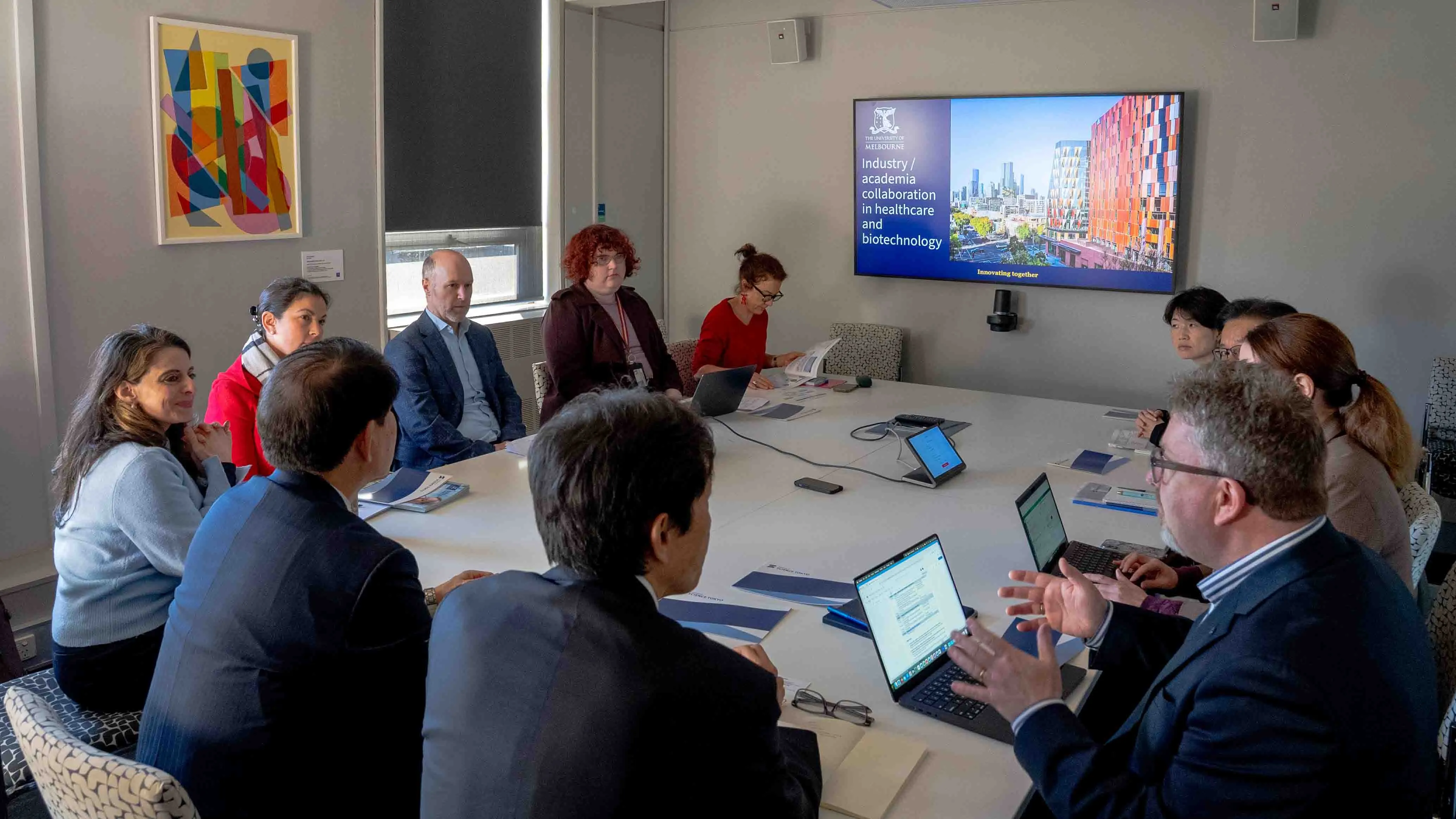
Meeting with leadership of the faculty of Medicine, Dentistry and Health Sciences and the Faculty of Science
Melbourne’s Faculty of Medicine, Dentistry and Health Sciences has long had strong ties with Science Tokyo, particularly in dentistry. Later in the day on July 31, the Science Tokyo delegation met with faculty representatives including Prof. Matt Watt (Associate Dean, Research), Prof. Petros Papagerakis (Head of Melbourne Dental School), and Dr. Mathew Lim (Associate Director, Research International), along with Prof. Willa Huston (Associate Dean, Global Engagement) from the Faculty of Science, to discuss opportunities for interdisciplinary research collaboration across medicine, dentistry, science, and engineering.
Particular attention was given to research topics such as swallowing disorders and oral microbiology. The meeting also explored emerging research opportunities involving the medical application of quantum sensors and the impact of climate change on health and healthcare.
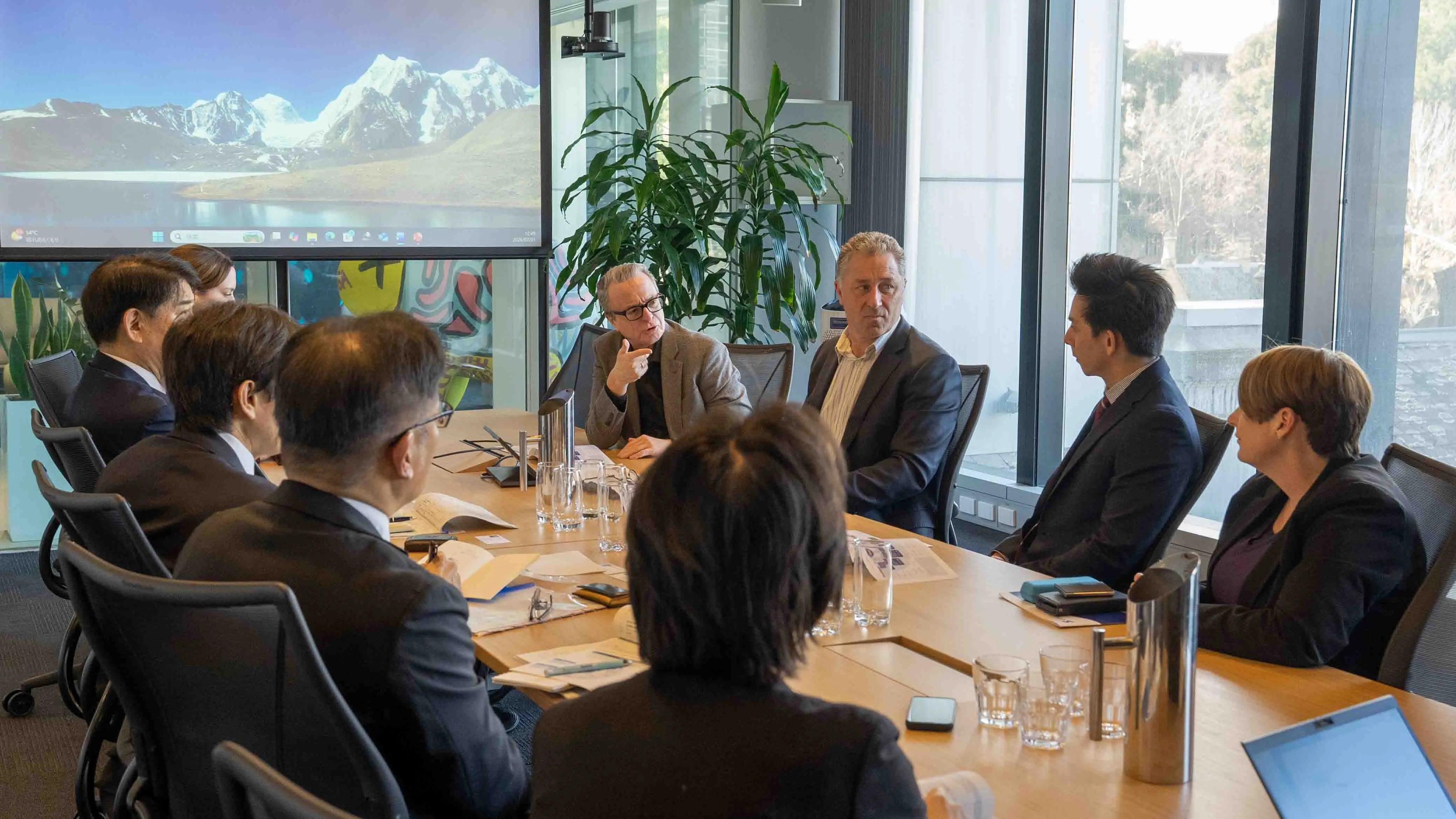
Campus and research facilities
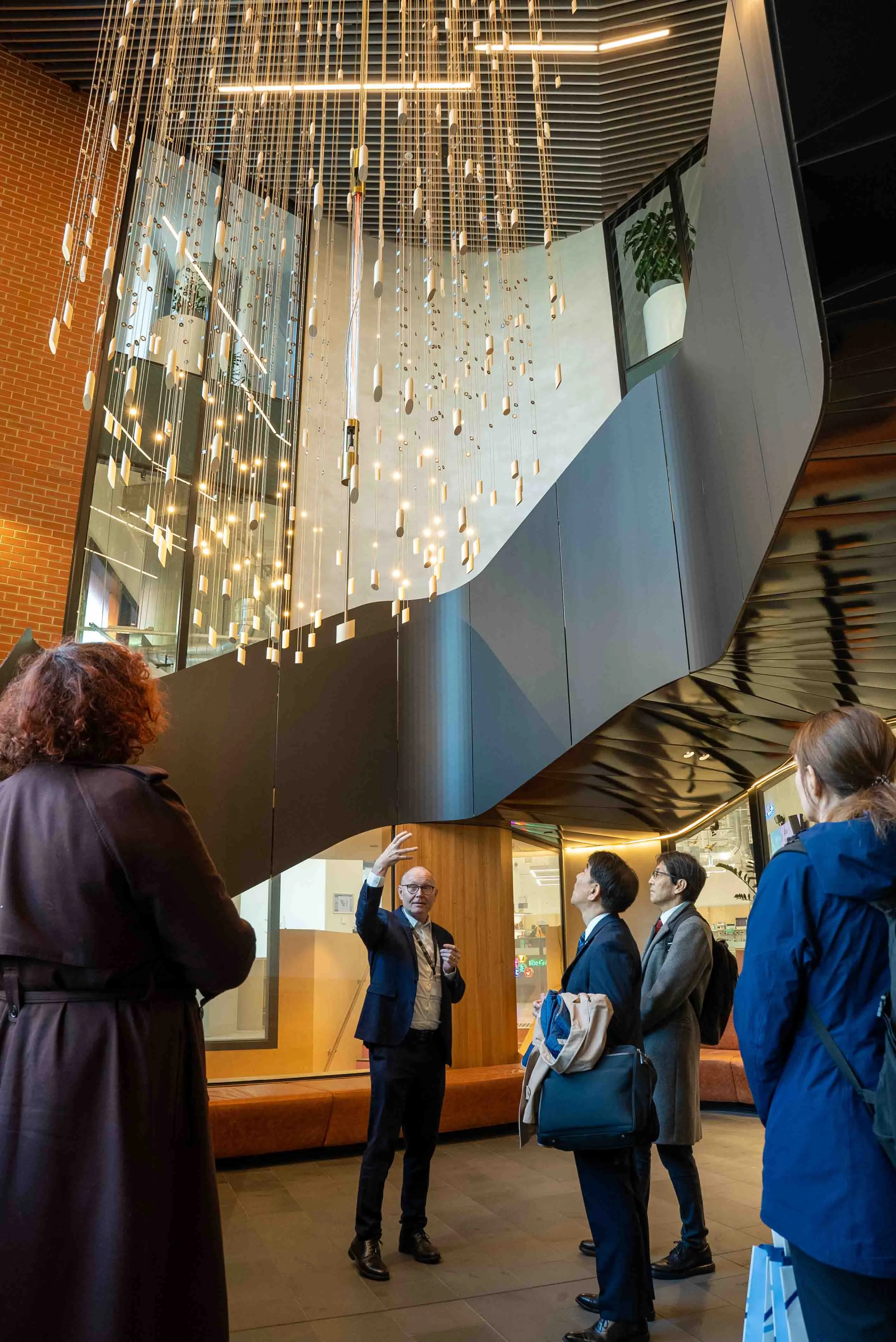
Visiting Melbourne Connect
Another destination was Melbourne Connect, an open innovation hub jointly operated by the University of Melbourne and private-sector partners. It brings together university stakeholders, companies, startups, and researchers to create an ecosystem for collaborative research and new business development.
The facility is equipped with more than 1,000 sensors that monitor factors such as movement of people, light, geothermal energy, solar energy, and temperature. These data are used to optimize energy consumption and reduce environmental impact.
The same data also serve as the source for "The Heart," a large LED artwork located at the entrance, which visualizes building activity and occupancy patterns through changing light displays.
Numerous startups and interdisciplinary university research organizations occupy the facility. Shared spaces have been intentionally designed to encourage spontaneous interaction. Adjacent to the facility is accommodation for approximately 500 students and researchers, operated by a private company.
Discussion at the Doherty Institute
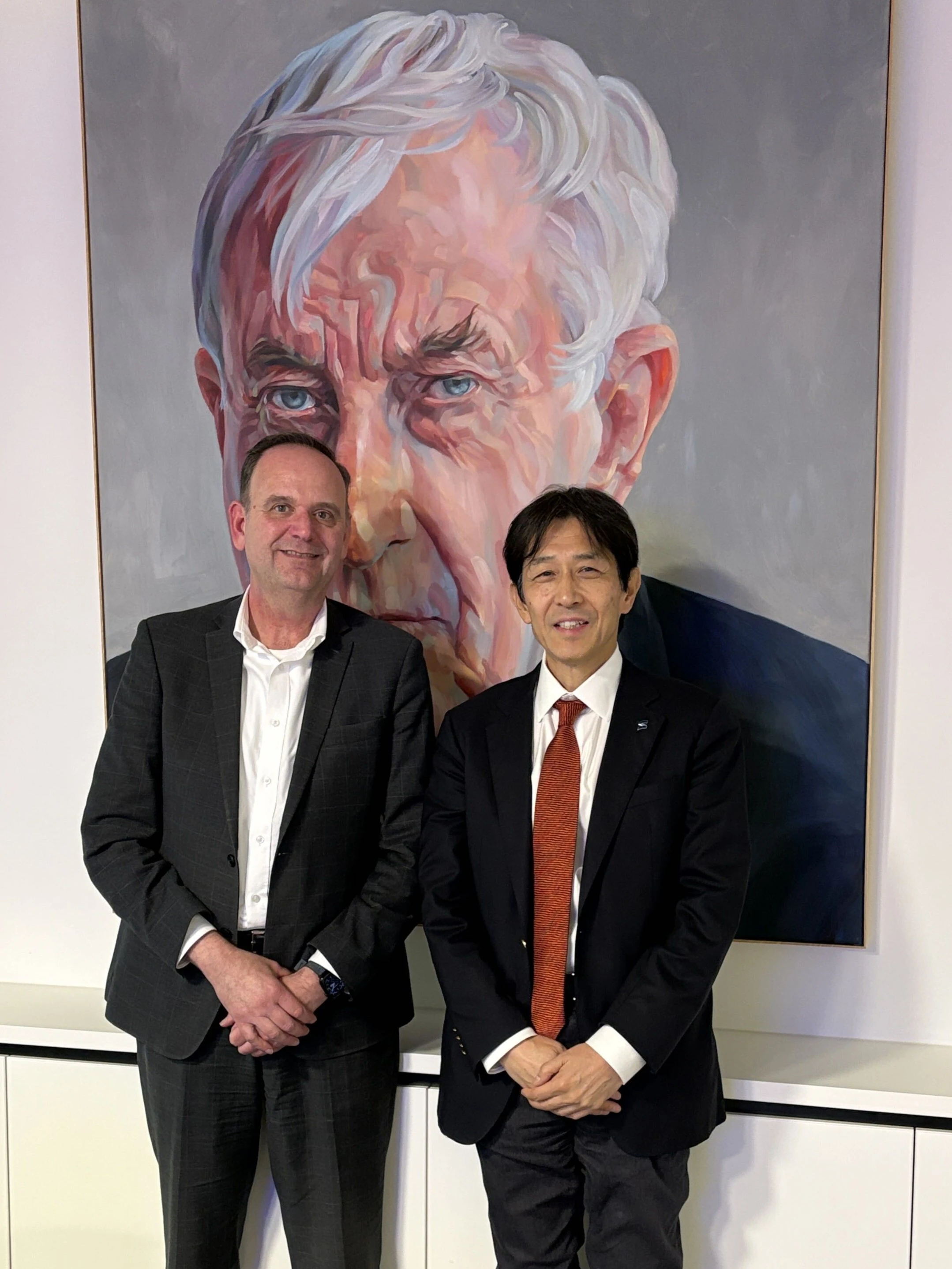
Executive Vice President Morio made a visit to the Peter Doherty Institute for Infection and Immunity, which is named after Peter Charles Doherty, who received the 1996 Nobel Prize in Physiology or Medicine for discovering how T cells recognize virus-infected cells. Established in 2014 by the University of Melbourne and the Royal Melbourne Hospital, the institute integrates existing research and clinical organizations from both institutions.
While visiting the institute, Executive Vice President Morio, an immunologist himself, met with Professor Paul Gorry to discuss the latest developments in infectious disease and immunology research and future collaborative possibilities.
Visiting the Aikenhead Centre for Medical Discovery
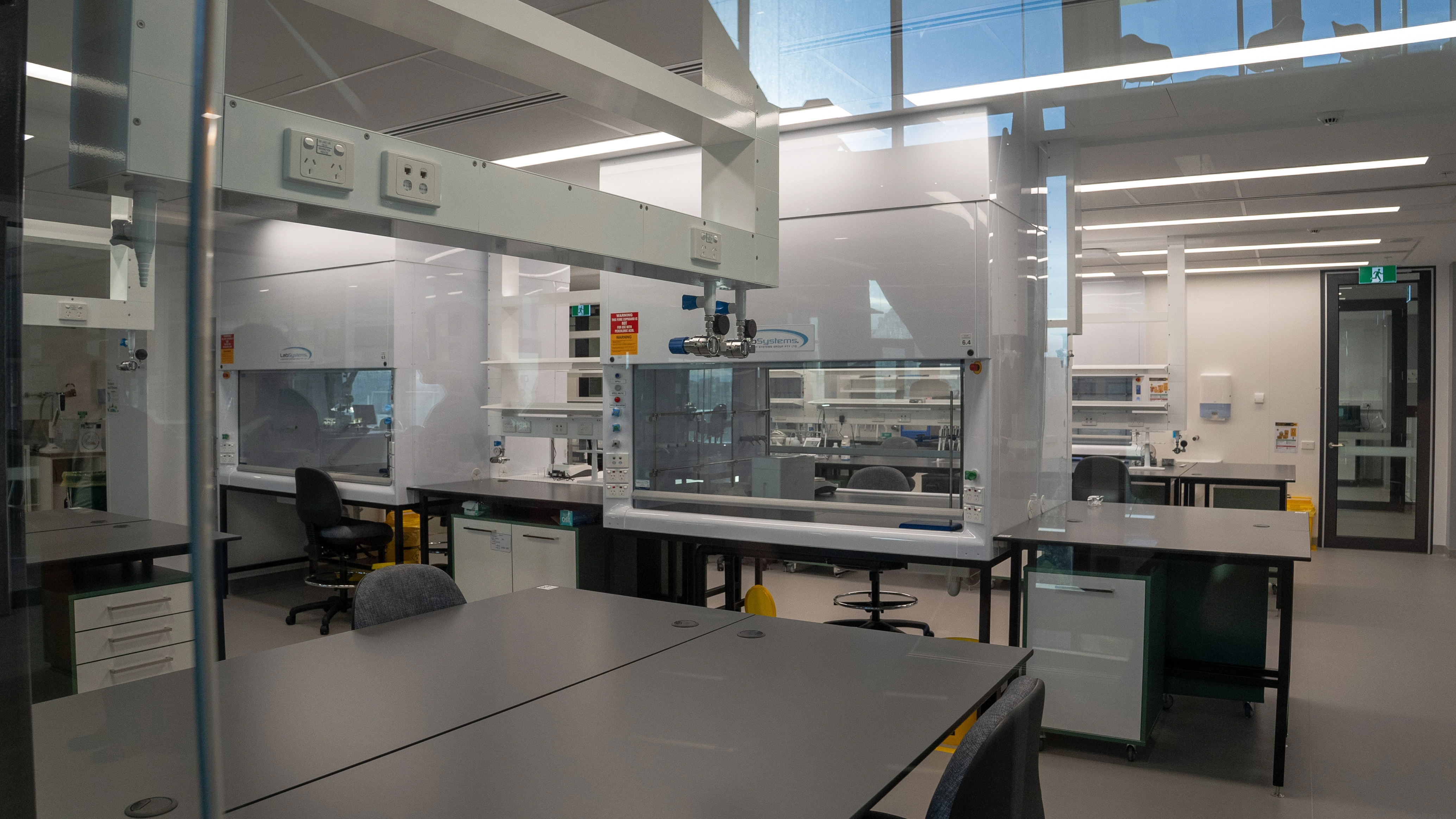
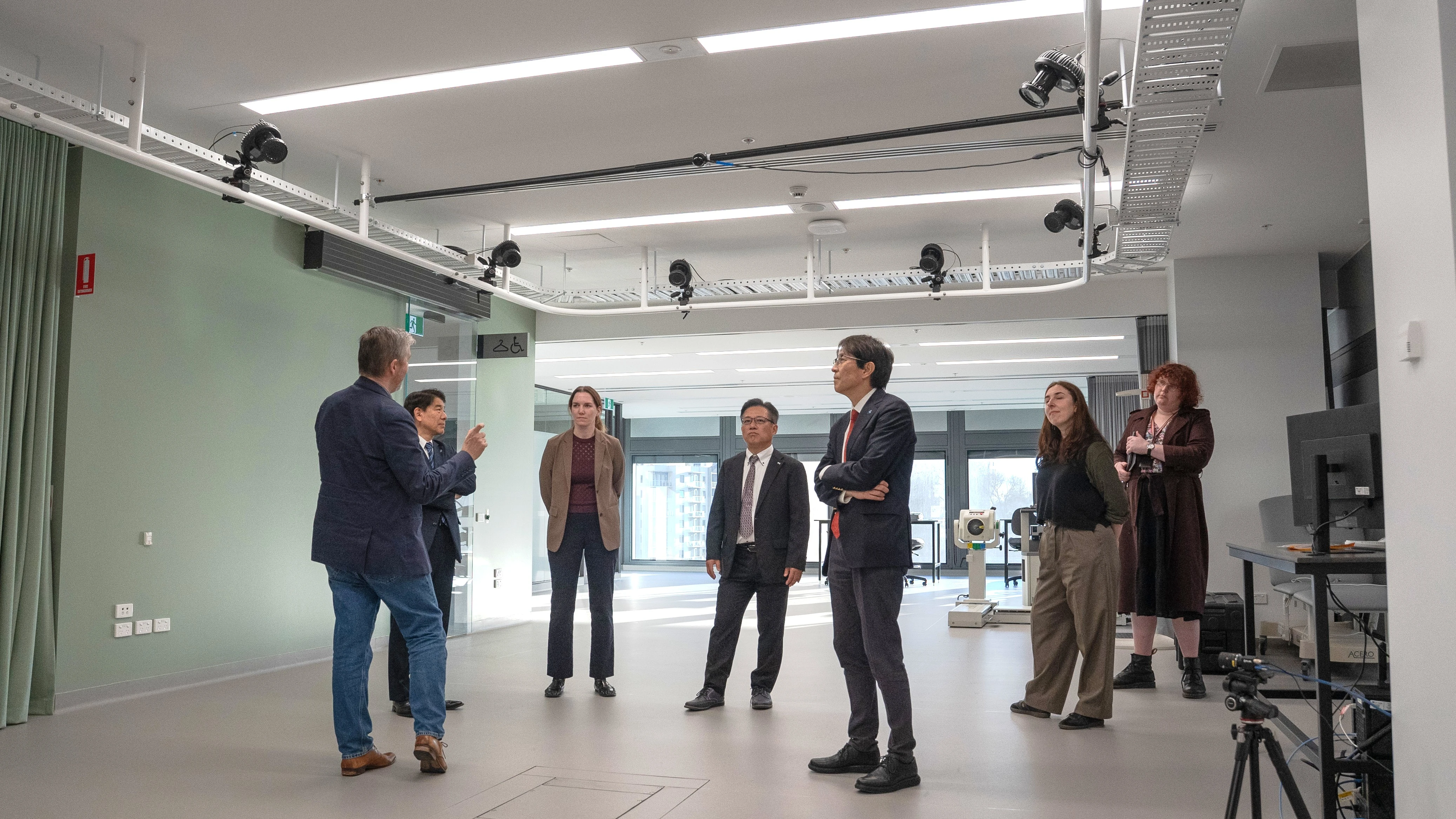
The Science Tokyo delegation also stopped by the Aikenhead Centre for Medical Discovery (ACMD), located adjacent to St Vincent's Hospital Melbourne. Multiple universities, research institutions, and life science companies collaborate at the center, making it a vibrant open innovation ecosystem.
The University of Melbourne's facilities within ACMD include a Faraday cage for measuring brain activity in an environment shielded from external magnetic fields, high-speed stereo X-ray imaging systems, and motion capture systems equipped with force plates for gait analysis.
These cutting-edge facilities support activities ranging from fundamental research to clinical applications and commercialization.
A campus that supports research, education, and innovation
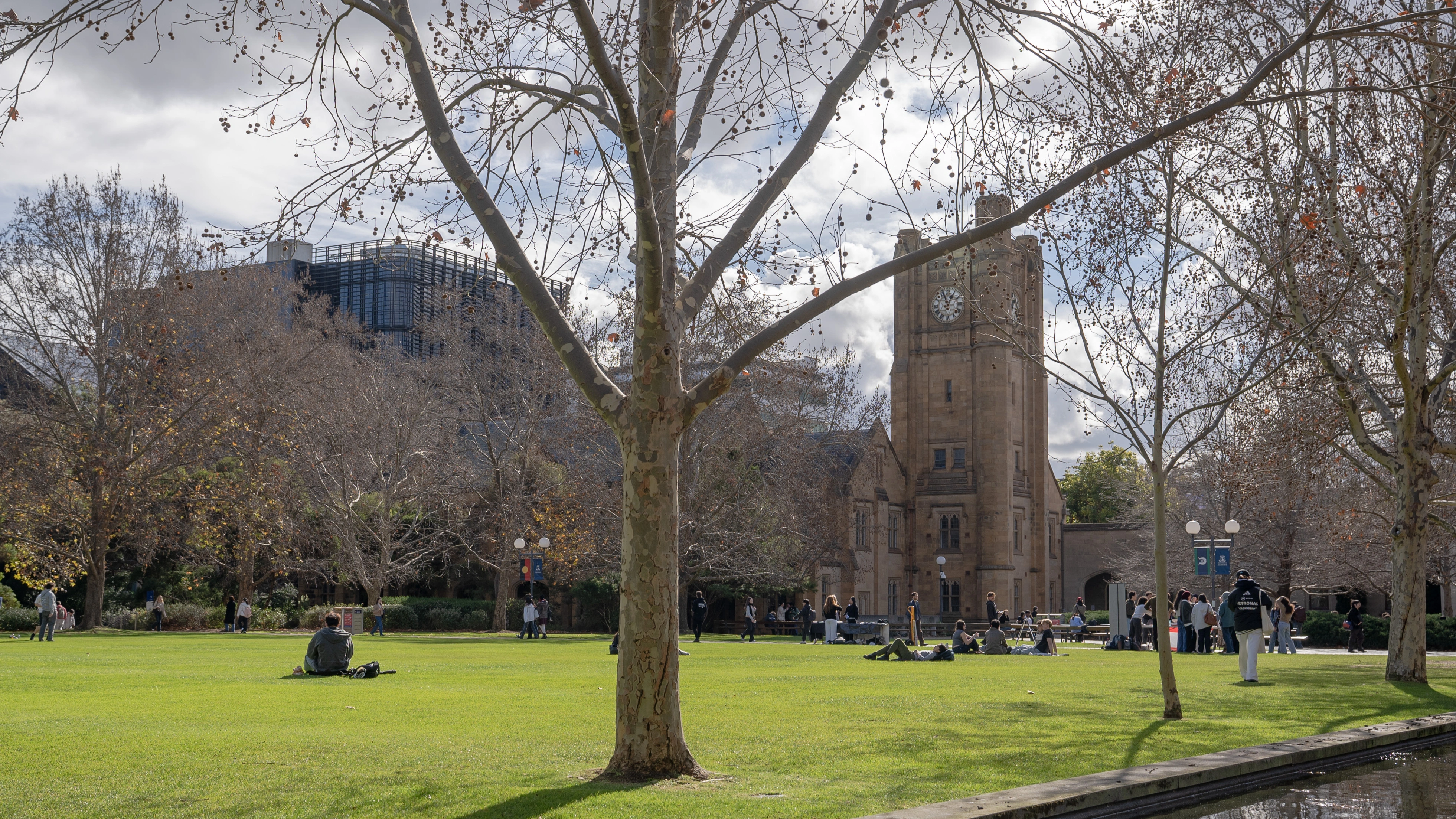
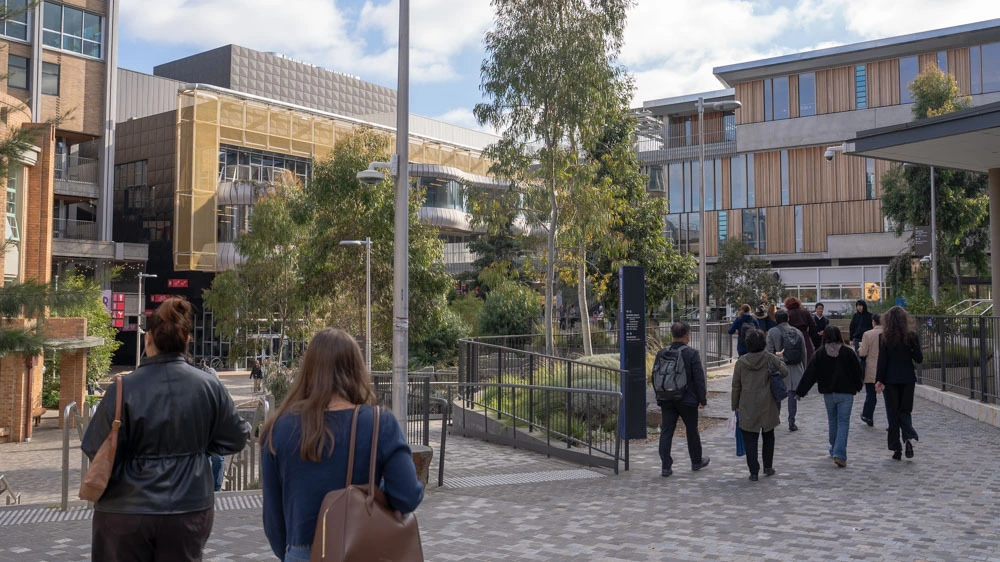
Finally, the Science Tokyo delegation enjoyed exploring Melbourne’s Parkville Campus. Its combination of historic architecture, state-of-the-art facilities, open green spaces, and collaborative areas fosters learning, research, and community engagement.
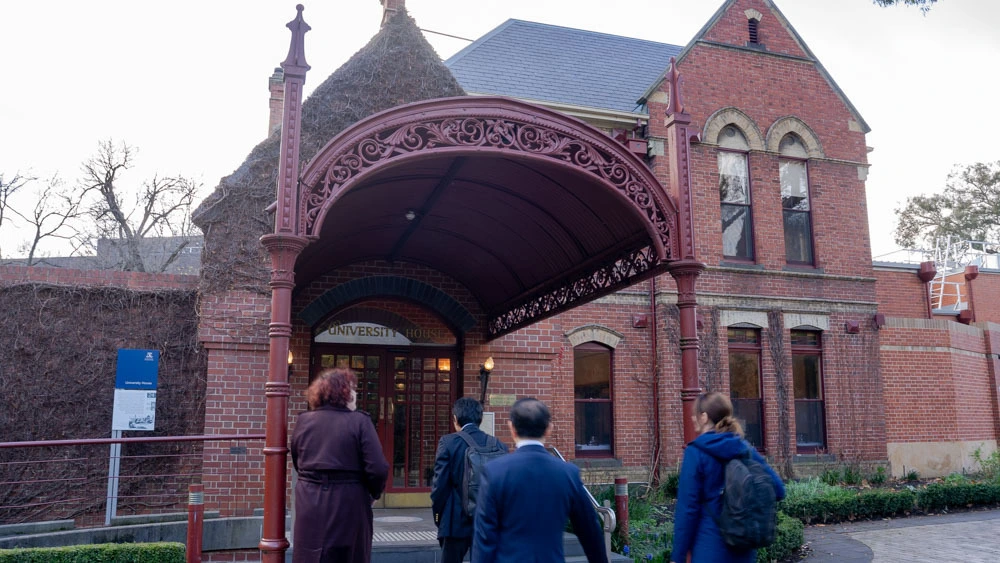
The campus is also home to the University House, a members-only social facility housed in a renovated building that was originally used as accommodation for professors. Open to faculty, staff, alumni, and other members of the university community, the University House provides a welcoming space for dinners, events, and informal gatherings. It serves as a hub for fostering meaningful connections and encouraging natural interaction among members of the university community.
Looking ahead
The visit provided valuable insights into the University of Melbourne's rich research environment and the broader innovation ecosystem that connects universities, industry, and healthcare institutions.
Across all meetings, participants confirmed a shared vision for future collaboration. In addition to building upon existing researcher-to-researcher connections, both universities highlighted the importance of creating broader partnerships driven by shared research priorities and strategic goals.
Building on existing partnerships, Science Tokyo and the University of Melbourne will continue working toward wider university-level collaboration across multiple disciplines, with particular emphasis on developing joint seed-funding opportunities and fostering new collaborative research initiatives.
関連リンク
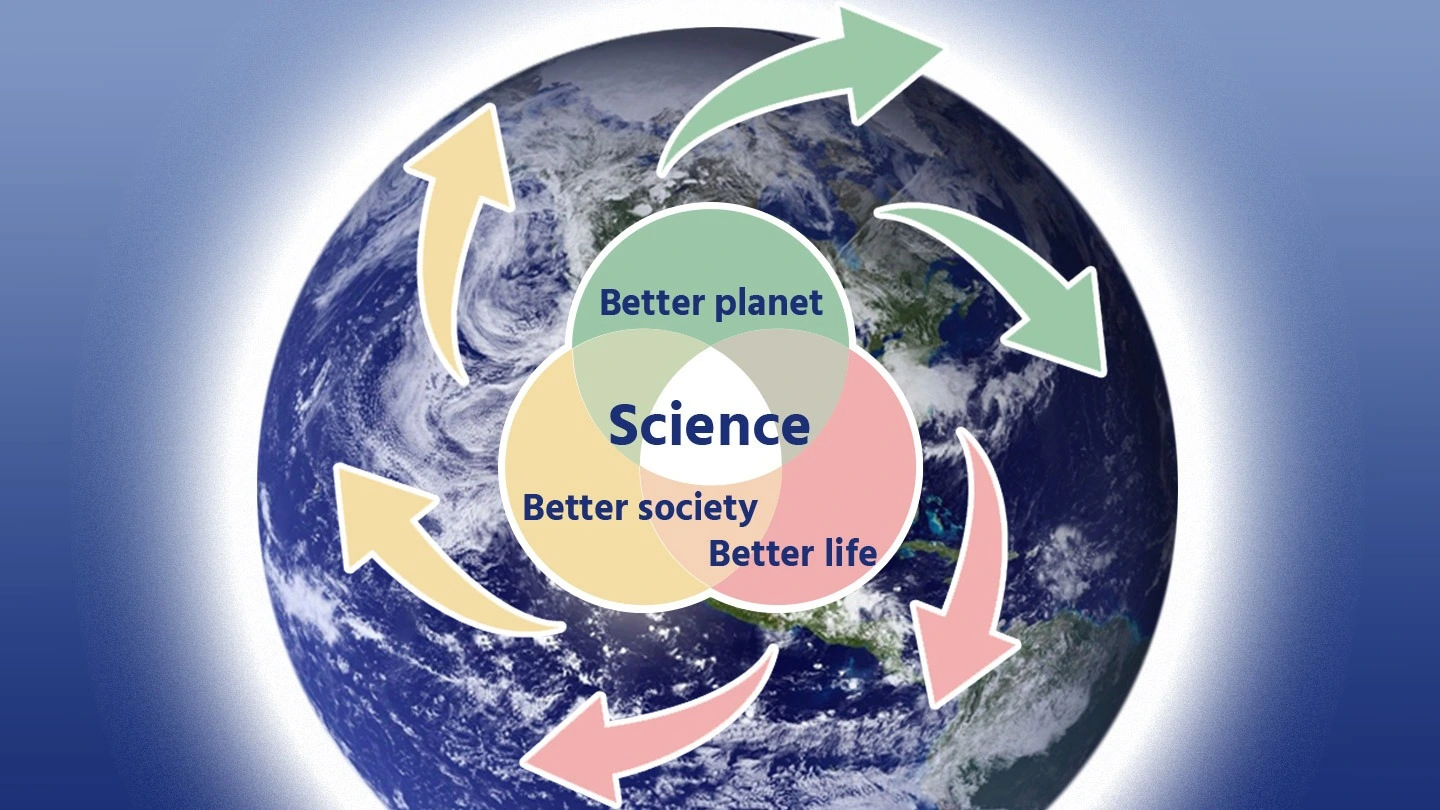
Science Tokyo introduced a new vision-driven integrated research framework across the Institute in April 2025 to create enhanced societal impact across various key areas.
お問い合わせ
International Initiatives Group, International Division
- Tel
- +81-3-5734-3016
- Address
- S6-6, 2-12-1, Ookayama, Meguro-ku, Tokyo 152-8550, Japan