FY2025 STAR Special Award for Science Tokyo Advanced Researchers decided
Associate Professor Shunsuke Ono of the School of Computing and Associate Professor Masaki Tahara of the Institute of Integrated Research, and Associate Professor Kensuke Miyake of the Institute of Integrated Research have been selected for Special Award for Science Tokyo Advanced Researchers (STAR) in FY 2025. For this 13th call, three "STARS" were selected after consultation with the President and Chief Executive Officer (CEO) and the Director of Research Development Center, Institute of Science Tokyo (Science Tokyo).
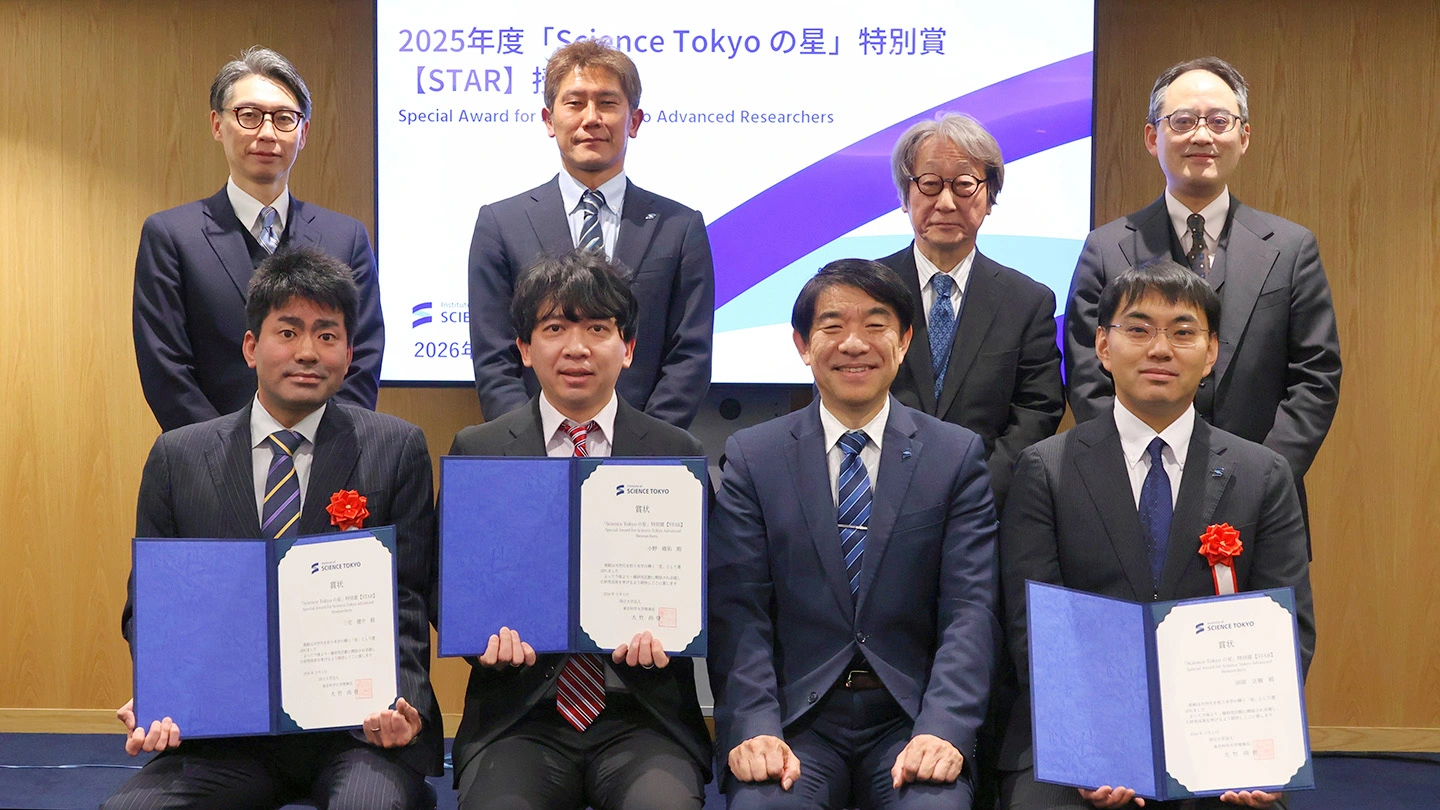
Back row from left: Director of Research Promotion Department Toshiyuki Nihei, Director of Research Development Center Kei Sakaguchi, Vice President for Community Engagement Shigeru Hioki, Deputy Director of Research Development Center Shigeru Ohshima
The Special Award for Science Tokyo Advanced Researchers is awarded each year to promising young researchers who grapple with research topics that have the potential to become national projects in the future. Other recipients may include those who have achieved distinguished results in the fundamental sciences.
Through the STAR award, Science Tokyo seeks to support up-and-coming shining stars in the next generation of researchers.
Research overview and Comments
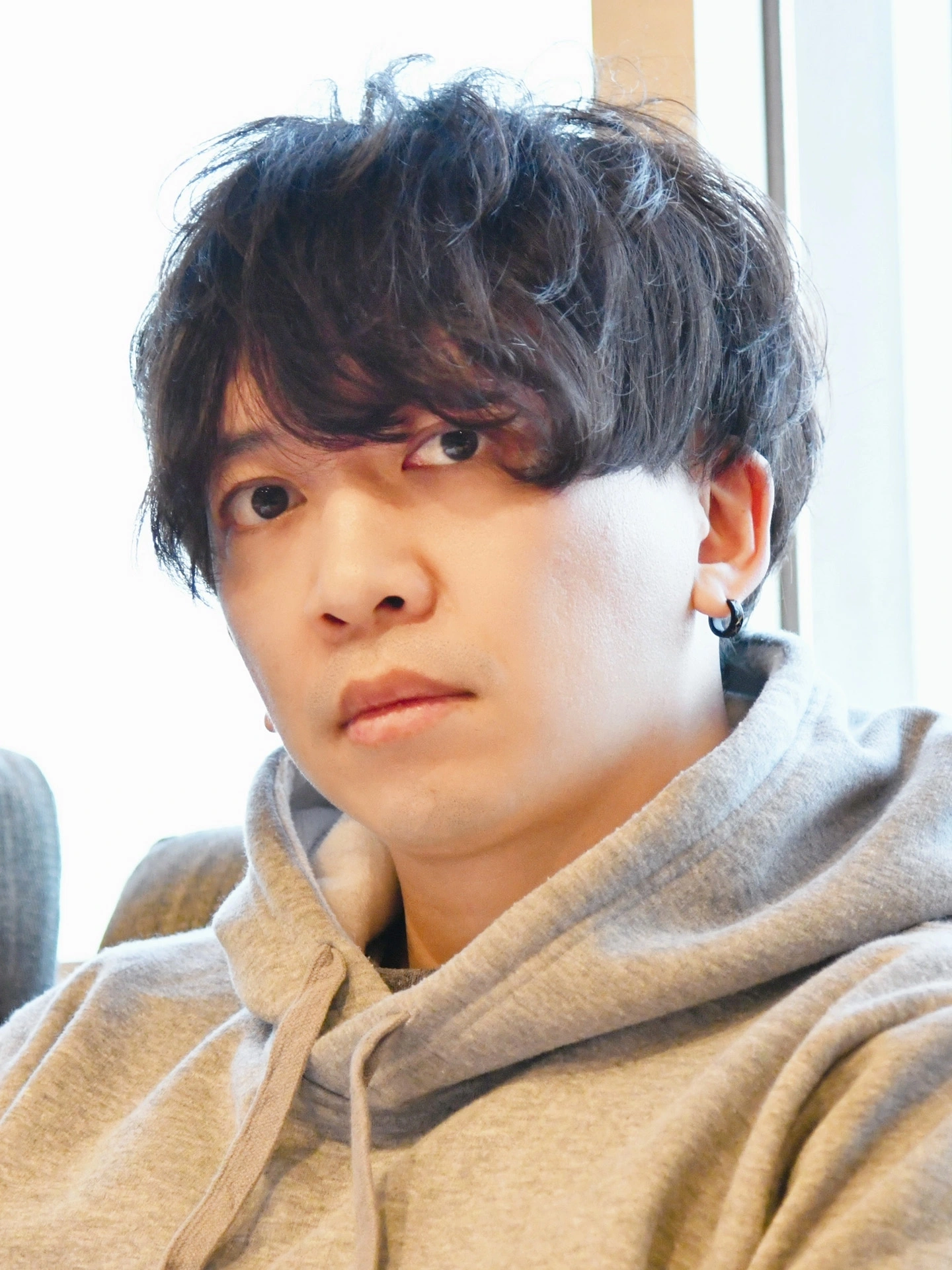
Associate Professor Shunsuke Ono, School of Computing
Establishing Mathematical Measurement-Informatics: Toward a Global Measurement × Information Paradigm
Research overview
Just as the telescope gave rise to heliocentrism, the microscope to bacteriology, and the atomic clock to GPS, advances in measurement technology have been a driving force behind scientific discovery and societal transformation. Today, data is acquired across all spatiotemporal scales, from black hole imaging to single-molecule imaging, yet advanced measurements are inherently accompanied by fundamental challenges such as noise, missing data, and disturbances. In other words, extracting useful knowledge directly from raw data is extremely difficult.
Our research focuses on developing mathematical techniques for recovering and extracting signal information with high reliability, validity, and explainability from such incomplete measurement data. Specifically, we have worked on developing constrained optimization algorithms for measurement data analysis, providing theoretical guarantees for plug-and-play algorithms that fuse optimization techniques with deep learning, establishing robust analysis methods for satellite remote sensing, and extending these approaches to measurement technologies in diverse fields such as X-ray CT and NMR spectroscopy. Going forward, we aim to establish a "proximal splitting-based DC optimization framework" centered on Difference-of-Convex (DC) models as the key to resolving the dilemmas faced by current mathematical optimization techniques, while simultaneously deploying this framework across diverse measurement domains including remote sensing, materials imaging, spectroscopic microscopy, and fluid measurement.
By driving this feedback loop between theory and application and realizing the virtuous cycle of "mathematics guiding measurement, and measurement nurturing mathematics," We aspire to bring a Measurement × Information paradigm originating from Japan to the world and deliver a lasting impact on the science and technology of the future.
Comments
I am deeply honored to have been selected for the Special Award for Science Tokyo Advanced Researchers (STAR). I feel the weight of responsibility that comes with receiving research funding from theScience Tokyo Fund. I am committed to continuing to take on new challenges in order to translate the generous support of our donors into the creation of a new academic foundation that bridges measurement and information through mathematics. I would like to take this opportunity to express my heartfelt gratitude to the donors of the Science Tokyo Fund, the selection committee members, the mentors who have guided me, my collaborators, and the members of my laboratory who work alongside me every day.
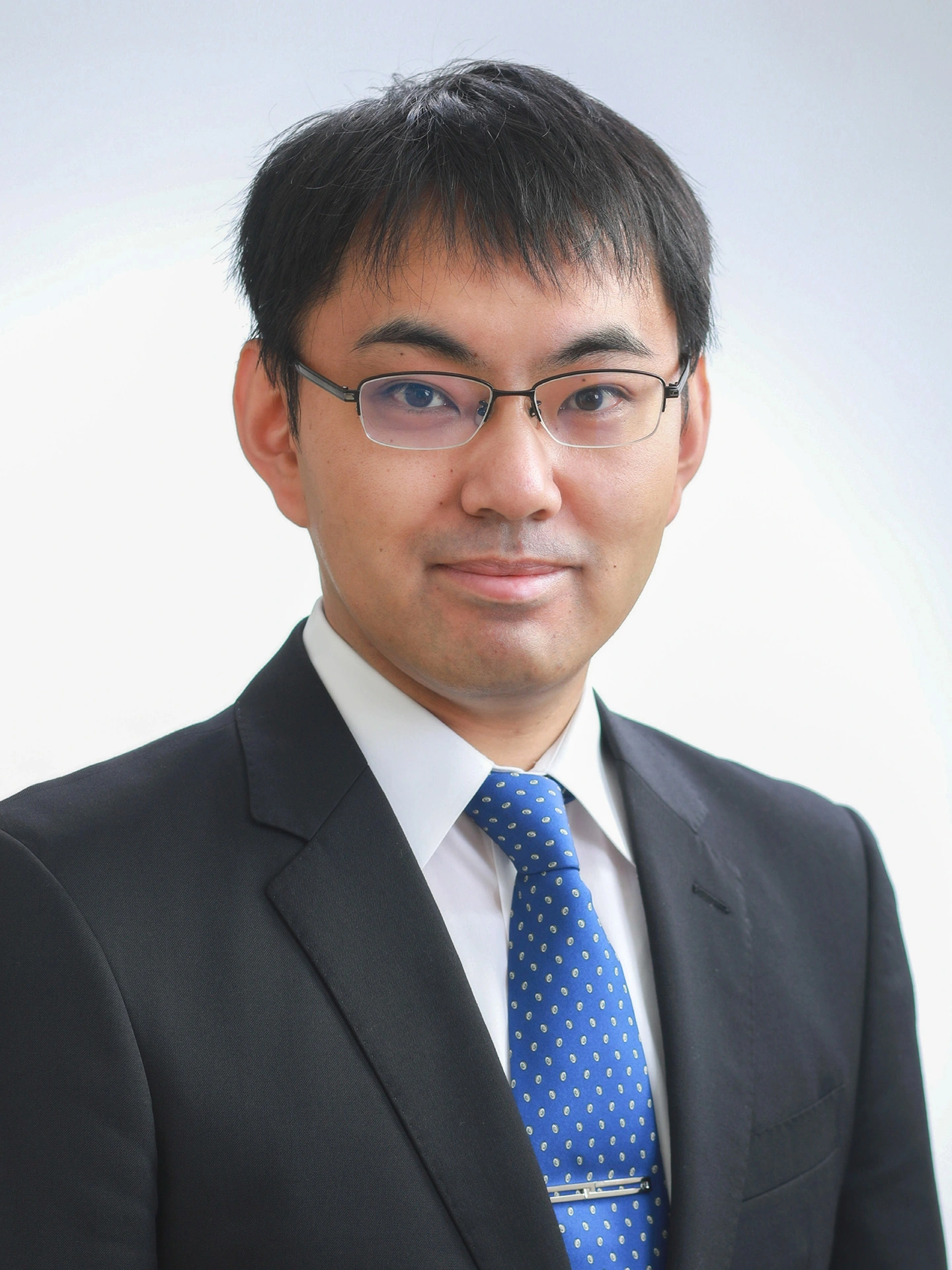
Associate Professor Masaki Tahara, Institute of Integrated Research
Exploring the Operating Principles of Shape Memory Alloys and Expanding Their Functionalities
Research overview
Shape memory alloys are metals with the remarkable property that even if they are bent, they return to their original shape when heated. They are already used in applications such as medical stents and eyeglass frames. However, important aspects of their underlying mechanism are still not fully understood.
My research addresses the fundamental question: why are metals able to "remember" their shape? The goal is to clarify the operating principle of this phenomenon at a deeper level. Behind the visible change in shape, what kinds of changes occur inside the metal? I carefully observe and analyze these internal processes and organize the findings into principles that can clearly explain the behavior. By understanding the essence of how shape memory works, materials that have traditionally been developed through experience and trial-and-error can be transformed into materials that can be designed intentionally and predictably. For example, this knowledge can lead to the development of new shape memory alloys that respond reliably to smaller temperature changes, maintain their performance over long periods, or withstand repeated deformation. Such materials are expected to find applications in minimally invasive medical devices, robotic actuators, lightweight movable components in aerospace systems, and energy-saving mechanisms across various industries.
Metals that can "move on their own" in response to temperature or environmental changes may play an important role in building a more sustainable society. By advancing both the fundamental understanding of the underlying principles and the exploration of new functionalities, I aim to further expand the potential of shape memory alloys and contribute to the design of innovative materials that benefit society.
Comments
I am deeply honored to have been selected for the Special Award for Science Tokyo Advanced Researchers (STAR). I strongly feel the responsibility that comes with receiving research support from the Science Tokyo Fund. This award is made possible through the generous support of donors to the Science Tokyo Fund. I am sincerely grateful for their warm encouragement. To give back to society through meaningful research outcomes, I will continue to pursue challenging research grounded in fundamental science with perseverance and dedication. I would also like to take this opportunity to express my heartfelt gratitude to my mentors, collaborators, and all the members of my laboratory who work alongside me every day. With this support as my motivation, I will strive even further to develop this work into research that contributes to the next generation.
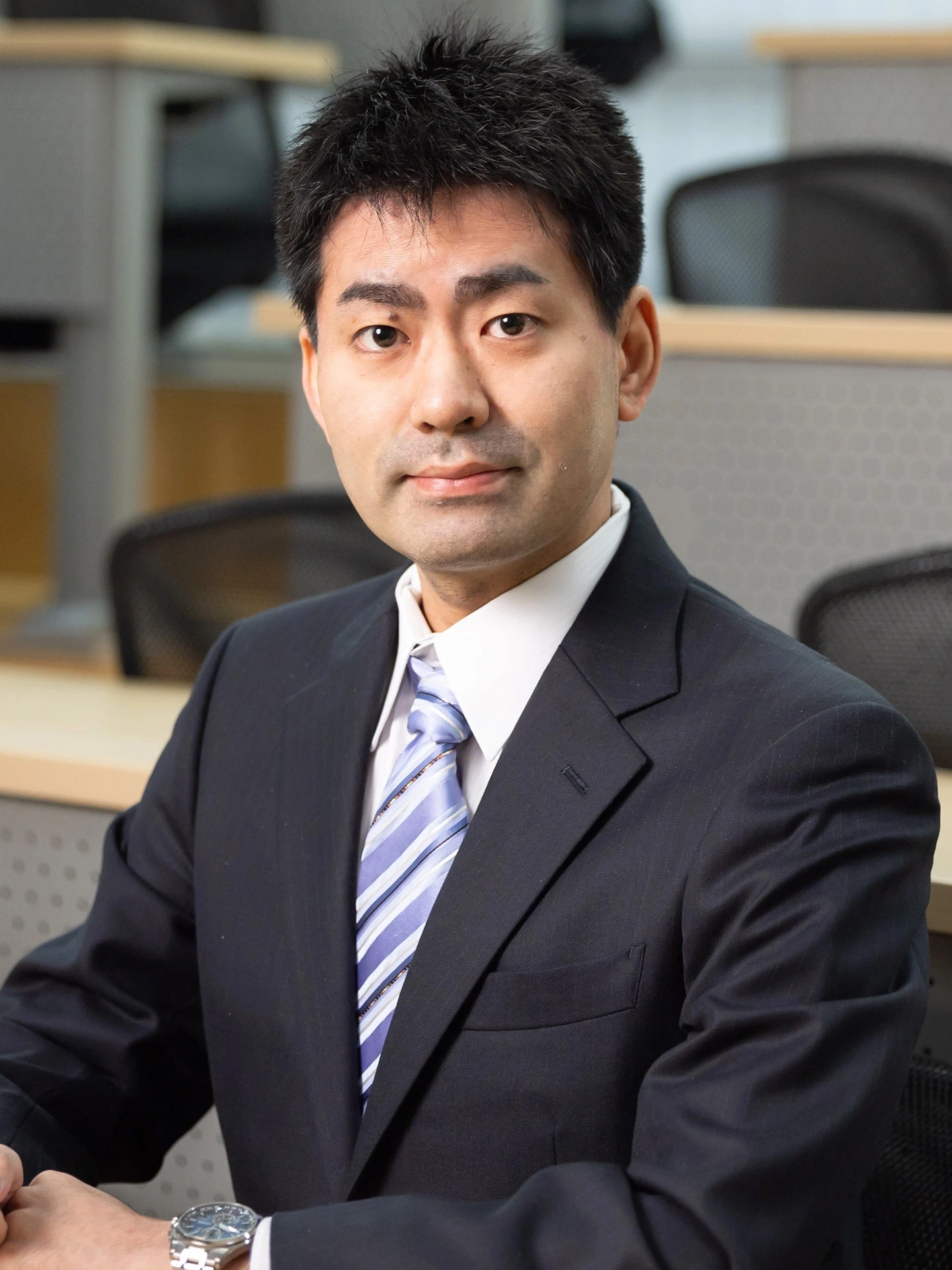
Associate Professor Kensuke Miyake, Institute of Integrated Research
Inflammatory Functions and Differentiation of Basophils Revealed by Single-Cell Analysis
Research overview
Within our bodies, various immune cells circulate in the blood to protect us from invading pathogens. Among them, basophils are an extremely rare population, accounting for about 0.5% of circulating white blood cells. Although they were discovered more than 140 years ago by the German pathologist Paul Ehrlich, their role remained largely unknown for many years due to their rarity.
Using basophil-selective depletion system in mice, our group has demonstrated that basophils act as "initiators" of inflammation, orchestrating other inflammatory cells and playing a critical role in the development of allergic diseases such as atopic dermatitis, despite their small numbers. We further applied a cutting-edge technology known as single-cell RNA sequencing, which enables the analysis of gene expression in individual cells. Using this approach, we clarified how basophils develop and mature in the body and identified a novel precursor population termed "pre-basophils." In addition, single-cell analysis of inflamed skin and lung tissues revealed that basophils do not function solely as pathogenic drivers of allergy. Depending on the context, they can also act to suppress inflammation.
These findings highlight the potential of basophils as a novel therapeutic target for allergic and inflammatory diseases. By continuing to leverage advanced single-cell technologies, we aim to further unravel the complex biology of basophils and translate these insights into new strategies for allergy treatment.
Comments
I am deeply honored to receive the prestigious Special Award for Science Tokyo Advanced Researchers (STAR). With the generous support from the Science Tokyo Fund, we will continue our efforts to unravel the mysteries of basophils, a rare yet crucial immune cell population. I would like to express my sincere gratitude to the donors of the Science Tokyo Fund, the members of the selection committee, my mentors, collaborators, and all members of my laboratory who have supported and contributed to this research.
About the STAR
Purpose
Funded by the Science Tokyo Fund, this program aims to provide large-scale support to bright young researchers who create new value based on various unique research achievements in the fundamental sciences. This objective is in line with the Institutes mid-term goals and contributes to enhancing research capacity.
Selection criteria
Based on their career and research achievements, recipients are selected by the President and Chief Executive Officer and the director of Research Development Center. Individuals cannot apply for this award.
- Young researchers engaged in a project which contributes to strategic policies on the national level
- Young researchers who demonstrated outstanding achievement in basic research
Eligibility
Early-career researchers with a title of associate professor or below (in principle under the age of 40)
- This award, originally presented since 2024 as the "Special Award for Tokyo Tech Advanced Researchers (STAR)," changed its name to the "Special Award for Science Tokyo Advanced Researchers (STAR) " following the integration. Beginning in FY 2025, its scope of support has been expanded to include the medical and dental sciences fields.
Related articles
Updated history
- This article was updated on May 14, 2026