Thai youth study Japanese technologies, explore future careers at ODOS Summer Camp 2025
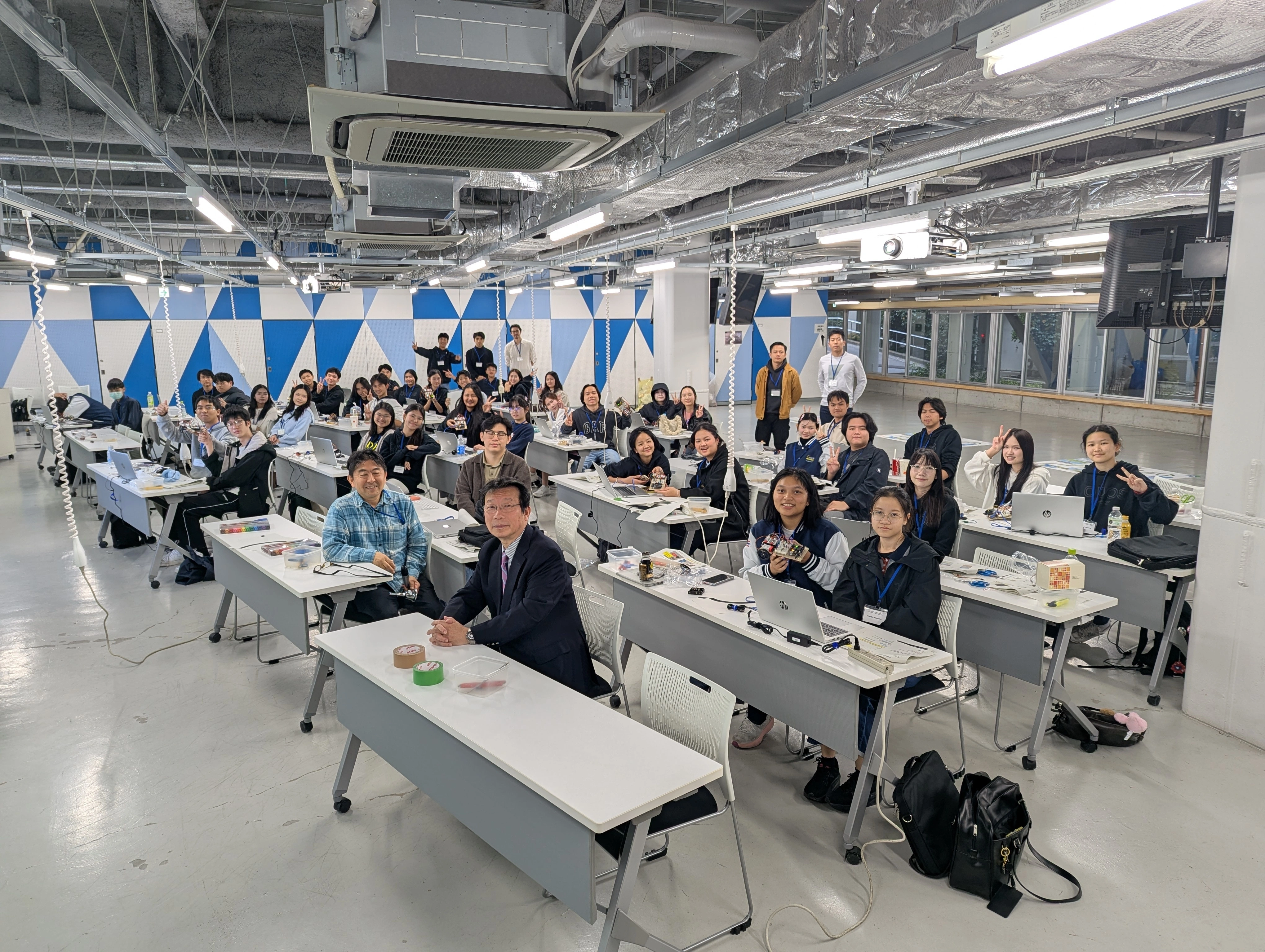
On November 13 and 14, Science Tokyo conducted a two-day program for 50 Thai students aged 16-19 as part of the One District One Scholarship (ODOS) Summer Camp 2025.
The Thailand government’s ODOS Summer Camp is a program that aims to foster digital technology skills among Thai youth. It selects one student from each of the 878 districts that span the country, plus the 50 that comprise Bangkok, for a total of 928 participants who will be sent on study trips across the United States, Europe, and Asia. Fifty of these students were sent to Japan for six weeks, where they visited companies, universities, and research institutes in Osaka, Kyoto, and Tokyo. The final two days of their study trip to Japan were spent at Science Tokyo.
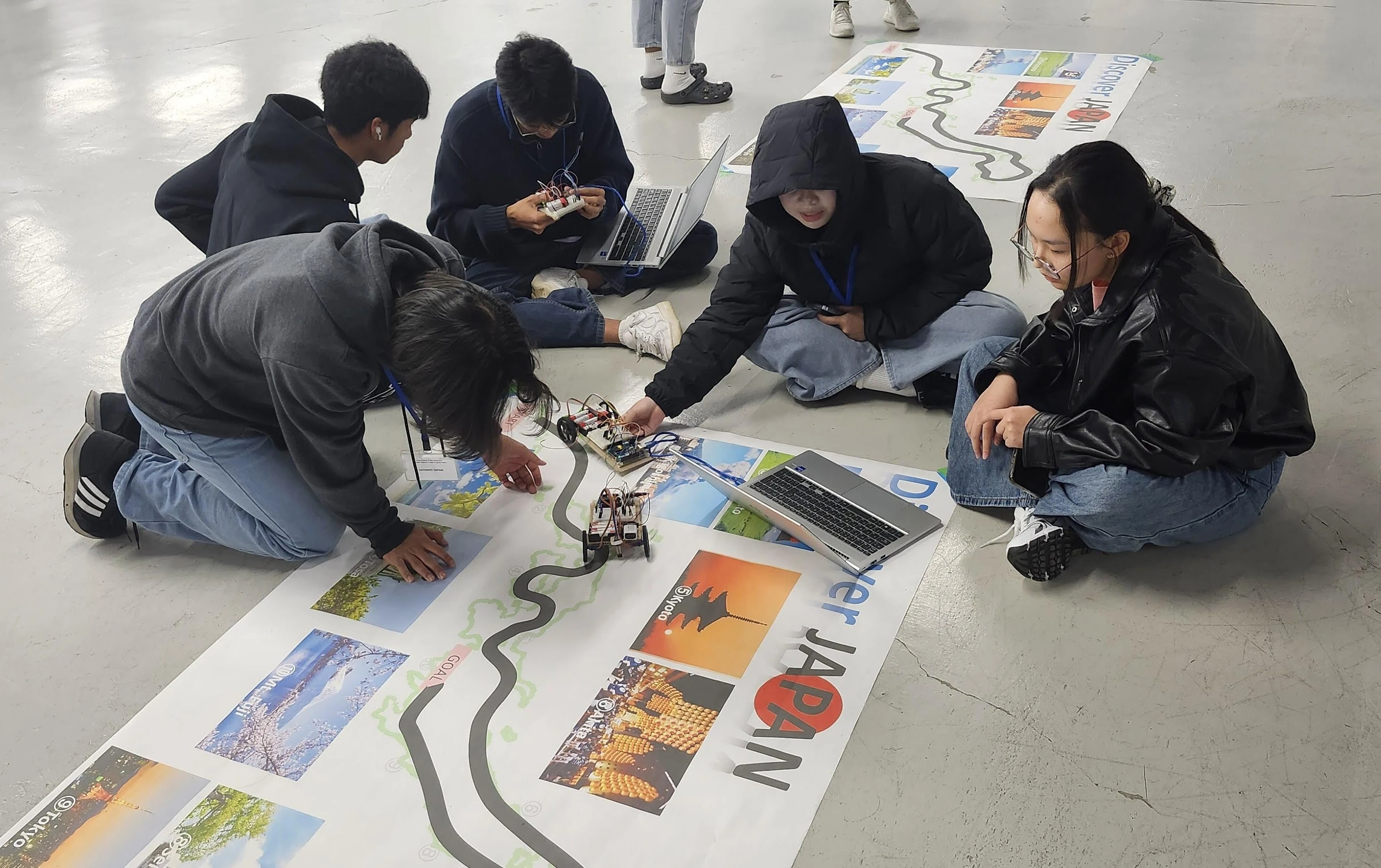
On the first day, Professor Tohru Yagi from the School of Engineering led a hands-on workshop on mechatronics, an interdisciplinary field that combines mechanical engineering, electronics, control systems, and other concepts. Students worked in pairs to assemble line-tracing robots from scratch.
In the evening, Executive Vice President for Education Hidetoshi Sekiguchi looked on as the teams’ robots competed to achieve the best time . The students worked diligently until the end, experimenting with speed-control programs and making balance adjustments. “Before coming to ODOS, I never really cared about robots at all,” one student remarked, “But now I'm genuinely fascinated by how these robots can function for people, how people can code them into real-life working automations.”
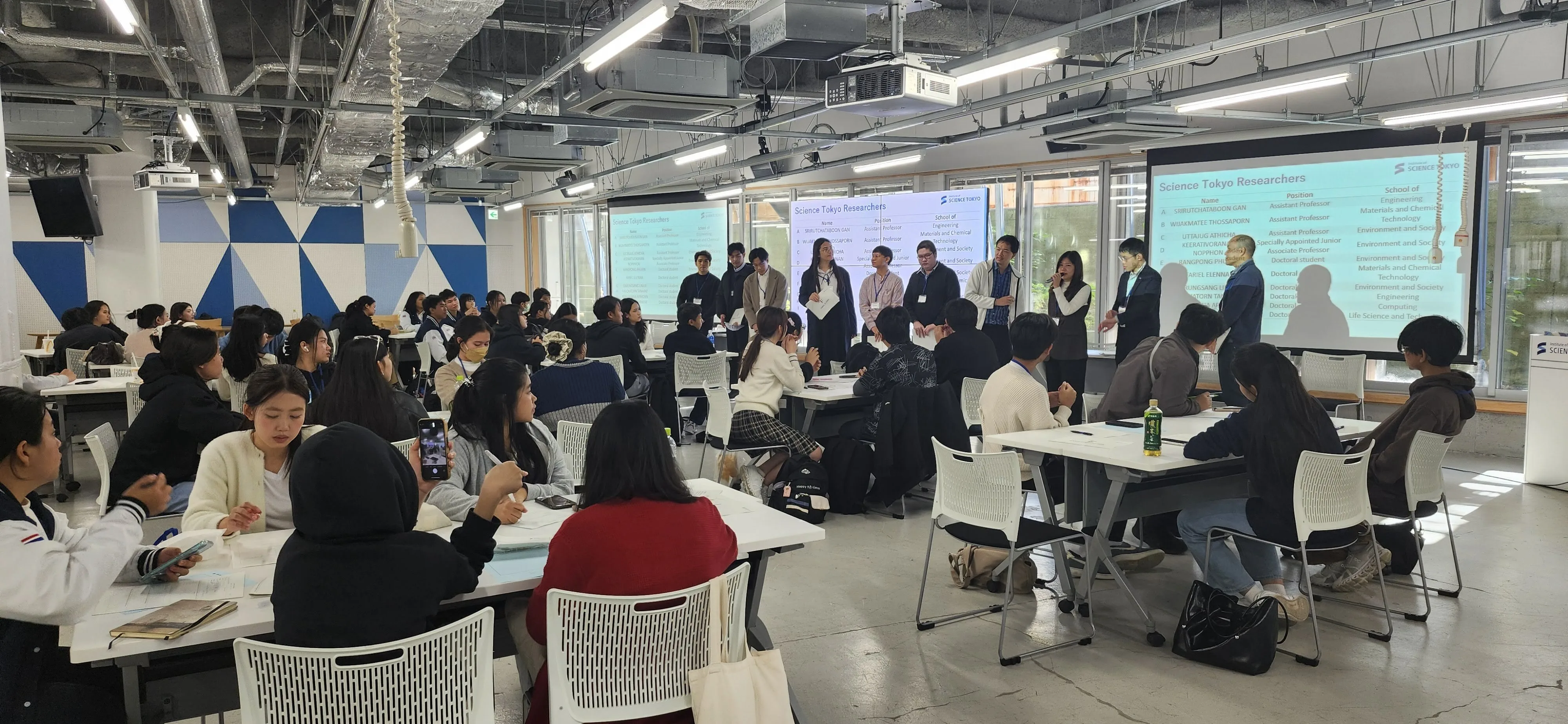
On the morning of the second day, ten Science Tokyo faculty members and doctoral students from Thailand were invited for “career interviews.” At first, the visiting students found it difficult to imagine themselves ten years from now, but interacting with their older peers at Science Tokyo and hearing about their experiences helped them start to envision the people they could be and what careers they could be pursuing in 2035.
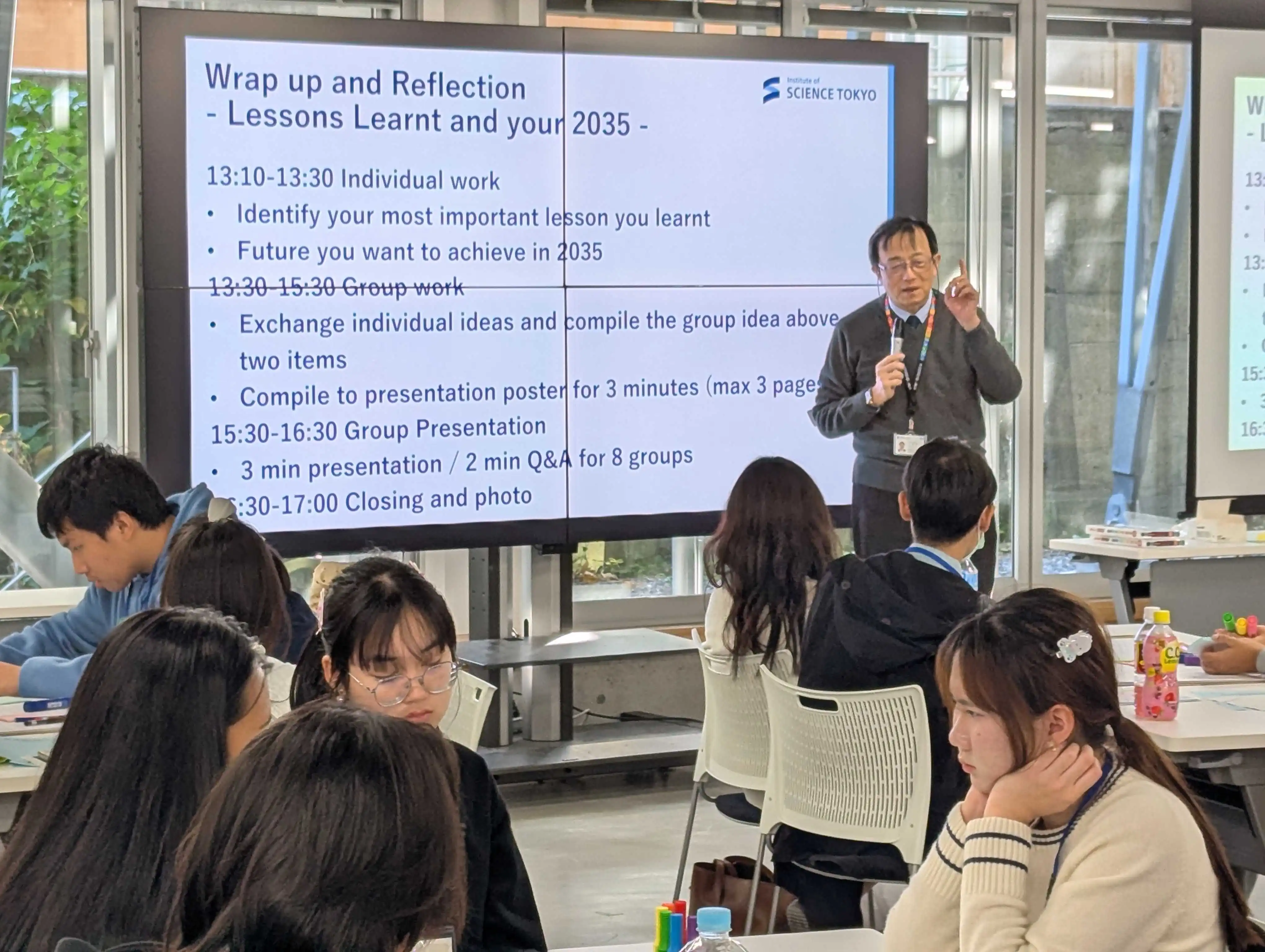
In the afternoon, Executive Vice President for Global Affairs Junichi Takada facilitated a wrap-up session for the six-week program, where the young participants gave presentations on what lessons they had learned and their visions for themselves in 2035. Students described learning about new technologies, like AI and quantum computing; the life skills they had gained, such as self-reliance; and their hopes for the future. “We want to improve quality of life of the citizens,” said one student. “For example, we want to make a better transportation system in Thailand so that everybody can have fresh air and be healthy and happy.”
By inviting international students to experience the unique opportunities offered here, Science Tokyo aims to showcase its educational and research excellence to a global audience, attract more international students, and contribute to the development of the next generation of science and technology talent.

International Affairs Group, International Affairs Office
- iad.affrs@adm.isct.ac.jp