Before You Visit a Dentist in Japan: Lessons from My Experience
Student Ambassadors' BLOG
| About Student Ambassadors |
|---|
| Science Tokyo’s Student Ambassadors are appointed to be the face of the Institute for prospective students and their families. They post about their academic and social lives at Science Tokyo, and share their experiences in undergraduate, master’s, or doctoral programs in various science and technology fields. |
Kyi Su Khing Thinn
School of Environment and Society
Master's degree program

Finding the right dentist, understanding dental care, and preparing for your first dental visit in Japan.
When I first visited a dentist in Japan in 2024, my goal was to have a regular check-up and treat any cavities if necessary. I wanted to make sure I was taking proper care of my teeth and receiving any treatment I needed. In this blog post, I would like to share my experience and some practical tips that may help international students feel more confident about visiting a dentist in Japan.
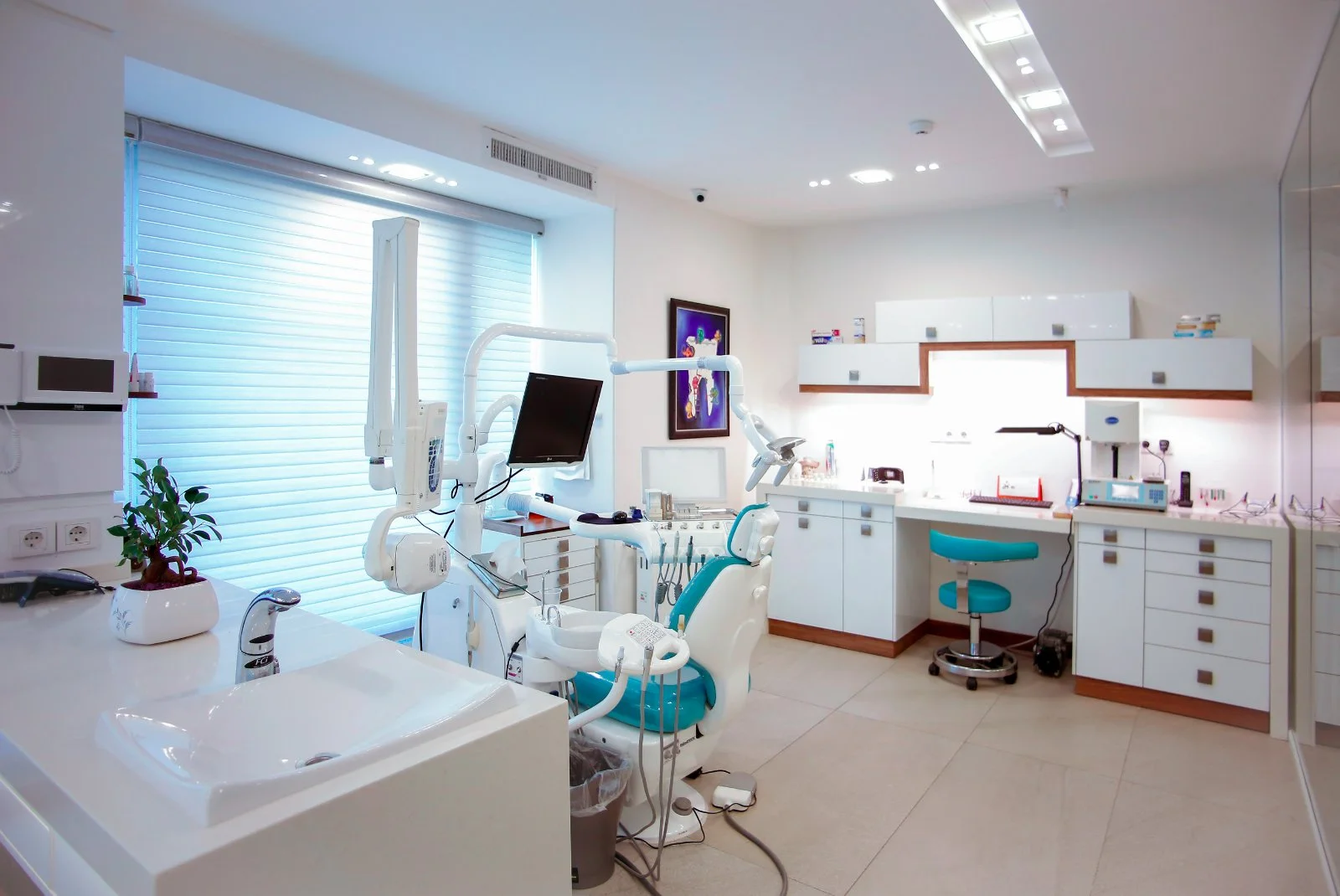
Finding the right dental clinic
Before my first appointment, I spent time searching for dental clinics online. Google Maps was especially helpful because I could find different clinics, check their locations, and read reviews written by other patients. Reading Japanese reviews also helped me compare clinics and decide where to make an appointment.
Through this experience, I learned that choosing a dental clinic involves more than simply finding one closest to the local station. Although convenience is important, I believe it is better to take your time and find a dentist you trust and feel comfortable with. This is especially important if you need several appointments or long-term treatment.
I recommend comparing a few clinics through reviews, communication styles, and treatment approaches before making your decision. Choosing a dentist you would like to continue seeing can be more valuable than a convenient location.
Once you find a suitable clinic, check how to make an appointment. Some clinics accept reservations only by telephone, while others offer both telephone and online booking. If you are still learning Japanese, you can also check whether the clinic provides information in English or has English-speaking staff.
Checking Japanese health insurance and payment methods
Another important lesson I learned was to check whether the clinic accepts Japanese public health insurance before making an appointment. This is particularly important for international students who are enrolled in Japan's public health insurance system.
For many dental treatments covered by public health insurance, patients in the usual insurance category pay 30% of the covered costs. However, not all treatments are covered, and the amount you pay depends on the treatment and your insurance eligibility. Some clinics include uninsured treatment, so it is always best to confirm the details directly with the specific clinic.
During an initial examination, the dentist may recommend an X-ray to check your teeth and identify problems that cannot be seen during a visual examination. Whether an X-ray is necessary depends on your dental condition, and there may be an additional charge.
Payment methods are also worth checking in advance. Depending on the clinic, you may be able to pay by cash or credit card. Some clinics may offer installment or financing options for certain treatments. Asking about payment methods before your visit can help you prepare and avoid surprises.
Understanding treatment costs before starting
One thing I strongly recommend is asking about treatment costs before agreeing to a procedure. Dental costs can vary depending on the treatment, the materials used, and whether the treatment is covered by insurance.
For example, dental implants are generally not covered by Japanese public health insurance, except in limited circumstances. They can also be expensive, so it is important to understand the expected cost before making a decision.
If your treatment requires several visits, ask the dentist for an estimate of the total cost, including possible follow-up appointments or additional procedures. You can ask questions such as, “How much will this treatment cost in total?” or “Is this treatment covered by Japanese health insurance?”
I believe that asking questions is an important part of taking care of your health. You should feel comfortable discussing your concerns and making sure you understand the available treatment options before proceeding.
Preparing for multiple appointments
Before visiting a dentist, it is helpful to understand that treatment may require more than one appointment. I learned that even dental cleaning may be divided into several visits, depending on your dental condition and the clinic's treatment plan.
If you need additional treatment, such as fillings or other procedures, you may also need follow-up appointments. Therefore, it is a good idea to ask how many visits may be necessary and how much time you should allow for the overall treatment.
Another tip is to ask whether you can continue seeing the same dentist. Some clinics have several dentists, and you may not always see the same person at every appointment. Personally, I think seeing the same dentist throughout your treatment, when possible, can make it easier to discuss your dental history, concerns, and progress.
When arranging your next appointment, I recommend asking about the earliest available date rather than suggesting only one date when you are free. You can then check whether that appointment fits your schedule. If you need to change an appointment, check the clinic’s cancellation policy and contact them as early as possible.
Taking care of your gums
A dental check-up is not only about checking for cavities. It is also an opportunity to ask about your gum health.
You can ask the dentist to check your gums and explain whether they are healthy or need additional care. If you notice bleeding, swelling, or other changes, be sure to mention them during your appointment.
During my research, I learned that some dental clinics in Japan offer laser treatments for certain gum conditions. However, these treatments are not necessary for everyone. Their suitability, availability, cost, and insurance coverage depend on the specific procedure and your dental condition.
If a dentist recommends a particular treatment, or if you are interested in one, ask about its benefits, risks, alternatives, and costs. Understanding your options can help you make an informed decision about your dental health.
Speaking up about pain or discomfort
Another important thing I learned is that you should tell your dentist if you feel pain or discomfort during treatment. If you are worried about pain, you can ask whether anesthesia or another method to make the procedure more comfortable is appropriate.
The options available, along with their costs and insurance coverage, depend on the treatment. Therefore, it is best to discuss your concerns with the dentist before the procedure begins.
Do not feel that you have to stay silent because you are worried about interrupting the dentist. Explaining how you feel is an important part of receiving appropriate dental care.
My overall impression of dental care in Japan
Overall, I have been satisfied with my experience at dental clinics in Japan. My visits have taught me that preparing in advance, asking questions, and understanding the treatment plan can make dental visits easier to manage.
For international students who are planning their first dental visit in Japan, my advice is simple: take your time to find a dentist you trust, confirm whether the clinic accepts your health insurance, ask about treatment costs, and make sure you understand your next appointment.
Taking care of your teeth is an important part of looking after your health while studying abroad. You do not need to know everything about the Japanese healthcare system before your first visit. Start by gathering information, asking questions, and communicating openly with your dentist.
I hope sharing my experience will help other international students feel more confident about visiting a dentist in Japan. A little preparation can make a big difference, and taking care of your dental health is always worth the effort. Keep smiling and see you around campus!
Student Ambassadors
Discover Science Tokyo through the voices and experiences of our Student Ambassadors.

Contact
(science and engineering fields) Admissions Center