-
School of Engineering
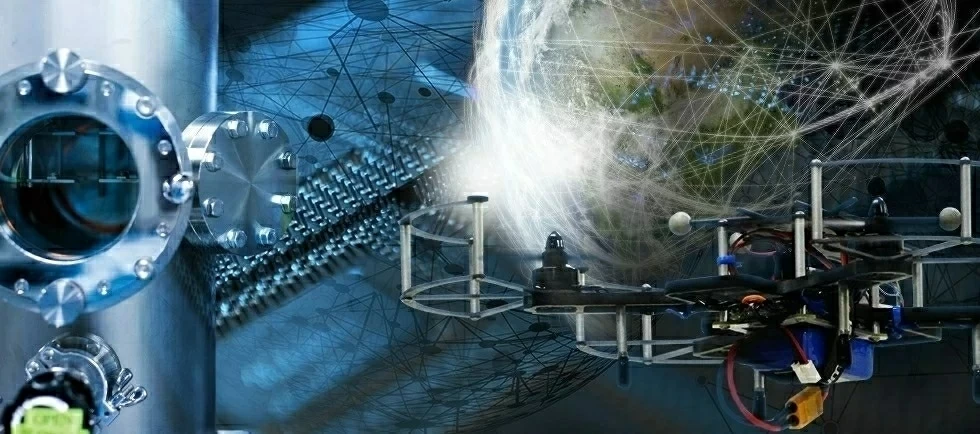
Creating New Industries and Advancing Civilization
The School of Engineering comprises the Departments of Mechanical Engineering, Systems and Control Engineering, Electrical and Electronic Engineering, Information and Communications Engineering, and Industrial Engineering and Economics. At both undergraduate and graduate levels, students learn engineering technologies that make people's lives richer and more pleasant, and engage in research activities that advance these technologies.
We believe that this will lead to the development of various advanced technologies in areas such as renewable energy and energy conserving technology that prevent global warming, and practical nursing-care and assistive robots that support aging societies and complement human capabilities.
Machine and human control based on the dynamics between brain functions and the body, and innovative interface devices and information networks that make use of the five senses are other such areas where advancement is anticipated. After all, engineering is a pillar that supports civilization by working towards a happier, healthier, safer society.
Why Study at the School of Engineering?
Study monozukuri — the building blocks of civilizations.
From assistive and IT devices that surround our daily lives to cutting-edge devices such as rockets used in space exploration and robots used in high-tech medicine, as well as the development of entire systems, production management, and corporate management, learn about the various aspects of monozukuri (manufacturing, the Japanese way) in a variety of fields, and how it builds civilizations.

Have fun. And become creative thinkers.
Various training is provided for students to become creative thinkers while having fun. Each department runs Creativity Development Courses that challenge students to be creative. It encourages them to come up with bold ideas and put these ideas into practice. Reputable courses include the International Design Contest (a precursor to today's Robocon), Original Machine Design, and Elekiteru Contest.
Find a range of graduate majors that extend beyond disciplinary boundaries.
Interdisciplinary majors — Energy Science and Engineering, Engineering Sciences and Design, Human Centered Science and Biomedical Engineering, and Nuclear Engineering — that combine and are developed from various disciplines have been created to enable students to pursue engineering in a wide range of fields. After graduating from the Undergraduate Program, students can choose to continue their studies in any of these interdisciplinary graduate majors.
At a Glance
| 1st year of bachelor's program |
Undergraduate Major (undergraduate study year 2–4) |
Graduate Major |
|---|---|---|
| School of Engineering | ||
| School of Engineering | ||
| School of Engineering | ||
| School of Engineering | ||
| School of Engineering |
- Interdisciplinary graduate majors connected to multiple departments
Featured Education and Research Activities
Super Smart Society
In this graduate major, we offer opportunities for interdisciplinary research in which students cultivate new ideas and solve societal issues together with faculty and students from different fields. Through a society-connected curriculum—developed in collaboration with companies, research institutes, local governments, and national agencies—students gain practical experience that prepares you to shape the future.
We are widely recruiting students for the doctoral program.
Global Scientists and Engineers Course
This course is for students who enrolled in AY2023 or earlier.
This course, available to undergraduate students, teaches advanced skills that will help graduates of the Undergraduate Program to perform advanced education and research activities in a Graduate Program. It prepares students to develop the necessary skills during their time in a Graduate Program to become individuals who will exhibit leadership around the world, including in developing nations.
It comprises the Global Awareness Program, English and Communication Program, International Cooperation Practice Grounded in Science and Technology Program, and Overseas Study or International Internship Program.
International Cooperation
As university education is rapidly globalizing, the School of Engineering, the School of Materials and Chemical Technology, and the School of Environment and Society are focusing on creating international research networks to support participation in projects and encourage exchange among students, faculty, and researchers. More than 50 school-level agreements have been concluded with top-level universities around the world, and international exchange programs with scholarships from Engineering School Funds are being implemented with some of those universities. In addition, Erasmus+ will provide financial assistance to students wishing to study at relevant partner universities with which international exchange agreements are in place.

The Asia-Oceania Top University League On Engineering (AOTULE)
The Asia-Oceania Top University League on Engineering (AOTULE) is a university league established for the purpose of promoting multilateral exchange between 12 leading engineering universities in Asia and Oceania. Its activities include international student conferences, workshops held at Tokyo Tech as well as various other regions in Asia and Oceania, and overseas placements to conduct research.
Summer Exchange Research Program (SERP)
Support is provided for students to study abroad for two to three months at partner universities based on school-to-school agreements in engineering fields.Current partner universities include University of Wisconsin–Madison; University of California, Santa Barbara; University of Cambridge; University of Oxford; University of Warwick; University of Southampton; Pierre and Marie Curie University (UPMC, University of Paris VI); RWTH Aachen University; and Technical University of Madrid (UPM).
Practical English for Scientists and Engineers
To cultivate scientists and engineers who will lead the global society, the Practical English for Scientists and Engineers course, which aims to improve practical English communication skills, is offered to undergraduates. Advanced practical English for a variety of situations encountered by engineers and scientists, such as presentations, debates, listening, and technical writing, is taught in small classes to improve overall communication skills.

6-University Human Assets Promotion Program for Innovative Education and Research :6U-HAPPIER
Our updated Human Assets Promotion and Academic Career Enhancement (ACE) programs for engineering commit all six member universities to a joint policy of efficient knowledge sharing and mutual support for joint awareness and growth among faculty members at all levels.
The Engineering Schools of
Hokkaido University
Tohoku University
Institute of Science Tokyo
Nagoya University
Osaka University
Kyushu University
share the aims of developing teaching skills and promoting career goals of those faculty members who have the desire and potential to become leaders in research, education, and administration, whether by inter-university faculty exchange, various ACE events, or active management learning sessions.
Super Smart Society Promotion Consortium
Science Tokyo has launched a consortium to promote the realization of Super Smart Society (Society 5.0), and planning to develop future leaders who are capable of supporting the transformation to Super Smart Society. To accomplish this aim, Science Tokyo is looking for highly motivated companies who wish to join this consortium and support this education program.
Science Tokyo Academy for Super Smart Society
The WISE (World-leading Innovative & Smart Education) program for Super Smart Society (WISE Program for SSS) is an integrated master's and doctoral degree program offered by the Science Tokyo Academy for Super Smart Society. The program's objective is to help students develop competencies and skills they will need to become "knowledge professionals" ("super PhDs") integrating physical space technologies with cyber space technologies as well as combining advanced sciences and technologies, such as quantum science and artificial intelligence.
The School of Engineering Education Fund
The School of Engineering Education Fund aims to directly support the advancement of education offered in the school, research activities of its students, and its international exchange program. To expand support to the above programs, we depend greatly upon donations to this fund. These donations are specifically earmarked for the school's education to foster engineers to becoming leaders in innovation and to making significant contributions to our future. Donations can also be made through the donation menu page below.
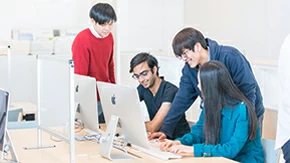
Message from Students
An Attractive Environment Where You Can Learn a Wide Range of Engineering
Ryota Nakagawa
4th-year bachelor student, AY 2025
Department of Mechanical Engineering
In the mechanical engineering program, you can acquire diverse knowledge across various engineering fields such as mechatronics, materials, thermal-fluid dynamics, and machining. Beyond classroom learning, hands-on exercises involving team-based design and machining projects allow you to transform knowledge into practical skills while experiencing the joy of collaborative creation. This environment goes far beyond the typical image evoked by the word “mechanical”, offering a stimulating setting where you can explore up close the engineering that underpins society and ignite your intellectual curiosity.
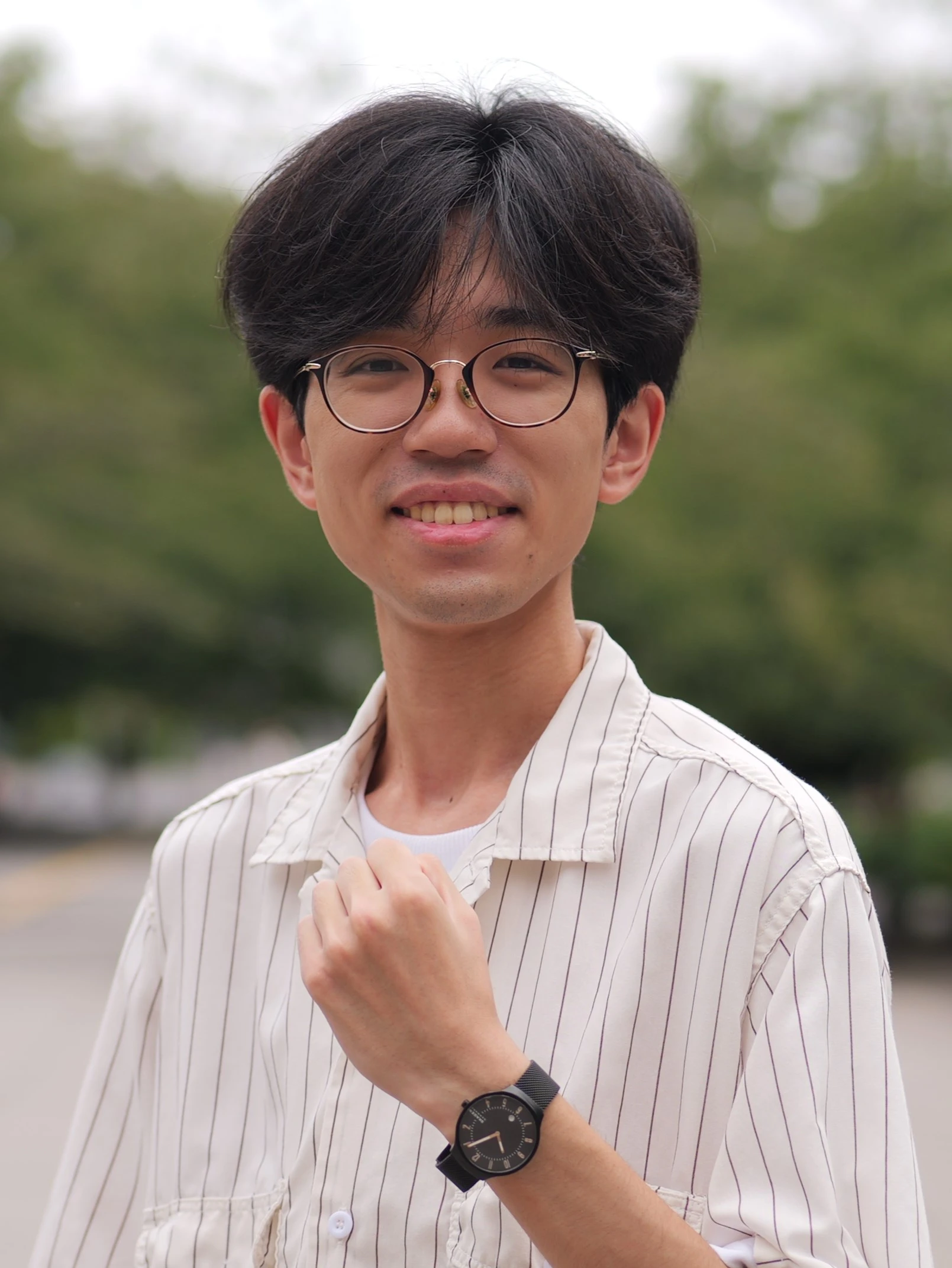
Clarifying the Mechanism of Harmful Substance Emissions from Gasoline Engine Vehicles
Keigo Ashizawa
4th-year bachelor student, AY 2025
Department of Systems and Control Engineering, School of Engineering
We are researching the emission mechanisms of harmful substances such as carbon monoxide and ammonia from gasoline-powered vehicles operating in actual traffic flow. In our experiments, we collect exhaust gas concentrations and driving data while operating vehicles on real roads. The emission of these harmful substances is closely related to engine control, making the data obtained during driving crucial for analysis. This research addresses a critical theme directly linked to environmental issues, and I find it extremely rewarding.
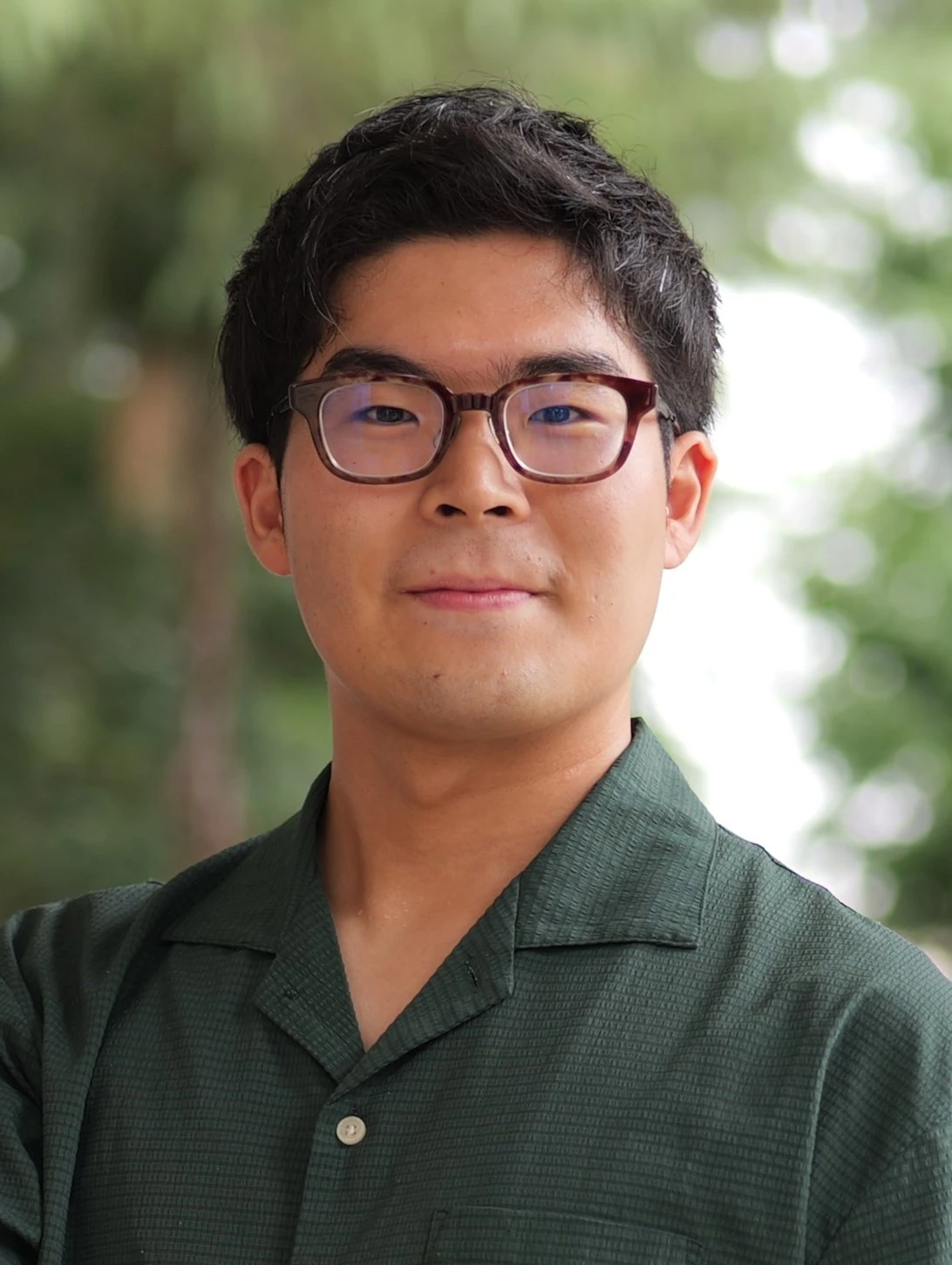
Research on Semiconductor Materials for Optical Wireless Power Transmission Receivers
Mayu Irie
1st-year master student, AY 2025
Department of Electrical and Electronic Engineering
Optical wireless power transmission systems, which use light sources such as lasers to transmit power, are gaining attention for long-distance applications. Wireless power transmission is expected to enable smaller devices and longer lifespans. I am engaged in research on semiconductor materials for the photodetectors used in this optical wireless power transmission. My research involves valuable experiences, such as depositing semiconductor thin films using vacuum equipment in a clean room, and I am enjoying conducting my work.
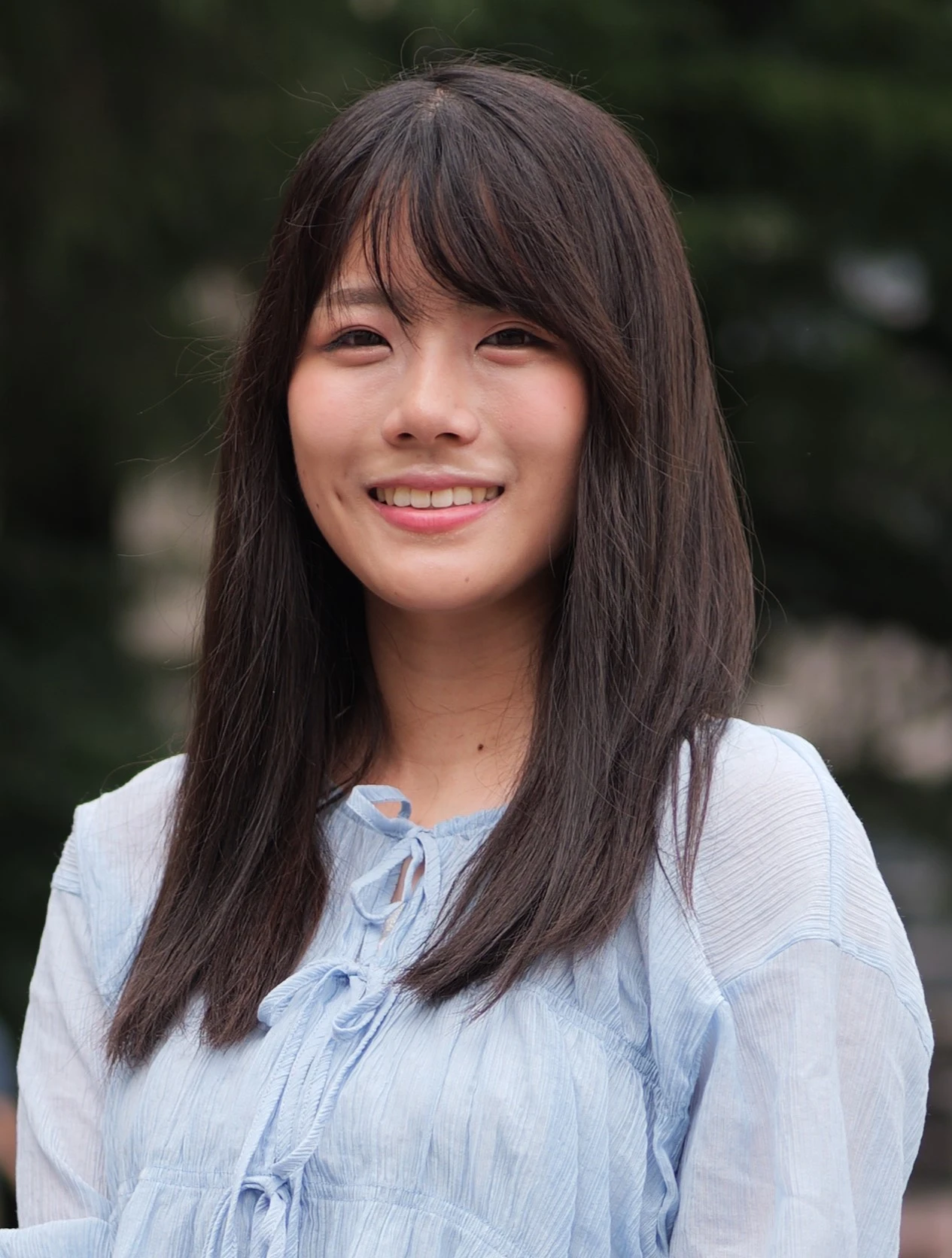
Accelerating and Enhancing the Accuracy of Physics Engine Calculations That Power Games and VR
Takumi Yasufuku
1st-year master student, AY 2025
Department of Information and Communications Engineering, School of Engineering
Physics engines simulate realistic motion in games and VR, but they face challenges where calculations for object joint movements become unstable under specific conditions. My research focuses on identifying the root causes of this instability and proposing new methods to stabilize motion with fewer computations. Through this work, I aim to build simulations closer to reality, creating information environments where people can live naturally, enjoyably, and creatively.
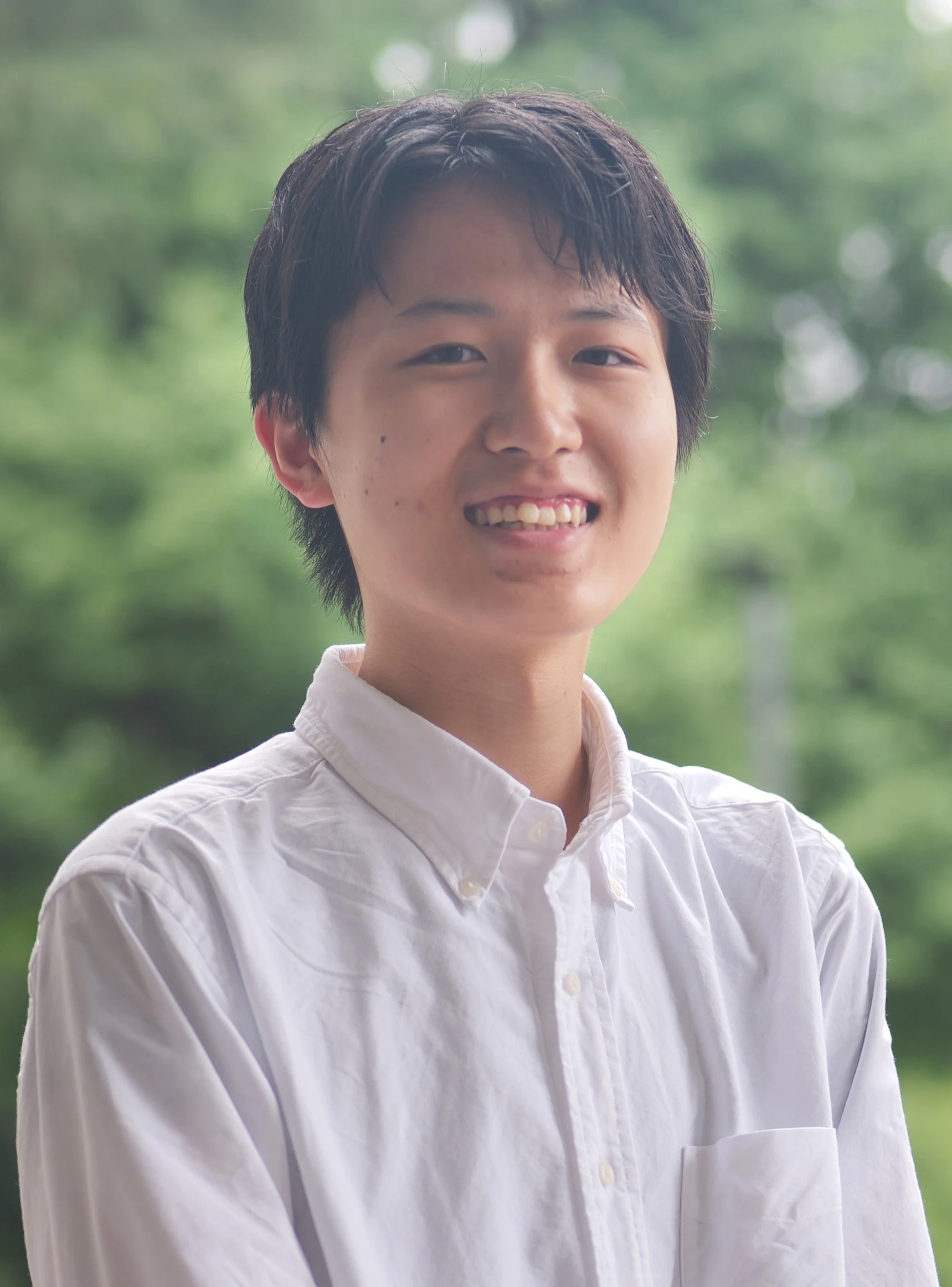
Looking for Economic Solutions for Disaster-Prone Japan
Masaya Nakazato
1st-year master student, AY 2022
Department of Industrial Engineering and Economics
Large-scale natural disasters can significantly damage a country's economy. I'm trying to figure out how the Great Kanto Earthquake (in 1923) affected the industrial development in Chiba Prefecture using the prefecture's industry data by affected region. Studying the cause-and-effect relation can help find more suitable economic solutions. It is challenging but also exciting to develop an optimal quantitative model for the analysis, validate it statistically, and correct and reconstruct it as necessary.
Number of Students and Faculty Members
| Students | 3,277 |
|---|---|
| Faculty | 184 |
- Number of students and faculty members are as of May 1, 2026.
Teaching Certificates That Can Be Acquired
Undergraduate Degree Program
First-Class Teaching Certificate for Upper Secondary School(Computer, industry)
Master's Degree Program
Advanced Class Teaching Certificate for Upper Secondary School(Computer, industry)